Sports Taping vs. Bracing: Which is Better for Injury Prevention?
29 November 2025
When it comes to sports injuries, prevention is always better than cure. Whether you're an athlete, a weekend warrior, or just someone who loves staying active, you've probably wondered: Should I use sports taping or bracing to prevent injuries?
Both methods offer support and protection, but they work in different ways. While taping is flexible and customizable, bracing provides rigid support and stability. So, which one is the best option for injury prevention? Let’s break it down and help you decide. 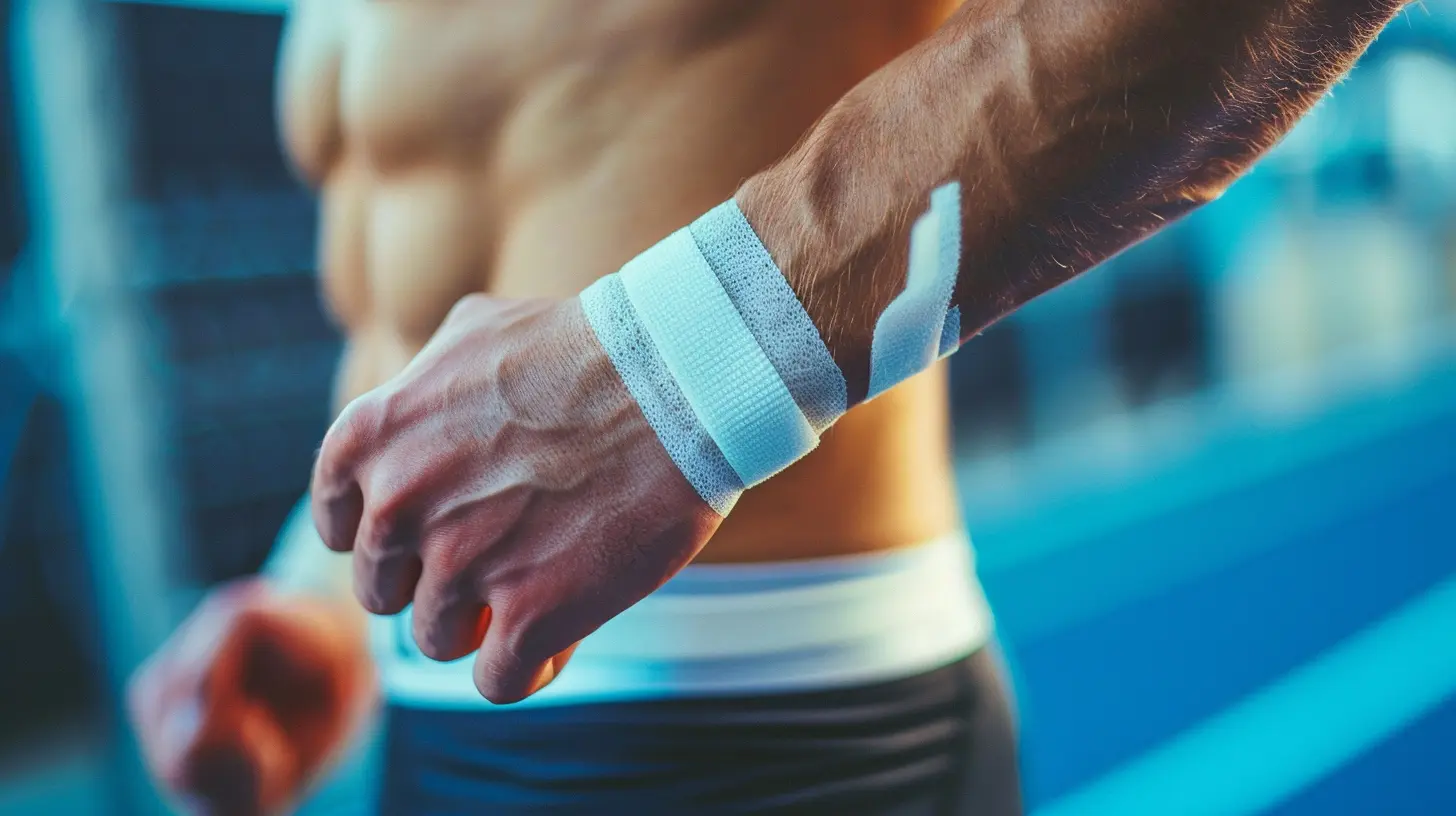
What is Sports Taping?
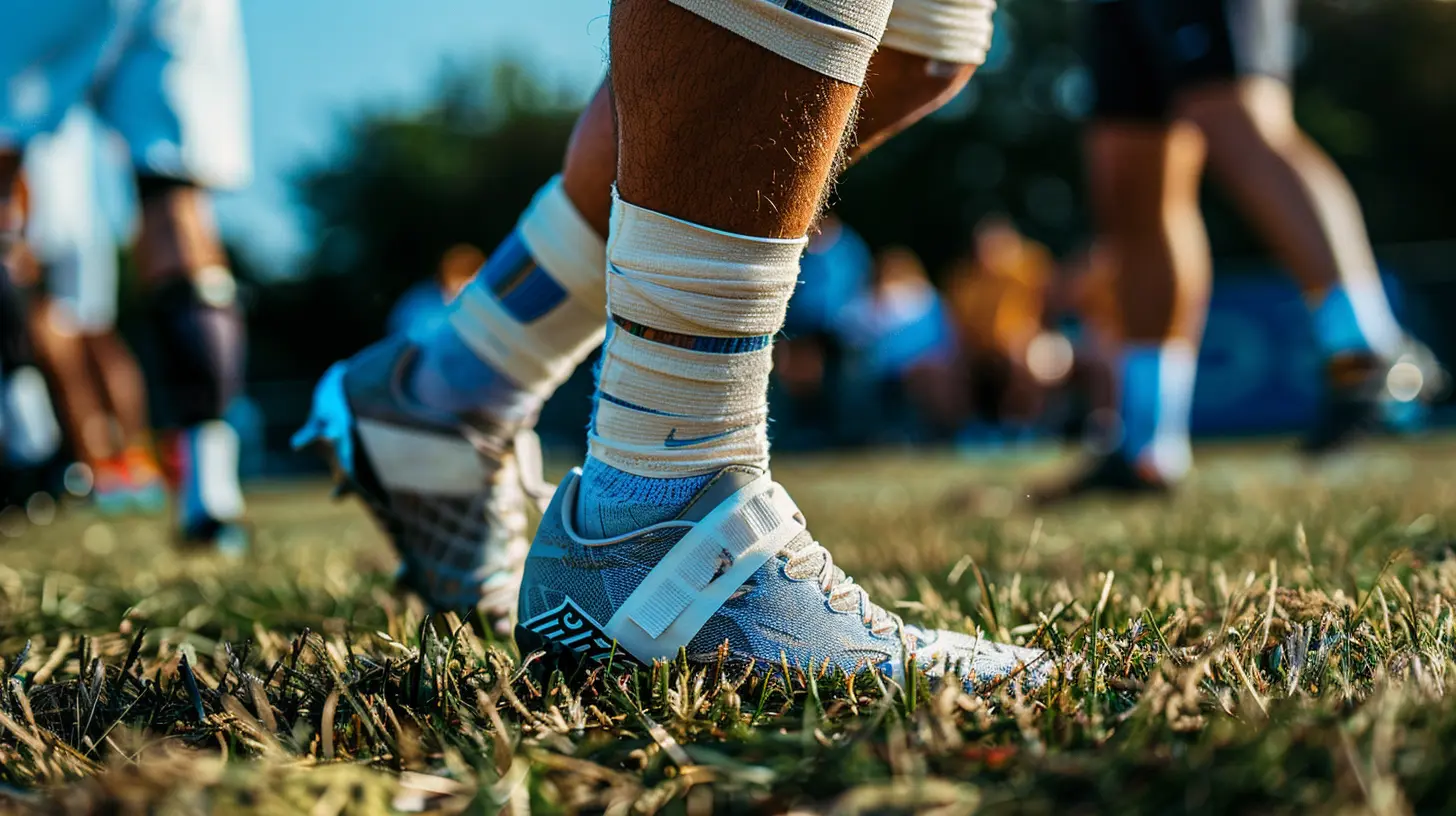
Sports taping is the process of wrapping adhesive tape around joints or muscles to provide stability and support. It’s commonly used by athletes for injury prevention, pain relief, and rehabilitation.Types of Sports Tape
There are a few different types of tape, each serving a unique purpose:- Athletic Tape (Rigid Tape) – A stiff, non-elastic tape used to limit excessive movement in joints like ankles, wrists, or fingers.
- Kinesiology Tape – A stretchy, breathable tape that provides support without restricting movement, often seen in colorful strips on athletes.
- Elastic Bandage Wraps – A flexible, reusable option that offers compression and mild support.
Pros of Sports Taping
✅ Customizable Support – Tape can be applied in a way that provides exactly the right amount of support for your needs.✅ Lightweight & Non-Restrictive – Unlike bulky braces, tape allows for a full range of motion while still offering protection.
✅ Enhances Proprioception – Taping helps athletes become more aware of their movements, reducing the risk of awkward landings and poor mechanics.
✅ Cost-Effective (Short-Term Use) – A roll of tape is relatively inexpensive compared to a high-quality brace.
Cons of Sports Taping
❌ Short Lifespan – Tape loses its stickiness after a few hours due to sweat and movement. It needs to be reapplied frequently.❌ Requires Skill to Apply – If applied incorrectly, it can be ineffective or even make an injury worse.
❌ Can Cause Skin Irritation – Some people develop skin reactions from prolonged use of adhesive tape.
❌ Not as Durable as Braces – Tape can loosen over time, reducing its support.
What is Bracing?
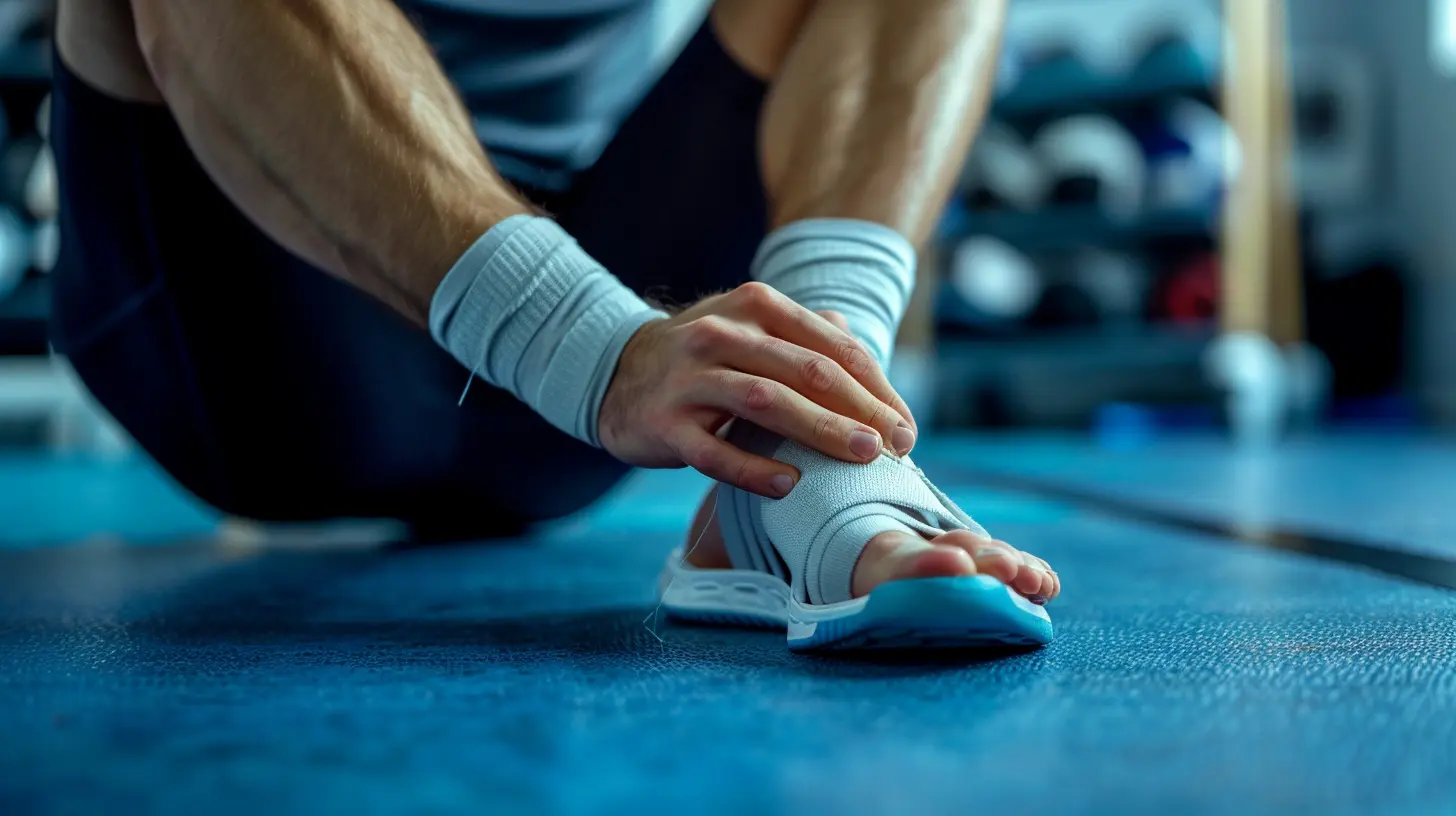
Bracing involves using a pre-formed device (often made of neoprene, plastic, or metal) to support a joint. Braces are commonly worn on high-risk areas like the knee, ankle, wrist, and elbow.There are different levels of bracing support:
- Soft Braces – Lightweight, flexible braces that provide mild compression and support.
- Semi-Rigid Braces – Braces with added straps or stays for extra stabilization.
- Rigid Braces – Hard-shell braces used for maximum support, especially post-injury or post-surgery.
Pros of Bracing
✅ Provides Strong Support – Braces are designed to limit excessive movements that could lead to injuries.✅ Doesn’t Require Skill to Use – Unlike taping, you don’t need an expert to apply a brace—it’s ready to wear.
✅ Reusable & Long-Lasting – Braces can be used repeatedly, making them more cost-effective over time.
✅ Ideal for Chronic Conditions – Athletes with previous injuries or joint instability often benefit from wearing braces.
Cons of Bracing
❌ Can Feel Bulky or Uncomfortable – Some people find braces heavy or restrictive.❌ May Weaken the Muscles Over Time – Relying too much on a brace can cause muscles to weaken since they’re not fully engaging during movement.
❌ More Expensive Upfront – A high-quality brace can be pricier than a roll of tape.
❌ Limited Customization – Unlike tape, which contours perfectly to the body, braces come in fixed sizes and designs.

Sports Taping vs. Bracing: The Key Differences
| Feature | Sports Taping | Bracing ||--------------|-------------|---------|
| Support Level | Moderate, customizable | High, rigid support |
| Ease of Use | Requires skill to apply | Easy to put on and take off |
| Durability | Short-term use (hours) | Long-term use (reusable) |
| Comfort | Lightweight, flexible | Can be bulky or restrictive |
| Cost | Cheaper upfront but ongoing cost | More expensive initially but reusable |
| Muscle Engagement | Encourages natural movement | Can lead to muscle dependence |
Which One is Better for Injury Prevention?
The answer depends on the sport, the type of injury risk, and personal preference.- Choose Sports Taping If:
- You need lightweight, flexible support that won’t restrict movement.
- You have short-term needs (e.g., one game or event).
- You prefer a more natural feel without bulky materials.
- You’re willing to learn proper taping techniques or have access to a professional trainer.
- Choose Bracing If:
- You need maximum stability for a joint prone to injury.
- You have chronic instability or a history of injuries.
- You want a long-term, reusable solution.
- You don’t want to spend time reapplying tape before every game.
Can You Combine Both?
Absolutely! In some cases, athletes use both taping and bracing together for extra protection. For example, a basketball player with a weak ankle might wear a brace for stability but add a layer of kinesiology tape for proprioceptive feedback.However, overdoing it with support gear can sometimes do more harm than good. If your muscles become too dependent on external support, they may weaken over time. It’s always best to strengthen the muscles around the joint through proper training, mobility work, and rehabilitation exercises.
The Final Verdict
There’s no one-size-fits-all answer. Both sports taping and bracing have their pros and cons, and the right choice depends on your sport, level of activity, and personal comfort.- If you want lightweight, short-term support, go for taping.
- If you need strong, long-term protection, choose bracing.
- If you’re not sure, consult a sports therapist who can assess your needs.
At the end of the day, injury prevention is about more than just external supports! Strength training, proper warm-ups, stretching, and good biomechanics all play crucial roles in keeping you injury-free.
So, whether you're taping up or strapping into a brace, make sure you're also putting in the work to strengthen your body. That’s the ultimate game-changer!
all images in this post were generated using AI tools
Category:
Sports MedicineAuthor:

Preston Wilkins
Discussion
rate this article
2 comments
Quentin McPherson
Great article! I appreciate the insights on sports taping and bracing. It's crucial for athletes to understand their options for injury prevention. Thanks for shedding light on this important topic!
December 1, 2025 at 12:50 PM
Preston Wilkins
Thank you for your feedback! I'm glad you found the insights helpful. Injury prevention is indeed vital for athletes!
Stella Kirk
Both taping and bracing have their benefits; the choice often depends on the specific injury and individual athlete's needs.
November 29, 2025 at 1:07 PM
Preston Wilkins
Absolutely! The right choice varies based on the injury and the athlete's unique circumstances.