The Hidden Impact of New Regulations on Player Safety
26 January 2026
Sports are all about passion, competition, and pushing the limits. But as the game evolves, so do the rules that govern it. Over the years, new regulations have been introduced to improve player safety, but what’s the real impact of these changes? Do they actually make a difference, or are they just slowing the game down?
Let’s break it down and see how these rule changes are silently shaping the future of sports and protecting the athletes we love to watch. 
The Evolution of Player Safety in Sports
Sports have always been risky, and injuries are pretty much part of the game. From minor bruises to career-ending injuries, athletes put their bodies on the line every time they step onto the field, court, or rink.But as medical research has advanced, leagues and governing bodies have realized that safety needs to be a priority. The result? A wave of new regulations aimed at reducing injuries and protecting players.
While some fans argue that these rules make the game "softer," the reality is that they’re saving careers—and sometimes even lives. 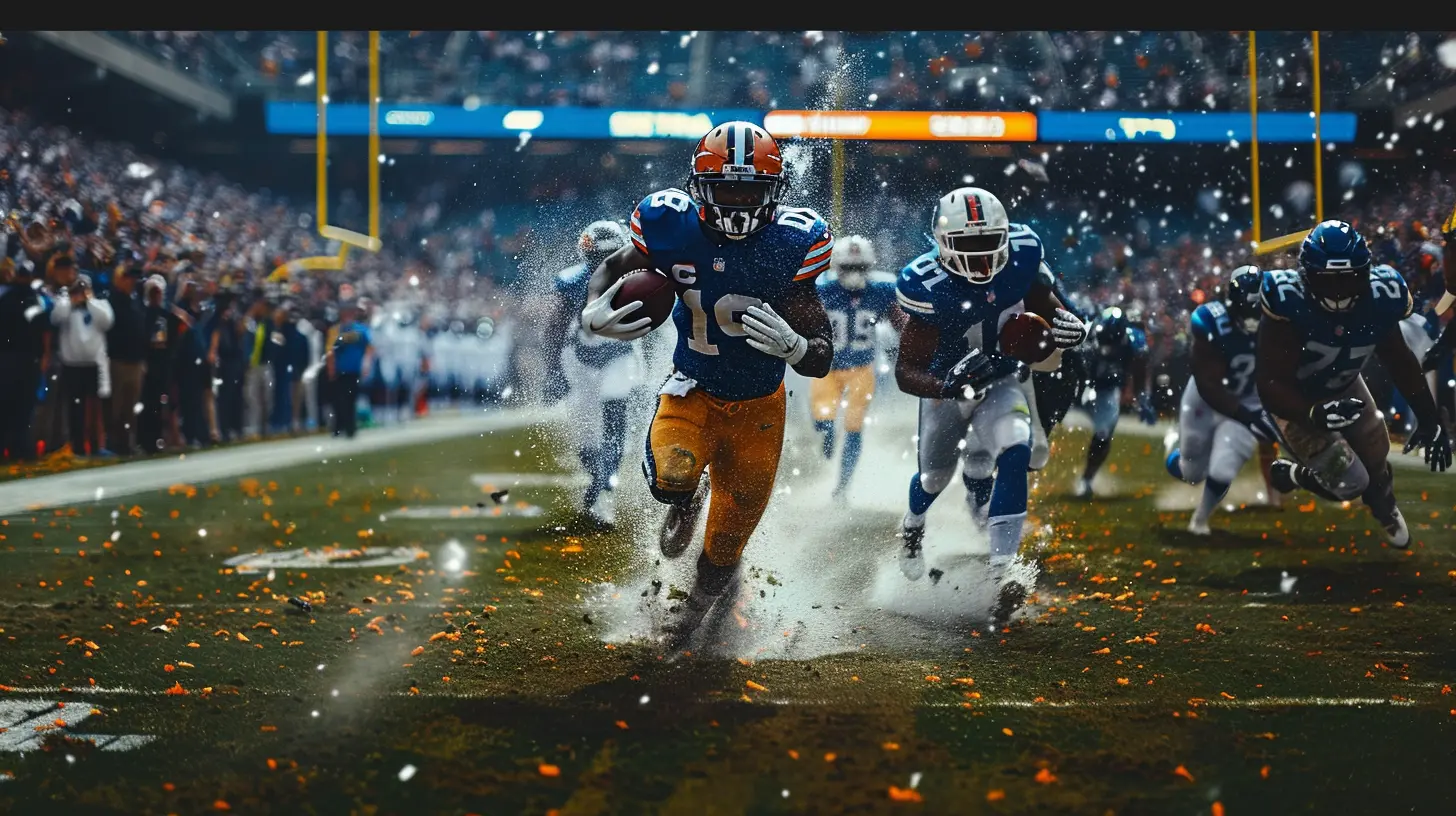
Rule Changes That Have Transformed Player Safety
1. Concussion Protocols: A Game-Changer
One of the most significant shifts in player safety has been the introduction of strict concussion protocols. Gone are the days when a player would simply "shake it off" and get back in the game after a head injury.Now, athletes are required to undergo medical evaluations before returning to the field. This change has drastically reduced the risk of long-term brain damage, something that was previously ignored in many sports.
Take the NFL, for example. After years of research linking repeated head trauma to chronic traumatic encephalopathy (CTE), new rules were put in place to minimize dangerous hits and ensure players get proper medical attention. Similar protocols have been adopted in soccer, hockey, and even combat sports.
2. Tighter Regulations on Dangerous Hits and Tackles
Remember when highlight reels were packed with bone-crushing hits? While they might have been entertaining, they were also responsible for countless injuries.Leagues have cracked down on dangerous plays by introducing stricter penalties for hits to the head, late tackles, and unnecessary roughness. In football, helmet-to-helmet contact now results in immediate penalties, while rugby and soccer have also implemented rules to prevent reckless play.
The bottom line? Safer tackling means fewer injuries, and that’s a win for both players and teams.
3. Equipment Innovations: More Than Just a Fashion Statement
Regulations don’t just affect how the game is played—they also impact what players wear. Advances in protective gear have played a huge role in preventing injuries.Improved helmets, mouthguards, and padding have significantly reduced the impact of high-contact collisions. In sports like baseball, rule changes have led to mandatory protective netting for fans, lowering the risk of injuries from stray balls.
Even in motorsports, regulations requiring better fireproof suits and enhanced crash barriers have saved countless lives.
4. Stricter Rules on Recovery and Rest
Athletes are competitors by nature—they want to play every game, even if they’re not 100%. However, new regulations around rest and recovery have prevented long-term injuries.Many leagues now have minimum recovery times for certain injuries, ensuring that players don’t return to action before they’re fully healed. The NBA, for instance, has implemented stricter load management policies to prevent overuse injuries, sparking debates between fans, coaches, and health experts.
Are these "soft" rules ruining sports? Not really. They’re just prioritizing longevity over short-term excitement. 
The Not-So-Obvious Impacts of These Changes
1. Longer Careers for Athletes
Back in the day, an athlete's career could be cut short by a single injury. But with better safety regulations, players are now able to compete for much longer.Take LeBron James, Tom Brady, or Cristiano Ronaldo—these legends are still dominating their respective sports well into their late 30s and 40s. That wouldn’t have been possible without improved safety measures.
2. A Shift in Playing Style
With new rules limiting dangerous plays, athletes have had to adapt their playing styles. Hard-hitting defenders in football now have to rethink their approach, while soccer players have adjusted to stricter tackling rules.This shift hasn’t necessarily made the game worse—it’s just changed how strategy and skill come into play. Instead of brute force, precision and technique are taking over.
3. Controversy Among Fans and Analysts
Not everyone is thrilled about these safety regulations. Some fans argue that sports are losing their toughness and becoming too "soft."But here’s the thing—would you rather see your favorite player sidelined for months with a concussion, or playing at their best because of better safety measures?
It’s a tough debate, but at the end of the day, the goal is to keep athletes healthy and performing at their peak. 
The Future of Player Safety Regulations
So, what’s next?With technology advancing at a rapid pace, we can expect even more improvements in player safety. From AI-driven injury prevention systems to better rule enforcement through VAR and automated officiating, the future of sports is looking safer than ever.
Some leagues are even experimenting with smart wearables that track player health in real time, helping medical staff intervene before an injury worsens.
While not every regulation will be popular, one thing is clear—player safety is becoming a top priority, and that’s a trend we should all support.
Final Thoughts
At the end of the day, the hidden impact of new regulations on player safety is undeniable. While some rules might seem like they’re slowing the game down, they’re actually prolonging careers, refining playing styles, and protecting the athletes who make sports so thrilling.So the next time a new rule is introduced, before rolling your eyes, just ask yourself—if it keeps your favorite player on the field longer, isn’t it worth it?
Sports will always be about passion, skill, and competition—but they don’t have to be about unnecessary injuries. The game is evolving, and honestly, it’s for the better.
all images in this post were generated using AI tools
Category:
New RulesAuthor:

Preston Wilkins
Discussion
rate this article
2 comments
Hawk Good
While regulations aim to enhance safety, we must question if they truly protect players or merely shield the league.
February 24, 2026 at 5:55 AM
Preston Wilkins
That's a valid point. Regulations should prioritize player safety over league interests to ensure genuine protection.
Charlotte Watson
Safety first? More like regulations second—who’s really benefiting?
January 28, 2026 at 4:56 AM
Preston Wilkins
Thank you for your comment! While regulations can seem cumbersome, they are designed to prioritize player safety and well-being, ultimately benefiting all stakeholders in the long run.