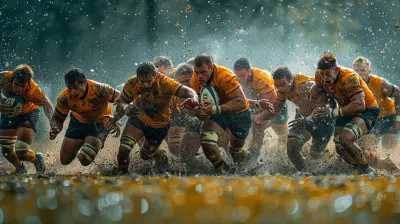
A Closer Look at the Tactical Battles Within the Game
3 January 2026
When we talk about sports, especially team sports like football, basketball, or soccer, the first thing that usually comes to mind is the flash—the goals, dunks, touchdowns, or dramatic comebacks. But underneath all that action lies a more subtle, brainy side of the game that often goes unnoticed by casual fans: the tactical battles. These on-field chess matches between masterminds in the dugouts or on the sidelines can be the difference between winning and losing.
Let’s lift the veil and dive deep into this fascinating world of strategy and adjustments. Whether you're a hardcore fan or just someone trying to understand what makes sports tick, you’ll want to keep reading.
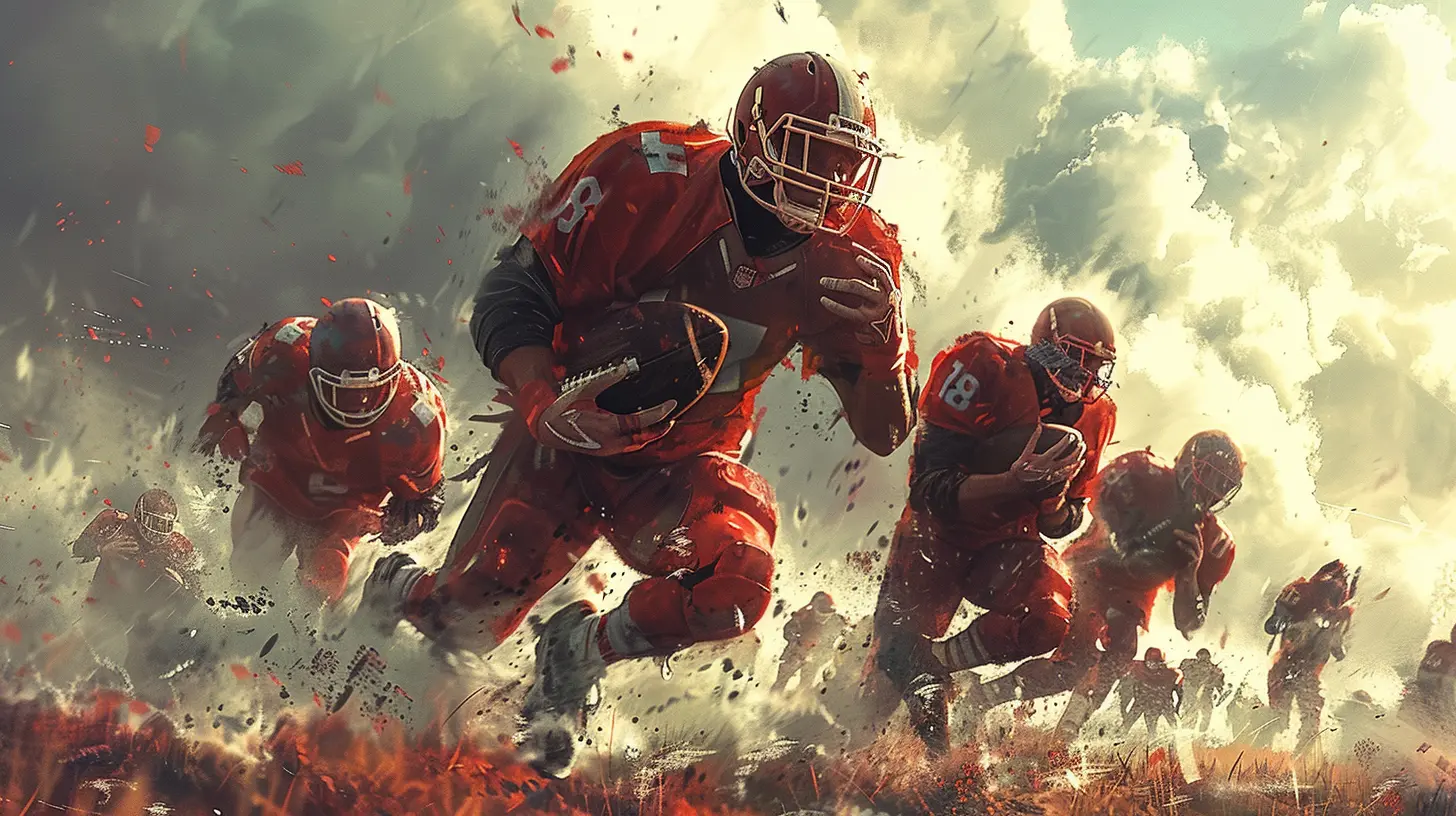
What Are Tactical Battles in Sports Anyway?
Think of a sporting match as a war, with each team bringing their own weapons, formations, and battle plans. Tactical battles are the skirmishes within that war—how coaches and players adapt on the fly, counter opponents' strengths, exploit weaknesses, and make in-game decisions that turn the tide.It’s like a poker game between coaches—only instead of bluffing with cards, they’re doing it with formations, substitutions, and set pieces.
Why Tactics Matter More Than Ever
In the modern era of sport, athletic ability alone isn’t enough. Everyone’s fast. Everyone’s strong. So what separates winners from losers? Often, it's the tactics.Imagine two equally skilled boxers. One throws wild punches hoping to land a lucky shot, while the other dances around the ring, analyzes tendencies, and strikes at just the right moment. Who do you think wins?
Exactly.
Teams now invest heavily in analytics, video breakdowns, and coaching staff who specialize in the tactical side. We're not just talking X’s and O’s on a clipboard—this is next-level, data-guided strategy.

The Role of Formation and Shape
One of the first tactical elements we notice is formation. In sports like soccer, this is crucial. Teams set up in a 4-3-3, 5-4-1, or even a hybrid. But here’s the kicker—it’s not just about how they start. It’s how they shift during different phases of the game.For instance, a team may defend in a compact 4-5-1 but shift to a fluid 3-4-3 when attacking. That dynamic change can throw opponents off rhythm.
It’s kind of like a transformer—what you see isn’t always what you get.
Basketball teams do this too. A squad might switch from man-to-man defense to a 2-3 zone mid-quarter to confuse the opposition or stifle a hot shooter.

In-Game Adjustments: The Silent Game-Changers
Ever watched a game where one team dominates the first half, only to be completely shut down in the second? That’s not luck—that’s tactical adjustment.Great coaches make changes on the fly. Maybe a key player on the other side is wreaking havoc. Instead of panicking, a smart coach will tweak assignments, bring in a defensive specialist, or change the pace entirely.
It’s like solving a puzzle. Every move your opponent makes gives you a clue. The trick? Figuring out the right counter before they checkmate you.
Pressing and Counter-Pressing: High-Risk, High-Reward
Let’s use soccer again to illustrate pressing—a tactic where teams apply pressure high up the pitch to force turnovers. It's risky because it leaves space behind, but when done right, it creates instant scoring chances.Now throw in the counter-press—the moment your team loses possession, everyone swarms the ball to win it back immediately. It’s like losing your wallet in a crowd and freezing everyone in place until you find it.
Teams like Liverpool made this famous under Jurgen Klopp, turning it into an art form. But even in basketball and hockey, similar principles apply with full-court presses or aggressive forechecking.
When two teams that love to press go head-to-head, it becomes a high-intensity chess match. Who blinks first?
Substitutions – Not Just About Fresh Legs
Substitutions often seem straightforward. Player A is tired, so Player B comes in. But in the tactical world, subs change everything.A striker off the bench might bring pace to stretch a tired defense. A midfielder could provide extra cover to shut down a game. Sometimes, it's even about psychological warfare—bringing on a fan favorite to lift the crowd and shift momentum.
In basketball, rotating players who fit specific five-man units can be the difference in stifling an opponent’s pick-and-roll or creating space for your shooter.
So next time you see a substitution, don’t just think it's about stamina. Think strategy.
Set Pieces: The Tactical Flashpoints
Set pieces—whether it’s a free-kick, corner, inbounds pass, or power play—are strategic goldmines.They’re like rehearsed plays in a theater. Everyone has a role. Timing, movement, and positioning are choreographed to perfection.
In football (both American and soccer), some games are won purely on the back of set-piece brilliance. Trick plays, decoys, and late runs from deep—these moments are where tactical planning meets perfect execution.
How Teams Use Data to Gain a Tactical Edge
Data has revolutionized the tactical side of sports. It’s no longer just watching film. Now, coaches have heat maps, passing lane visuals, player positioning stats, and even real-time fatigue metrics.Imagine knowing a defender’s weak foot, a quarterback’s preferred throwing zone, or how far a basketball shooter can go before their percentage drops. That’s power.
Teams use this to tailor their game plans. Ultra-aggressive defense on a weak dribbler? Double-teaming a post player who struggles under pressure? It’s all rooted in data.
The tactical edge is no longer based on instinct alone—it’s science married with sport.
Psychological Warfare and Tactical Discipline
Tactics aren't just physical—they’re mental too. A disciplined team that sticks to its shape, follows pressing triggers, and doesn't lose focus under pressure often outlasts more talented but erratic opponents.Players are taught not just how to move, but when to move, and more importantly—when to stay put.
And let’s not forget the mind games. Managers can psych each other out with lineup choices, tactical leaks, or even media comments. Don’t underestimate the tactical value of keeping your opponent guessing.
Great Tactical Battles That Changed the Game
Let’s step back in time for a bit of fun:- Remember when Pep Guardiola’s Barcelona mastered the art of tiki-taka? It wasn’t just short passes—it was a tactical stranglehold, suffocating opponents with possession.
- How about Bill Belichick crafting different defenses every game in the NFL, taking away opponents' best weapons?
- Or Gregg Popovich in the NBA using ball movement and spacing to dismantle more athletic teams with precision?
These weren’t just talented teams—they were tactical juggernauts.
Watching the Game Like a Coach: What to Look For
Want to get inside the tactical battle next time you watch a game?Here’s a short checklist:
- Watch how teams press and when.
- Look for patterns in substitutions—who enters and what changes?
- Spot the formation shifts during different phases.
- Observe how teams defend during set pieces.
- Listen to the commentators mention “adjustments.” That’s your cue.
Once you do this, you’ll start seeing games differently. Every pass, every run—it all has intent.
The Future of Tactics: Technology and AI
As tech evolves, so too will tactics. We’re already seeing AI-assisted game plans, virtual reality training environments, and simulations that model thousands of outcomes before kickoff.Imagine a coach using a tablet mid-game to see heat maps and recommend formation changes in real time. Not Sci-Fi. It’s already happening in elite clubs around the world.
The tactical battles of tomorrow could be part human genius, part machine learning.
Final Thoughts: Why Tactical Battles Make Sports Even Better
Tactics add layers. They give us something to analyze, argue about, and admire beyond the highlight reel. They turn a simple game into a cerebral contest, where every decision counts.So next time you’re watching your favorite team, take a moment. Zoom out from the action, and think: what’s really going on here? Chances are, there’s a tactical dance playing out beneath the surface—and that’s what makes sports truly beautiful.
all images in this post were generated using AI tools
Category:
Game AnalysisAuthor:

Preston Wilkins
Discussion
rate this article
2 comments
Angela Murphy
Great analysis! Understanding tactical battles really enhances the viewing experience, highlighting how strategy shapes the game's outcome. Well done!
February 10, 2026 at 5:08 AM
Preston Wilkins
Thank you! I'm glad you found the analysis insightful. Understanding these tactics truly adds depth to the experience!
Kenneth McKinley
In every play, a mind game unfolds. Tactics shape the heart of competition, igniting passion and strategy on the field. Embrace the battles; they elevate the game we love!
January 9, 2026 at 12:42 PM
Preston Wilkins
Absolutely! Tactics truly define the essence of competition, transforming each match into a thrilling mental duel. Embracing these battles enriches our appreciation of the game.