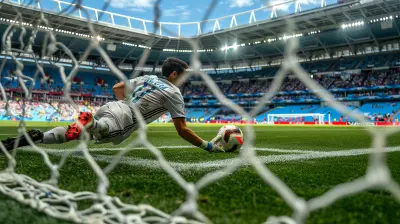
Youth Sports Injuries: What Parents and Coaches Need to Know
17 May 2026
Sports are an incredible part of childhood. They teach kids teamwork, discipline, and resilience. But let’s be real—injuries are a part of the game. Whether it’s a sprained ankle, a pulled muscle, or something more serious, youth sports injuries are common, and as parents and coaches, it’s our job to know how to prevent and manage them.
So, how can we protect our young athletes while still encouraging them to push their limits? Let’s break it down. 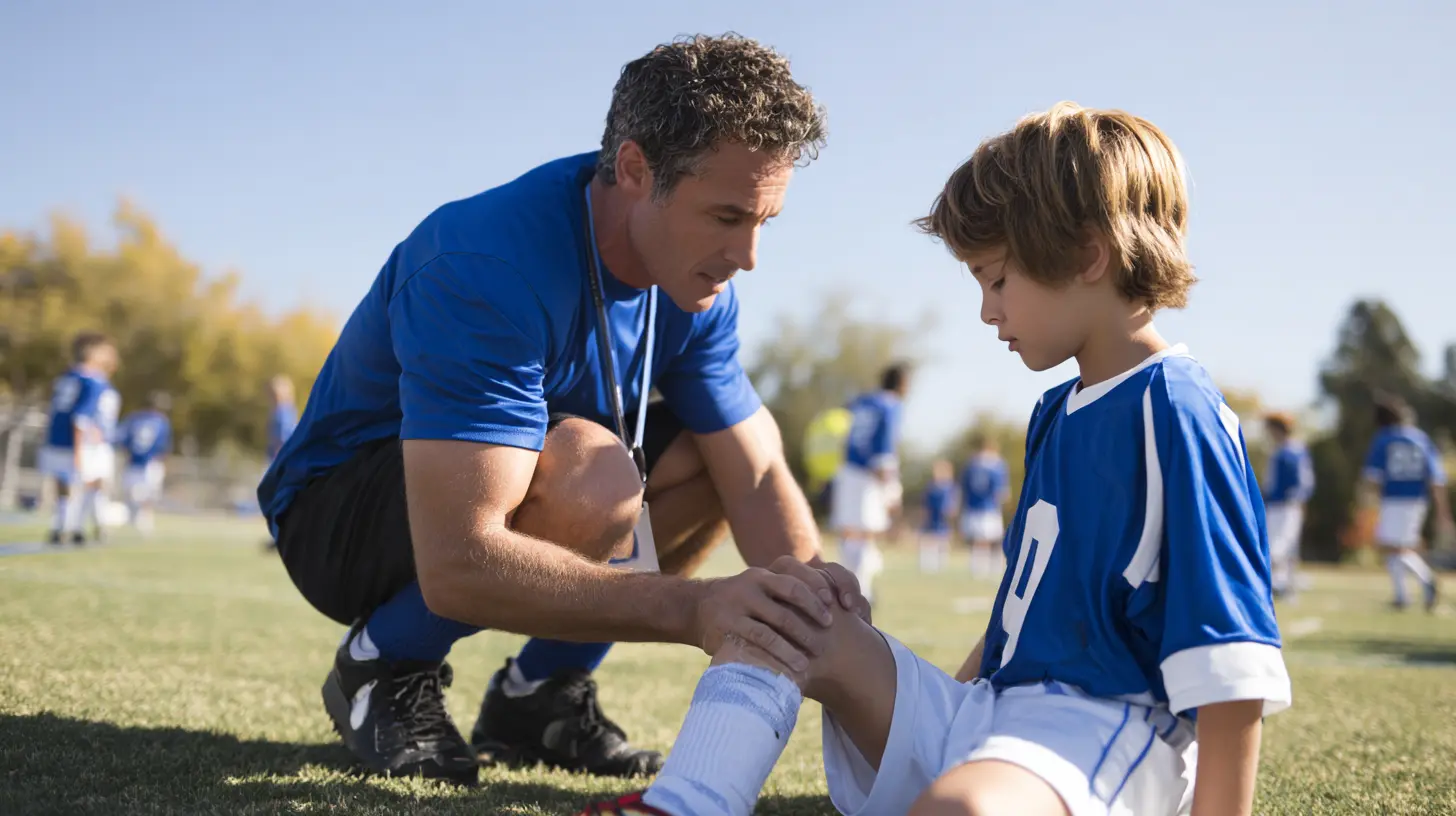
⚽ Why Are Youth Sports Injuries So Common?
Kids aren’t just mini-adults. Their bodies are still growing, which makes them more susceptible to certain types of injuries. Plus, many young athletes are playing sports year-round, increasing the risk of overuse injuries.Here are a few key reasons why injuries happen:
- Growing Bones and Joints – Kids' bones are still developing, making them more fragile. Growth spurts can throw off coordination, too.
- Overuse and Repetition – Playing one sport all year long? That’s a recipe for stress injuries (think stress fractures or tendonitis).
- Poor Conditioning – If kids aren’t properly trained or conditioned for their sport, their muscles and joints aren’t ready for the strain.
- Lack of Proper Equipment – Ill-fitting gear, worn-out shoes, or missing protective equipment can increase injury risks.
- Pushing Too Hard – Sometimes, kids (and their coaches) push limits too far. Fatigue and exhaustion often lead to injuries. 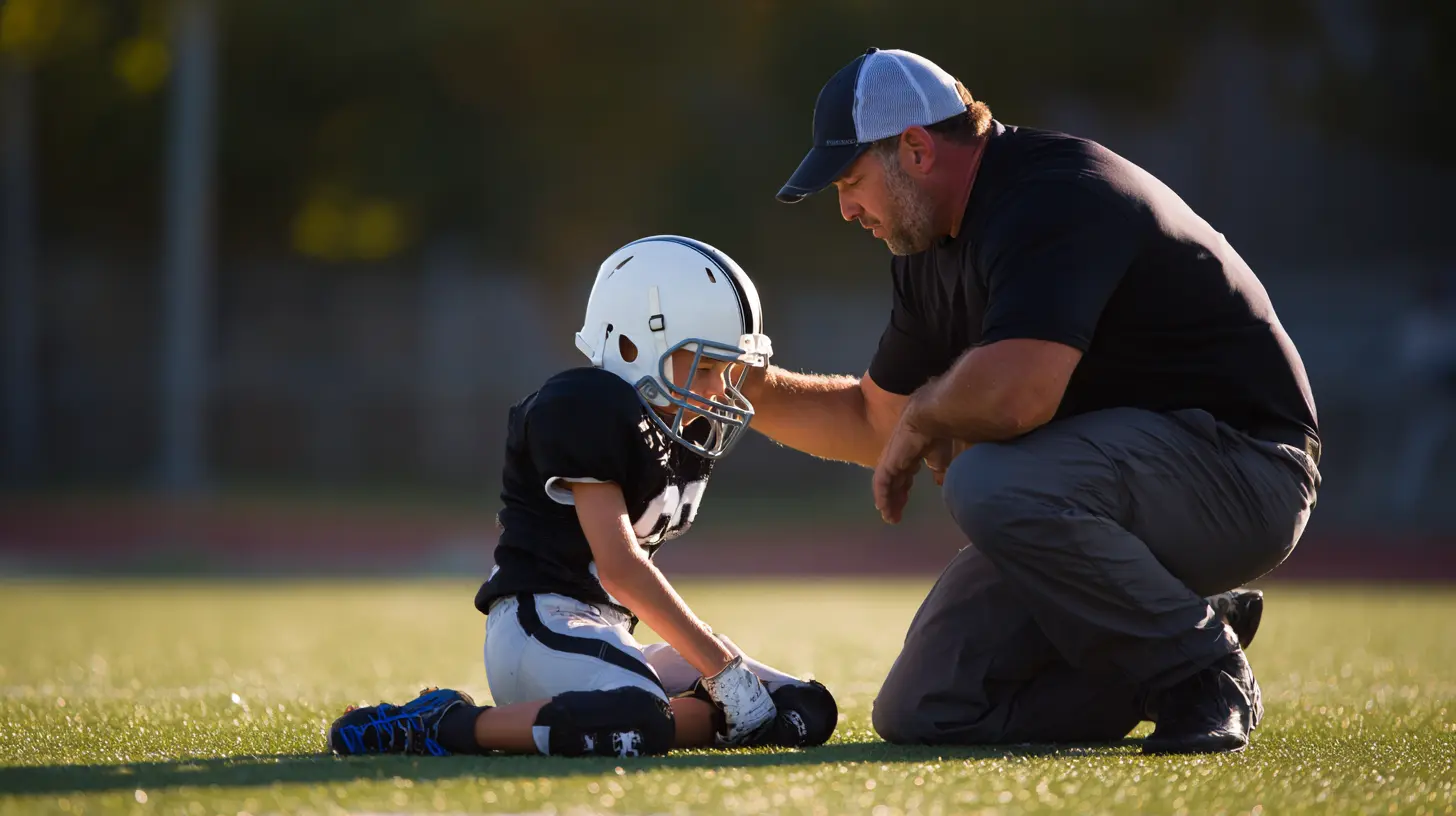
? Common Youth Sports Injuries
Some injuries are minor, while others can be major setbacks. Here are some of the most frequent ones:1. Sprains and Strains
A sprain is when a ligament (the tissue connecting bones) gets overstretched or torn, often in ankles or wrists. A strain, on the other hand, affects muscles or tendons. Both can happen from sudden movements or overuse.2. Fractures (Broken Bones)
Falls, collisions, or direct blows can cause fractures. Kids' bones are weaker than adults’, making them more prone to breaks.3. Growth Plate Injuries
Since kids' bones are still growing, the growth plates (areas of developing cartilage) can get injured, leading to long-term issues if not treated properly.4. Overuse Injuries
Repetitive motions (like pitching a baseball, running, or swimming) can wear down muscles, tendons, and bones over time. Shin splints, stress fractures, and tendonitis are common culprits.5. Concussions
Head injuries are serious. Even a mild concussion can cause headaches, dizziness, confusion, and memory problems. Football, soccer, basketball, and even cheerleading pose risks for concussions.6. Knee Injuries (ACL Tears, Patellar Tendonitis)
The knee takes a lot of impact in sports. ACL tears (common in soccer and basketball) can require surgery and months of recovery.7. Dislocations
A hard fall or collision can cause a bone to be forced out of place—painful and requiring immediate medical attention.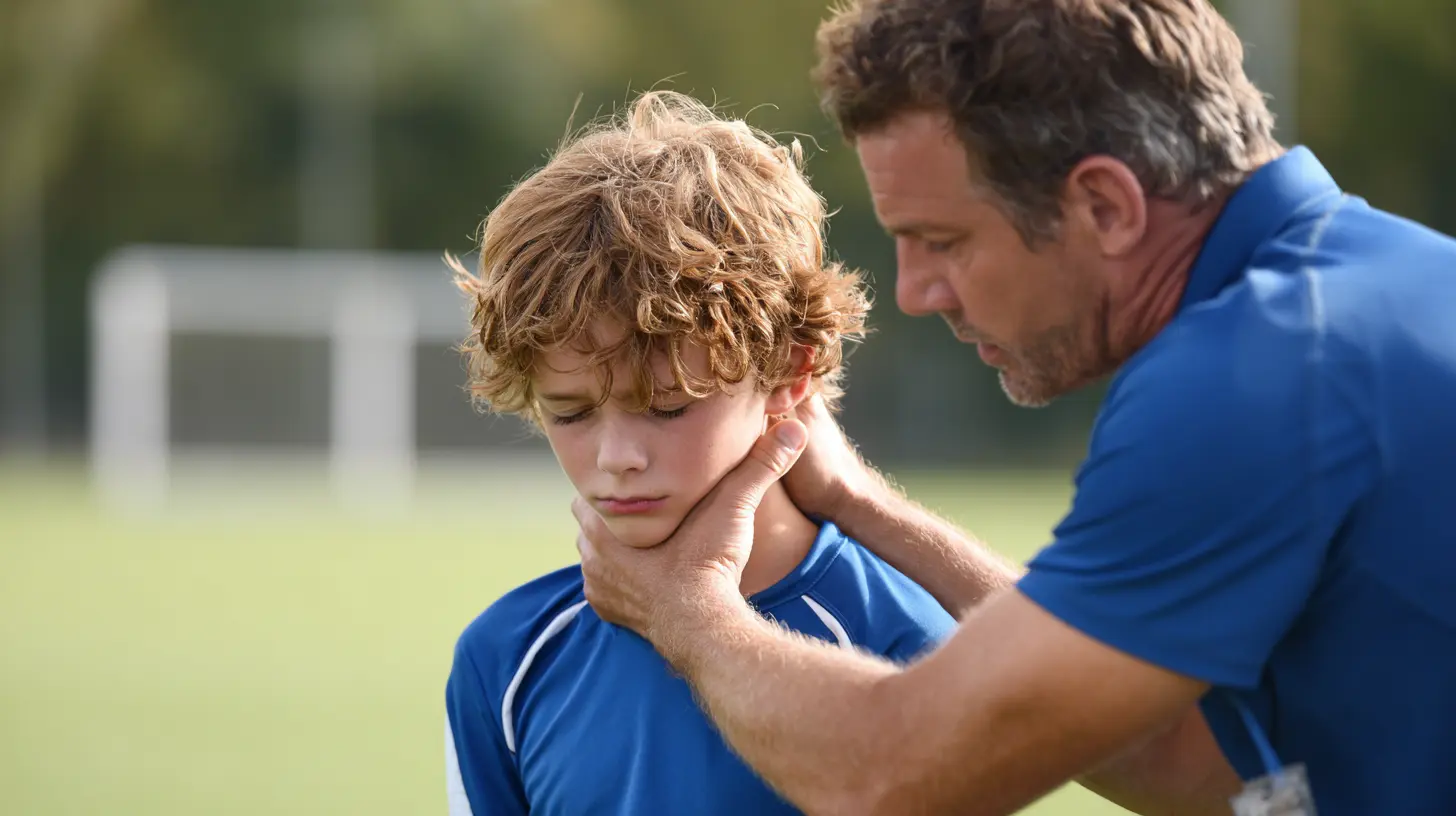
?️♂️ Injury Prevention Strategies
Injuries aren’t 100% avoidable, but they can definitely be reduced. Here are some key ways to keep kids safer on the field or court.1. Prioritize Warm-Ups and Cool-Downs
Jumping straight into action? Bad idea. A good warm-up (stretching, jogging, agility drills) prepares muscles and joints. A cool-down prevents stiffness and soreness.2. Encourage Cross-Training
Playing one sport year-round increases overuse injuries. Encourage kids to switch sports or take breaks. Cross-training (like swimming or yoga) can help build well-rounded strength.3. Make Rest Days Non-Negotiable
Rest is just as important as practice. Overtraining leads to exhaustion and injuries. Kids need at least one or two rest days per week.4. Teach Proper Techniques
Bad form leads to injuries. Whether it’s a baseball pitch, a soccer kick, or a basketball jump shot, teaching the right mechanics reduces strain on the body.5. Ensure the Right Equipment
Proper shoes, helmets, pads, and braces matter. Don’t let kids play with worn-out or ill-fitting gear—it increases injury risks.6. Stay Hydrated and Eat Right
Dehydration leads to muscle cramps and fatigue, making injuries more likely. A balanced diet with enough protein, carbs, and healthy fats supports muscle recovery.7. Listen to Pain—Don't Ignore It
Kids often “play through pain,” but that’s risky. If they complain about ongoing pain, take it seriously. Pain is the body’s way of saying something’s wrong.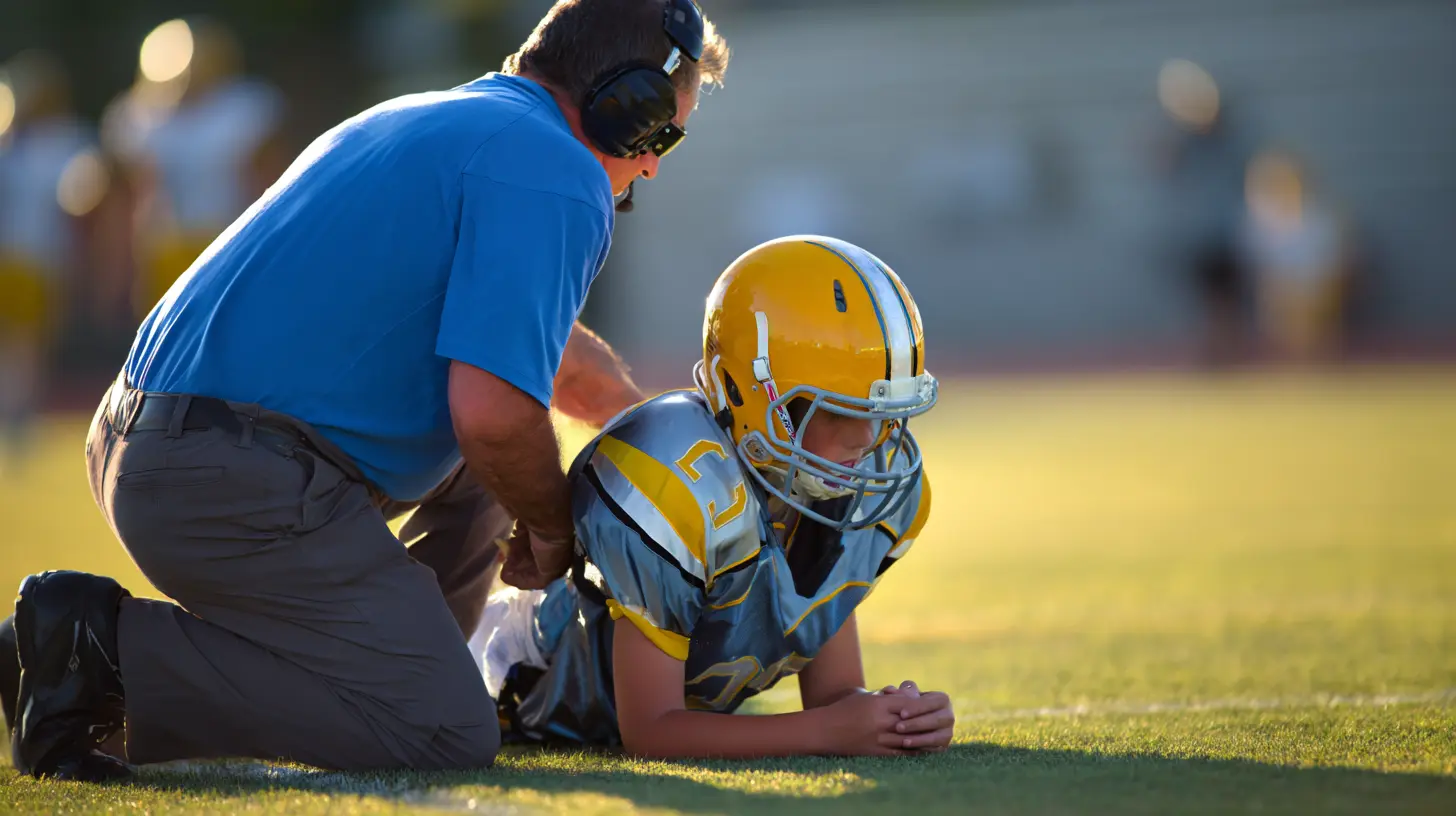
? What to Do When an Injury Happens
Not sure how to handle an injury when it happens? Follow these steps:1. Stop the Activity Immediately
Pushing through can make an injury worse. If a child is limping, holding their arm, or in obvious pain—stop the game or practice.2. Follow the R.I.C.E Method
For minor injuries, use the R.I.C.E method:- Rest – Keep weight off the injury.
- Ice – Apply ice for 15-20 minutes to reduce swelling.
- Compression – Wrap the area with a bandage to provide support.
- Elevation – Keep the injured area raised above the heart level.
3. Seek Medical Help When Needed
If there’s severe pain, swelling, deformity, or inability to move a limb, it’s time for a trip to the doctor. Concussions? Always get medical attention.4. Give It Time to Heal
Rushing back into action leads to re-injury. Follow the doctor’s advice and make sure the child is fully healed before they resume playing.??? The Role of Parents and Coaches
Parents and coaches play a crucial role in keeping young athletes safe.Coaches Should:
✅ Emphasize injury prevention during training✅ Teach proper techniques and mechanics
✅ Encourage hydration and nutrition
✅ Recognize the signs of injuries and take action
✅ Avoid pressuring kids to “tough it out” when hurt
Parents Should:
✅ Ensure kids get enough rest and recovery time✅ Provide proper equipment and nutrition
✅ Communicate with coaches about any concerns
✅ Encourage kids to report pain or discomfort
✅ Be their child’s advocate when needed
? Creating a Healthy Sports Environment
The ultimate goal? Keeping sports fun and safe for kids. If they love the game, they’ll stay active for life. Injuries are a part of sports, but with the right precautions, we can minimize risks and help kids enjoy the benefits without long-term harm.Encourage smart training, proper rest, and open communication. A well-balanced approach ensures that kids not only play their best but stay healthy while doing it.
Let’s keep youth sports a place for growth, learning, and lifelong enjoyment!
all images in this post were generated using AI tools
Category:
Sports MedicineAuthor:

Preston Wilkins
Discussion
rate this article
1 comments
Jennifer McMaster
Beneath the thrill of competition lies a hidden danger. Are we prepared for the silent struggles young athletes face? It's time to take a closer look...
May 22, 2026 at 3:21 AM
Preston Wilkins
You raise an important point. Understanding the mental and emotional challenges young athletes face is crucial. Awareness can make a difference in their overall well-being.