What We Might Learn from the 2027 WNBA Season
15 September 2026
The Women's National Basketball Association (WNBA) has consistently been a trailblazer in professional sports, providing a platform for female athletes to showcase their talent and passion. As we look toward the 2027 season, we can glean several insights about the league's evolution, the players' impact, and the broader implications for women's sports. In this article, we will delve into various aspects of the WNBA, examining what the future may hold and what lessons can be drawn from this dynamic league.

The Growth and Development of the WNBA
A Brief History
Since its inception in 1996, the WNBA has undergone significant changes. From the initial struggles of establishing a fan base to becoming a centerpiece of women's professional sports, the league has made great strides. By 2027, the WNBA may well have reached new heights, both in terms of viewership and cultural relevance.Popularity Surge
The increased visibility of women's sports, particularly in the last few years, has played a crucial role in the league's growth. Factors such as social media, increased media coverage, and the rise of women's college basketball have contributed to a broader audience. As we approach the 2027 season, it is likely that the WNBA will continue to capitalize on these trends, attracting new fans and sponsors.Fan Engagement Strategies
The importance of fan engagement cannot be overstated. As the WNBA has learned, building a loyal fan base involves more than just on-court performance; it requires community involvement, outreach programs, and interactive experiences. The best practices employed by franchises in engaging with their communities can serve as a model for other leagues and organizations.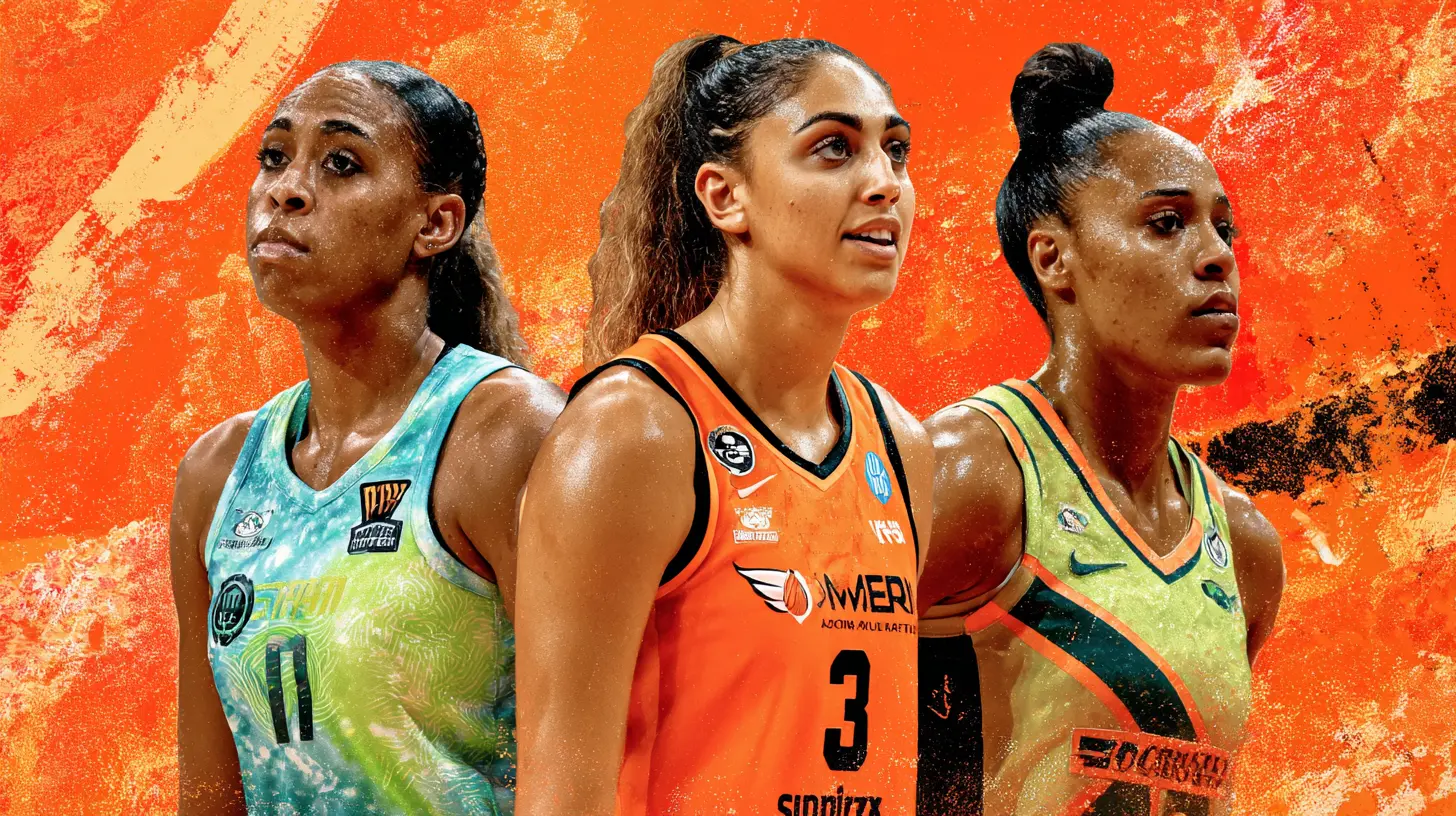
The Evolution of Player Dynamics
Changing Player Roles
One of the most fascinating aspects of the WNBA is the evolution of player roles. As the game has developed, so too have the skills and responsibilities of players. By 2027, we might see a shift towards hybrid players who can excel in multiple positions, reflecting trends in the NBA. This change challenges traditional notions of player specialization and promotes versatility.The Impact of International Talent
The influx of international players has enriched the league's talent pool. As more players from different countries make their mark in the WNBA, we can expect a richer diversity of playing styles and strategies. This international influence not only raises the level of competition but also broadens the appeal of the league across different cultures.Leadership and Mentorship
Veteran players have always played a significant role in shaping the league's future. By 2027, we may observe a more structured mentorship approach, where seasoned athletes take on formal roles to guide newcomers. This knowledge transfer is essential for maintaining the league's competitive edge and fostering a sense of community among players.
Embracing Technology and Analytics
Data-Driven Decision Making
The use of analytics in sports has transformed how teams make decisions, from player recruitment to game strategy. The WNBA is no exception. As we look towards the 2027 season, the integration of data analytics will likely become more sophisticated, helping teams gain a competitive advantage. Coaches and general managers will increasingly rely on data to assess player performance, optimize lineups, and develop game plans.Fan Experience Enhancement
Technology also plays a vital role in enhancing the fan experience. From augmented reality (AR) features that allow fans to engage with players in new ways to advanced statistics available at their fingertips, the WNBA is likely to embrace innovations that make attending games and following the league more interactive and enjoyable.Broadcast Innovations
As media consumption habits evolve, the WNBA will need to adapt by exploring new broadcasting methods. Streaming services, virtual reality (VR) experiences, and personalized content could redefine how fans experience games. By 2027, the league may be at the forefront of broadcasting innovation, setting standards for other sports leagues to follow.
Social Justice and Advocacy
The League's Role in Advocacy
The WNBA has been a vocal advocate for social justice issues, particularly in recent years. As we approach the 2027 season, the league's commitment to these causes will likely deepen. Players leveraging their platforms to address social issues can inspire fans and other athletes, reinforcing the league's role as a progressive force in sports.Corporate Partnerships and Responsibility
Brands and sponsors are increasingly aligning themselves with social causes. The WNBA's partnerships can serve as a model for how sports leagues can engage with corporate sponsors to promote meaningful change. As the league attracts sponsors who share its values, it can amplify its impact on social justice initiatives.Financial Sustainability and Growth
Revenue Streams
Financial sustainability will remain a critical concern for the WNBA. As the league expands its reach, diversifying revenue streams will be essential. This might include merchandise sales, media rights deals, and corporate sponsorships. The strategies employed in 2027 could provide a blueprint for other leagues facing similar challenges.Investment in Infrastructure
Investing in the infrastructure of the league, including arenas and training facilities, is vital for long-term success. By 2027, we may see franchises prioritizing these investments to enhance player performance and fan experience. Understanding the trade-offs between short-term financial gains and long-term growth is crucial for team owners and management.Player Compensation
The conversation around player salaries and benefits has evolved significantly. By 2027, the dialogue may shift towards creating a more equitable compensation structure that reflects the league's growth and profitability. Teams will need to balance financial constraints with the demand for fair player compensation, a challenge that requires careful consideration and planning.
Strategic Team Building
Draft Strategies
The WNBA draft has always been a pivotal moment for franchises. As we approach 2027, teams will need to refine their draft strategies to identify talent that aligns with their long-term vision. This means looking beyond immediate needs and considering the potential impact of a player on team chemistry and culture.Trade Dynamics
Trade strategies will also be critical in shaping rosters. Teams that understand the nuances of trade dynamics, including timing and player value, will be better positioned to build competitive squads. By 2027, we may see a shift in how teams approach trades, emphasizing collaboration and strategic partnerships.Balancing Youth and Experience
Successfully balancing young talent and seasoned players is a delicate act. While youth brings energy and potential, experience is invaluable in high-pressure situations. Teams that effectively manage this balance will likely find success on the court.Building a Strong Community Connection
Local Engagement
Connecting with local communities is essential for any sports franchise. By 2027, the WNBA teams might enhance their community engagement efforts, focusing on building relationships that extend beyond the basketball court. Inclusive and meaningful community initiatives can foster a loyal fan base and create a lasting impact.Educational Programs
The league's commitment to education, particularly in empowering young girls, can serve as a model for other sports organizations. Programs that promote sports participation among youth can create future fans and players, ensuring the sustainability of the league.Celebrating Diversity
Diversity is a powerful asset in sports. The WNBA's focus on celebrating the unique backgrounds and stories of its players can foster a sense of belonging and inspire future generations. As we look forward to 2027, the league's commitment to diversity and inclusion will likely play a crucial role in its identity.
Common Misconceptions
Underestimating the Talent Level
One of the most persistent misconceptions about the WNBA is the underestimation of the players' skills. Some fans still view women's basketball as inferior to the men's game. However, the reality is that the level of talent in the WNBA is exceptionally high, and the league has produced numerous athletes who have excelled at the international level.The Financial Viability of Women's Sports
Another misconception revolves around the financial viability of women's sports. While some may argue that women's leagues struggle to attract sponsorships and media coverage, the growing interest in women's sports suggests otherwise. By 2027, we may see a redefined narrative around the economic potential of women's professional leagues.The Role of Media Coverage
Media coverage has been a double-edged sword. While increased coverage has contributed to the league's growth, it also often perpetuates gender stereotypes. Understanding the complexities of media representation is vital for the WNBA and its stakeholders.Conclusion: The Future of the WNBA
As we look forward to the 2027 WNBA season, the lessons learned from the league's journey are invaluable. From embracing technology to advocating for social justice, the WNBA continues to redefine what it means to be a professional sports league. The challenges and opportunities that lie ahead will shape the future of women's sports and provide a roadmap for other leagues.The key takeaway for fans, players, and organizations alike is the importance of adaptability. The landscape of sports is constantly evolving, and the WNBA's ability to respond to these changes will determine its success in the years to come. Whether through innovative strategies, community engagement, or a commitment to equity, the lessons from the 2027 season will undoubtedly resonate far beyond the basketball court.
all images in this post were generated using AI tools
Category:
Season ExpectationsAuthor:

Preston Wilkins