How New Rules Are Changing the Role of Goalkeepers
9 June 2026
Goalkeeping is no longer just about making incredible saves and commanding the penalty area. The modern game is evolving, and with it, the role of the goalkeeper is changing dramatically. Thanks to new rules and tactical shifts, keepers are now expected to do much more than just stop shots — they must be skilled passers, decision-makers, and even playmakers.
But how exactly are these new rules transforming goalkeepers? Let’s break it down. 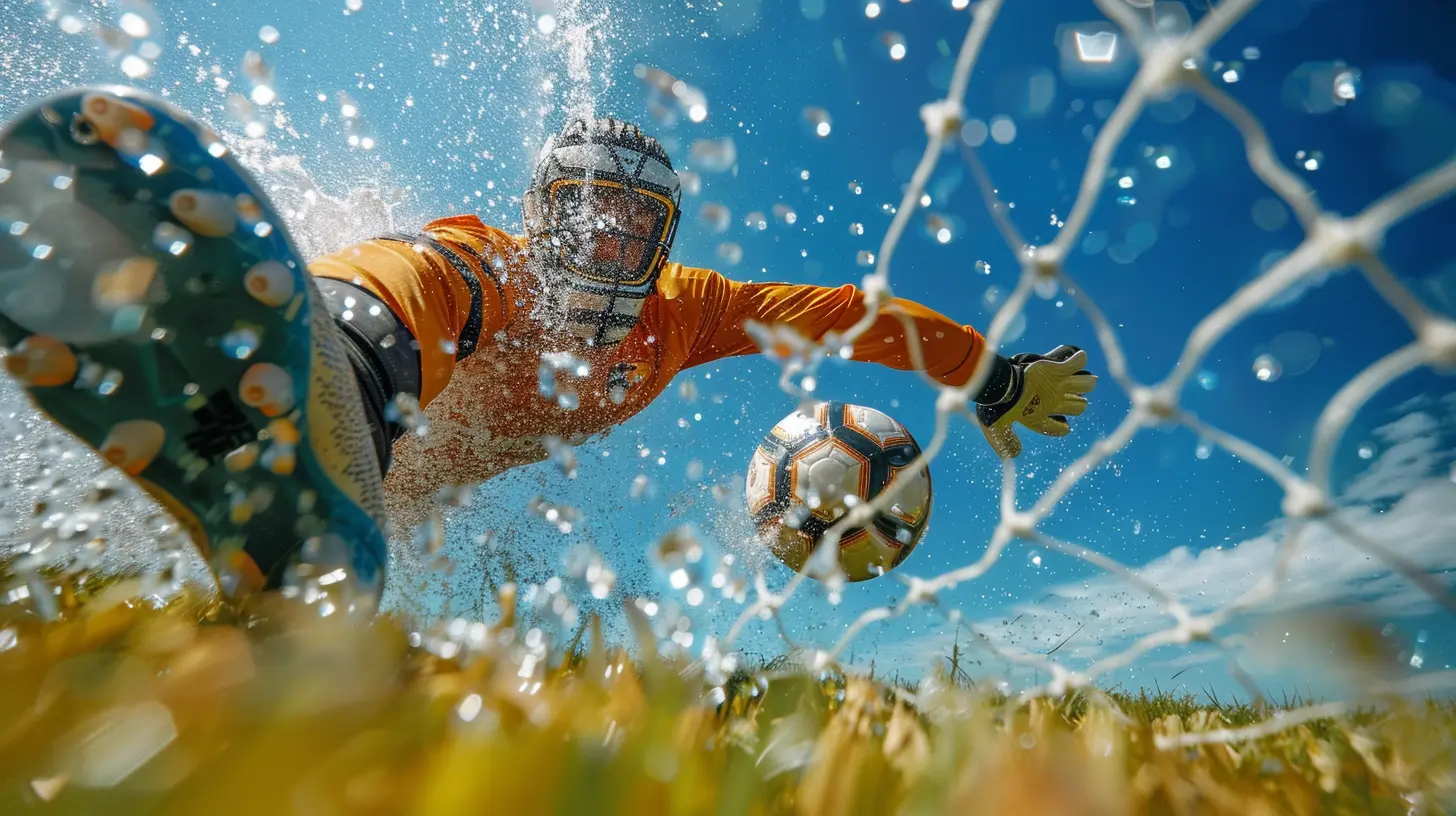
The Sweeper-Keeper Revolution
One of the biggest changes in recent years has been the rise of the sweeper-keeper. Goalkeepers are no longer confined to their six-yard box; they are now expected to be proactive and contribute to their team’s buildup play.Why Is This Happening?
Changes in the rules—especially regarding back-passes and the offside trap—have forced goalkeepers to be more involved in play. The days of simply booting the ball upfield are fading, replaced by intricate passing from the back.With teams pressing aggressively, keepers must be calm under pressure, making split-second decisions with their feet just as much as with their hands.
Impact on Playing Style
Legendary shot-stoppers like Gianluigi Buffon or Oliver Kahn were primarily goal-line defenders. Compare that to today’s goalkeepers like Ederson or Alisson, who are just as comfortable dribbling past a striker as they are pulling off a world-class save.Being good with your feet isn’t just a bonus anymore—it’s a necessity. 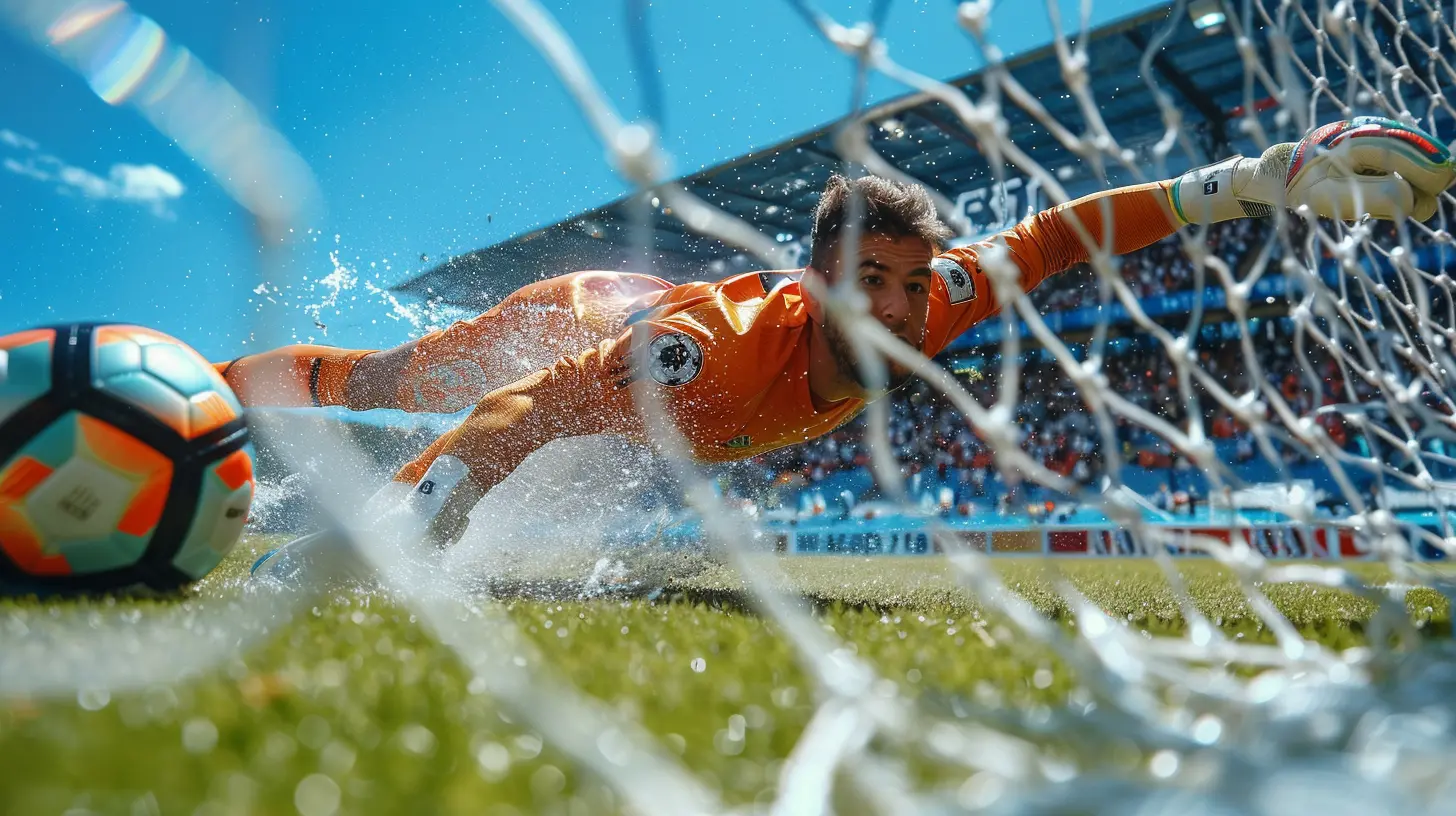
New Rules That Are Reshaping the Position
Several rule changes have played a key role in redefining what it means to be a goalkeeper.1. The Goal Kick Rule Change (2019)
In 2019, FIFA introduced a significant change: goalkeepers could now pass the ball to a teammate inside the penalty box from a goal kick.How Does This Change Things?
- Encourages playing out from the back rather than lumping the ball forward.- Forces goalkeepers to be comfortable passing under pressure.
- Allows teams to build attacks more strategically from deep positions.
This rule has put greater emphasis on a keeper’s ability to distribute the ball intelligently, creating a new layer of responsibility.
2. Stricter Back-Pass Rules
Although the back-pass rule was introduced in 1992, referees have become stricter about goalkeepers using their hands when receiving passes from teammates.What It Means for Goalkeepers
- They must have strong ball control and passing accuracy.- Mistakes can lead to dangerous turnovers or indirect free kicks in the penalty area.
- Goalkeepers can no longer afford to be one-dimensional—they need to think like an outfield player.
3. Time-Wasting Crackdowns
Referees are now cracking down on time-wasting, forcing goalkeepers to restart play more quickly.Effects on Goalkeepers
- Less time means quicker decision-making is essential.- Slow play could lead to a yellow card or even additional stoppage time.
- Goalkeepers need to be mentally sharp and tactically aware at all times.
Coaches now emphasize rapid distribution from goalkeepers to maintain fluency in attack.
4. VAR's Influence on Goalkeeper Positioning
VAR (Video Assistant Referee) has changed how goalkeepers approach penalty kicks.Key Changes
- Keepers must keep at least one foot on the line until the ball is struck.- Goalkeepers used to rely on small forward steps to gain momentum for a dive, but that tactic is now heavily monitored.
- Penalty saves now require better reaction speed rather than just aggressive positioning.
This places even more pressure on goalkeepers to read a penalty taker rather than trying to gain an unfair advantage. 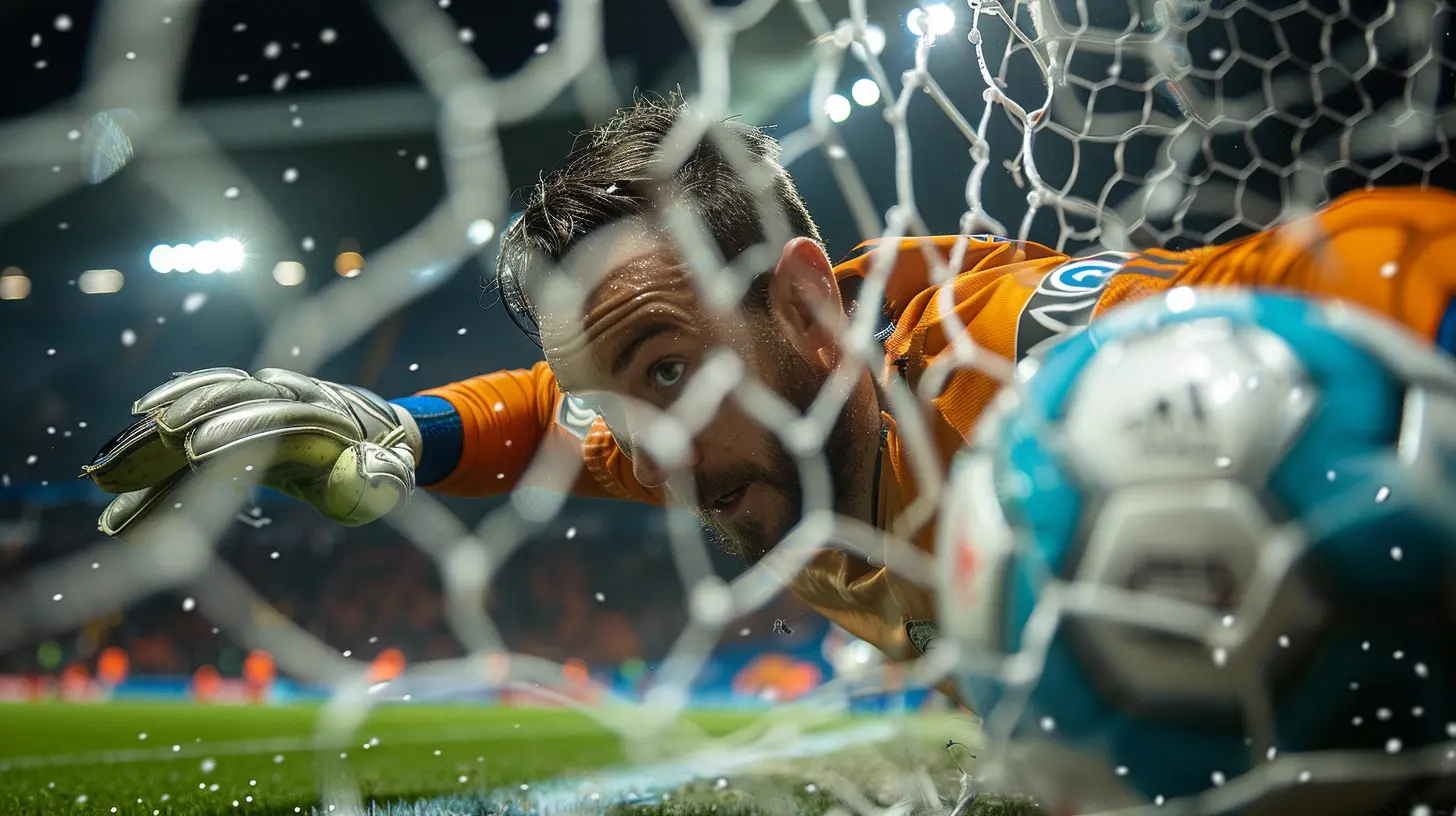
How Goalkeepers Are Adapting
Modern-day goalkeepers are being coached differently. Instead of just shot-stopping drills, training now includes:? Footwork & Passing Drills – Keepers are trained to pass like midfielders.
? Playing Under Pressure – Simulated pressing situations to improve composure.
? Quick Decision-Making – Faster reactions to help initiate counter-attacks.
? Sweeper-Keeper Techniques – Learning to anticipate through-balls and clear danger before it arises.
Those who fail to adapt risk becoming obsolete in today’s fast-paced game. 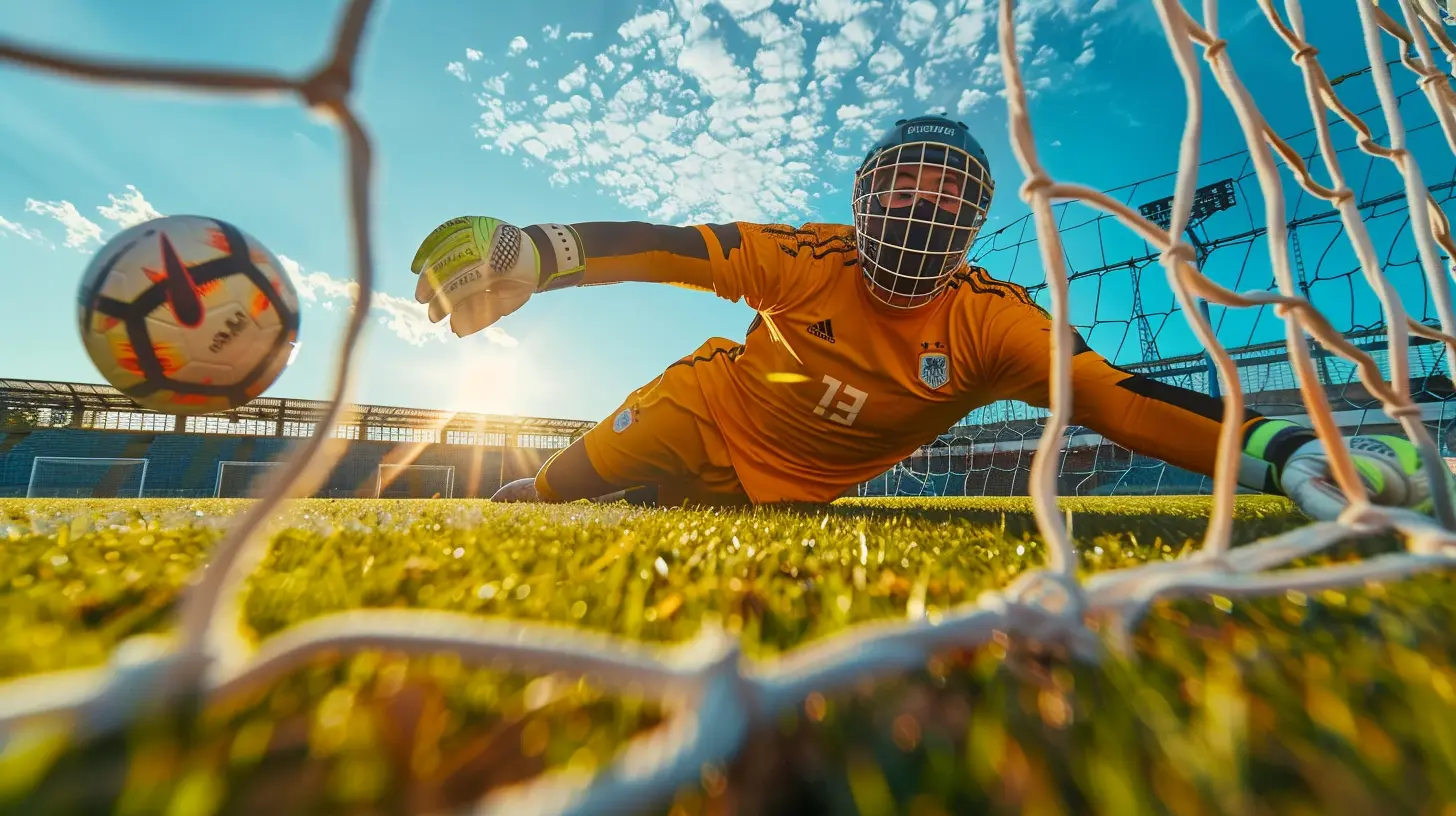
The Mental Game: More Than Just Reflexes
It’s not just about technique; goalkeepers now carry a heavier mental burden too.- They need high game intelligence to read play and position themselves accordingly.
- Decision-making speed has never been more important, given the high-intensity pressing from opponents.
- A single mistake can lead to conceding a goal, so resilience and confidence are crucial.
Modern goalkeepers often act as on-field quarterbacks, directing play and controlling their defense.
Future of Goalkeeping: What’s Next?
As football continues to evolve, don’t be surprised if goalkeepers become even more involved.- More tactical integration – Goalkeepers dictating play like deep-lying playmakers.
- Further rule changes – Potential tweaks to goalkeeping zones or passing restrictions.
- AI & Data-Driven Training – Advanced analytics shaping goalkeeper decision-making.
Could we see a day when goalkeepers routinely score goals? It’s not impossible—just ask Alisson, who scored a dramatic last-minute header for Liverpool in 2021!
Final Thoughts
Gone are the days when goalkeepers were just shot-stoppers. Today, they are playmakers, defenders, and leaders all rolled into one.With new rules demanding more technical skill and tactical awareness, the position has evolved into one of the most challenging roles in football. Goalkeepers must now adapt or risk being left behind.
So, next time you watch a game, pay close attention to the keeper. More than ever, they are shaping the way football is played.
all images in this post were generated using AI tools
Category:
New RulesAuthor:

Preston Wilkins
Discussion
rate this article
1 comments
Romina McGrath
Goalkeepers are officially the new trendsetters of the pitch. With all these new rules, they might as well start giving fashion advice. I can see it now: "Save in style, folks. It's a whole new ball game!
June 18, 2026 at 11:39 AM
Preston Wilkins
Absolutely! Goalkeepers are not just shot stoppers anymore; they're leading the way in style and strategy. It's an exciting time for the position. Save in style, indeed!