How to Choose the Right Weightlifting Belt for Your Workouts
23 December 2025
If you’ve ever stepped foot in a gym and wandered into the free weights area, chances are you've seen someone strapping a thick belt around their waist before going in for a big lift. Maybe you've even thought, "Do I need one of those?" or "What’s that belt even doing?" You're not alone. Weightlifting belts can be confusing, especially with all the options on the market. But the truth is, choosing the right weightlifting belt can make a world of difference in your training—if you know what to look for.
In this guide, I’ll walk you through everything you need to know about picking the perfect weightlifting belt for your workouts. No fluff, no jargon—just real talk to help you lift safer and stronger.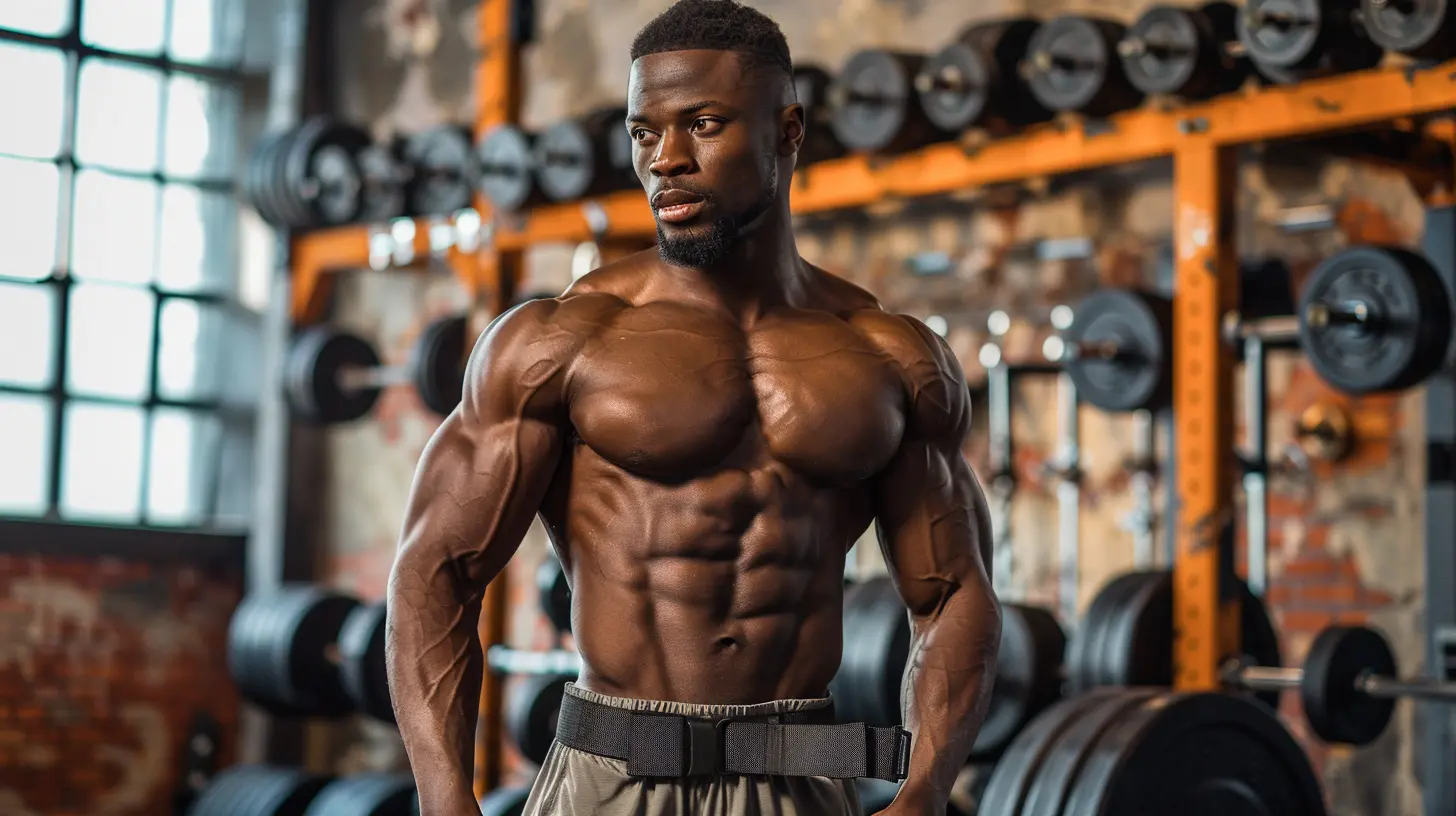
What a Weightlifting Belt Actually Does (and Doesn't Do)
Let’s clear up one thing first: a weightlifting belt isn't some magical tool that instantly boosts your strength. It’s not going to lift the weight for you. What it does do is help brace your core by increasing intra-abdominal pressure. Think of it like giving your midsection a solid wall to push against during heavy lifts.This added support can help:
- Improve posture and form during lifts
- Reduce stress on the lower back
- Increase stability, especially in compound lifts
But here’s the kicker—it only works if you use it correctly and for the right exercises.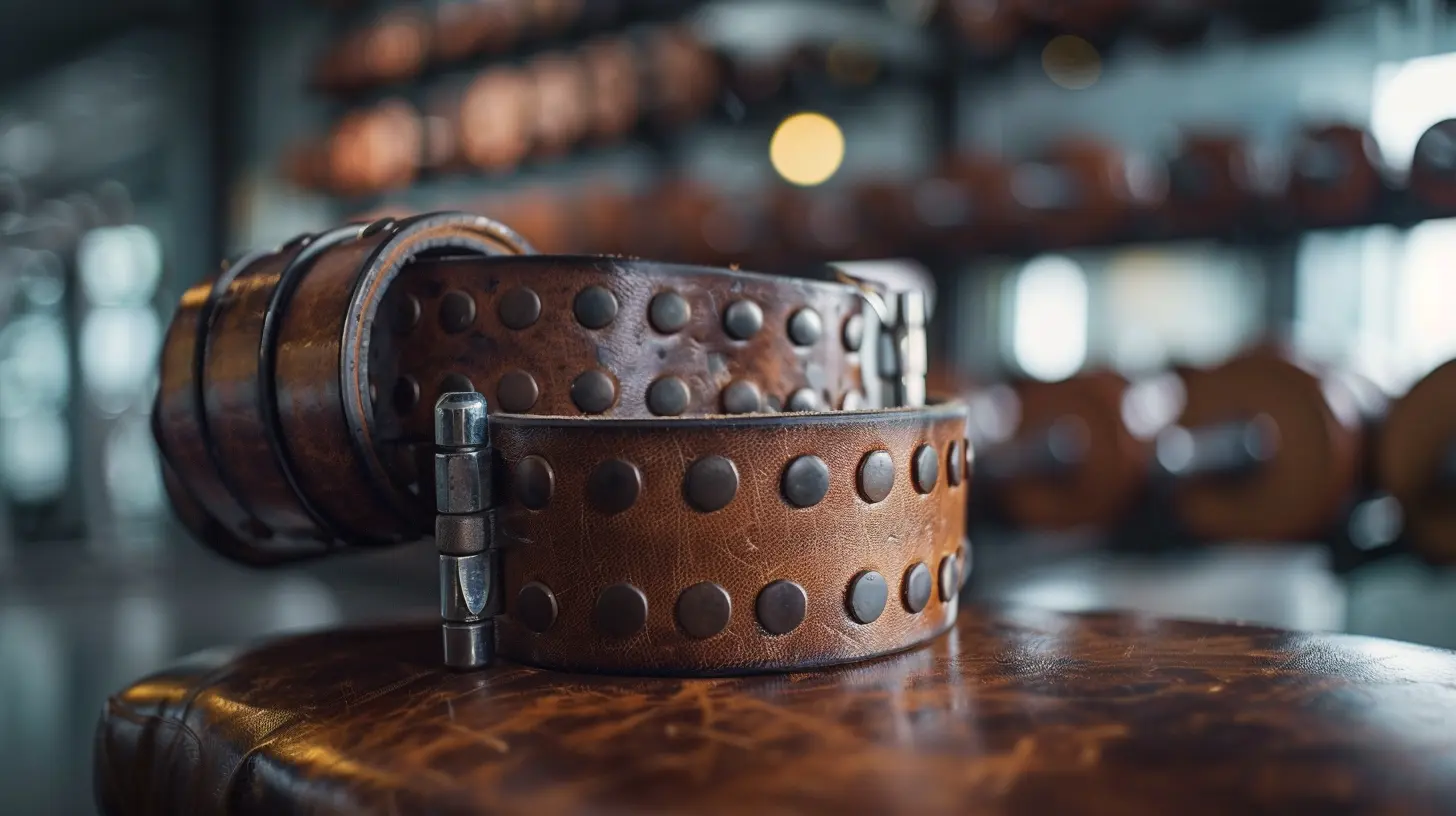
You Don’t Need a Belt for Every Workout
Yup, you read that right. Wearing a belt during every workout—or worse, every set—isn’t just unnecessary; it might even slow down your progress. Why? Because over-reliance on a belt can keep your core from developing the strength it needs to support you naturally.You should only reach for your belt when:
- You’re lifting heavy (typically 80-90% of your 1-rep max)
- You’re doing compound lifts like squats, deadlifts, or overhead presses
- Your form is already solid and you need extra support—not a crutch
The belt is a tool, not a shortcut.
Types of Weightlifting Belts: What’s What?
Let’s break down the most common types of weightlifting belts you’ll come across. Not all belts are created equal, and the right one for you depends on your training style, goals, and comfort.⏺ Powerlifting Belts
Powerlifting belts are thick, stiff, and uniformly wide (usually 4 inches all the way around). They look kind of like a leather corset for lifters.Best For: Squats, deadlifts, and other heavy, low-rep power movements.
Pros:
- Maximum support
- Durable and long-lasting
- Increases intra-abdominal pressure
Cons:
- Less comfortable
- Takes time to break in
- Can restrict movement
These are the go-to for serious strength athletes. If you're chasing PRs in your big lifts, this is your belt.
⏺ Olympic Weightlifting Belts
These belts are usually tapered—wider in the back, narrower in the front—allowing more movement while still offering support.Best For: Olympic lifts like the clean and jerk or snatch—basically, anything that requires explosive movement and a bit more mobility.
Pros:
- More freedom to move
- Still offers good support
- Comfortable to wear
Cons:
- Less uniform pressure
- Might not offer enough rigidity for super-heavy lifts
If you’re into CrossFit or Olympic lifting, this style might suit you better than a rigid powerlifting belt.
⏺ Bodybuilding Belts
These belts focus more on comfort and general core support. They’re often padded and designed to offer light to moderate stability.Best For: General strength training, bodybuilding-style workouts, machines, and accessory work.
Pros:
- Comfortable
- Easy to wear for long sessions
- Affordable
Cons:
- Minimal support for max lifts
- Not ideal for serious heavy lifting
These are more of a “training wheel” belt, perfect for beginners or light to moderate training days.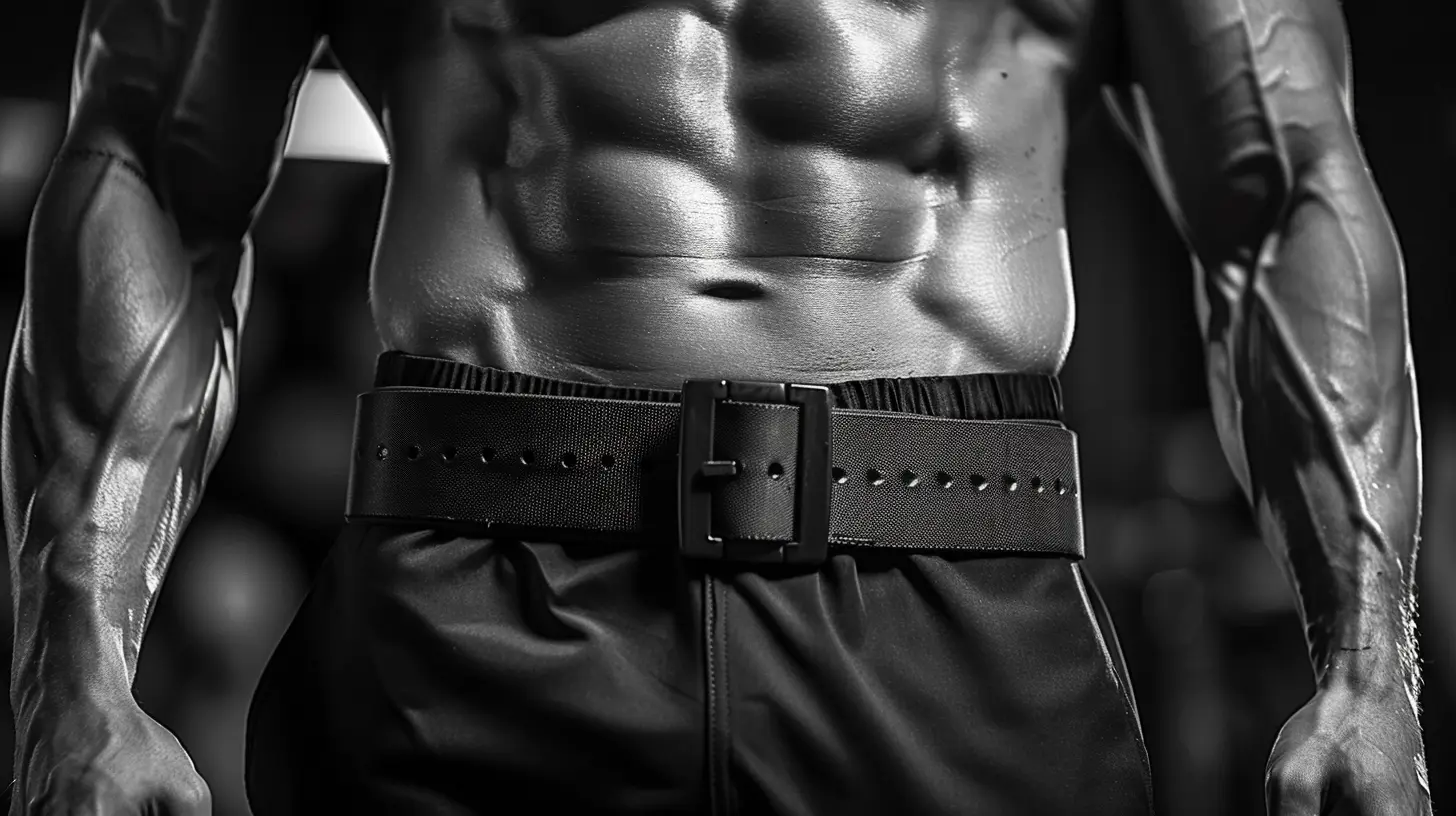
Material Matters: Nylon vs. Leather
Okay, so you’ve picked the style—but what should your belt be made of? Again, it depends on your goals and how you like to train.✅ Leather Belts
Leather belts are often preferred by experienced lifters who want maximum support and durability.Pros:
- Extremely sturdy
- Long-lasting
- Offers consistent support
Cons:
- Takes time to break in
- Can be uncomfortable at first
- Usually more expensive
✅ Nylon Belts
Nylon belts are lighter, more flexible, and super popular among functional fitness athletes.Pros:
- Comfortable and lightweight
- Easier to adjust
- Great for CrossFit or HIIT
Cons:
- Less support
- Can wear out faster
- May not be ideal for super heavy lifts
If you’re bouncing around between lifts and cardio, or just don’t like the feel of stiff leather, nylon might be your best bet.
Buckle Types: It’s Not Just Aesthetic
You might think the buckle is just a closure method, but it actually affects fit and safety quite a bit.🔒 Lever Buckles
These lock in tight and are super easy to use once adjusted. Ideal for serious powerlifters.Pros:
- Fast to get on and off
- Very secure
- Great for heavy lifting
Cons:
- Not adjustable on the fly
- Usually requires tools to reposition
🔒 Prong Buckles
Either single or double prong, these work like a traditional belt.Pros:
- Adjustable
- Reliable and secure
- Widely available
Cons:
- Slower to put on and take off
- Can be tough to cinch tight
🔒 Velcro Belts
Perfect for quick workouts, especially in functional fitness or high-mobility training.Pros:
- Lightweight and comfy
- Super quick to adjust
- Great for speed training or WODs
Cons:
- Velcro can wear out over time
- Not as secure under max loads
Choose based on how often you’ll adjust the belt and how important a snug fit is for your training.
Key Features to Look For
When trying on or shopping for a belt, keep an eye out for these must-haves:- Width: Ideal belts are around 4 inches. That’s the sweet spot for support without being too bulky.
- Thickness: Anywhere from 10mm to 13mm is standard for leather belts. Thicker belts offer more support, but can feel restrictive.
- Fit: The belt should be tight, but not crushing. You should be able to brace your core without gasping for breath.
- Build Quality: Look for reinforced stitching, quality materials, and reputable brands. Cheap belts stretch out or worse—snap under pressure.
How to Measure for the Perfect Fit
Don’t just go by waist size. A lifting belt doesn’t sit where your jeans do. Measure the circumference around your belly button area, where the belt will sit during lifts.Then, check the sizing chart provided by the brand. Each manufacturer has slightly different guidelines, so double-check before hitting "Add to Cart".
And remember—belts aren’t one-size-fits-all. A good fit is key to seeing the actual benefits.
When and How to Use the Belt During Training
Okay, so you’ve bought your dream belt. Now what?Use the belt only during heavy compound lifts or max-effort sets. This includes:
- Squats
- Deadlifts
- Overhead presses
- Power cleans or snatches (if you're trained in Olympic lifting)
Here’s the correct way to wear it:
1. Position the belt just above your hip bones, around the core.
2. Tighten it enough to brace, but not so much that it inhibits your breathing.
3. Take a deep breath into your stomach (not your chest) to press against the belt and generate intra-abdominal pressure.
4. Lift!
That’s it. Don’t wear it while benching, curling, or hitting the treadmill. It’s not a fashion statement—it’s functional gear.
Common Mistakes to Avoid
Let’s run through some rookie mistakes you’ll want to dodge:- Wearing a belt too early in your lifting journey before developing solid form.
- Using it for every lift, especially isolation exercises.
- Wearing it too loose or too tight, which defeats the whole purpose.
- Neglecting your core training, thinking the belt will do all the work.
A belt should enhance, not replace, proper form and core strength.
Is a Weightlifting Belt Worth It?
Short answer? If you’re lifting heavy and want to protect your back, yes—especially once your form is dialed in.Long answer? It depends on your goals. If you’re just getting into fitness or doing mostly machines and cardio, a belt might not offer much value right now. But if you plan to squat, pull, and press serious weight? You’ll want one in your gym bag soon.
Final Thoughts
Choosing the right weightlifting belt doesn’t have to be a mystery. Think of it like choosing the right shoes—comfortable, supportive, and tailored to the job. Whether you're a powerlifter, CrossFitter, or someone just trying to avoid tweaking your back, the right belt can give you that edge of confidence while keeping your body safe.Just remember, the belt doesn’t lift the weight—you do. Pick the right one, use it smartly, and let it support your hard work—not replace it.
all images in this post were generated using AI tools
Category:
Sports EquipmentAuthor:

Preston Wilkins
Discussion
rate this article
2 comments
Emmeline Sheppard
Prioritize fit and support; the right belt enhances performance significantly.
January 25, 2026 at 12:51 PM
Preston Wilkins
Absolutely! A well-fitting and supportive belt can greatly improve your lifting performance and safety.
Jack Hardy
Great insights in this article! Choosing the right weightlifting belt can really make a difference in performance and safety. I appreciate the emphasis on personal fit and comfort. It’s a reminder that what works for one may not work for another. Thanks for sharing these valuable tips!
December 27, 2025 at 4:53 AM
Preston Wilkins
Thank you for your kind words! I'm glad you found the tips helpful. Personal fit is indeed key to maximizing performance and safety. Happy lifting!