Rehabilitation Exercises for Athletes Recovering from Surgery
14 May 2026
Recovering from surgery as an athlete can feel like fighting against the tide. You're used to movement, pushing limits, and striving for excellence—so being sidelined isn't easy. But the good news? With the right rehabilitation exercises, you can come back stronger, faster, and more confident than ever.
This guide walks you through the best rehabilitation exercises to rebuild strength, restore mobility, and get back to peak performance. 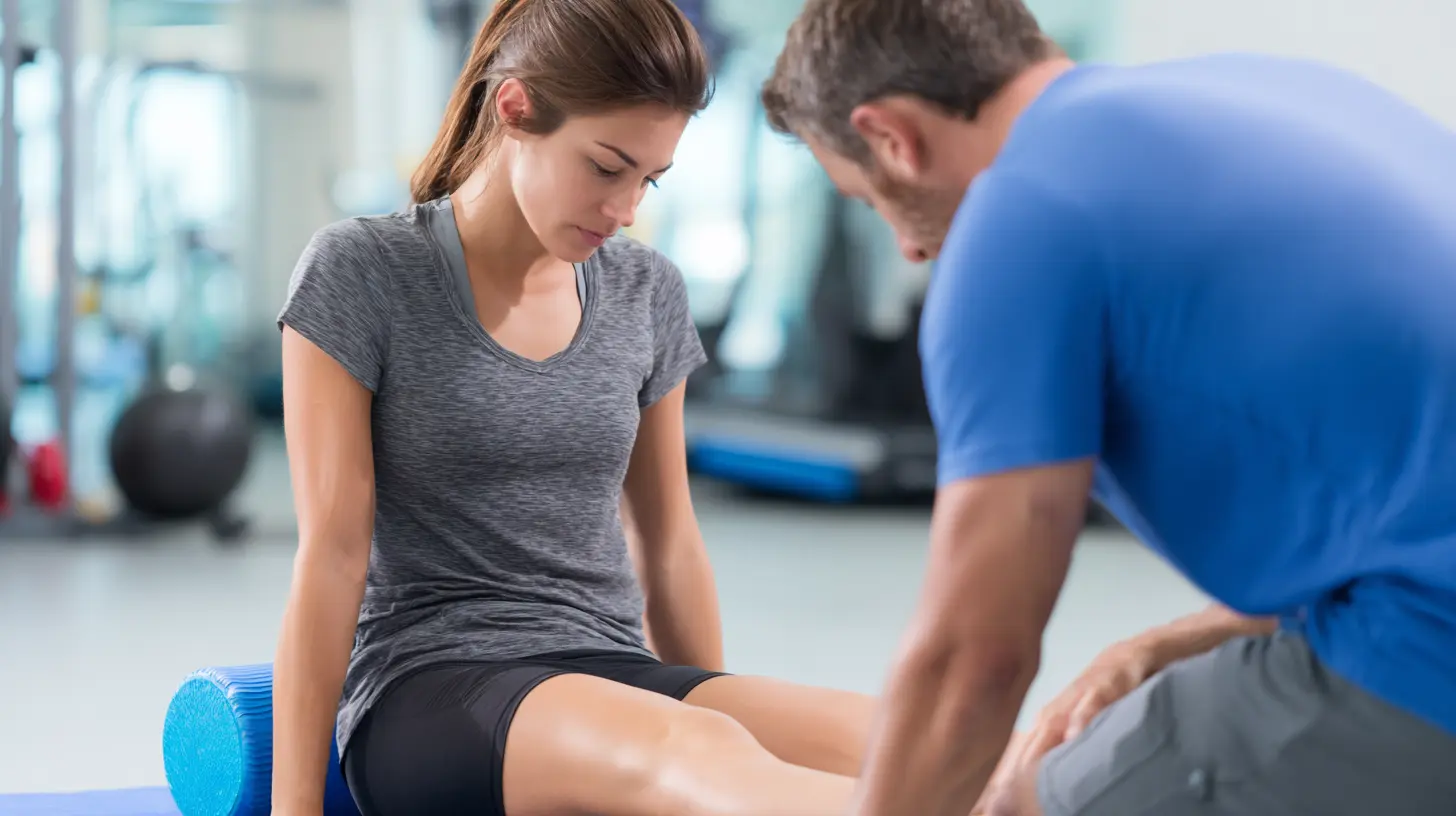
Why Rehabilitation Is Crucial for Athletes
When an athlete undergoes surgery—whether it's for an ACL tear, rotator cuff injury, or a fracture—the body needs time to heal. But rest alone isn’t enough. Without proper rehab exercises, you risk losing muscle mass, flexibility, and coordination.Here’s why rehab plays a vital role:
- Restores strength – Surgery weakens muscles, and without focused work, they may never fully regain their former power.
- Improves flexibility – Joints and tendons stiffen during recovery. Stretching and mobility drills are key.
- Prevents re-injury – Jumping back into intense training too soon increases the risk of setbacks. Rehab helps you ease in safely.
- Rebuilds confidence – Injury can take a mental toll. Gradual progress through rehabilitation reassures you that you’re on the right path.
Now, let's get into the specific exercises that can help you recover and reclaim peak performance. 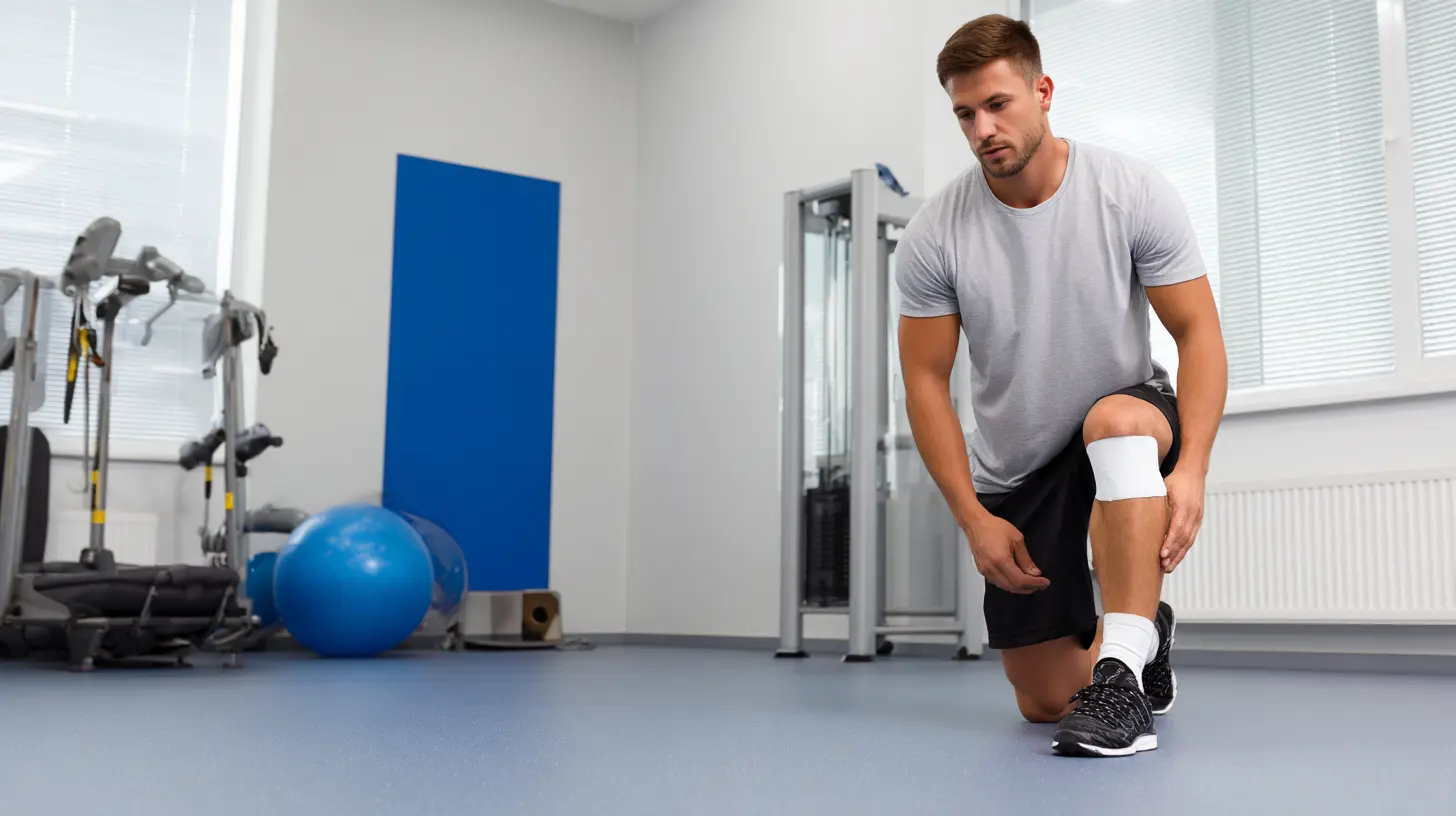
Phase 1: Early Recovery (The First Few Weeks After Surgery)
At this stage, the focus is on gentle movement, reducing stiffness, and preventing muscle atrophy. Your body is healing, so low-impact exercises are key.1. Passive Range of Motion (PROM) Exercises
These movements help restore joint mobility without straining the muscles. Often, a physical therapist assists with these to ensure safe movement.Example: If you've had knee surgery, a therapist may carefully bend and straighten your knee while you’re lying down to maintain flexibility.
2. Isometric Exercises
Isometric movements involve contracting a muscle without actually moving the joint. They help activate muscles gently without putting stress on the surgical site.Example:
- After knee surgery, you can do quad sets—tighten the quadriceps while keeping the leg straight and hold for a few seconds.
- If recovering from a shoulder injury, try shoulder squeezes—pull your shoulder blades together without raising your arms.
3. Ankle Pumps and Circles (For Lower-Body Injuries)
Keeping the blood flowing is crucial post-surgery, especially if you've been immobilized. Simple movements like ankle pumps can help prevent blood clots and reduce swelling.How to do it:
- Point your toes forward, then bring them back toward your shin.
- Rotate your ankles in circles to maintain mobility. 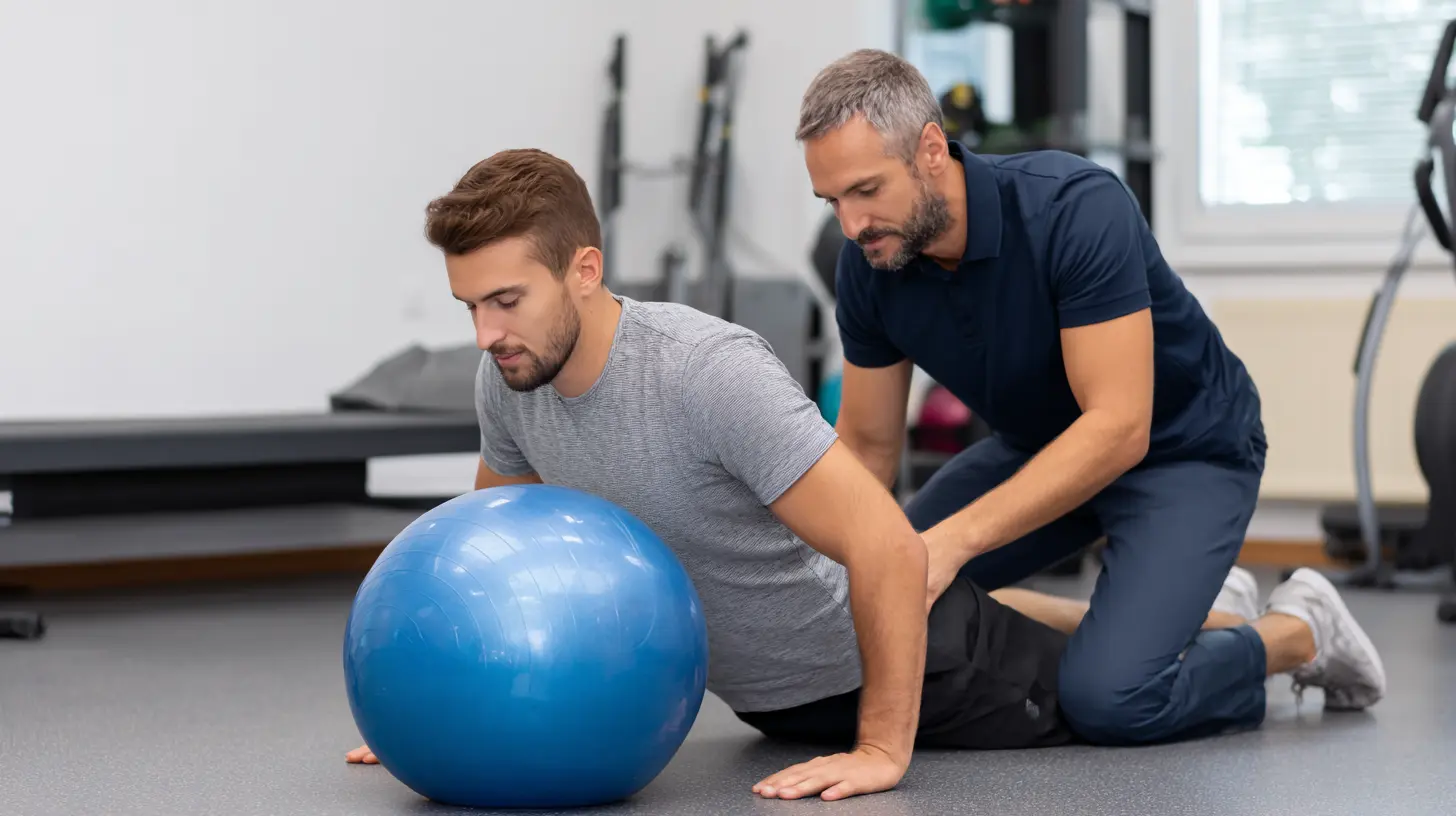
Phase 2: Intermediate Recovery (4-6 Weeks Post-Surgery)
Once the initial healing phase is over, it's time to incorporate light resistance exercises and controlled movements that start rebuilding strength.4. Resistance Band Exercises
Resistance bands are fantastic for safe, progressive strengthening without putting too much strain on recovering muscles and joints.Examples:
- Shoulder injuries: External and internal rotations using a resistance band.
- Knee surgeries: Seated leg extensions with a band around your foot.
- Ankle injuries: Ankle dorsiflexion using a resistance band.
5. Stationary Cycling
If your injury allows, cycling on a stationary bike is an excellent way to improve cardiovascular fitness and restore joint mobility without putting too much pressure on your limbs. Start with no resistance and gradually increase as tolerated.6. Core Strengthening
A strong core is essential for balance, stability, and overall athletic performance. Start incorporating gentle core exercises, as they indirectly support recovering limbs.Safe core exercises to begin with:
- Pelvic tilts – Engages deep core muscles without stressing the back.
- Seated torso twists – Improves mobility in a controlled manner. 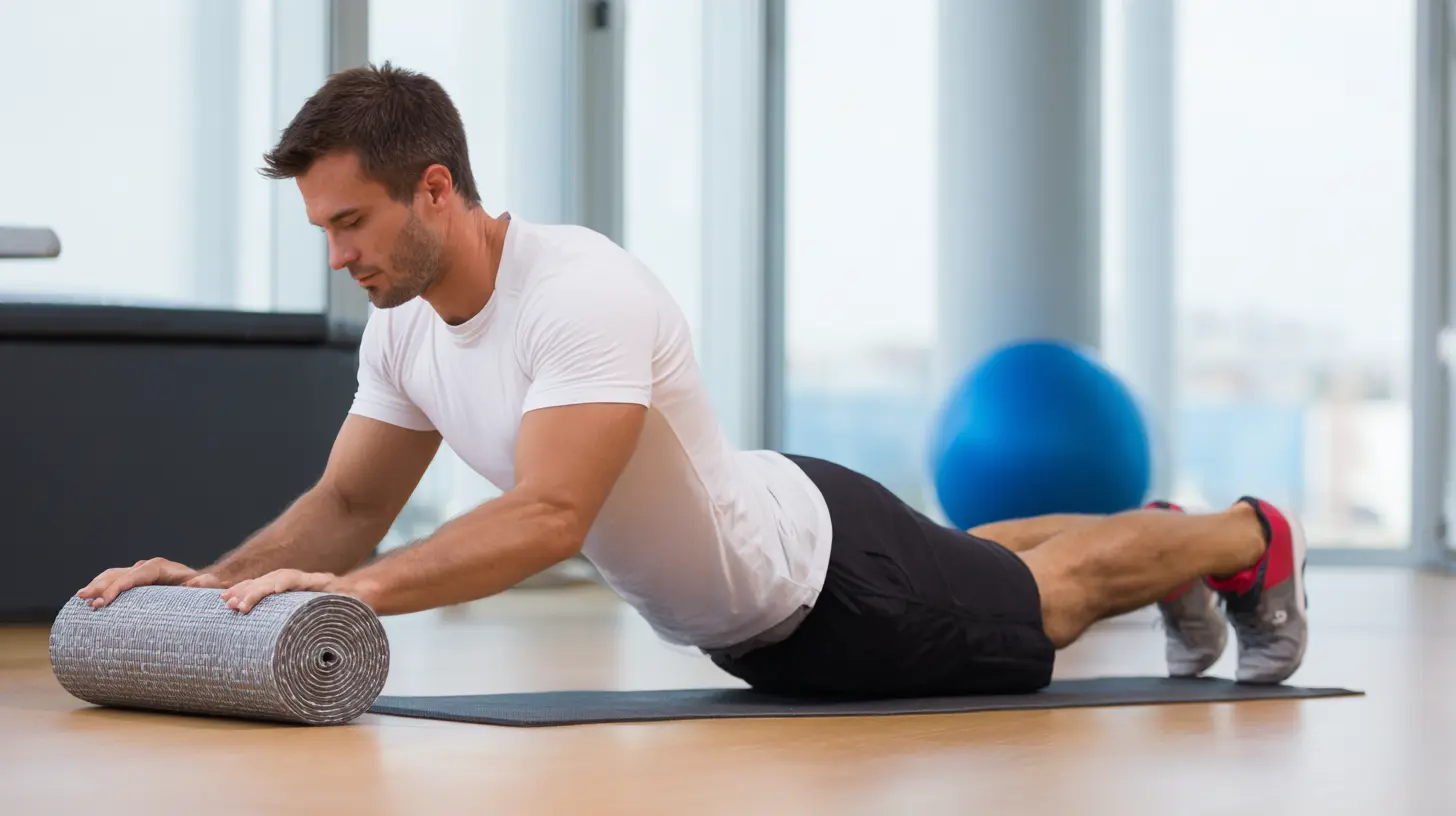
Phase 3: Advanced Recovery (6-12 Weeks Post-Surgery)
At this point, the goal is to regain functional movement and prepare for sport-specific activities. Exercises become more dynamic, but proper form is still critical.7. Bodyweight Strength Exercises
Once your doctor or physical therapist clears you for weight-bearing movements, start incorporating bodyweight exercises.Examples:
- Squats (for lower-body injuries) – Start with wall-supported squats, then progress to air squats.
- Push-ups (for upper-body injuries) – Modify by doing them on your knees or against a wall if necessary.
- Lunges – Helps restore balance and unilateral strength.
8. Proprioception & Balance Training
After an injury, the brain needs to relearn how to coordinate movements. Balance exercises help restore neuromuscular control, reducing the risk of future injuries.Great balance drills:
- Single-leg stands – Stand on the injured leg and hold for 10-30 seconds.
- Bosu ball exercises – Try standing on a Bosu ball to improve stability.
9. Light Plyometric Drills
If your body is responding well to strength training, you can start low-impact plyometric exercises to prepare for explosive movements in sports.Examples:
- Mini box jumps – Jump onto a low platform while focusing on soft landings.
- Jump rope – A great way to reintroduce quick, controlled movement.
Phase 4: Return to Full Sport-Specific Training (3-6 Months Post-Surgery)
By now, you've regained a lot of strength and mobility. The focus shifts to sport-specific drills and rebuilding endurance.10. Agility Drills
Athletes in sports requiring quick direction changes (like soccer or basketball) should start incorporating cone drills, ladder drills, and shuttle runs.11. Sport-Specific Strength Training
This phase involves returning to weightlifting, explosive training, and endurance workouts specific to your sport.Examples:
- Sprinters: Sprint drills combined with weight training.
- Basketball players: Jump training and lateral drills.
- Swimmers: Resistance band training and pool workouts.
12. Mental Training & Confidence Building
Recovery isn’t just about the body—it’s about the mind too. Many athletes struggle with fear of re-injury.Ways to regain confidence:
- Visualization techniques – Imagine yourself performing at full capacity.
- Gradual exposure – Ease back into competition settings, starting with non-contact drills.
- Support system – Work with coaches, therapists, and teammates who encourage you.
Final Thoughts
Recovering from surgery isn’t just about waiting—it’s about taking an active role in your rehab journey. By following the right progression of exercises, you can rebuild strength, mobility, and the confidence needed to get back in the game.No two recoveries are the same, so always listen to your body, stay patient, and consult with medical professionals to ensure you're on the safest path to recovery. Before you know it, you'll be back doing what you love—stronger than ever!
all images in this post were generated using AI tools
Category:
Sports MedicineAuthor:

Preston Wilkins
Discussion
rate this article
1 comments
Melina Torres
Rehab is like a superhero origin story. One minute you're on the sidelines, the next you're back in action, stronger, faster, and ready to conquer the world!
May 14, 2026 at 3:47 AM