How Youth Talent Is Changing the NHL Landscape in 2026
7 October 2026
The NHL has always been a league that rewards patience. For decades, the accepted wisdom was that a first-round pick needed three or four years of seasoning in junior, college, or the AHL before he could be trusted with meaningful minutes. That timeline has collapsed. In 2026, teenagers are not just surviving in the league, they are reshaping how organizations build rosters, how coaches deploy lines, and how fans evaluate the value of a draft pick. The shift is not a single trend. It is a structural change with real consequences for teams, players, and the economics of the sport.
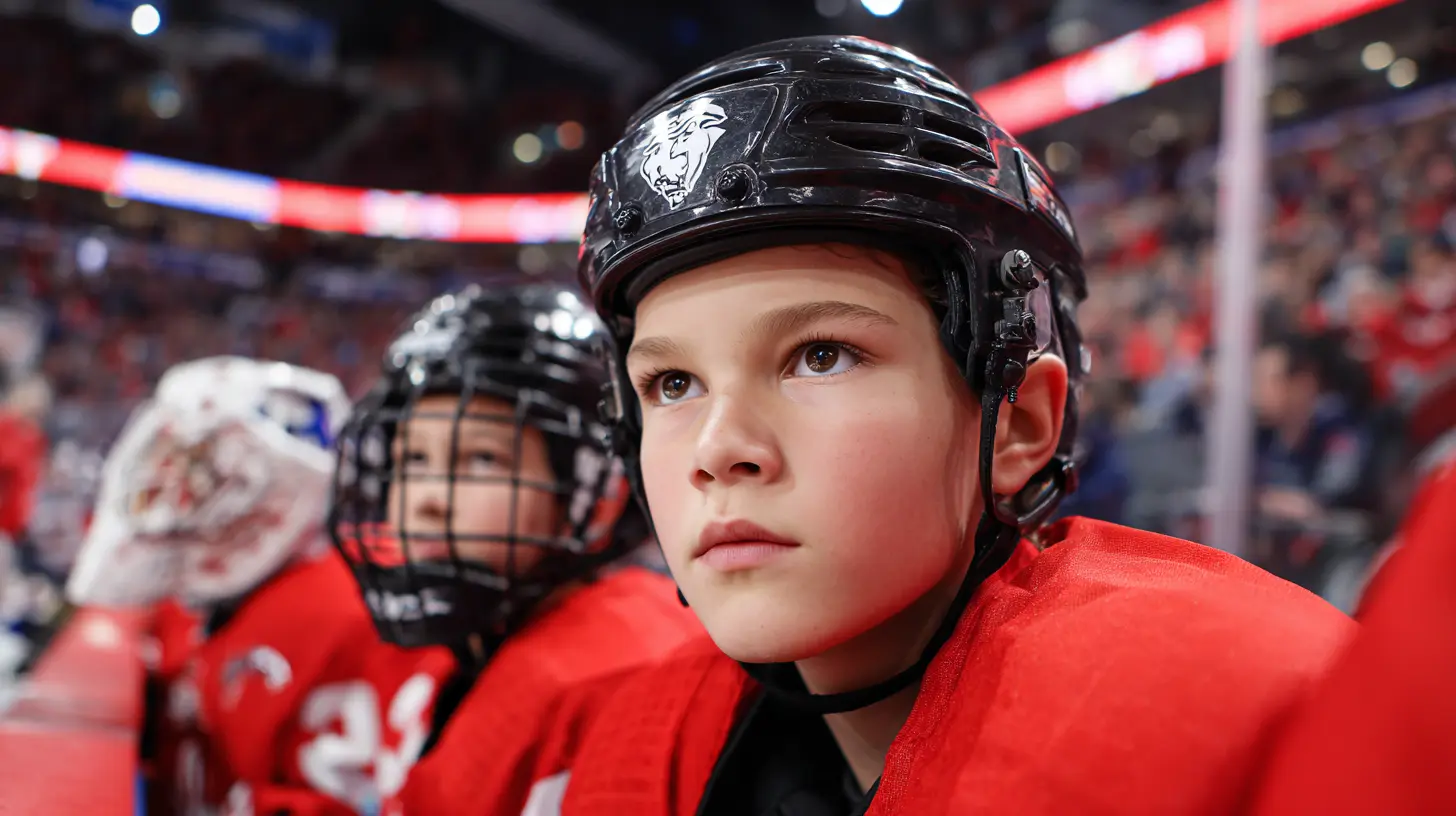
Why the Development Curve Has Compressed
The most important change is not that young players are more talented. It is that they arrive more prepared. A player drafted in 2026 has typically spent years in structured development environments that did not exist in the same form twenty years ago. Elite minor hockey programs, national development pipelines, and junior leagues now track skating mechanics, puck-touch counts, and decision-making speed with a level of detail that mirrors professional analytics departments.This matters because the skills that translate fastest to the NHL are no longer purely physical. The modern game rewards quick processing, spatial awareness, and the ability to make a play under pressure. Those traits can be measured and trained earlier than raw strength or endurance. A 19-year-old who reads the ice at an elite level can contribute immediately, even if he is not yet physically dominant. That is a reversal of the old logic, where a player had to physically mature before he could be useful.
There is also a salary-cap dimension. With the cap continuing to rise but not infinitely, teams are desperate for cost-controlled production. A player on an entry-level contract who can play in the top six or on the second pairing is worth far more than a veteran making four times as much for similar output. This economic incentive pushes general managers to give young players real opportunities rather than burying them on the fourth line. The result is a league where age is less of a barrier and more of a variable to be managed.
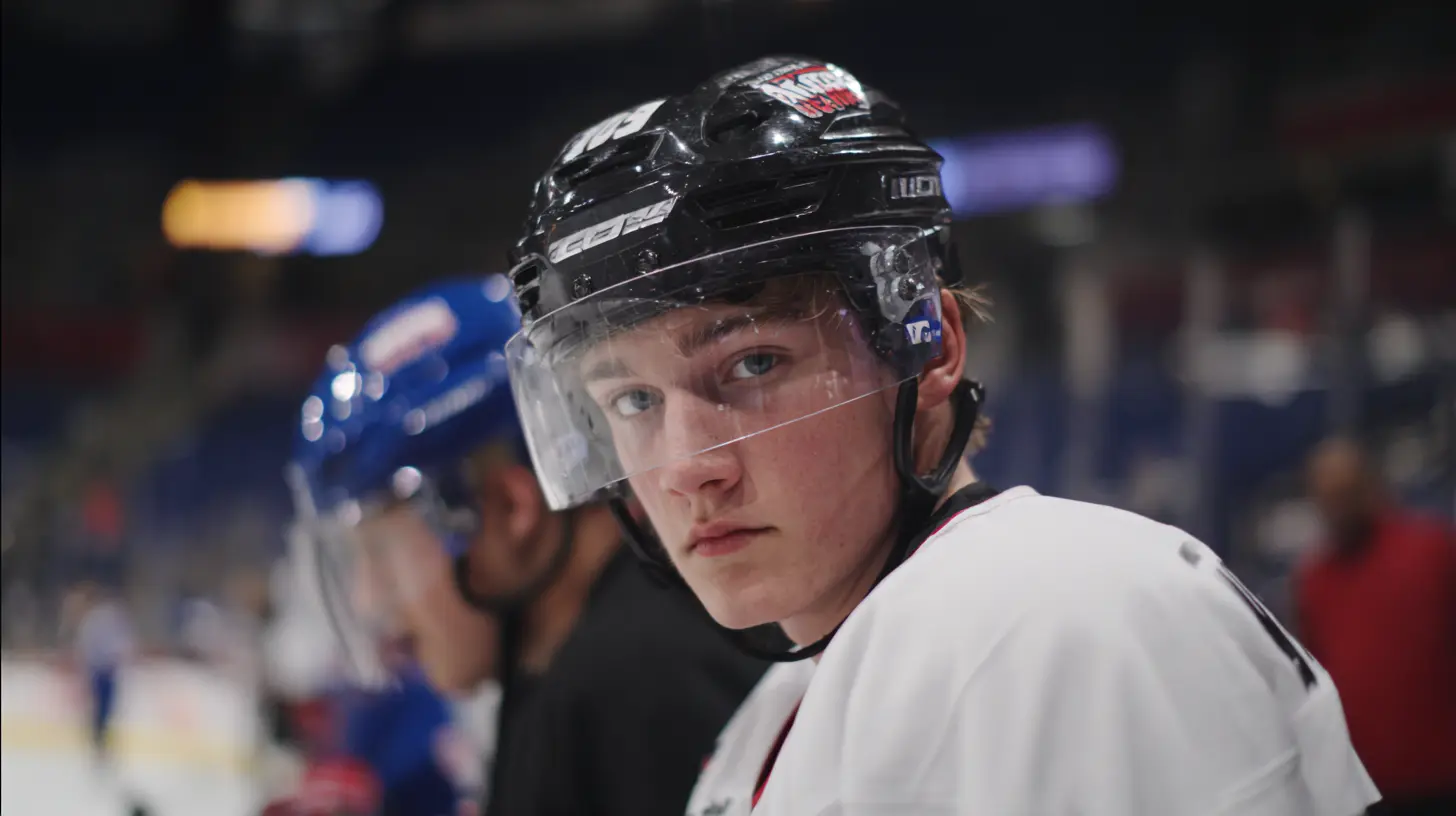
The New Archetypes of Young NHL Players
Not all young players arrive the same way. It helps to separate them into rough categories, because each comes with different risks and different deployment strategies.The Immediate Impact Forward
This is the player who steps into the NHL at 18 or 19 and produces right away. He usually has one or two elite traits, most often skating or shooting, that are already NHL-caliber. What he lacks is consistency and defensive detail. Teams that deploy him correctly accept the mistakes because the offensive upside outweighs them. The mistake many organizations make is asking this player to also be a defensive stopper in his first season. That is a recipe for hesitation and lost confidence. The better approach is to shelter him with favorable zone starts and a responsible linemate, then expand his role as he earns trust.The Two-Way Center Who Takes Longer
Centers carry more responsibility than wingers, and the young centers who succeed early are usually the ones who already think the game like veterans. They may not score 70 points in their rookie year, but they win faceoffs, support the puck down low, and do not get exposed in their own end. These players are undervalued in fantasy hockey and overvalued in trade talks, because their contributions do not always show up on the scoresheet. A team that recognizes this can acquire a foundational piece before the rest of the league catches on.The Late-Blooming Defenseman
Defense remains the hardest position to learn at the NHL level. The gap between junior and professional defensive reads is enormous, and even highly drafted defensemen often need two or three years in the AHL. In 2026, however, more teams are willing to let a young defenseman learn on the job if his skating and puck-moving ability are already strong. The trade-off is real. You get transition offense and zone exits, but you also get turnovers and missed assignments. The question is whether the team has the structure and goaltending to absorb those mistakes. If it does not, rushing a young defenseman can set him back years.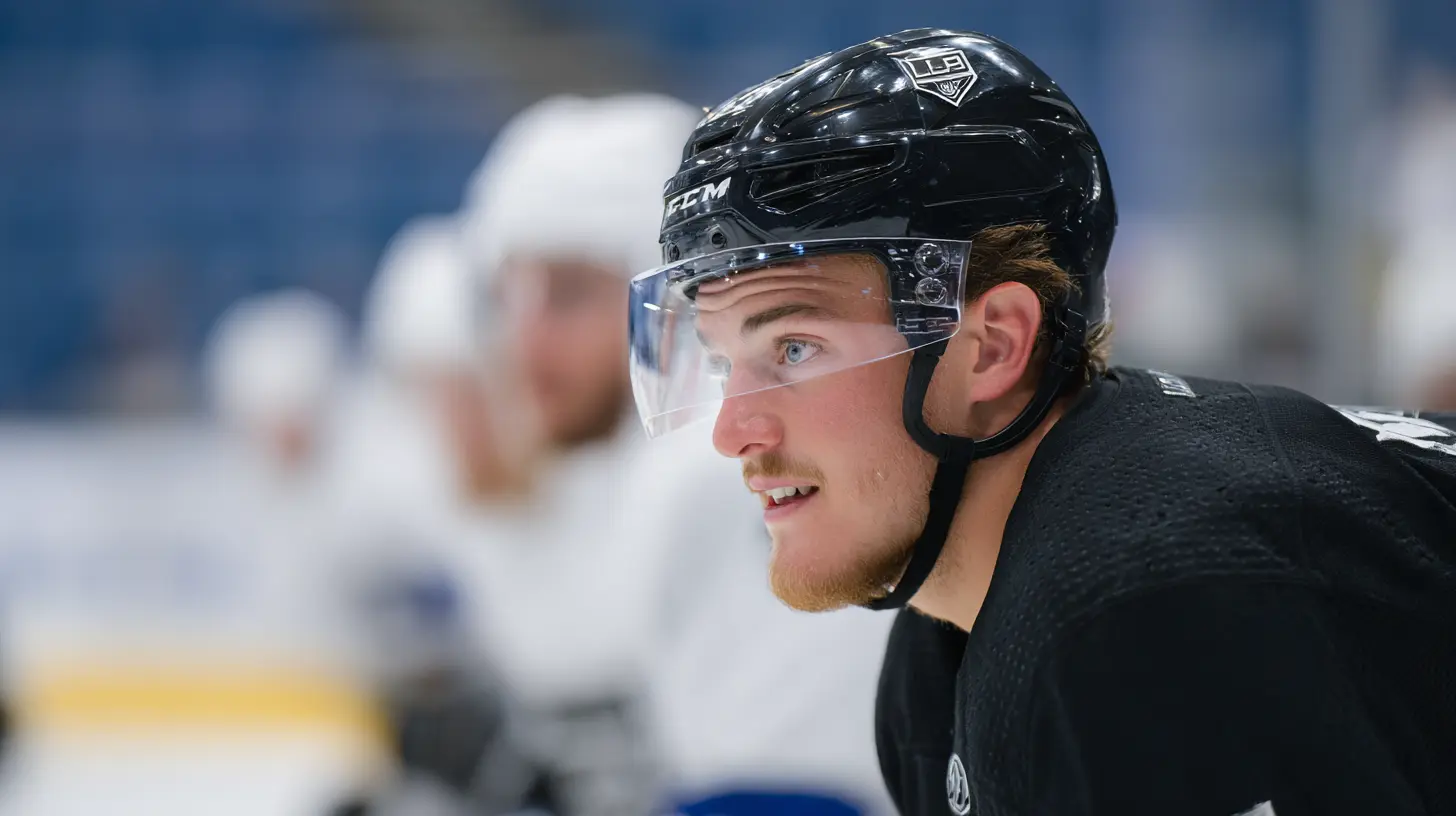
How Coaching Has Adapted
Coaches in 2026 face a different mandate than their predecessors. They are expected to develop young players while also winning games, and those two goals sometimes conflict. The best coaches have found ways to make them compatible.One approach is the "paired veteran" model. A young forward is placed on a line with a reliable two-way veteran who can cover for his mistakes and communicate in real time. This is not a new idea, but it is now used more deliberately, with the veteran chosen for specific complementary traits rather than simple seniority. A young playmaker might be paired with a finisher, while a young sniper might be paired with a puck-retrieval specialist.
Another approach is the "situational leash." Instead of giving a young player a fixed number of minutes, the coach gives him specific situations where he can succeed, such as offensive-zone faceoffs or the second power-play unit. If he performs, the situations expand. If he struggles, they contract. This is more flexible than a traditional fourth-line role, and it gives the player a clear path to more responsibility. The downside is that it requires constant evaluation and communication, which not every coaching staff is equipped to provide.
The worst approach, and one that still appears too often, is the "trial by fire" deployment. Throwing a 19-year-old into top-pairing minutes against the opponent's best line, with no support, is not development. It is exposure. Sometimes it works, but more often it damages confidence and slows progress. The teams that consistently develop young talent are the ones that match opportunity to readiness rather than to draft position or public pressure.

The Draft and Trade Market Consequences
The compressed development curve has changed how teams value draft picks. A first-round pick is no longer just a lottery ticket for a player who might help in five years. It is a potential roster solution in two years, which makes it more valuable in trades. At the same time, the risk of a bust remains high, because even prepared teenagers can fail to adapt to the speed and physicality of the professional game.This creates an interesting tension. Contending teams want to trade picks for immediate help. Rebuilding teams want to accumulate picks and develop young players. But if young players are arriving faster, the window between rebuilding and contending is shorter. A team that drafts well can turn a bottom-five finish into a playoff berth in two or three years. That puts pressure on general managers to be aggressive earlier than they might have been in the past. It also means that holding onto a veteran instead of giving a young player his minutes can be a costly mistake, even if the veteran is currently the better player.
The trade market reflects this. Young players on entry-level contracts are among the most valuable assets in the league, not because they are guaranteed stars, but because their cost certainty allows teams to spend elsewhere. A team with three or four young contributors on cheap deals can afford an elite free agent or two. A team with none is forced to overpay for middle-tier veterans. This is why you see more teams willing to trade a proven 28-year-old for a 21-year-old with upside, even if the 28-year-old is currently more productive. The calculation is about the next three years, not the next three months.
Common Mistakes in Handling Young Talent
Even with all the progress, organizations still make predictable errors. Understanding these mistakes can help fans and analysts evaluate decisions more clearly.The first mistake is confusing a hot streak with development. A young player who scores eight goals in ten games is not necessarily ready for a permanent top-six role. Opponents adjust, and the player must adjust back. Teams that overreact to small samples often set unrealistic expectations and then blame the player when he regresses.
The second mistake is ignoring off-ice factors. A teenager moving to a new city, learning a new system, and dealing with media scrutiny faces a significant mental load. Teams that provide mentorship, language support, and a clear communication plan get better results. This is not soft management. It is practical risk reduction.
The third mistake is failing to define roles. A young player who is asked to be a scorer one night and a checker the next will struggle to build an identity. Consistency in deployment, even if the minutes are limited, helps a player develop a clear understanding of what he needs to do to stay in the lineup.
The fourth mistake is holding onto a young player too long in a bad situation. Sometimes a change of scenery is genuinely best. A player who is blocked by depth on one team might thrive with more opportunity elsewhere. Recognizing this before the player's value drops is a mark of good management.
What This Means for Fans and Analysts
If you follow the NHL closely, the youth movement changes how you should evaluate trades, draft picks, and coaching decisions. The old assumption that a player peaks at 27 to 29 is still broadly true for physical prime, but the age at which a player becomes useful has dropped. That means a 22-year-old with three years of NHL experience is not a prospect. He is a veteran in development terms, and he should be evaluated as such.It also means that patience is still a virtue, but the timeline for patience is shorter. A team that drafts a player in 2026 should expect him to contribute by 2028 or 2029 if he is on track. If he is not, the organization needs to ask hard questions about whether the issue is the player or the development system. The best teams treat development as a continuous process, not a series of discrete stages.
Finally, it is worth remembering that not every young player who succeeds early becomes a star. Some plateau. Some get injured. Some are simply early bloomers who are passed by players who develop later. The teams that win consistently are the ones that build depth across multiple age groups, not the ones that bet everything on a single wave of teenagers. Youth is a powerful tool, but it is not a strategy on its own. It works best when combined with veteran leadership, clear roles, and a coaching staff that understands how to bring players along without breaking them.
The NHL in 2026 is younger, faster, and more willing to trust players before they are fully formed. That is a good thing for the sport. It rewards skill and intelligence over sheer physical maturity, and it gives fans a reason to watch players grow into stars rather than waiting for them to arrive fully assembled. The teams that manage this shift well will have a competitive advantage for years. The ones that do not will keep wondering why their draft picks never seem to pan out.
all images in this post were generated using AI tools
Category:
Season ExpectationsAuthor:

Preston Wilkins