How New Rules Are Addressing Gender Inequality in Sports
28 August 2026
Gender inequality in sports—yeah, it's been a thing for way too long. From pay gaps to limited media coverage, and even biased rulebooks, women and non-binary athletes have had to fight for their spot on the field, the court, and in the locker room of opportunity.
But here's the exciting part: change is in the air. We’re not just talking about hashtags anymore. Real rules, policies, and game-changers (literally) are being introduced to level the playing field. Sports organizations, governing bodies, and athletes themselves are shaking things up, rewriting the rules to make sure that sports in the 21st century are fair and inclusive for everyone.
So, let’s dive deep into how new rules are addressing gender inequality in sports—and why it's a huge deal.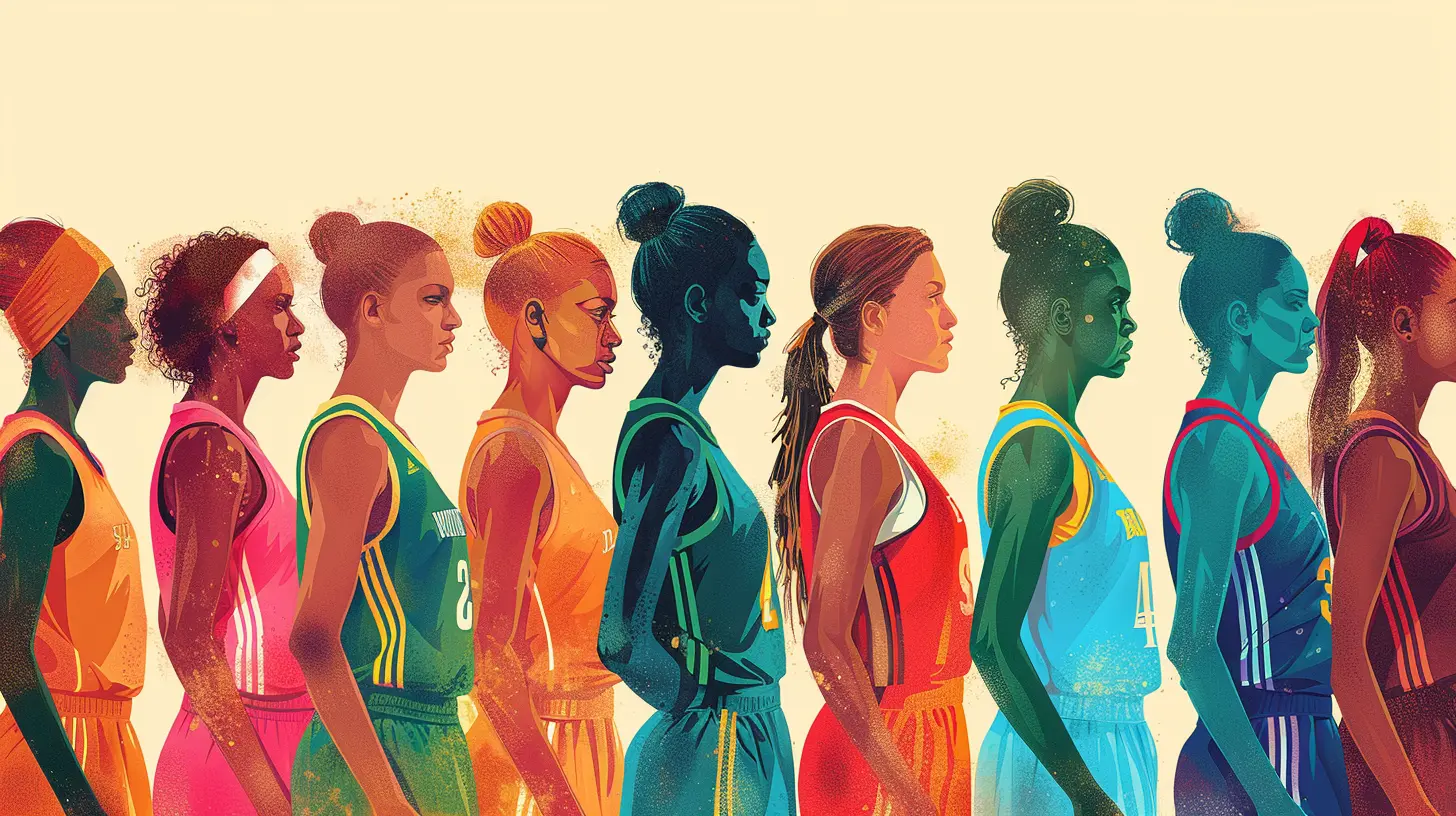
The History of Inequality in Sports (A Quick Recap)
Before diving into what’s new, we gotta understand where we came from.For decades, sports have been a male-dominated domain. Women's sports were often sidelined, underfunded, and overlooked. Think about it—women weren’t even allowed to run marathons until the late 20th century. Billie Jean King had to fight tooth and nail just to prove that women should be taken seriously in tennis.
Even today, female athletes earn less, get fewer sponsorship deals, and don’t receive the same media spotlight as their male counterparts. And let's not forget the battle non-binary and transgender athletes face when trying to compete in gendered categories.
But this is where the new rules come into play (pun intended).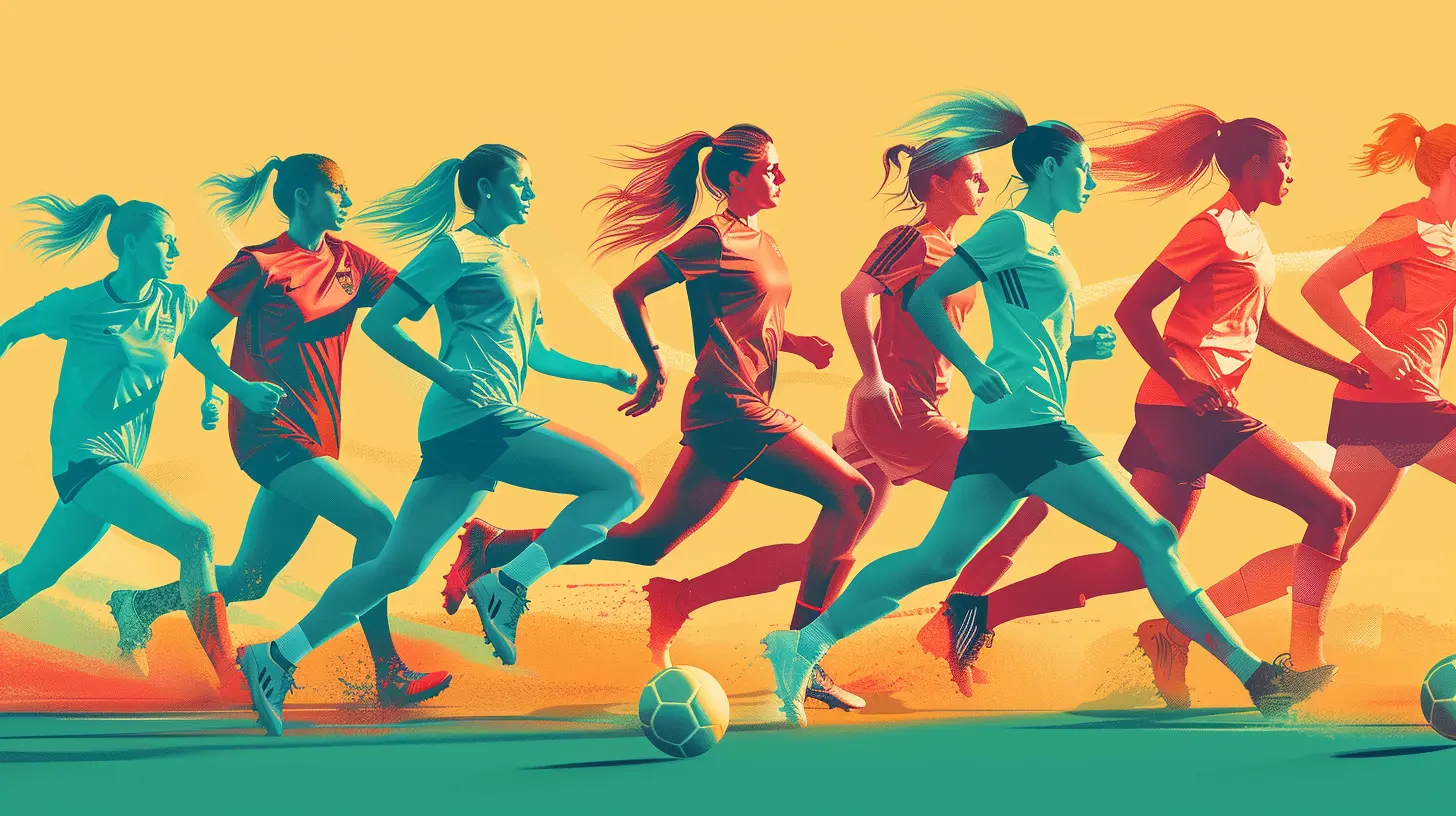
Equal Pay Is Getting Real
The U.S. Women’s Soccer Team's Big Win
Arguably one of the most famous battles for equal pay was led by the U.S. Women's National Soccer Team (USWNT). For years, they dominated the global soccer scene but were paid significantly less than the men’s team, which didn't even qualify for major tournaments. Sound fair? Nope.After a long legal fight and public pressure, in 2022, U.S. Soccer finally agreed to equal pay for both the men's and women's national teams. This landmark decision set a precedent, and other sports bodies started following suit.
Other Sports Are Catching Up
Tennis was ironically ahead of the game, with all four Grand Slam tournaments now offering equal prize money. Other sports like surfing, cricket, and athletics are working on narrowing the pay gap too.But let's point something out—equal pay isn't just about salaries. It includes bonuses, travel conditions, accommodation, and even access to proper facilities. Yep, those little things matter too.
Mixed-Gender Competitions: Breaking the Binary
Mixed Relays and Doubles
Sports have started to get creative with formats that completely ditch the traditional gender divide. Ever watched a mixed relay in swimming or track? It's not just fun to watch but also shows that men and women can share the spotlight without overshadowing each other.Olympics 2020 saw the introduction of mixed-gender events in swimming, track, triathlon, and judo. That’s not just symbolic—it’s structural change.
Esports and More
Fun fact: In esports, there aren't biological limitations, so why do we need gendered competitions at all? Some esports tournaments are now open to all genders and even penalize discrimination.These new rule formats are challenging decades of bias and making space for a more inclusive sports culture.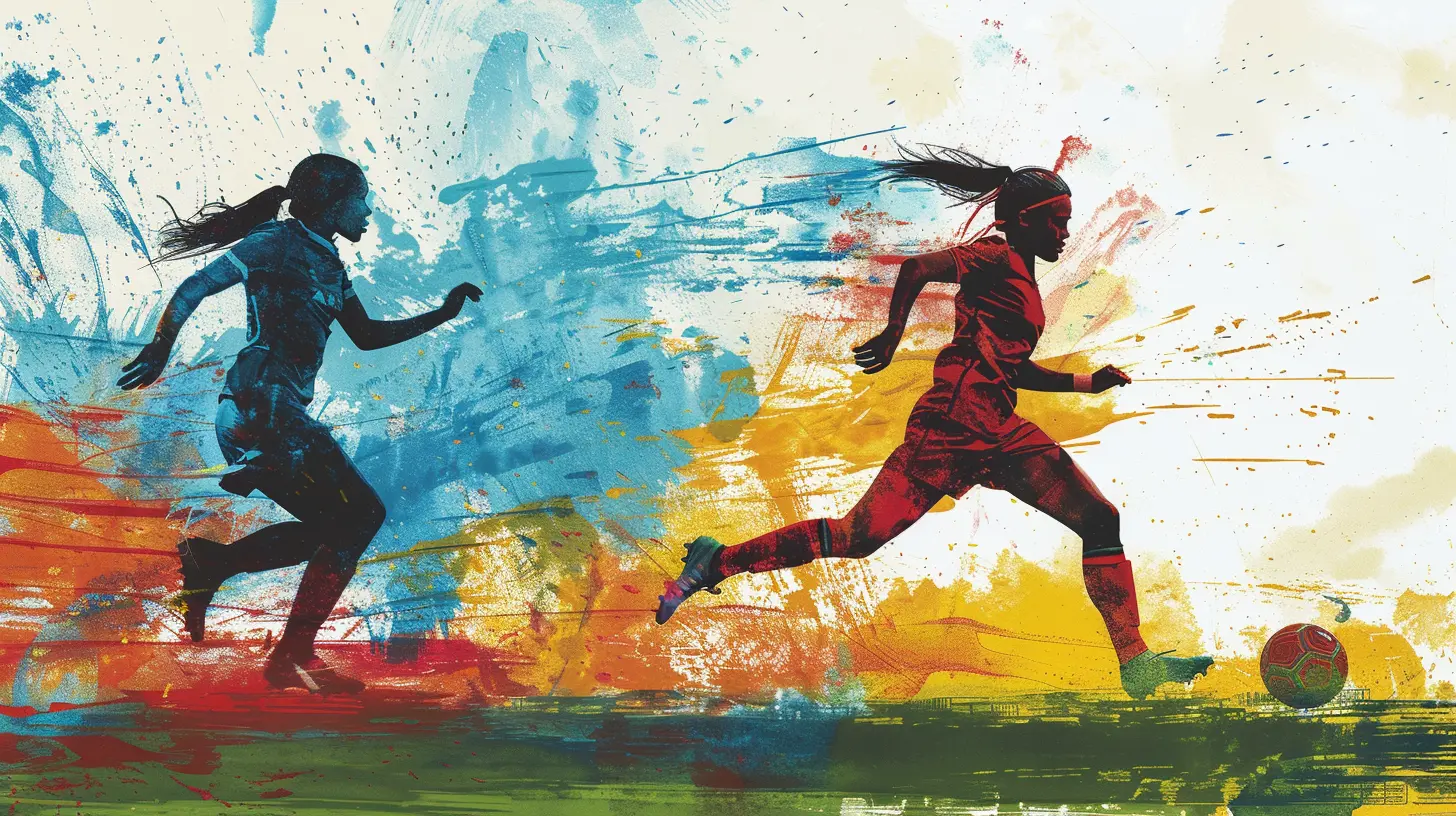
Policy Shifts for Trans and Non-Binary Athletes
This is a hot topic, and yeah—it’s complicated. But that doesn’t mean we avoid talking about it.Trans Inclusion Policies
Sports organizations are rewriting their policies to better accommodate transgender and non-binary athletes. The International Olympic Committee (IOC) revamped its guidelines in 2021, moving away from testosterone levels as the sole criteria. The focus is now on individual sports to make inclusion decisions based on fairness and scientific evidence.Controversies and the Way Forward
There’s still a lot of heated debate, and not everyone agrees on what’s fair. But here's the real deal: new rules are being created to both protect competitive integrity and uphold human rights.Education is key here. Many governing bodies are investing in research and awareness campaigns to better shape these new regulations.
Mandatory Investment in Women’s Sports
Federations Are Being Held Accountable
Some countries are now requiring national sports federations to allocate a minimum percentage of their budgets to women’s sports. That’s not just lip service—it’s enforced equality.By putting money where it matters, these rules ensure women athletes have access to top-tier coaching, medical support, and training facilities.
NCAA and Title IX in the U.S.
Let’s not forget Title IX, the U.S. federal law that prohibits sex-based discrimination in any school or education program that receives federal money. It’s been a game-changer since 1972, but new rules are constantly being added to ensure compliance.Schools and colleges now face stricter consequences for falling short—so they’re stepping up their game.
Media Representation Rules
Equal Coverage Mandates
You can be the best athlete in the world, but if no one sees you, does it even matter? That’s why new rules around media coverage are essential.Some sports networks and leagues are now being held to quotas requiring a set percentage of airtime or digital coverage for women’s sports. The goal? To normalize women being in the spotlight.
Social Media and Self-Representation
Let’s be real—traditional media has always been slow to catch up. But athletes are now taking the narrative into their own hands through social media. New rules around athlete branding and monetization are helping level the exposure playing field.Think Naomi Osaka, Simone Biles, or Megan Rapinoe—they’re not just athletes; they’re brands with massive followings. These platforms are powerful tools for promoting gender equality in sports.
Anti-Harassment and Safe Sport Policies
Creating Safer Spaces
Gender inequality isn’t just about money and media—it’s also about safety. Harassment and abuse have long plagued the sports world, especially for women and LGBTQ+ athletes.New rules are being introduced that require mandatory background checks, anonymous reporting systems, and zero-tolerance policies against harassment. Organizations like SafeSport in the U.S. are leading the charge.
Education and Training
Coaches, staff, and athletes are now required to attend workshops on gender sensitivity, consent, and respectful behavior. Because let’s face it—talent should never come at the cost of safety.Coaching and Leadership Opportunities
Quotas and Incentives
To fix gender inequality, we also need to address who’s in charge. Many sports organizations now have quotas or incentives to ensure more women and non-binary individuals hold leadership and coaching positions.Why does this matter? Because representation at the top changes the rules from within. Decisions get made differently when diverse voices are in the room.
Breaking the Old Boys’ Club
Leadership roles have historically been a closed circle, but new mentorship and certification programs are helping women and marginalized folks crack that glass ceiling—from the dugout to the boardroom.The Ripple Effect: Beyond The Stadium
Gender equality in sports isn’t just a win for the athletes—it sends shockwaves through society.When young girls see women dominating the court, field, or ring, they believe they can do it too. When boys grow up watching mixed-gender sports, they learn respect and equality. And when the rules are fair for everyone, it builds a culture where inclusion isn’t just an initiative—it’s the norm.
What's Still Missing?
Okay, let’s keep it real. We’re making progress, but we’re not done yet.- There are still glaring pay gaps in many professional leagues.
- Media coverage still heavily favors male sports.
- Trans and non-binary athletes are often left in policy limbo.
- Leadership roles remain dominated by men.
But the new rules? They're more than just patches on a leaky system—they’re blueprints for a new game.
Final Whistle: Why It All Matters
If sports are truly about fairness, competition, and merit, then gender inequality has no place in the game.The good news? New rules are finally starting to walk the talk. They’re not perfect, and they won’t fix everything overnight, but they signal a critical shift—from token gestures to tangible action. Whether it’s equal pay, inclusive policies, or fair representation, every rule change is a step toward making sports what they should’ve always been—equal and accessible for all.
So next time you watch a game or cheer from the sidelines, remember: the real win is when everyone gets to play, and play fairly.
all images in this post were generated using AI tools
Category:
New RulesAuthor:

Preston Wilkins
Discussion
rate this article
2 comments
Skyler McIntyre
In the arena of dreams, where talent shines bright, these new rules pave the way for equality's flight, uniting all voices in the spirit of the fight.
September 16, 2026 at 3:38 AM
Priscilla Bennett
It's encouraging to see sports evolving with new rules that promote gender equality. Progress is slow, but these steps are essential for fairness.
August 30, 2026 at 12:30 PM
Preston Wilkins
I completely agree. Every step counts towards creating a more equitable environment in sports. Thanks for your thoughts!