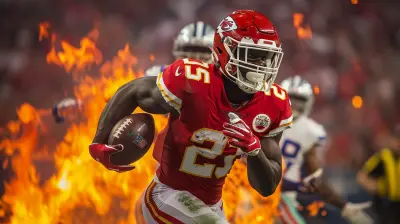
New Penalty Rules: What You Need to Know Before the Playoffs
5 April 2026
Let’s face it—penalties can change everything in a game. One call (or missed call) can flip the script faster than a Hail Mary in the final seconds. And now, with new penalty rules rolling in just before the playoffs, it’s more important than ever to understand how they're going to impact the game.
Whether you’re a die-hard fan, a casual viewer catching the postseason thrill, or an analyst prepping for some serious breakdowns, this is your go-to guide. We're diving deep into the latest rulebook updates and what they mean for players, coaches, and yes… you, the fans.
So grab your snack of choice and settle in—we’re breaking it all down for you.
🏈 Why These Penalty Changes Matter More Than Ever
When games get tighter and the stakes go sky-high in the playoffs, every flag counts. A 15-yard penalty in a regular season game? It’s frustrating. But in the fourth quarter of a playoff match? It could mean the end of a championship run.This year, the league has introduced several tweaks and clarifications in the penalty rules that are bound to ruffle some feathers. And if you’re not up to speed, you might find yourself yelling at your screen even more than usual.
⚠️ The Most Notable Rule Changes for 2024
Let’s cut to the chase. Here are the most significant rule changes that you need to keep an eye on as we head into the postseason.1. Automatic Ejections for Repeated Personal Fouls
This one’s a game-changer—literally.Under the updated rules, players who commit two personal fouls (like unnecessary roughness or taunting) in a single game will now face automatic ejection.
That’s right. No more warnings, no more second chances. Two strikes, and you’re out.
It’s a rule that’s aimed at keeping the game cleaner and safer, especially considering the intensity that comes with playoff matchups. But critics argue that it might lead to controversial ejections that could unfairly impact the outcome of crucial games.
Think about it: in the heat of the moment, with tempers flaring, a borderline taunt might be all it takes to get sent packing.
2. Targeting Rule Tightened (Again)
Targeting has been a hot topic for years. In 2024, officials have narrowed the definition even more.Now, any "forcible contact" with a defenseless player's head or neck area, regardless of intent, will result in a 15-yard penalty—and potential ejection.
In the playoffs, where defensive intensity is off the charts, this could lead to a lot of flags. Defenders will need to recalibrate their approach fast, or risk their absence when their team needs them most.
Just imagine a key linebacker being ejected in the first quarter of a playoff game. That’s not just impactful—it could be devastating.
3. Sideline Interference Penalties Are Stricter
You know those hype huddles on the sideline? They’re fun, right? But teams are now under strict orders to keep their sidelines clear.If a coach or player not involved in the play steps onto the field—or even interferes from the white boundary line—it’s a 15-yard penalty.
Repeat offenses? They can come with fines or even suspensions.
Basically, the league is saying: Keep the sideline energy high, but don’t cross the line—literally.
4. Offensive Holding Gets a Closer Look
Here’s one for the O-line nerds out there.Officials are being instructed to more consistently enforce offensive holding—especially on plays that affect the edge rush or outside zones.
During the regular season, fans often complained about missed holding calls. Heading into the playoffs, you can bet that’ll change. Expect more flags, especially in third-down situations where protection schemes get creative.
So, if your team’s left tackle has gotten away with a little tug here and there? The honeymoon might be over.
🎯 How These Rules Affect Game Strategy
Now, here's where it gets interesting. These changes don’t just affect the referees—they shape the way teams play and plan.Defensive Adjustments
Defenders, especially safeties and linebackers, now have to walk a very fine line when going in for a big hit. Coaches are already dialing up more conservative schemes to avoid costly targeting penalties.Expect to see more zone coverage, less blitzing intensity, and more wrap-up tackles rather than bone-jarring hits.
It’s safer football, sure. But it also changes the vibe of the game.
Offense Needs to Stay Disciplined
With stricter holding calls, offensive lines will need flawless technique. No more hugging or reaching. Quarterbacks might have slightly less time to operate, which could force offenses to rely more on quick passes and short-yardage plays.Long-developing plays? Those could become rare.
🚀 Impact on Star Players and Playoff Teams
This is where things get spicy. These rules don’t exist in a vacuum—they’ll directly affect the league’s biggest names.Think about:
- Hard-hitting safeties who walk the line between aggressive and illegal.
- Fiery wide receivers who love to taunt after a big catch.
- Coaches who sometimes end up a little too far out on the sideline.
One misstep, and a key player could be out. That changes everything in a playoff game where every possession is gold.
For teams like the 49ers, Eagles, or Chiefs—who rely on physical, aggressive play—it’ll be a tightrope. Call it a battle of brains versus brawn.
🧠 Referee Discretion: A Double-Edged Sword
Here’s the real kicker: so much of this comes down to judgment calls.Was it a clear targeting hit?
Did that player really taunt, or was it just a celebration?
Was the sideline coach “interfering” or just cheering?
These questions are going to be thrown around like confetti during New Year’s. And the refs? They’ve been given more freedom to use their discretion.
On one hand, that’s great. It adds human judgment to the game.
But on the other? Expect more debates, more replays, and probably a few viral meltdown moments from coaches and fans alike.
🧾 Video Review Is Expanding (Somewhat)
Another little nugget: video reviews will now slightly extend into sideline penalties and targeting calls where intent is unclear.This is aimed at preventing game-changing mistakes, but don’t expect NFL-style overhauls. The process is still pretty swift, and some calls will remain non-reviewable.
Still, having another pair of “digital” eyes on the play might just save someone from an unfair flag—or confirm the worst.
🏟️ What Fans Can Expect During the Playoffs
So what does this mean for you, the fan? Here’s the deal:- More flags. Yep, you’ll probably see more penalties, especially early on as teams adjust.
- More reviews and delays. Expect a few stop-and-start moments while calls are sorted out.
- More controversy. Twitter is going to be a riot during these playoff games—mark our words.
But also?
- Cleaner play. Ideally, fewer cheap shots and fewer dirty plays.
- More drama. Because now, every move is magnified.
🧩 The Bigger Picture: Where the Game Is Going
If you step back and look at the trend, it’s clear: the game is evolving toward safety, discipline, and professionalism.That’s not a bad thing. But it does mean letting go of some of the “old school” edge that made the game raw and gritty.
What we’ll get instead? Smarter play, sharper coaching, and a new level of respect for the details.
The playoffs are no longer just about heart and hustle. They’re about staying clean, staying focused, and playing chess while others are playing checkers.
🔚 Final Thoughts: Be Ready for the Whistle
At the end of the day, the new penalty rules are designed to protect players and push the game forward. But they also introduce a new layer of complexity and, yes, controversy.Come playoff time, these rules are going to play a role—sometimes a big one. So don’t just watch the ball—watch the flags, the sideline activity, and the officials. They’re as much a part of the story as the touchdowns and tackles.
Because in 2024? The game isn’t just physical—it’s also political, psychological, and, at times, theatrical.
So buckle up. The postseason just got a whole lot more interesting.
all images in this post were generated using AI tools
Category:
New RulesAuthor:

Preston Wilkins
Discussion
rate this article
2 comments
Levi Spencer
Great insights on the new penalty rules. Understanding these changes is crucial as we head into the playoffs. It will definitely impact strategies and player conduct. I look forward to seeing how teams adapt in the coming games.
May 12, 2026 at 3:41 AM
Preston Wilkins
Thanks for your thoughts! These changes will certainly shake things up. Can't wait to see the adaptations in action.
Iris Simmons
The new penalty rules will significantly impact playoff strategies and team dynamics.
April 7, 2026 at 3:08 AM
Preston Wilkins
Absolutely! The new penalty rules will definitely reshape team strategies and dynamics as teams adapt to the changes during playoffs.