How Recent Rule Changes Are Shaping the Future of Sports
30 March 2026
Sports. They've always been more than just games. They're passion, identity, unity—and sometimes even controversy. But if there's one thing that remains constant in sports, it's change. Rules evolve, technologies intervene, and what we once called tradition starts bending into something new. Lately, that evolution has kicked into overdrive. So, what’s actually going on?
In this article, we’re diving deep into how recent rule changes are shaping the future of sports—and trust me, it's not just about whistles and lines on the field. These changes are flipping the script on how games are played, watched, and even judged. Whether you're a casual fan or a die-hard enthusiast, this shift touches everyone.
Let’s lace up and jump in.
⚖️ Why Rules Are Changing in the First Place
Let’s be real—rules aren’t updated just for the heck of it. They usually follow controversy, lagging viewership, player safety concerns, or technological advancements.The sports world is in a constant balancing act between tradition and innovation. Whether it's to keep players safe, speed up game time, or make the sport more entertaining for fans, rule changes come with the goal of making the game better.
So, it's not a question of "if" sports will change—it's all about how fast they're doing it.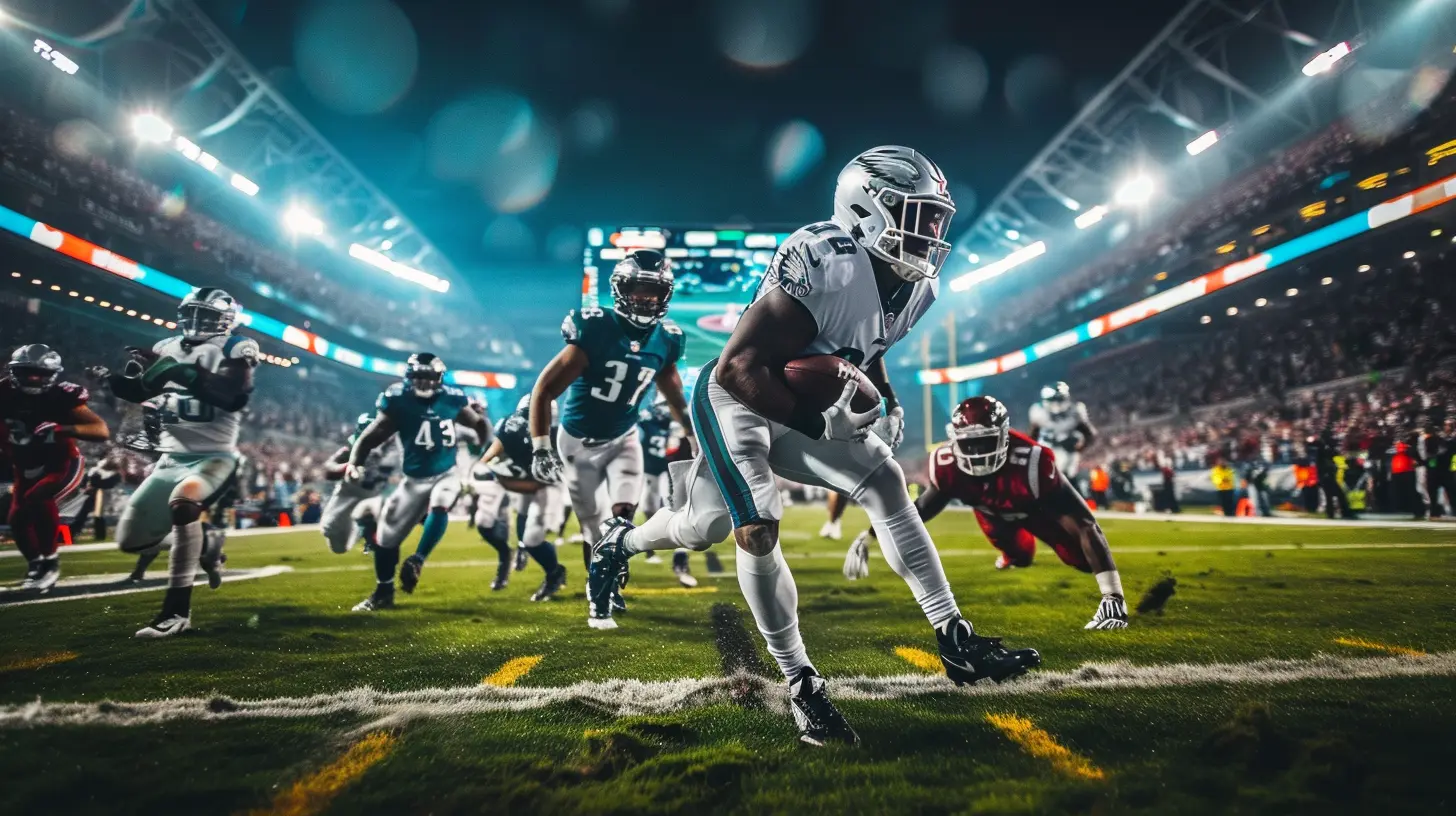
🏈 NFL: Player Safety and Technological Advancements
Helmet-to-Helmet Hits? Not Anymore.
The NFL has been under fire for years regarding player safety, especially with concussions and CTE (chronic traumatic encephalopathy) dominating headlines. That’s led to a slew of rule changes:- Helmet-to-helmet contact is a no-go.
- Kickoffs have been modified to reduce full-speed collisions.
- Defensive players are now held to stricter standards when tackling.
These shifts aim to protect athletes but also reshape game strategies. Defenders have to think twice now. And fans? Well, not everyone’s on board. Some argue these changes make the game "softer." Others applaud the league for looking out for its players.
But whatever side you're on, you can't deny it’s making teams rethink everything—from training to play-calling.
Instant Replay and AI: The Ref’s Got Backup
With the introduction of instant replay and even AI-assisted officiating, the margin for human error is shrinking (finally!). Coaches can challenge plays, and games are increasingly being decided based on slow-motion replays from multiple angles. It's like giving referees a superpower.Of course, there's a flipside. Some argue that these delays interrupt the game’s rhythm. But for those betting big or passionately supporting their teams, accurate calls are worth the wait.
⚽ Soccer: VAR & The Offside Revolution
Ah, the beautiful game. For the longest time, soccer resisted technology. But when VAR (Video Assistant Referee) hit the scene, everything changed.Offside Ain’t What It Used To Be
The use of semi-automated offside tech has been a game-changer—literally. Cameras and AI determine offsides down to millimeters. This has led to goals being disallowed that, ten years ago, would've gone unnoticed.Sure, it's more accurate, but some fans feel like it's sucking the spontaneity out of the game. Ever seen a goal celebrated wildly only to be ruled out two minutes later because someone’s ear was offside? Yeah, awkward.
But again, it’s all about fairness. As frustrating as it can be, the aim is to make decisions less subjective and more consistent.
🏀 NBA: Pace, Space, and Freedom
Basketball has arguably undergone one of the most radical evolutions in recent years, and much of it comes down to rule changes—subtle, but powerful.Hand-Checking? That’s History.
Remember when defenders could get away with putting their hands all over a ball handler? Those days are gone. The NBA has tightened the rules around defensive contact, leading to a faster-paced, more offense-friendly game.Guess what? Scoring is way up. Players like Steph Curry have thrived, changing the game with deep three-pointers and insane pace. It’s like giving players wings and telling them to fly.
Load Management and Shortened Seasons (Maybe?)
There’s been some chatter about adjusting the length of seasons or introducing mid-season cups. Why? To prevent player burnout and injuries.And while fans sometimes feel short-changed when stars sit out, the long game is about having elite players healthy for the moments that matter. Want LeBron or Giannis fresh for the playoffs? Then adjustments are necessary.
⚾ MLB: Speeding Things Up
Baseball, as beloved as it is, faced a big problem: It was taking too long.The Pitch Clock Era
Enter the pitch clock—an actual countdown between pitches. This seemingly small tweak is having a MASSIVE impact. Games are now shorter, more engaging, and a lot more watchable for younger fans.And it’s not just about time. The pace forces pitchers to stay focused and hitters to be ready. It injects energy into a game that was starting to feel... well, a bit sleepy.
Defensive Shift Ban
Remember watching a batter hit into a dead zone because the entire defense relocated? It's not happening anymore. New rules prevent extreme defensive shifts, which means more base hits and more action.We’re seeing a kind of baseball renaissance—faster, flashier, and more exciting.
🏒 NHL: Cracking Down and Speeding Up
Hockey fans love the intensity, but even in the NHL, some things had to change.Crackdown on Cross-Checking
The NHL's recent decision to clamp down on cross-checking has sparked a new level of safety and discipline. It’s cleaning up the game, reducing injuries, and putting more skill on display.Defense is still brutal, don’t worry. But now, skill players have a bit more freedom to dazzle—and fans are here for it.
Offsides—Reimagined
Like other sports, hockey has embraced video review, especially for offside calls. Goals are reviewed more closely than ever, and even the toe of a skate over the blue line can make the difference.It can be frustrating, but hey, everyone wants the right call... eventually.
🎾 Tennis and VAR Integration
You might not think of tennis as ahead of the curve, but it’s been using tech like Hawk-Eye for years.No-Line Judges?
In some tournaments now, line judges have been replaced by automated AI systems. That’s right—no more arguing or "Are you blind, ump?" outbursts. The system is impeccable—accurate down to millimeters.It’s paving the way for the sport to be more transparent, fair, and—let’s be honest—a little more future-friendly.
🥊 Combat Sports: Judging Transparency and Fighter Safety
Combat sports like boxing and MMA have long struggled with controversial decisions and safety concerns.Open Scoring and Better Medical Protocols
Some events now experiment with open scoring, where fighters and fans see the judges’ scorecards between rounds. Adds drama, doesn’t it?And with increased medical checks and concussion protocols, the sport is becoming safer without losing its core gladiator vibe.
🏁 Motorsports: Sustainable Speed
Rule changes in Formula 1 and other racing series are now focused on sustainability—think hybrid engines, reduced fuel loads, and budget caps. Sounds boring? Not really.Greener and Meaner
It’s like giving a race car a conscience. These cars are not only faster but cleaner. And with tighter regulations on teams’ spending, races are starting to come down to clever engineering and skillful driving—not just deep pockets.👟 The Future Is Here, and It’s Flexible
So, where are we heading? The direction is clear—transparency, fairness, safety, and engagement. Sports are no longer just entertainment—they're ecosystems filled with innovation and transformation.Athletes are adapting fast. Coaches are studying analytics more than ever. And fans? Well, we're watching history unfold in real time.
Yes, change can be uncomfortable. But it’s also exciting. We’re living in a golden era of sports where every season feels like a chapter in a larger story of evolution.
Ask yourself: 20 years from now, how will sports look?
Chances are, it’ll be faster, cleaner, and maybe even smarter.
💬 Final Thoughts: Embracing the Shift
Rule changes aren't ruining sports; they're refining them. Think of it like tuning a high-performance car—you tweak the engine, improve the aerodynamics, and suddenly, the ride is smoother and faster.Sure, purists will always long for the "good old days." But as fans, we have to evolve with the game. Because at the end of the day, rules aren’t the enemy—they’re the guidelines that keep the magic alive.
So the next time you see a VAR call or a pitch clock warning, don’t roll your eyes. Think about how far we’ve come—and where we’re heading.
The future of sports? It’s in motion, and it’s spectacular.
all images in this post were generated using AI tools
Category:
New RulesAuthor:

Preston Wilkins
Discussion
rate this article
2 comments
Zara McLemore
Great insights on how rule changes impact gameplay and strategy. It's exciting to see how these adjustments can enhance the fan experience and foster innovation among athletes. Looking forward to watching these developments unfold in the coming seasons.
May 5, 2026 at 11:39 AM
Preston Wilkins
Thanks for your thoughts! It's fascinating to see how these changes can really transform the game and the way fans engage with it. Exciting times ahead!
Valerie McClellan
It's fascinating to see how these rule changes are influencing gameplay and strategy. I can't wait to see the long-term effects on sports!
April 3, 2026 at 3:08 AM
Preston Wilkins
Thank you! It's certainly an exciting time for sports, and I'm eager to see how these changes will evolve gameplay and strategies in the coming years.