Understanding and Managing Hamstring Strains in Athletes
7 January 2026
Hamstring strains are the ultimate bane of an athlete’s existence. One minute you're sprinting down the field or diving for that game-winning catch, and the next, you're clutching the back of your leg in agony. Sound familiar? If you're an athlete, chances are you've either experienced a hamstring strain or know someone who has. These injuries are common, but they’re no less frustrating.
Let’s dive deep into understanding what hamstring strains are, why they happen, and—perhaps most importantly—how you can manage and prevent them. Whether you're a professional athlete, weekend warrior, or just someone who enjoys staying active, understanding hamstring injuries can help you stay in the game.
What Exactly Is a Hamstring Strain?
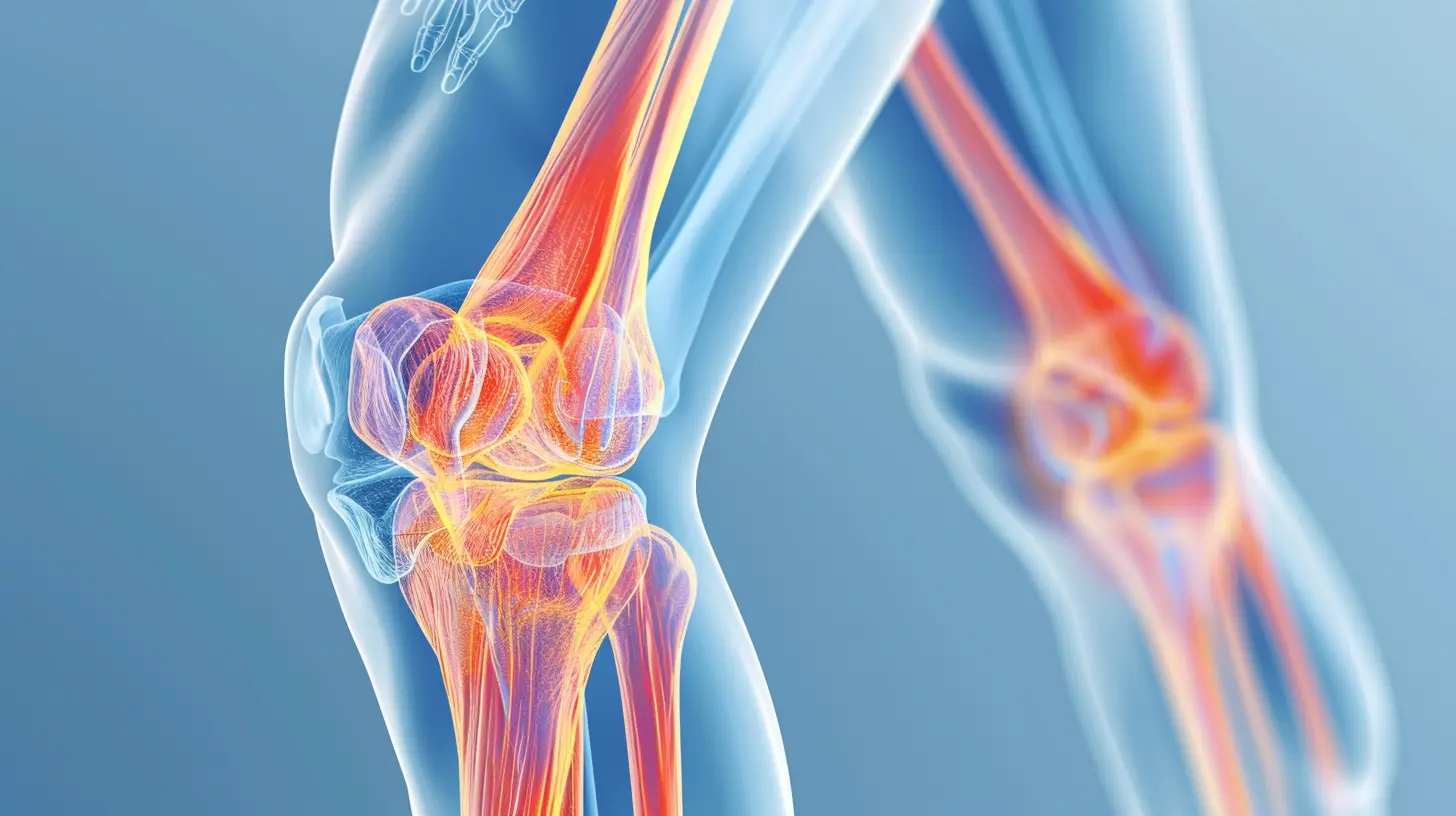
Before we get into the nitty-gritty of managing hamstring strains, let’s first understand what it is. Your hamstring isn't just one single muscle; it's actually a group of three muscles located at the back of your thigh: the biceps femoris, semitendinosus, and semimembranosus. These muscles are responsible for bending your knee and extending your hip, which are critical movements in most sports.A hamstring strain occurs when one or more of these muscles get overstretched or torn. Depending on the severity, hamstring strains are classified into three grades:
- Grade 1 (Mild Strain): The muscle fibers are overstretched but not torn. You might feel tightness and discomfort, but walking is usually fine. However, running or jumping might feel off.
- Grade 2 (Partial Tear): This is more serious. You’ll feel pain, swelling, and possibly some bruising. Running? Forget about it. Even walking might be painful.
- Grade 3 (Complete Tear): Yikes! This is the worst-case scenario where the muscle completely tears. The pain is intense, and you might even notice a gap in the muscle where the tear happened. Medical intervention is a must.
What Causes Hamstring Strains?
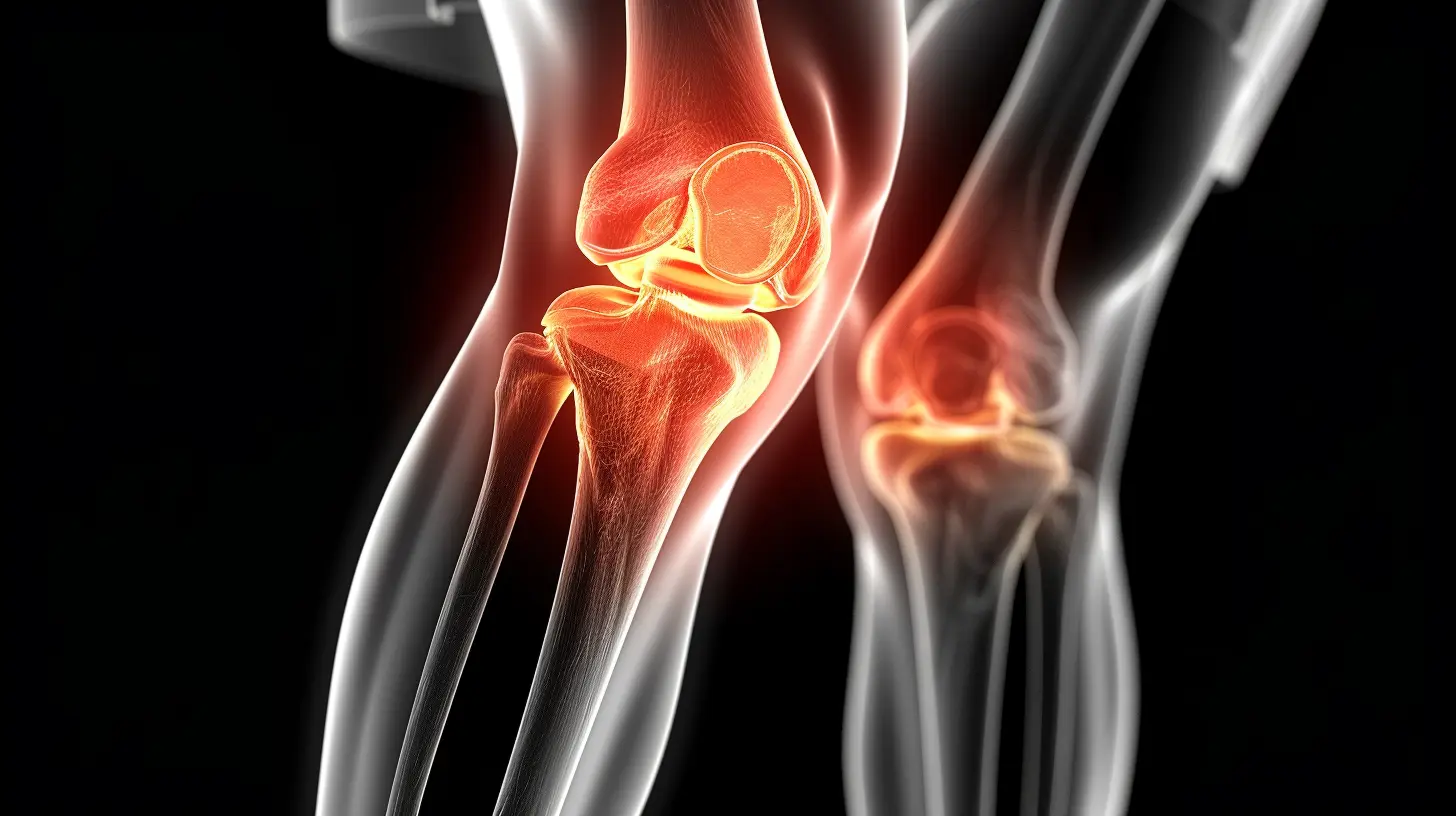
So, why does this happen? Why does your hamstring decide to rebel against you just when you're about to make that winning play? Hamstring strains typically occur when the muscle is stretched beyond its capacity, which often happens during high-speed activities like sprinting, jumping, or sudden deceleration.Here are some common culprits behind hamstring strains:
1. Muscle Imbalance
One of the biggest reasons for hamstring strains is muscle imbalances. If your quadriceps (the muscles on the front of your thigh) are significantly stronger than your hamstrings, the latter will struggle to keep up. This imbalance puts extra strain on the hamstrings during activities, making them more prone to injury.2. Poor Flexibility
If your hamstrings are tight, they won’t have the flexibility to stretch properly during rapid movements. This can lead to overstretching and, ultimately, a strain. Imagine trying to stretch a rubber band that’s already taut—it’s bound to snap.3. Fatigue
When muscles are tired, they don’t perform as well. Fatigued hamstrings can’t contract and relax as quickly as they need to during high-impact activities. This sluggish response increases the likelihood of injury.4. Inadequate Warm-Up
Jumping straight into intense activity without properly warming up is like asking for trouble. A proper warm-up increases blood flow to the muscles, making them more pliable and ready for action. Skipping this step puts your hamstrings at risk.5. Previous Injury
Unfortunately, once you’ve had a hamstring strain, you’re more likely to have another. Scar tissue from previous injuries can make the muscle less flexible and more prone to re-injury.
Symptoms of a Hamstring Strain
So, how do you know if you’ve strained your hamstring? The symptoms can vary depending on the severity of the injury, but here’s what you can expect:- Sudden Sharp Pain: This is usually the first sign. You’ll feel a sudden, sharp pain in the back of your thigh. If it’s a severe strain, you might even hear a “popping” sound.
- Swelling and Bruising: Over the next few hours or days, you might notice swelling or bruising in the area.
- Difficulty Walking or Running: Depending on the severity, your range of motion may be limited. Walking, running, or even standing might be painful.
- Muscle Weakness: You may notice that the affected leg feels weaker than the other. This is especially true if the strain is more severe.

Diagnosing Hamstring Strains
If you suspect you’ve strained your hamstring, it’s important to get the right diagnosis. A healthcare professional—such as a sports doctor or physical therapist—will evaluate the injury based on your symptoms and possibly recommend imaging tests like an MRI or ultrasound to assess the severity of the strain.Waiting too long to get a diagnosis can lead to complications or prolonged recovery. So, if you're feeling pain and discomfort, don't just tough it out—get checked.
Managing a Hamstring Strain
Now, let’s talk about the part everyone wants to know: How do you manage a hamstring strain? Here’s the good news: most hamstring strains heal with time and proper care. But how do you speed up recovery and ensure you’re not sidelined for longer than necessary?1. RICE (Rest, Ice, Compression, Elevation)
The tried-and-true method for dealing with muscle injuries is RICE. Right after a hamstring strain, the first 48 hours are crucial.- Rest: Give your hamstring time to heal. Avoid activities that worsen the pain.
- Ice: Apply ice packs to the area for 15-20 minutes every few hours. This will help reduce swelling and numb the pain.
- Compression: Use an elastic bandage or compression wrap to limit swelling.
- Elevation: Keep your leg elevated to help reduce swelling.
2. Anti-Inflammatory Medication
Over-the-counter anti-inflammatory meds like ibuprofen can help manage pain and reduce inflammation. However, consult your doctor before taking any medication, especially if you have other underlying health issues.3. Physical Therapy
Once the initial swelling has gone down, physical therapy can help restore strength and flexibility to your hamstring. A physical therapist will guide you through exercises that promote healing without overloading the injured muscle.4. Gradual Return to Activity
One of the biggest mistakes athletes make is rushing back into their sport too soon. Even if the pain is gone, the muscle may still be healing. Gradually increase your activity level, starting with low-impact exercises like swimming or cycling before returning to more intense activities.5. Strengthening Exercises
Strengthening the hamstrings and surrounding muscles is key to preventing future injuries. Exercises like hamstring curls, deadlifts, and lunges can help build strength and stability.6. Stretching
Once you're on the road to recovery, incorporating gentle stretches can help improve flexibility. But remember, don’t push yourself too hard—stretching too aggressively can re-aggravate the injury.
Preventing Hamstring Strains
Of course, prevention is always better than cure. So, how can you avoid hamstring strains in the first place?1. Warm-Up Properly
A proper warm-up is essential. Spend 10-15 minutes warming up before any physical activity. Dynamic stretches, like leg swings and walking lunges, help loosen up the hamstrings and prepare them for action.2. Improve Flexibility
Incorporating regular stretching into your routine can help improve hamstring flexibility. Yoga or pilates are great options for increasing flexibility while also strengthening the muscles.3. Strengthen Your Hamstrings
Strengthening your hamstrings and glutes can help balance out the strength between your quads and hamstrings. Exercises like deadlifts, glute bridges, and hamstring curls are fantastic for building strength.4. Listen to Your Body
If you're feeling tightness or discomfort in your hamstrings, it’s your body’s way of telling you to back off. Pay attention to these warning signs and take breaks when needed.5. Maintain Good Posture
Proper body mechanics during sports and activities can reduce the risk of injury. For instance, incorporating core exercises into your routine can help improve your posture and overall movement patterns.Final Thoughts
Hamstring strains are frustrating, no doubt about it. But with the right knowledge and approach, you can manage and even prevent these injuries. Whether it’s through proper warm-ups, strength training, or listening to your body, you have the tools to keep those hamstrings in top shape.Remember, if you do experience a hamstring strain, don’t push through the pain. Give your body the time it needs to heal, and with proper rehabilitation, you’ll be back on the field sooner than you think.
###
all images in this post were generated using AI tools
Category:
Sports MedicineAuthor:

Preston Wilkins
Discussion
rate this article
2 comments
Damon Wright
Effective prevention and management of hamstring strains are essential for athletes. Prioritize flexibility, strength, and recovery to enhance performance.
February 19, 2026 at 4:24 AM
Preston Wilkins
Thank you for your insightful comment! Prioritizing flexibility, strength, and recovery indeed plays a crucial role in preventing hamstring strains and optimizing athletic performance.
Christopher Snow
Great article! Understanding hamstring strains is crucial for athletes. Effective management strategies can significantly improve recovery times and performance. Preventative exercises and proper warm-ups are key to reducing the risk of these common injuries.
January 9, 2026 at 5:39 AM
Preston Wilkins
Thank you for your insights! I completely agree—effective management and prevention are essential for athletes to stay healthy and perform at their best.