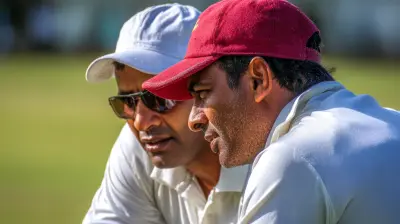
How to Safely Return to Play After an Injury
15 January 2026
There’s nothing more frustrating than being sidelined by an injury, especially when all you want is to get back to doing what you love—playing sports. Whether you're a weekend warrior or a professional athlete, dealing with an injury can feel like hitting the brakes on your progress. However, rushing the return can be dangerous. So, how do you safely return to play after an injury? Let's dive into it!
In this post, I’ll walk you through the essentials of safely getting back into action, offering tips, strategies, and precautions you need to take. Trust me, your future self will thank you for taking things slow and steady—because when it comes to injuries, patience isn’t just a virtue, it’s a necessity.

Understanding the Importance of Proper Recovery

Why Rushing Back Is a Bad Idea
We've all been there. You feel a bit better, the pain has subsided (mostly), and you're itching to get back to the field, court, or gym. But here's the cold, hard truth: rushing back too soon can make things so much worse. Imagine trying to drive a car with a flat tire—sure, you might get a few miles down the road, but eventually, something’s going to give. The same goes for your body.Coming back too quickly can lead to:
- Re-injury: The last thing you need is to hurt yourself again, possibly even worse than the first time.
- Chronic pain: Not allowing yourself to heal fully can lead to lingering pain that could haunt you for years.
- Decreased performance: Even if you think you’re ready, your body might not be 100%, leading to subpar performance and further frustration.
Letting Your Body Heal: The Healing Process Explained
Before we talk about how to return, it's important to understand how your body heals after an injury. When you get hurt, your body kicks into gear to repair the damage. First, inflammation occurs, signaling the start of the healing process. Then, your body replaces the damaged tissue with new, stronger tissue. This takes time—sometimes more than we'd like.The recovery process typically happens in three phases:
1. Inflammation: The first few days after an injury are all about dealing with the initial trauma. Swelling, redness, and pain are common.
2. Proliferation: In this phase, your body starts to produce new tissue to replace what was damaged.
3. Remodeling: The final phase involves strengthening and restructuring the new tissue to handle the demands of physical activity.
Skipping any of these stages or trying to speed them up could mean you're setting yourself up for failure.

Steps to Safely Return to Play After an Injury
1. Follow Your Doctor’s or Physical Therapist's Advice
This one seems obvious, but it’s worth emphasizing: listen to the professionals. They know your injury, your body, and your sport. Your doctor or physical therapist will likely provide a timeline and a set of guidelines to follow. This is your roadmap—stick to it.If you're not sure about something, ask. They can give you specific exercises or stretches to help speed up your recovery, but you have to be diligent in following their recommendations. Trust me, skipping out on PT sessions because you "feel okay" could bite you in the long run.
2. Start With Gentle Movements and Low-Impact Exercises
When you’re first cleared to start moving again, you’re not going straight back to sprints or weightlifting. You need to ease into it. Think of it like warming up your car engine on a cold day—if you hit the gas too hard, too fast, you're going to cause damage.Begin with low-impact exercises like:
- Walking
- Swimming
- Stationary biking
- Gentle stretching
These activities will help your body get used to movement again without putting unnecessary stress on the injured area. Your goal here is not to push through pain but to gradually rebuild strength and flexibility.
3. Focus on Mobility and Flexibility
Once you're cleared for more activity, it’s time to focus on mobility and flexibility. This is crucial because after an injury, your body often compensates in weird ways. For example, if you hurt your ankle, you might subconsciously put more weight on your other leg. Over time, this can lead to muscle imbalances or further injury.Incorporate stretches that target the injured area, but also focus on the surrounding muscles to ensure everything is balanced. Yoga and Pilates are excellent for this because they combine stretching with strength-building, helping you regain full range of motion.
4. Gradually Increase Intensity
Okay, so you’ve been doing your stretches and light exercises. Now what? It’s time to start slowly ramping up the intensity. But—and this is a big but—don't go from 0 to 100. Instead, think of it like a dimmer switch: slowly increasing the intensity over time rather than flipping a switch.Try these steps:
- Increase duration before intensity: For example, if you’re jogging, add more time before trying to speed up.
- Use progressions: If you're lifting weights, start with lightweight, high-repetition sets before moving on to heavier loads.
- Monitor your body: Pay attention to how you're feeling. Any sign of pain or discomfort? Stop immediately and reassess.
5. Don’t Forget Strength Training
Once you’ve gotten back into a rhythm, it’s time to focus on strength training. This is especially important if your injury was a result of weak muscles or imbalances.Strength training helps rebuild muscle and prevent future injuries. It’s crucial to strengthen not only the injured area but also the surrounding muscles, ligaments, and tendons. Keep in mind that your body works as a unit, and a weakness in one area can lead to overcompensation and stress elsewhere.
Some exercises to consider:
- Bodyweight exercises: Squats, lunges, push-ups, and planks are great for building a strong foundation.
- Resistance bands: These are less intense than weights but still provide enough resistance to build strength.
- Stability exercises: Working on balance and core strength is essential to prevent future injuries.
6. Listen to Your Body
This might be the most important step of all: listen to your body. Your body is incredibly smart—it’ll let you know if something’s wrong. If you feel sharp pain, discomfort, or swelling during or after activity, it’s a sign that you’re pushing too hard.It's okay to take a step back if necessary. It’s tempting to power through, but remember, long-term health is more important than short-term gains. It’s better to take an extra week to recover than to spend another three months on the sidelines.
7. Use Proper Recovery Techniques
Even when you’ve returned to play, recovery doesn't stop. Incorporating recovery techniques into your routine will help ensure that you stay healthy and injury-free.Some methods to consider:
- Foam rolling: A fantastic way to release tension in your muscles post-exercise.
- Ice and heat therapy: Use ice for any lingering inflammation, and heat to soothe sore muscles.
- Massage therapy: Getting a professional massage can help loosen tight muscles and improve circulation.
- Sleep: Never underestimate the power of a good night's sleep. This is when your body does most of its healing work.
8. Mental Preparation
Physical healing is only half the battle. After an injury, there’s often a mental hurdle to overcome as well. You might feel anxious or scared that you’ll re-injure yourself, which can lead to hesitation and decreased performance.To combat this, consider working with a sports psychologist or using mental training techniques like visualization. Visualizing yourself performing your sport can help you regain confidence and trust in your body. Working on your mental game is just as important as rehabbing physically.

Final Thoughts
Returning to play after an injury is a journey, not a sprint. It can be frustrating and slow, but taking the proper steps will ensure that you return stronger and healthier. Remember, your body needs time to heal, and pushing too hard too soon can set you back further than you were before.By following your healthcare professional’s advice, starting slowly, focusing on strength and mobility, and listening to your body, you’re setting yourself up for a successful (and safe!) return to the game. Injuries are a bump in the road, not the end of the road.
So, the next time you're tempted to rush back into action, remember that slow and steady wins the race. After all, it's better to miss a game or two than an entire season, right?
all images in this post were generated using AI tools
Category:
Sports MedicineAuthor:

Preston Wilkins
Discussion
rate this article
2 comments
Izaak Velez
Sure, because who wouldn’t want to spend their recovery time obsessively Googling “how not to re-injure myself”? Just follow these expert tips and you’ll be back in no time—unless, of course, you take a wrong step and end up needing a new set of crutches!
February 15, 2026 at 1:48 PM
Preston Wilkins
I understand your frustration! Recovery can be stressful, but focusing on expert guidance can help ensure a safe return to play. Your health is worth the care!
Vivian Whitley
Recovery's an art—master patience and listen to your body. Rushing back only risks the comeback of an old injury!
January 17, 2026 at 11:32 AM
Preston Wilkins
Absolutely! Patience and body awareness are crucial in recovery. Taking the time to heal properly helps prevent re-injury. Thank you for your insight!