How Quarterbacks Could Reshape the NFL in 2027
14 September 2026
The NFL changes constantly, but the forces that shape it move on different clocks. Rule changes happen in an offseason. Scheme trends take a few years. The quarterback position, though, operates on a longer timeline. It shifts when a generation of players enters the league together, when contracts force teams to make hard choices, and when coaching staffs finally admit that what worked five years ago no longer fits the personnel they have.
By 2027, several of those timelines converge. The result will not be a single dramatic moment. It will be a slow reordering of how teams value, develop, and pay the most important position in sports. Understanding that reordering now gives fans, analysts, and anyone who cares about the game a clearer lens for the seasons ahead.
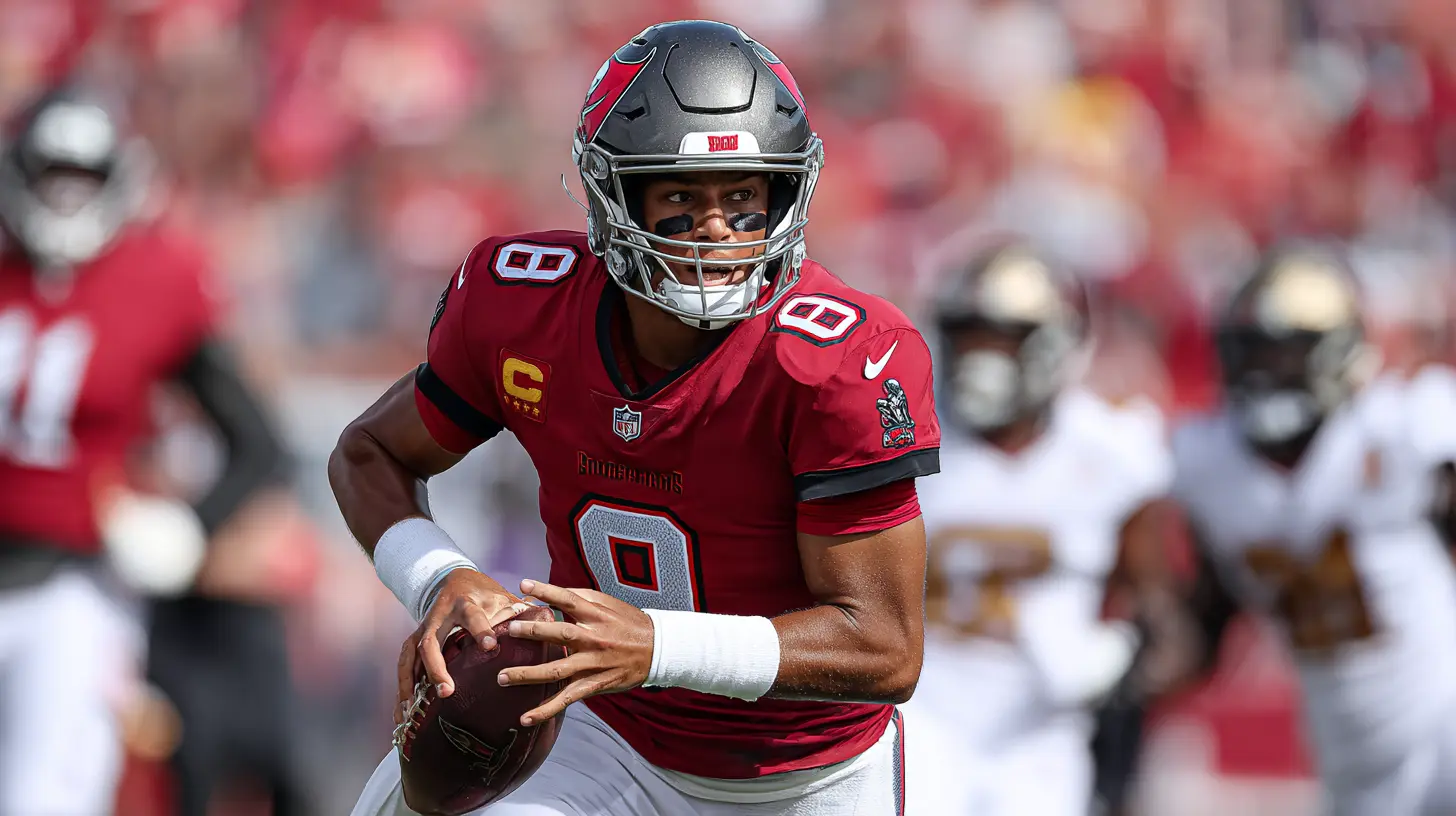
Why 2027 Is a Real Inflection Point
It is tempting to treat any future year as arbitrary. In this case, the date is grounded in a few overlapping realities.First, the rookie contracts of the 2024 draft class will be nearing their end. Teams that hit on a quarterback in that draft will face the same decision every franchise eventually confronts: pay a market-setting extension or move on. The 2027 offseason is roughly when those negotiations become urgent.
Second, the veteran deals signed in the 2023 and 2024 windows will have aged. Some will look like bargains. Others will look like anchors. The gap between those two outcomes will shape which teams can compete and which get stuck.
Third, the college pipeline that has been feeding the league since the late 2010s will have fully cycled through. The style of quarterback entering the NFL in 2027 will reflect how college offenses have evolved, and that style is meaningfully different from what the league was built to defend a decade ago.
None of this guarantees a revolution. It does mean that the assumptions teams carry into 2025 and 2026 will be tested hard by 2027.
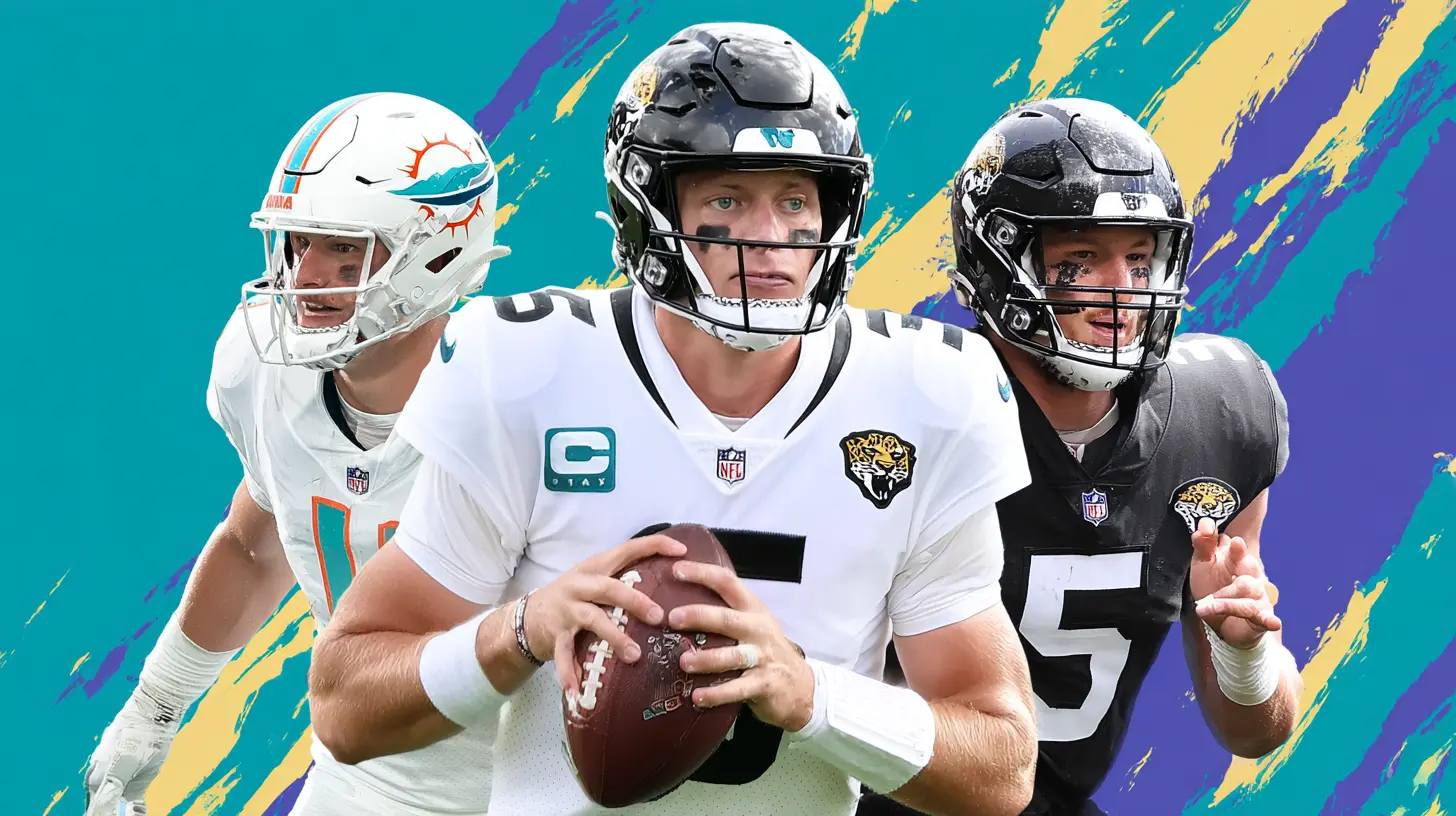
The Contract Math That Forces Decisions
The single most powerful force reshaping the position is not scheme. It is the salary cap.When a quarterback signs a top-of-market extension, his cap number typically stays manageable for the first year or two, then balloons. By the third or fourth year, the team is often paying a figure that consumes a large share of the cap. That is fine if the quarterback is genuinely elite. It becomes a problem when he is merely good.
The mistake many teams make is treating "good" as "elite" at the moment of signing. A quarterback who ranks somewhere between eighth and fifteenth in the league can win a lot of games with a strong roster. But once he is paid like a top-five player, the roster around him thins out. The margin for error shrinks. The team that looked like a contender becomes a team fighting for a wild card.
By 2027, expect more franchises to resist that trap. The smarter approach is to separate two questions that often get merged: Is this quarterback good enough to win with? And is this quarterback good enough to win because of? Only the second category justifies a deal that reshapes the entire cap sheet.
This does not mean teams will suddenly stop paying quarterbacks. It means the middle tier will get squeezed. A quarterback who is clearly a starter but not a difference-maker may find the market colder than he expects. Teams will increasingly prefer a rookie contract or a short-term bridge deal over a long-term commitment that locks in mediocrity.
The Brock Purdy Test Case
The most instructive recent example is the situation San Francisco faced with Brock Purdy. He was a late draft pick who played well enough to keep a talented roster in contention. The question was never whether he could start. It was how much of the cap he should command given that the roster around him was doing a lot of the work.That same question will repeat across the league. When a quarterback's success is partly a product of scheme and supporting talent, paying him as if he is the sole cause of it is a mistake. Teams that understand this will negotiate differently. They will value scheme fit and roster construction over the illusion of a franchise savior.
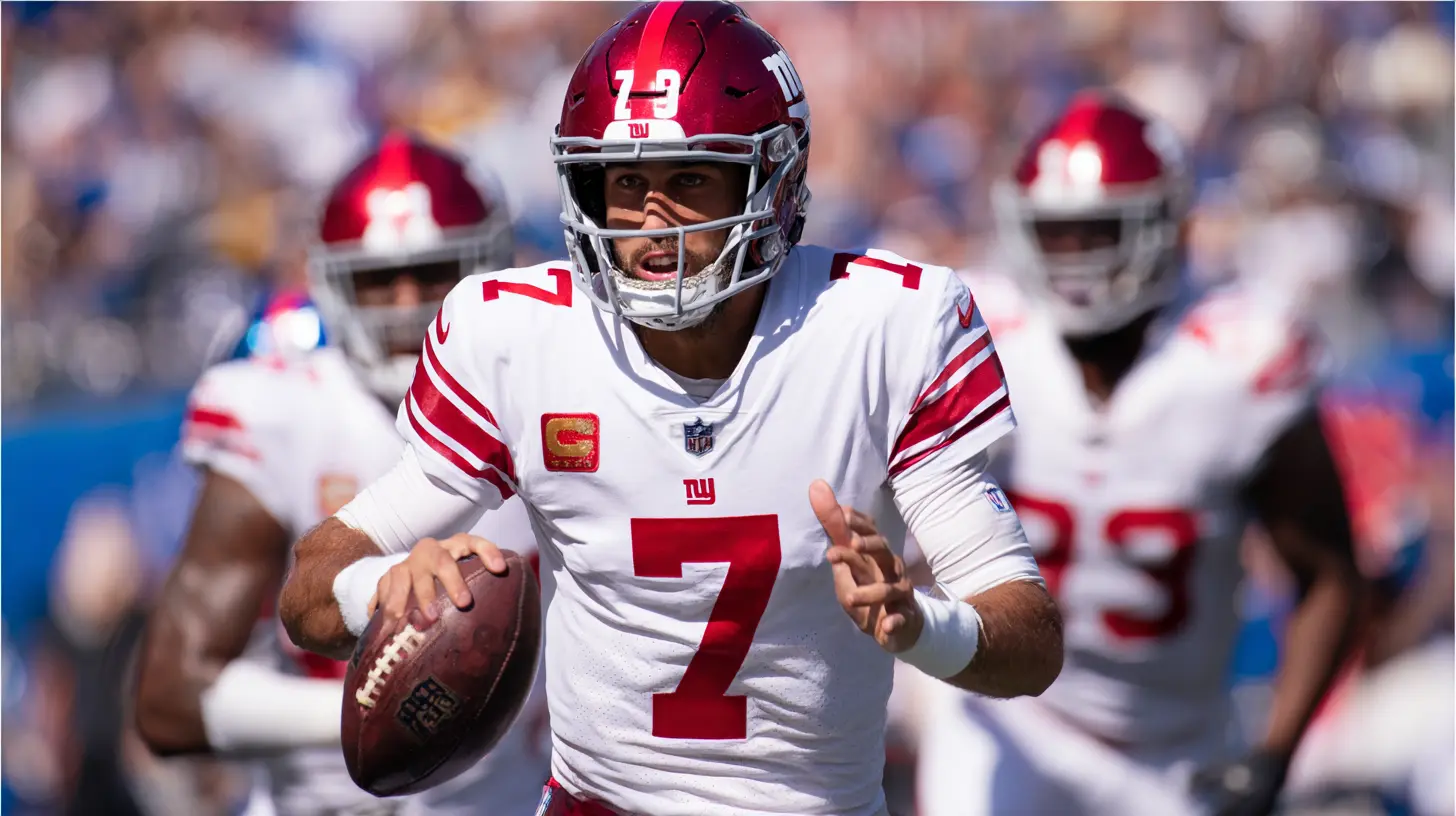
The Two-Tier Quarterback Economy
A likely outcome by 2027 is a more explicit two-tier economy at the position.At the top, a small group of quarterbacks will earn enormous shares of the cap. These are the players who can elevate a mediocre roster, who make everyone around them better, and who are genuinely irreplaceable. Paying them is not a dilemma. It is the cost of doing business.
Below that tier, teams will increasingly treat the position as a rotating asset. They will draft quarterbacks, develop them, and either trade them or let them walk rather than overpay. This is already happening in pockets. By 2027 it could become a standard strategy.
The trade-off is real. Cycling through quarterbacks creates instability. Young players need reps and continuity to develop. A team that churns the position every two years may never find out what it had. So the two-tier economy is not a universal solution. It works best for teams with strong coaching staffs and clear schemes, where a replacement can step in without the whole offense collapsing.
For teams without that infrastructure, the better path may be to pay a good quarterback and accept the ceiling that comes with it. That is not a failure. It is a rational choice. The mistake is pretending the ceiling does not exist.
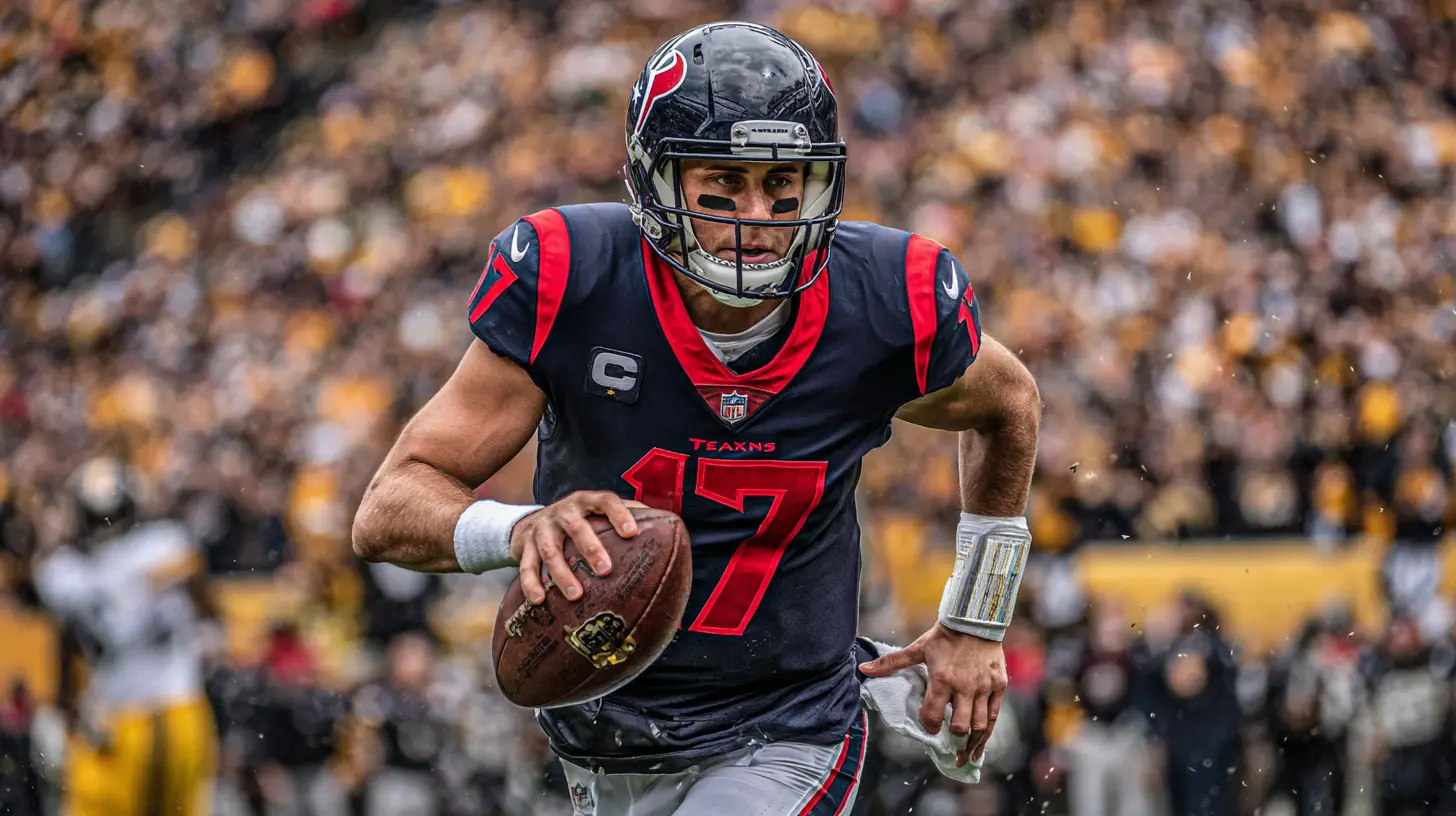
How College Offenses Will Change the Pipeline
The quarterbacks entering the NFL in 2027 will have grown up in spread offenses, run-pass option systems, and tempo-based attacks. Many will have thrown to wide-open receivers created by scheme rather than tight-window throws. That is not a knock on them. It is a description of the environment that produced them.The NFL has already adapted to this. Concepts like play-action from under center, full-field reads, and protection adjustments are now taught at the pro level to players who rarely saw them in college. By 2027, the adaptation may go further.
One possibility is that more NFL offenses will simply adopt college-style principles rather than force players to unlearn them. This is already happening with teams that use motion, tempo, and option concepts to simplify reads. The trade-off is that these systems can limit a quarterback's growth if they never ask him to make difficult throws. A player who only ever operates in a friendly system may struggle when a defense takes that system away.
The best development programs will do both. They will let young quarterbacks play in concepts they know while gradually expanding their responsibilities. The goal is not to mold every player into a classic pocket passer. It is to build a quarterback who can function when the easy answers disappear.
The Rise of the Hybrid Backup
Another shift likely by 2027 involves the backup position.Traditionally, the backup quarterback was a veteran who could manage the game if the starter missed a few weeks. That model is fading. More teams now want a backup who can run a distinct package, often involving mobility and option concepts. The idea is not to replace the starter but to force defenses to prepare for something different.
This creates a roster-building question. Do you pay a veteran backup who can run the full offense, or a cheaper, more specialized player who gives you a schematic wrinkle? The answer depends on your starter. If your starter is durable and the offense is complex, a veteran makes sense. If your starter has an injury history or the offense is adaptable, a hybrid backup can be more valuable.
The risk is that a specialized backup can become a crutch. Coaches may lean on the package instead of developing the starter. Used well, it is a complement. Used poorly, it is a distraction.
Scheme vs. Talent: The Eternal Argument
Every few years the league swings between two beliefs. One is that scheme can create quarterback success. The other is that talent wins regardless of scheme.Both are true in different contexts. Scheme raises the floor. Talent raises the ceiling. A great scheme can make an average quarterback look competent. A great quarterback can make a mediocre scheme look brilliant. The teams that win consistently usually have both.
By 2027, the argument may finally settle into something more nuanced. Coaches will be judged less on whether they run a "pro-style" or "spread" offense and more on whether their system fits their quarterback. That sounds obvious, but it is not how most teams operate. Many still draft a quarterback and then ask him to run whatever the coordinator prefers, rather than building around what the player does well.
The practical advice here is simple. Before committing to a quarterback, decide what your offense actually is. If you cannot describe your system in a few clear sentences, you do not have one. You have a playbook. Those are not the same thing.
What This Means for Teams Without a Franchise Quarterback
For teams stuck in quarterback purgatory, 2027 offers both danger and opportunity.The danger is that the middle tier gets more expensive while the top tier gets further out of reach. If you do not have a difference-maker, you may be forced to overpay for competence or accept a rebuild.
The opportunity is that the position is becoming more scheme-dependent, which means a well-built roster and a clear system can maximize a lesser quarterback. The 2024 and 2025 seasons offered examples of teams winning with quarterbacks who were not considered elite, largely because the surrounding structure was strong. That model is repeatable.
The key is honesty. If your quarterback is a system player, build the system around him and do not pay him like a savior. If he is a genuine difference-maker, pay him and accept the roster consequences. What you cannot do is pay him like a savior while treating him like a system player. That combination produces the worst outcomes in the league.
Common Mistakes to Avoid
Several errors show up repeatedly when teams handle the quarterback position.The first is drafting for need instead of value. Reaching for a quarterback because you do not have one leads to busts and wasted picks. The second is falling in love with arm strength. A strong arm matters, but accuracy, decision-making, and processing speed matter more. The third is ignoring fit. A quarterback who thrived in one system may struggle in another, and that is not always his fault.
The fourth mistake is the most expensive. It is paying for past performance instead of future projection. A quarterback who had a great season in a contract year may never repeat it. Teams that pay based on one outlier year often regret it.
What to Watch Before 2027
If you want to track how this plays out, watch a few specific things.Watch how teams handle their young quarterbacks in years two and three. Are they expanding the offense or keeping it simple? That tells you whether they believe in the player's ceiling.
Watch the trade market for quarterbacks. If more teams start trading starters rather than paying them, the two-tier economy is arriving faster than expected.
Watch the college game. The next wave of quarterbacks is already visible. Their strengths and weaknesses will define what the NFL looks like in 2027.
And watch the coaching hires. A team that hires an offensive-minded coach is signaling that it believes scheme can solve its quarterback problem. Sometimes that works. Sometimes it just delays the inevitable search for a real answer.
The Bottom Line
The NFL in 2027 will not look radically different from today. The changes will be incremental but meaningful. Contracts will get harder to justify. Scheme fit will matter more than raw pedigree. The gap between the truly elite and everyone else will feel wider, even as the middle class of quarterbacks gets more expensive.The teams that navigate this well will share a few traits. They will be honest about what their quarterback is. They will build systems that fit him rather than forcing him into a mold. They will resist the urge to pay for hope. And they will understand that the position is not just about the player. It is about the entire structure around him.
That is not a revolutionary idea. It is simply the truth that the league keeps rediscovering every few years. By 2027, the teams that remember it will have a real advantage.
all images in this post were generated using AI tools
Category:
Season ExpectationsAuthor:

Preston Wilkins
Discussion
rate this article
1 comments
Ashira Mercado
Game changes with innovation.
September 14, 2026 at 3:11 AM