Can New Rules Really Make Sports Safer?
25 June 2026
Sports have always been thrilling, intense, and—let's be honest—sometimes downright dangerous. From bone-crunching tackles in football to high-speed crashes in motorsports, risking injury comes with the territory. But here's the big question: Can new rules actually make sports safer without killing the excitement?
That's a debate that's heating up across the board, and it's not just for players and coaches anymore—it affects fans, leagues, and even youth sports. Let’s dive straight in and break it all down.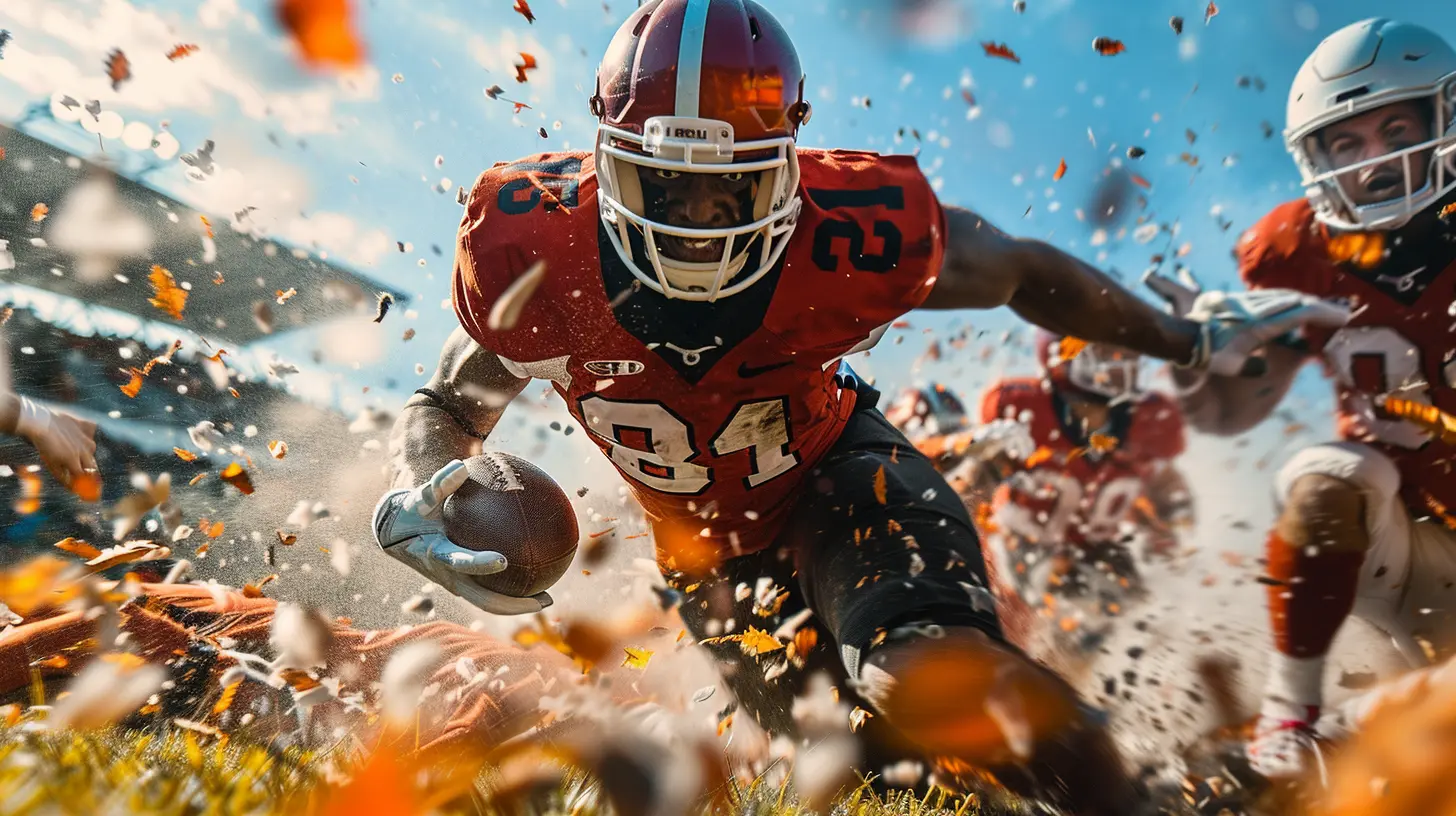
The Reason Behind The Rule Changes
Let’s start from the top—why are we even changing the rules of sports in the first place?In recent years, we've seen a shift. Player safety has moved to the front of the line. With growing awareness about long-term injuries, particularly concussions, there's been a sweeping movement to create safer playing environments.
Think of it like updating the software in your phone. The goal isn’t to ruin the experience but to make everything run smoother—and in this case, safer. Sports governing bodies want athletes to stay on the field longer, recover faster, and avoid life-altering injuries.
What Kind of Rule Changes Are We Talking About?
Rule changes vary depending on the sport, but they typically fall into three big buckets:1. Reducing Contact
In football, both American and international, we’ve seen restrictions on tackles. For instance, in the NFL, there's the helmet-to-helmet contact ban. In soccer, sliding tackles from behind are a big no-no.2. Limiting Dangerous Plays
The NBA has cracked down on flagrant fouls and undercutting players during jump shots. They’re trying to eliminate situations where athletes land awkwardly and get injured.3. Updating Equipment and Tech Rules
Even the gear gets a revamp. Think better helmets in football or improved concussion protocols in hockey. Sometimes rules are adapted just to make sure players are using protective equipment correctly.Each of these changes is intended to cut down on injuries, especially the severe, long-term kind.
So... Do These Rules Actually Work?
Now here’s the million-dollar question. Do these rule changes actually make a difference?Looking at the Numbers
Yes—there’s evidence to back it up. For example:- The NFL reported a drop in concussions after implementing specific rule changes and improving protective gear.
- In rugby, new tackle laws led to a measurable reduction in high-impact collisions.
- High school football teams that adopted safer tackling techniques saw fewer player injuries per season.
It’s not magic, but it’s progress. Injuries haven’t disappeared (and probably never will—it’s still sports, after all), but they’ve definitely declined in many leagues where safety-first rules were introduced.
But... Are We Sacrificing the Soul of the Game?
This is where things get tricky. While safety is crucial, some feel that new rules are watering down the sport.Remember when NFL fans were furious about the "roughing the passer" penalties that seemed... well, kind of ridiculous? Or in basketball, where you can't even breathe on a shooter without getting whistled?
The Athletic Identity Crisis
Some athletes and fans argue that these changes alter the DNA of the game. Sports, by nature, involve risk. That element of danger, the grit, and the rawness—it’s what sets them apart.If we remove too much of that edge, do we risk turning gladiators into ballerinas?
Well, maybe not ballerinas exactly—but you get the point.
The Balancing Act: Safety vs. Spectacle
When sports leagues introduce new rules, they’re walking a tightrope.On one side: Protect players’ health, prolong careers, and avoid lawsuits.
On the other: Keep the game entertaining, competitive, and true to its roots.
The best rule changes are the ones that strike that perfect balance. They reduce risk without turning the game into something unrecognizable.
Imagine driving a Formula 1 car with airbags and lane assist. Sure, it’s safer—but would it still feel like Formula 1?
Are Some Sports Just Naturally Dangerous?
Let’s be real—some sports are inherently risky.- Boxing and MMA involve repeated blows to the head.
- Motocross and downhill skiing? High speeds and high stakes.
- Football and rugby? Full-body contact on almost every play.
Even with the tightest rules in place, you can’t remove all the risks. Athletes know this. It’s part of the deal. The key is managing risk, not eliminating it entirely.
Because let’s face it—if you want a risk-free way to compete, maybe take up chess.
Youth Sports: Where Safety Rules Matter Most
Now let’s shift gears to where rule changes make arguably the biggest impact—youth sports.Young athletes are still growing. Their bones are softer, their brains more vulnerable. Injuries at this stage can have lifelong consequences.
New rules here aren’t just about safety—they’re about instilling the right habits early on.
Examples Worth Mentioning:
- USA Hockey banned body checking for younger age groups.- Pop Warner football limits full-contact practices.
- Youth soccer organizations now restrict headers for players under 11.
These changes teach kids techniques that prioritize form over force. Over time? They build smarter, safer players.
The Role of Technology in Making Rules Smarter
Here’s where things get a little futuristic.Technology is playing a huge role in shaping new safety rules. Sports leagues are using video analysis, motion tracking, and even AI to gather data on injuries.
This data helps them understand:
- When and how injuries happen
- Which movements or plays are most dangerous
- How player fatigue impacts safety
Armed with insights, rule makers can be more strategic rather than reactionary.
It’s like using a GPS instead of guessing the route. Smarter decisions, fewer surprises.
Player Reactions: A Mixed Bag
Not every athlete is thrilled about rule changes.Some feel restricted. Others worry new rules give an unfair advantage to offensive players (especially in contact sports). And many say the spontaneity—the chaos that makes sports so gripping—is being taken away.
But there’s a growing group of athletes who appreciate the changes. As careers extend and health becomes a priority, more players are open to smart safety rules that let them play longer and feel better later in life.
Let’s be honest: Retiring without a trail of surgeries and injuries? That’s a win.
So, Can New Rules Make Sports Safer? Final Thoughts.
Absolutely, they can.The proof is in the numbers, and the intent behind the changes is solid. Injuries are decreasing, and players are more aware than ever about taking care of their bodies.
But rule changes need to be thoughtful. They need input from players, trainers, coaches, and even fans. This isn’t about bubble-wrapping athletes—it’s about giving them the tools to thrive in environments that are just a bit smarter and a lot safer.
In the end, sports will always carry a risk. That’s part of what makes them special. But if we can reduce unnecessary injuries through better rules, while still keeping the heart-pounding moments we all love—why wouldn’t we?
TL;DR Takeaway
Rule changes in sports aren’t about killing fun—they’re about keeping the players we love in the game longer and healthier. The key? Smart rules that walk the line between safety and spectacle.all images in this post were generated using AI tools
Category:
New RulesAuthor:

Preston Wilkins
Discussion
rate this article
1 comments
Inez McClintock
New rules may aim to enhance safety, but often they create a new set of challenges. Sometimes, the best approach is to focus on education and better training.
July 4, 2026 at 2:20 AM
Preston Wilkins
You make a valid point. Education and training are crucial for long-term safety improvements in sports. Rules can help, but they must be paired with effective teaching.