The Role of Balance Training in Reducing Sports Injuries
10 May 2026
When it comes to playing sports, nothing shatters an athlete’s progress more than an injury. Whether you're a weekend warrior, a high school soccer player, or an elite-level competitor, injuries don’t discriminate. And let’s be real — no one wants to be sidelined. That’s why we’ve got to talk about something often overlooked but super important: balance training.
Yep, we're diving deep into how balance — something we usually take for granted — plays a massive role in keeping athletes safe, stable, and strong. So, grab your foam pad and get comfy. Let’s break down how balance training could be your secret weapon to staying off the injury list.

Why Do Athletes Get Injured So Often?
Before we dive into balance training, let’s quickly look at why injuries happen in the first place. Sports are intense. They involve quick starts and stops, unexpected shifts in direction, jumping, landing, twisting — you name it. All of these movements demand a lot from your body, especially your joints, muscles, and coordination systems.Now, when something’s off — poor landing form, weak core, tight ankles, or even just a slippery field — your risk of injury goes way up. Ligament tears, ankle sprains, ACL injuries, and muscle strains often stem from the body not reacting in time or moving incorrectly.
So the million-dollar question is: How do we prepare our bodies to handle all that chaos on the field or court?

That’s Where Balance Training Comes In
Balance training is exactly what it sounds like — exercises designed to improve your body’s ability to stay stable and controlled during movement. But it’s more than just standing on one leg like a flamingo (although that’s a great start).When done right, balance training:
- Sharpens your proprioception (aka your body’s awareness in space)
- Strengthens stabilizing muscles (especially around the ankles, knees, and hips)
- Enhances neuromuscular coordination
- Helps prevent the body from collapsing or twisting in harmful ways
In short, it prepares your body to react better to unexpected movements — which is basically what every sport is full of.
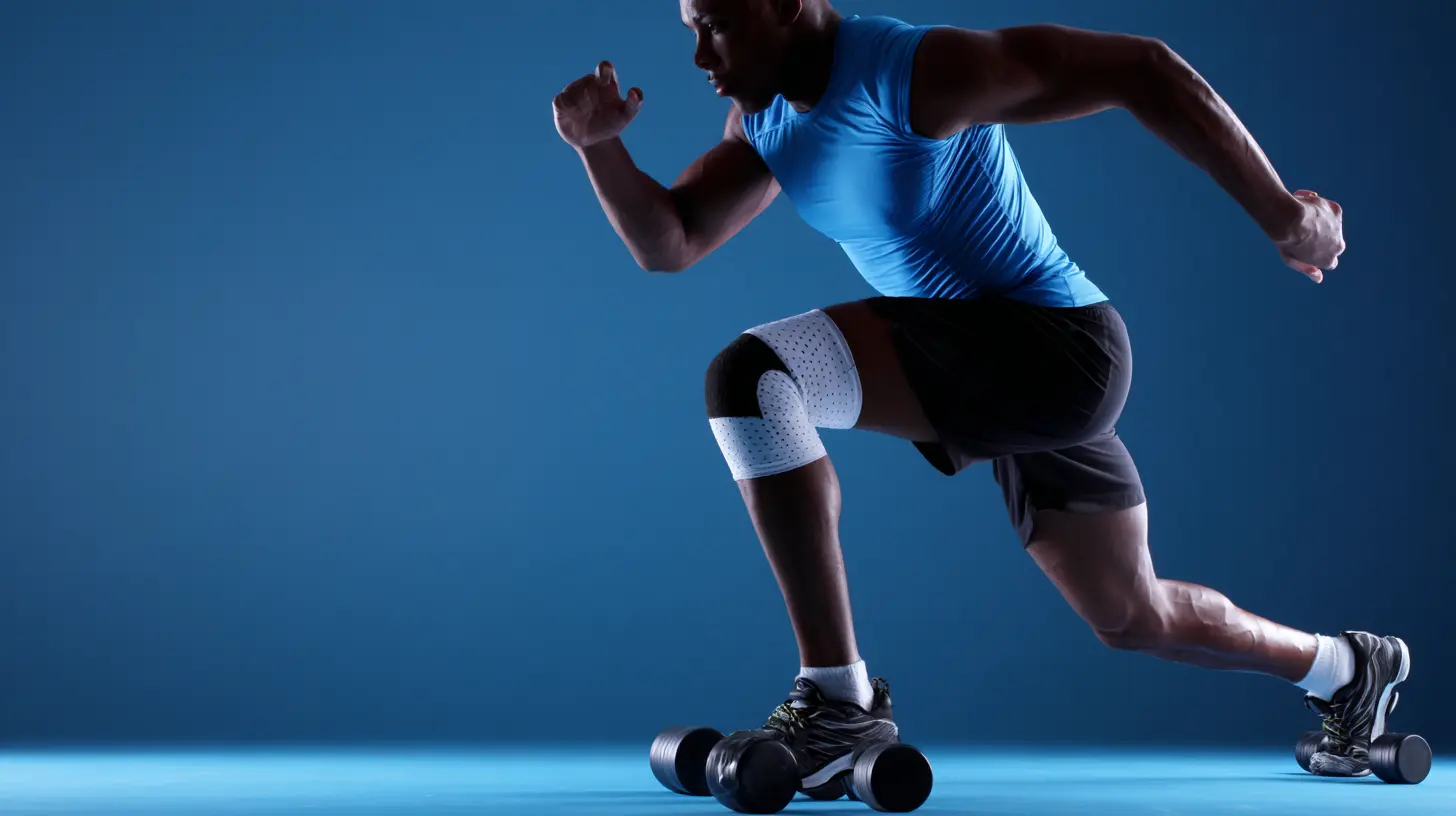
The Science Behind Balance and Injury Prevention
Let’s nerd out a little (just a little, promise). Your body has tons of sensory organs — in your muscles, joints, inner ear — constantly sending info to your brain about how you're positioned. When you trip, jump, or pivot, your brain processes that info and tells your muscles how to react. This all happens in a split second.If your balance system is sharp, you restore your stability quickly and stay injury-free. If it’s sluggish or underdeveloped? Boom — you might twist an ankle or strain a ligament.
Several studies have shown that balance training significantly reduces the risk of ankle sprains, ACL injuries, and falls — especially in athletes involved in high-impact sports like basketball, soccer, and football. And it’s not just for the pros. Even youth athletes see major benefits.

How Does Balance Training Actually Help Athletes?
Balance training works best when it's consistent and progressively challenging. It strengthens not just the big muscles you see in the mirror, but the smaller stabilizer muscles that are often neglected.Here’s how it helps:
1. Improves Reaction Time
In sports, milliseconds matter. If you land awkwardly from a jump but can react fast, engaging the right muscles, you're less likely to get hurt. Balance training speeds up that reflex time.2. Builds Joint Stability
We often think strong muscles mean fewer injuries, but it’s joint stability that really matters. Balance drills force your joints — especially the knees, hips, and ankles — to stabilize under pressure, making them more resilient.3. Corrects Muscle Imbalances
Many injuries are caused by muscle imbalances. For example, one leg might be stronger than the other, or your quads might overpower your hamstrings. Balance exercises often reveal and correct these discrepancies.4. Enhances Core Strength
Every movement in sports starts from your core. Balance work challenges your core in a dynamic way — not just with planks, but with movements that mimic the unpredictability of sports.5. Boosts Coordination and Focus
Balance training makes you more body-aware. That means better foot placement, sharper turns, and smoother landings. Plus, it requires mental focus, which translates well during high-pressure games.Real-Life Scenarios Where Balance Training Pays Off
Let’s paint a few pictures:- Soccer Player: You go for a header and land awkwardly with one foot on uneven turf. If your balance system is trained, your body adjusts mid-air and you land safely.
- Basketball Player: You drive to the basket, get bumped mid-air, and have to twist to land. If your stabilizers are strong, you absorb the impact without twisting your knee.
- Runner: You hit a pothole during a morning jog. If your ankles and core are tuned in, you stay upright instead of face-planting.
Balance isn't just for gymnasts or ballet dancers. It’s for every athlete who wants to stay in the game.
Simple Balance Exercises To Get You Started
You don’t need a fancy gym or equipment to start improving your balance. Here’s a no-nonsense list of exercises you can do almost anywhere:1. Single-Leg Stands
- Stand on one foot for 30 seconds.- Try it with eyes closed or on an unstable surface.
- Progress by adding light arm or leg movements.
2. Balance Board Work
- Use a wobble board or Bosu ball.- Do squats or lunges on the unstable surface.
3. Walking Lunges
- Take long lunges and pause in the bottom position.- Focus on keeping your balance and posture upright.
4. Single-Leg Deadlifts
- Reach forward with both hands while standing on one leg.- Control the descent and return to standing without wobbling.
5. Jump Landings
- Practice jumping and landing softly with knees bent and stable.- Add side-to-side movements to simulate sports action.
Stick with it, and you’ll notice better control, coordination, and confidence in movement.
When Should You Do Balance Training?
Ideally, you’ll want to blend balance work into your regular routine 2-3 times a week. It doesn’t need to be a full 60-minute session — even 15-20 minutes goes a long way.Try adding balance drills:
- During your warm-up as activation work
- On rest or recovery days
- As part of your strength-training supersets
- After cardio sessions to enhance neuromuscular fatigue resistance
The key is consistency. Think of it like brushing your teeth — quick, daily practice that pays off in the long run.
Common Misconceptions About Balance Training
Let’s bust a few myths real quick.1. _“Balance training is only for older adults or injured people.”_
Wrong! While it definitely helps those groups, balance work is essential for athletes of all ages to prevent injury and improve performance.2. _“It’s not as effective as weight lifting or cardio.”_
Different purpose, my friend. Weight lifting builds strength, cardio boosts endurance, and balance training builds stability. Together, they create a well-rounded athlete.3. _“I have good balance already.”_
Sure — until you're tired, mid-sprint, and get shoved sideways. Balance under pressure is a whole different beast.How Balance Training Fits Into Injury Prevention Programs
More and more athletic programs are incorporating balance into injury prevention routines. You’ll often see it paired with plyometrics, strength, and mobility work in programs like FIFA 11+ (used widely in soccer) or neuromuscular training workouts in basketball and volleyball.The goal isn’t just to heal injuries — it’s to stop them from happening in the first place. And that’s gold.
Final Thoughts: Be Proactive, Not Reactive
Injuries suck — plain and simple. But they’re not just bad luck. Often, they’re a sign that something in our training is missing. Balance training fills in that gap. It teaches your body to move smarter, react quicker, and stay strong in the most chaotic moments.So whether you're chasing a personal record or just trying to enjoy the game pain-free, take your balance seriously. A few minutes here and there could save you months on the sidelines.
Train smart, move well, and stay balanced.
all images in this post were generated using AI tools
Category:
Sports MedicineAuthor:

Preston Wilkins
Discussion
rate this article
1 comments
Lyla Parker
Great article! Balance training is often overlooked but it's so important for injury prevention. I love how you highlighted its role in enhancing athletic performance. Keep up the good work!
May 10, 2026 at 4:23 AM
Preston Wilkins
Thank you! I'm glad you found it valuable. Balance training truly does play a crucial role in both injury prevention and performance. Appreciate your support!