Why Sportsmanship Awards Matter More Than Ever
9 August 2026
Introduction
Sports have always been about more than just winning and losing. While everyone loves a good competition, there’s something even more important that often gets overlooked—sportsmanship. And in today's world, where social media and heated rivalries sometimes take center stage, sportsmanship awards are more essential than ever.
These awards celebrate fairness, respect, and integrity—all values that go beyond the game itself. But why do they matter so much in today’s sporting world? Let’s dive in and uncover why sportsmanship awards deserve more attention. 
The True Meaning of Sportsmanship
Before we dig into why these awards matter, let's first define sportsmanship. At its core, sportsmanship is about respect—respect for teammates, opponents, officials, and the game itself. It’s what separates a great athlete from a truly inspirational one.Think about the moments in sports that stick with you the most. Is it always the game-winning goal or the championship-clinching dunk? Or is it those heartwarming moments when an athlete helps an injured opponent, shows humility in victory, or keeps their cool under pressure?
The Key Elements of Sportsmanship
Sportsmanship isn’t just one thing—it’s a mix of different qualities that make an athlete truly great:- Respect – Treating others fairly, whether they’re teammates, opponents, or referees.
- Integrity – Competing honestly and fairly, without bending the rules for an advantage.
- Humility – Celebrating victories with grace and accepting losses with dignity.
- Compassion – Supporting others, even when they’re on the opposing team.
These values don’t just make someone a better athlete—they make them a better person. 
Why Sportsmanship Awards Are More Important Than Ever
1. The Rise of Unsportsmanlike Behavior
Let’s be honest—gone are the days when sports were just about the love of the game. With social media, high-stakes contracts, and cutthroat rivalries, poor sportsmanship has become more common.From trash talk turning into full-blown fights to athletes disrespecting officials, we’ve seen it all. And unfortunately, young athletes are watching and learning from these moments. Think about it—if their heroes show poor sportsmanship, what message does that send?
That’s where sportsmanship awards come in. By highlighting and rewarding respect and integrity, these awards remind athletes (and fans) that character matters just as much as talent.
2. Setting the Right Example for Future Generations
Kids look up to their favorite athletes. They mimic their moves, their celebrations, and, yes, even their attitudes. If they see unsportsmanlike behavior being glorified, they might think that’s the way to succeed.But when leagues and organizations celebrate good sportsmanship, it sets a different example—one that teaches young athletes that how you play is just as important as the final score. These awards reinforce that the best players aren’t just the most skilled; they’re also the most respectful, humble, and fair.
3. Strengthening Team Bonds and Competition
Sports aren’t just about individual greatness—they’re about teamwork, too. A team filled with selfish, arrogant players is bound to struggle. But when athletes prioritize sportsmanship, they build stronger bonds that lead to success both on and off the field.Great sportsmanship also enhances competition. When players respect each other, the game becomes more about skill and less about dirty tricks or unnecessary drama. Think about classic rivalries—it’s always more exciting when teams battle it out with heart and respect rather than bad blood and cheap shots.
4. Encouraging Mental Strength and Resilience
Let’s face it—losing is tough. But every great athlete will tell you that losing is just part of the journey. Sportsmanship awards emphasize the importance of handling defeat with class, which is a valuable life lesson.Athletes who learn to lose gracefully develop mental toughness. Instead of throwing tantrums or making excuses, they learn, improve, and come back stronger. That’s a skill that translates beyond sports—it helps in school, work, and life in general. 
Legendary Moments of Sportsmanship
Still not convinced that sportsmanship awards are valuable? Let’s take a look at a few unforgettable moments that define why sportsmanship is worth recognizing.1. Derek Redmond & His Father - 1992 Olympics
During the 1992 Olympics, British sprinter Derek Redmond tore his hamstring mid-race. In excruciating pain, he tried to finish the race despite knowing he wouldn’t win. Suddenly, his father ran onto the track, ignoring security, and helped him cross the finish line.That moment wasn’t about gold medals—it was about heart and resilience. And that’s what true sportsmanship represents.
2. Abbey D’Agostino & Nikki Hamblin - 2016 Olympics
During the 5,000m race in Rio, Abbey D’Agostino and Nikki Hamblin tripped and fell. Instead of immediately getting up and trying to win, D’Agostino helped Hamblin to her feet, encouraging her to keep going.That moment wasn’t about finishing first—it was about helping a fellow competitor in need. These are the kind of actions sportsmanship awards shine a light on.
3. Cristiano Ronaldo Comforting Gianluigi Buffon - 2018 Champions League
After a dramatic loss in the Champions League, Buffon was heartbroken. Instead of celebrating wildly, Ronaldo consoled him, showing immense respect for his opponent.That kind of sportsmanship proves that even the biggest superstars understand that respect is more important than rivalry. 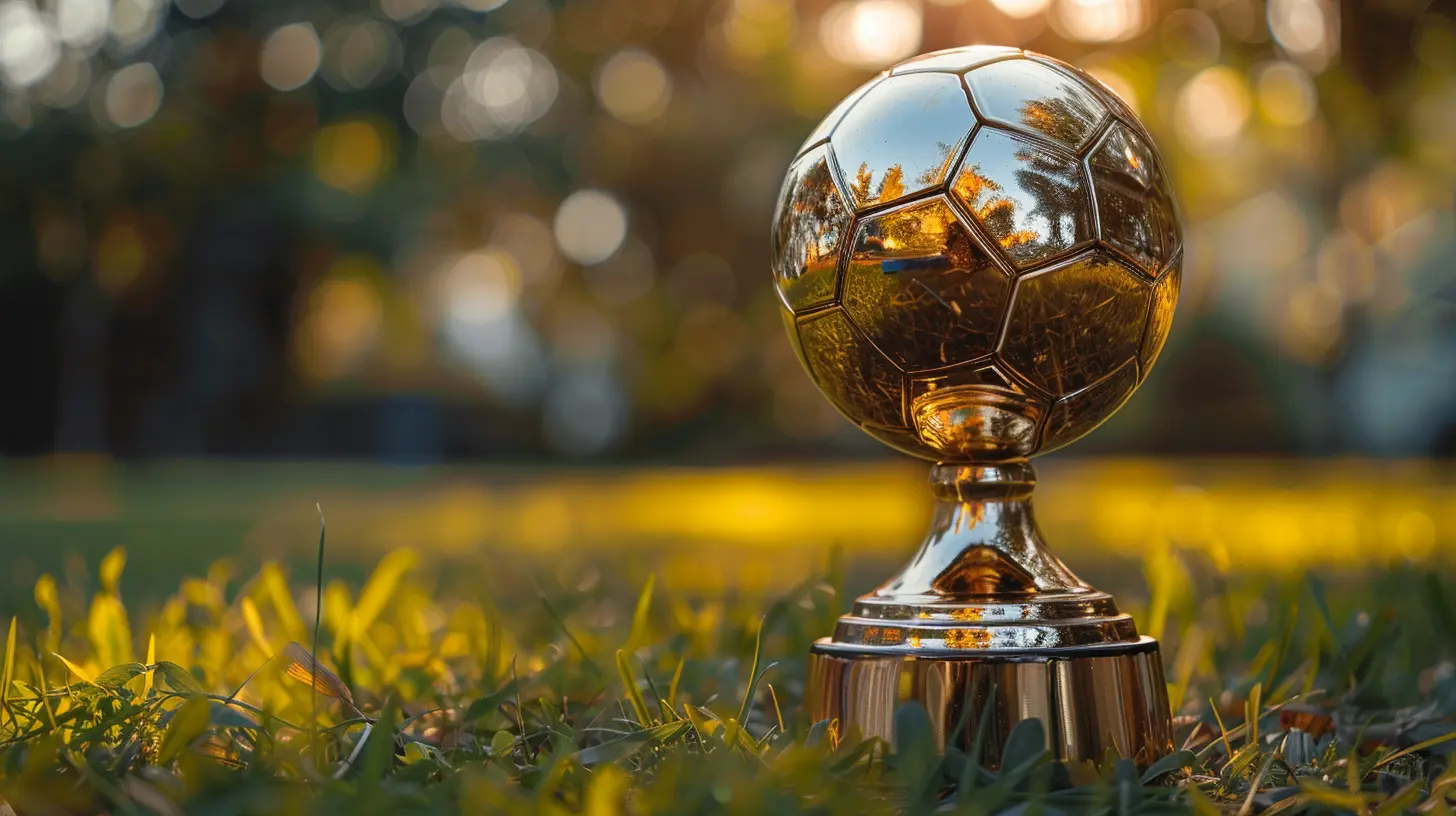
How Organizations Can Promote Sportsmanship
Recognizing and rewarding sportsmanship should be a priority for sports organizations, schools, and leagues. Here’s how they can make a difference:- Create annual sportsmanship awards – Highlight athletes who exhibit exceptional integrity and respect.
- Incorporate sportsmanship training – Teach young athletes about ethics and values alongside physical training.
- Encourage role models – Feature stories of good sportsmanship in media and broadcasts.
- Enforce strict penalties for unsportsmanlike behavior – Make sure poor conduct has real consequences.
Good sportsmanship isn’t just expected—it needs to be celebrated just as much as skill and talent.
Conclusion
At the end of the day, sportsmanship awards are more than just another trophy on a shelf. They represent values that shape athletes into better people. They remind us that respect, integrity, and humility matter just as much as winning.In a world where negative behavior often gets the spotlight, sportsmanship awards shine a light on the best side of sports—fair play, respect, and compassion. And if we want the next generation of athletes to embody those values, it’s up to us to reward and celebrate them.
Because in sports, and in life, how you play is just as important as the final score.
all images in this post were generated using AI tools
Category:
Sportsmanship AwardsAuthor:

Preston Wilkins
Discussion
rate this article
1 comments
Nicole Martinez
Awarding character shapes champions' futures.
August 17, 2026 at 10:52 AM