When Winning Isn’t Everything: Celebrating the Spirit of Fair Play
8 November 2026
Let’s face it. In the world of sports, winning can feel like everything. The trophies, the fame, the adrenaline rush—it’s addictive. But is that really all there is to it? What if I told you that sometimes, the true magic of sports isn't in who scores more points, but in how the game is played?
The real beauty of sports lies deeper than medals and podiums. It’s about character. Respect. Integrity. That’s where the spirit of fair play comes in, reminding us that competition should elevate us—not divide or degrade. So, let’s dive into why, even in a world obsessed with victory, fair play might actually be the biggest win of all.
What Is Fair Play, Really?
Fair play is not just a rule in the handbook—it’s a mindset. It means playing with honesty, respecting your opponent, accepting decisions with grace, and never bending the rules just to win. It’s showing that you value the game more than the glory.Kind of like choosing to take the hard way when the shortcut is right there in front of you. Tough? Yeah. Worth it? Always.
Not Just for Kids Anymore
We’ve all heard “It’s not whether you win or lose, it’s how you play the game” growing up. But somehow, as we get older, that phrase starts to fade. Especially in professional sports, where millions of dollars and national pride ride on every game. But here’s the thing—fair play isn’t child’s play. It’s what separates true champions from sore winners.
Famous Moments Where Fair Play Took the Spotlight
Let’s take a walk down memory lane. These are the kinds of stories that give you goosebumps—times when athletes chose honor over victory.1. The Long Jump That Won Hearts (Luz Long & Jesse Owens)
In the 1936 Berlin Olympics, Nazi propaganda was at its peak. Enter Jesse Owens, a black American athlete. Owens had fouled his first two jumps. Then came German athlete Luz Long, his main rival. What did Long do? Gave him advice on where to start his run to avoid fouling. Not only did Owens qualify, but he also won gold—and the two shared an unforgettable moment of respect.Long didn’t win that day, but he became a legend.
2. The Marathon Finish That Defined Humanity (Abbey D’Agostino & Nikki Hamblin)
During the 2016 Rio Olympics, a nasty collision left Abbey and Nikki lying on the track in pain. Instead of rushing back into the race, they helped each other rise and finish—arm in arm. They didn’t win medals, but they won something bigger: the heart of the world.3. The Football Foul That Wasn’t (Paolo Di Canio)
In 2000, the opposing goalkeeper collapsed unexpectedly. Di Canio had an open goal in front of him. Any striker’s dream. But instead of scoring, he caught the ball and stopped the game to allow the medics to take care of the keeper. Talk about class.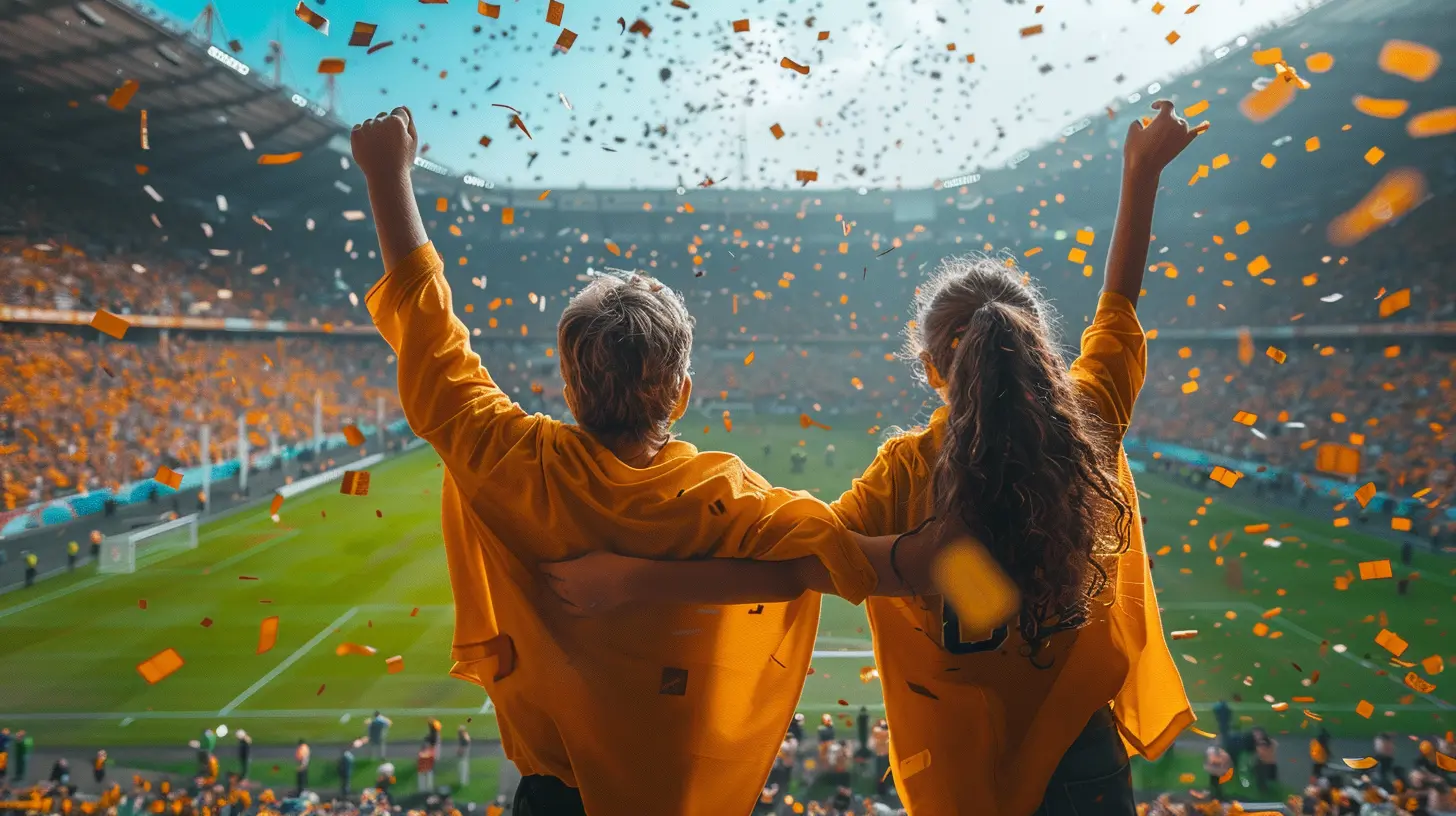
Why Fair Play Matters More Than Ever
In a time where trash talk trends and “by any means necessary” gets more airtime than sportsmanship, fair play is almost... rebellious. But that’s exactly why it matters so much.1. It Builds Character
Winning can teach you a lot. But losing with grace? That’s next-level growth. Fair play pushes athletes to compete at their best without compromising their values. It builds character both on and off the field.2. It Inspires the Next Generation
Kids are always watching. If we want future athletes to value sportsmanship, we’ve got to show them what it looks like. When professionals lead with fairness, they plant seeds of integrity that last far longer than any highlight reel.3. It Makes the Game Worth Playing
Look, nobody likes a cheater. If athletes start cutting corners just to win, it chips away at the soul of the sport. Fair play keeps the competition real, and makes every victory feel earned.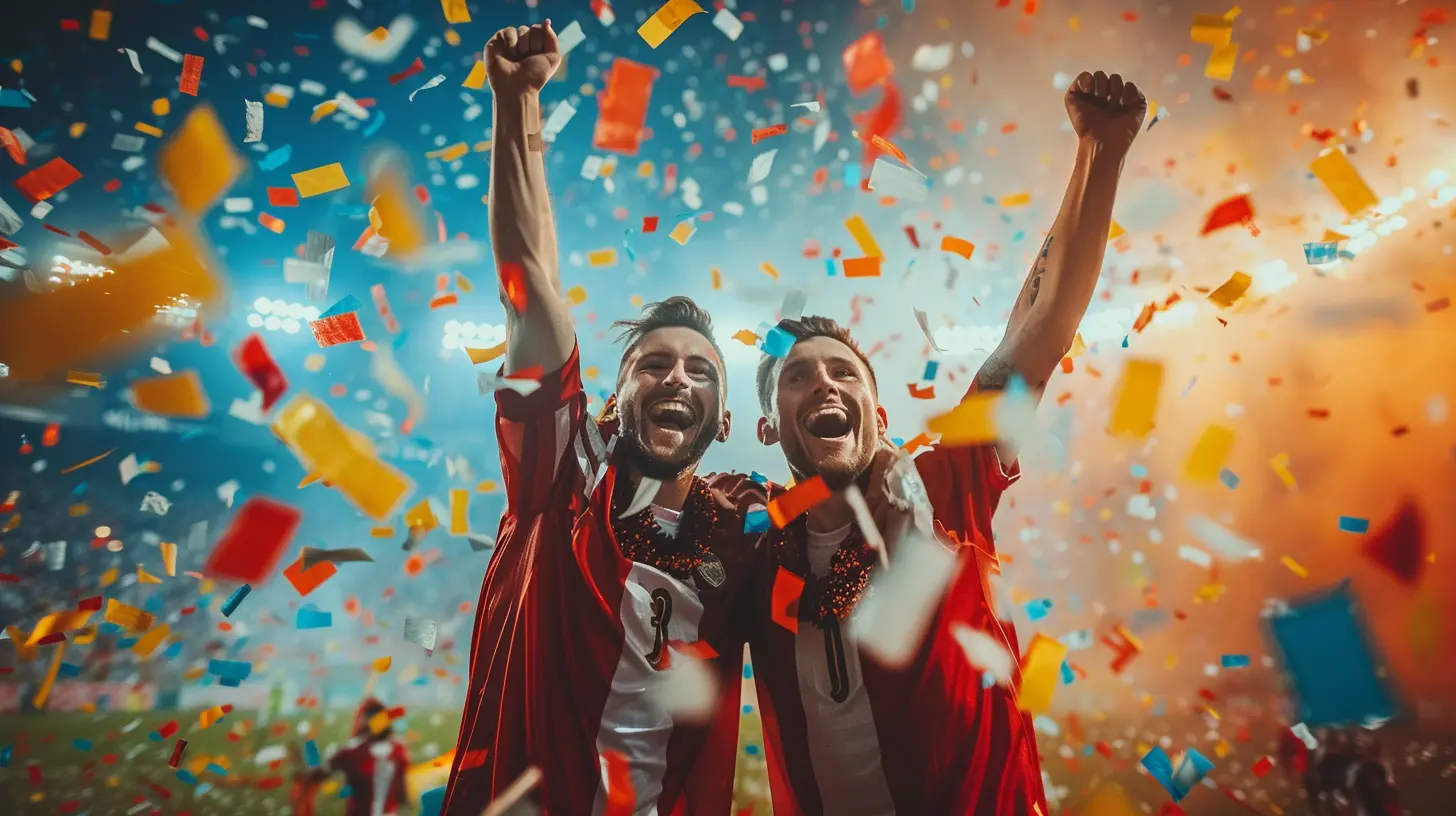
Fair Play Versus "Win at All Costs"
Here’s the truth: our sports culture often rewards results over respect. That “win at all costs” mentality is like a shiny car with no engine—looks good on the outside, but it won’t take you far.When athletes, coaches, or fans sacrifice ethics to secure a win, it leaves a bad taste. Remember the scandals? The doping, the fake injuries, the bribes? Sure, a win might show up in the record books. But that doesn’t mean anyone respects it.
On the flip side, fair play might not always give you headlines—but it will give you a reputation worth having.
Teaching Fair Play from the Ground Up
This isn’t just a message for the pros. Fair play starts at practice. At school games. Backyard matches. Coaches, parents, and even teammates all play a hand in shaping what winning really looks like.Tips for Cultivating Fair Play
- Praise effort, not just outcome: Focus on how hard someone worked, not just whether they won.- Make respect non-negotiable: Teach players to respect referees, opponents, and the game itself.
- Call out bad behavior early: Don’t wait until it turns into a bad habit.
- Lead by example: Whether you’re a coach or a captain, your attitude sets the tone.
Fair Play in Different Sports
Fair play looks a little different across sports—but the heart of it stays the same.In Soccer (Football)
Respecting the whistle, no diving, kicking the ball out when someone’s injured. These small actions speak volumes.In Basketball
Helping an opponent up after a nasty fall, not flopping to draw fouls—that’s fair play in action.In Tennis
Calling out your own faults (yes, even in friendly matches), applauding your opponent's great shots… That's sportsmanship in its purest form.In Combat Sports
Think it can’t exist where knockouts are the goal? Think again. Touch gloves, follow the rules, show respect before and after—true fighters know the game is about honor, not hate.The Role of Fans and the Media
It’s easy to point fingers at athletes, but let’s be honest—fans and media have a huge influence.When fans boo an opponent or cheer a dirty play, they reinforce bad behavior. When media glorifies controversy over character, they send the wrong message. But when we celebrate fair play? That’s when change starts.
So next time you’re watching a game, look out for those little moments of sportsmanship. Cheer those just as loud.
What Happens When Fair Play Wins
Want to know the best part? Fair play doesn’t just feel good—it turns moments into movements.Athletes who model fair play often become symbols of something much bigger. They get invited to speak at schools, their stories get turned into documentaries, they get remembered long after their stats fade away. Their careers become legacies.
And for the rest of us? It reminds us that life—just like sports—is not always about being first. It’s about being right.
Wrapping It Up: The Real Win
So, yeah, winning is great. But winning without honor? That’s just numbers on a scoreboard.When athletes compete fiercely but fairly, treat opponents with respect, and uphold the soul of the sport—they show us that the game is bigger than any one player. That’s when we get the chills. That’s when kids find heroes worth emulating. That’s when sports move from entertainment to inspiration.
Because at the end of the day, fair play doesn’t mean you don’t care about winning. It means you care about how you win.
So whether you're a weekend warrior, a die-hard fan, or a future pro—remember this: trophies collect dust. Character doesn’t.
all images in this post were generated using AI tools
Category:
Sportsmanship AwardsAuthor:
Preston Wilkins