What Makes the 2026 F1 Season One to Watch?
5 October 2026
Every Formula 1 season arrives with a built-in sales pitch. New cars, new rivalries, another chapter in the sport's long story. Most years, that pitch is mostly noise. The regulations stay stable, the pecking order barely shifts, and by mid-season you can predict the podium with reasonable confidence.
2026 is different. It is the kind of season that comes around maybe once a decade, when the rulebook gets rewritten from the ground up and the entire competitive order is genuinely up for grabs. If you have been waiting for a reason to pay close attention to F1 again, or if you are a longtime fan trying to understand why everyone in the paddock is talking about this year, this is the season that deserves your attention.
Let me walk through what is actually changing, why it matters, and what to watch for as the year unfolds.
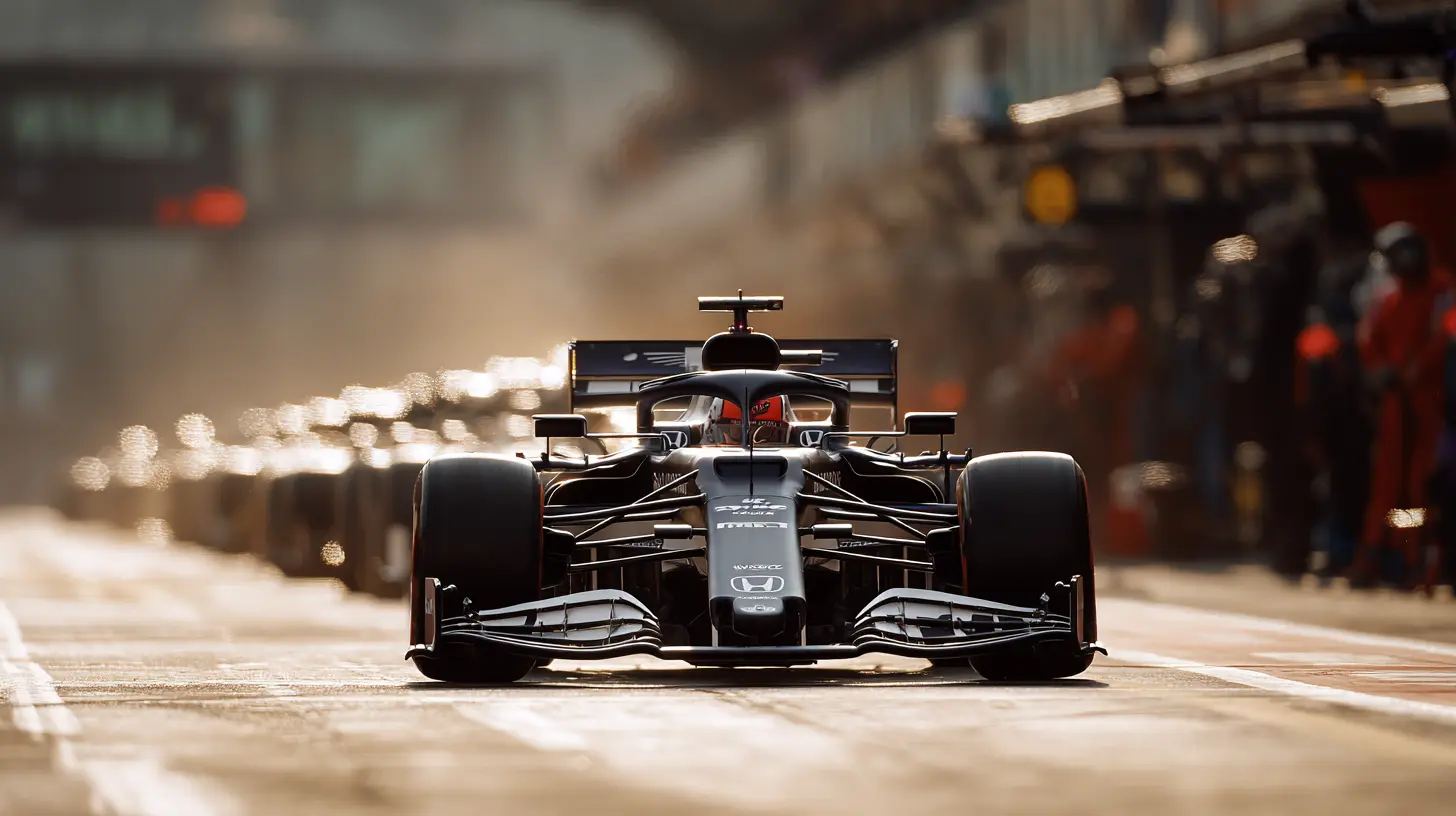
The Regulations Are the Biggest Story
The last major technical overhaul came in 2022, when F1 switched to ground-effect aerodynamics. That change reshuffled the grid and gave us the modern era of Red Bull dominance, followed by a genuine multi-team fight at the front. But 2026 is a much deeper reset than 2022 was.Three things are changing at once: the power units, the aerodynamic philosophy, and the cars' physical dimensions and weight. When you change that much simultaneously, you are not tweaking the competitive order. You are rebuilding it.
Teams that nailed the last set of rules have no guarantee of carrying that advantage forward. Teams that were stuck in the midfield suddenly have a clean sheet. That is the core reason this season is worth your time.
Power Units: A Near 50/50 Split Between Combustion and Electric
The 2026 power units keep the same basic architecture as the current ones: a 1.6-liter turbocharged V6 internal combustion engine paired with hybrid components. But the balance shifts dramatically.Under the current rules, the electrical side of the power unit contributes a relatively modest share of total output. For 2026, the electrical component's power is set to increase substantially, and the internal combustion engine's output is being reduced. The result is a power unit where the split between combustion and electric power is far closer to even than it has ever been in F1 history.
Why does this matter so much? Because it changes how a lap is driven.
In the current era, a driver manages tires, fuel, and the occasional energy deployment. In 2026, energy management becomes a central, constant part of the job. Drivers will be harvesting energy under braking and sometimes under partial throttle, then deploying it strategically. On some tracks, a driver might have to lift and coast not just to save fuel but to recharge the battery so there is enough electrical power available for the next straight.
This is a real trade-off. It rewards drivers who are technically sharp and disciplined with energy use. It also risks frustrating fans who want to see flat-out racing rather than what some critics worry could become a fuel and energy economy run. Both perspectives are legitimate, and how the racing actually looks on track will be one of the defining debates of the season.
Active Aerodynamics: Cars That Change Shape
For the first time, F1 cars will have movable front and rear wings that shift between low-drag and high-downforce configurations. The idea is to reduce drag on straights for better efficiency and higher top speeds, then snap back to high downforce for cornering grip.This replaces the current Drag Reduction System, or DRS, which only opens the rear wing and only in designated zones. The 2026 system is more sophisticated and, in theory, more natural. Instead of an artificial overtaking aid you can only use in certain places, the car's aero shape becomes a dynamic part of every lap.
The concern is complexity. If the transition between modes is not seamless, or if drivers have to manage it manually at the wrong moments, it could create mistakes and unpredictable behavior. The best teams will integrate it into the car's overall balance so smoothly that you barely notice it working. The worst will struggle with a car that feels different from corner to corner.
Smaller, Lighter Cars
The 2026 cars are set to be narrower and lighter than the current generation. This sounds like a small detail. It is not.Modern F1 cars have grown heavy and wide, which makes them harder to race wheel-to-wheel on tight circuits and puts more stress on tires. Trimming weight and width should improve agility and make close racing more viable. Lighter cars also tend to be kinder on their tires, which opens up more strategic options during a race.
The catch is that lighter and narrower does not automatically mean better racing. Aero still dominates. If the new cars produce turbulent air that makes following difficult, the size reduction will not save the show on its own. The regulations aim to address this too, but aero is stubborn, and teams will spend the whole season finding ways to claw back downforce that hurts the cars behind.
Why the Competitive Order Could Flip
Here is the part that should genuinely excite you. When regulations change this much, past performance becomes a weak predictor of future results.Think back to 2014, when F1 introduced the turbo-hybrid power units. Mercedes, a team that had been competitive but not dominant, absolutely nailed the new rules and went on a run of championships that lasted most of a decade. Meanwhile, some teams that had been strong before 2014 fell back. The reset did not just shuffle the deck. It handed the deck to whoever read it best.
2026 has the same potential.
The Engine Manufacturers' Gamble
The power unit rules are attracting new manufacturers and reshaping existing ones. Audi is entering as a works team. Ford is partnering with Red Bull. Honda is returning in a new capacity. Existing manufacturers like Mercedes, Ferrari, and Renault are all building to the new rules.Every one of these programs represents years of investment and engineering risk. The manufacturer that gets the energy management and combustion efficiency right could hold a decisive advantage for years. The one that gets it wrong could be stuck for the entire regulation cycle, because power unit development is frozen or heavily restricted once the season begins.
That is the brutal reality of F1 regulation cycles. You cannot easily fix a bad power unit mid-season. If a manufacturer misjudged the concept, its teams will pay for it all year, and possibly for several years.
Chassis and Aero Teams Start From Scratch
On the chassis side, every team is designing a car to a new aerodynamic rulebook. The team that dominated the previous era has no inherent advantage here. Its wind tunnel data from the old rules is largely obsolete.This is where a team like McLaren, which has shown strong development pace in recent years, or a resurgent Ferrari, could make a leap. It is also where a team that has been mid-pack could suddenly find itself fighting at the front, simply because it bet on the right concept early.
The flip side is equally true. A team that misreads the aero regulations could tumble down the order fast. History is full of examples of teams that won under one rule set and then fell apart under the next.
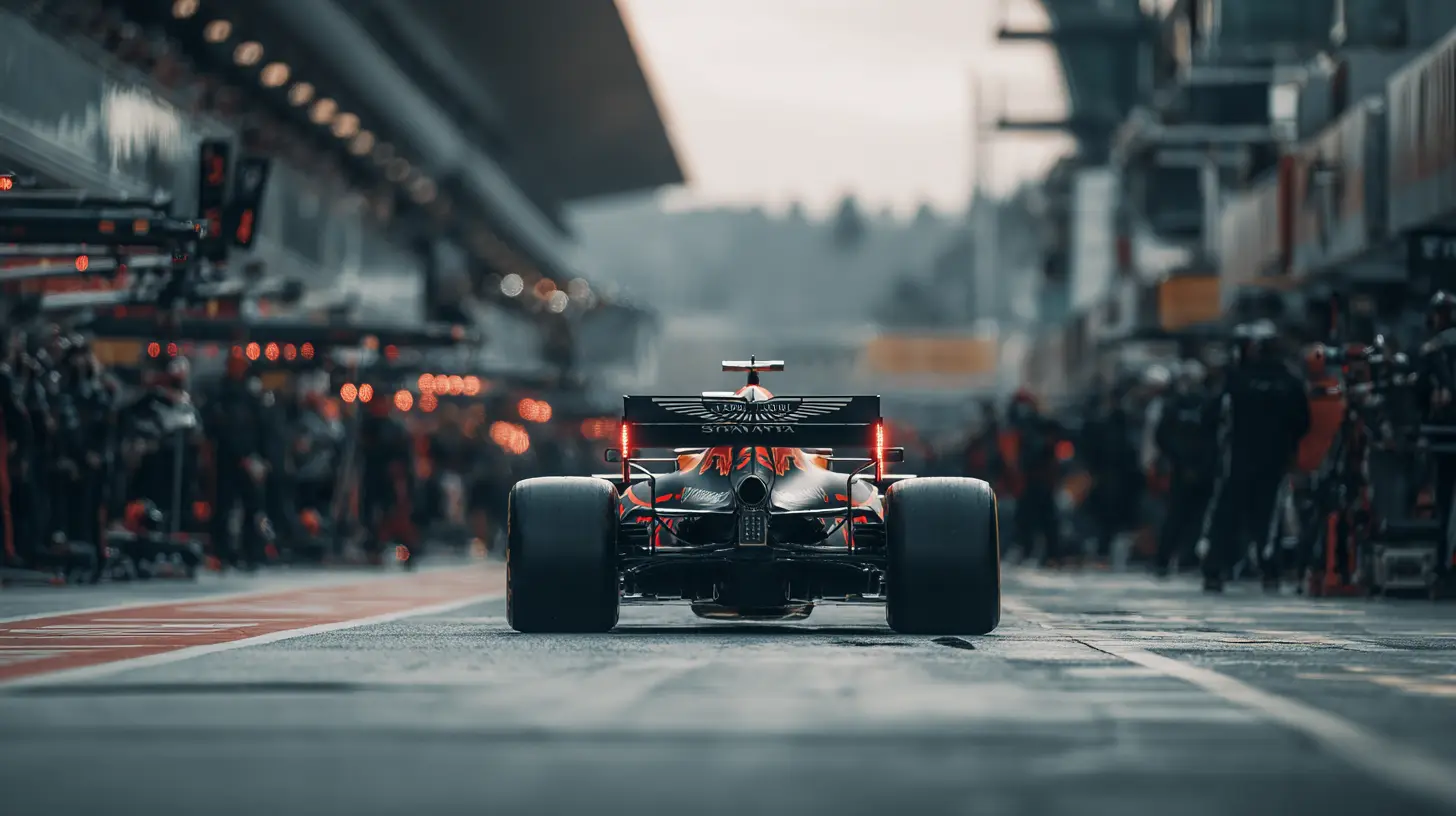
The Human Stories That Will Define the Year
Regulations are the framework. Drivers and teams are the drama. And 2026 has no shortage of storylines.Driver Market Chaos
New rules often trigger driver movement. Teams want experienced drivers who can adapt to unfamiliar cars, and they want young drivers who are cheap and fast. The 2026 season sits at the intersection of several contract cycles, and the driver market has been unusually active.Add the arrival of a new works team in Audi and the reshuffling at other teams, and you get a grid that looks meaningfully different from the one we have watched for the past few seasons. New pairings mean new internal rivalries, new team dynamics, and new pressure on drivers to prove they belong.
The Rookie Question
Every regulation change is a reset that can favor adaptability over experience. A rookie who has never driven the old cars has no bad habits to unlearn. That is a real, if often overstated, advantage.Watch for how quickly new drivers get up to speed relative to veterans. If a rookie outperforms a seasoned teammate early, it tells you something about how steep the learning curve really is under these rules.
Team Principals Under Pressure
When results swing wildly, leadership gets scrutinized. Team principals who oversaw the previous era's success may find themselves answering hard questions if their teams struggle with the new cars. Conversely, a team principal who gambled on an aggressive design direction could become the story of the season if it pays off.
What to Watch During the Season
If you want to follow 2026 with more than casual interest, here are the threads that will tell you the most about how the year is really going.Early Season Form Is Misleading
The first few races will be chaotic. Teams are still learning their cars, reliability is uncertain, and the pecking order is not yet settled. Do not overreact to a single result. Look instead at trends over the first five or six races.A team that starts slow but improves steadily is often more dangerous than one that peaks early. Development rate matters more than early pace under new rules.
Reliability Will Decide Championships
New power units and complex aero systems mean more failure points. A fast car that breaks down every third race will lose to a slower car that finishes every weekend. Pay attention to retirements, not just lap times.This is a common mistake fans make. They look at qualifying pace and assume that reflects true competitiveness. It does not. Race pace plus reliability is what wins titles.
The Development War
The team that improves fastest over the season usually wins. Watch for upgrade packages and how much lap time they actually deliver. A big aero update that brings two tenths is worth more than a flashy one that brings nothing.Also watch for teams that bring updates early versus late. Early updates give more time to refine them. Late updates can be more aggressive but riskier.
Common Misconceptions About 2026
Let me clear up a few things that often get muddled in the conversation.Misconception one: The new rules will automatically produce better racing. They might. But better racing depends on many factors, including tire behavior, track layouts, and how the aero actually performs in traffic. Regulation intent and regulation outcome are not the same thing.
Misconception two: The fastest car in testing will dominate. Testing is not racing. Teams run different fuel loads, tire compounds, and programs. A car that looks quick in testing can be nowhere in a real race, and vice versa.
Misconception three: The changes only affect the front of the grid. The midfield battle is often more interesting than the fight for wins, and new rules shuffle the midfield just as dramatically. A team that finishes eighth one year could finish fourth the next under a new rule set.
Practical Advice for Following the Season
If you are new to F1 or returning after a break, here is how to get the most out of 2026.Pick two or three teams to follow closely rather than trying to track everything. Watch their qualifying and race pace relative to their rivals. Read post-race technical breakdowns from credible analysts. And give the season time to develop. The real story of a regulation-change year often does not emerge until mid-season.
If you are a longtime fan, resist the urge to compare everything to the previous era. The 2026 cars are a different animal. Judge them on their own terms.
The Bigger Picture
F1 regulation changes are never just about lap times. They reflect where the sport thinks it is going. The 2026 rules push toward greater electrification, more efficient cars, and closer racing. Whether those goals are achieved will shape not just this season but the next several years.That is why 2026 matters beyond the championship fight. It is a test of whether F1's direction is working. And like any test, the results will not be clear until the season plays out.
For now, the honest answer to why this season is one to watch is simple: nobody knows what is going to happen. The rules have changed enough that the usual predictions do not hold. That uncertainty is not a bug. It is the whole point.
all images in this post were generated using AI tools
Category:
Season ExpectationsAuthor:

Preston Wilkins