Will the Next PGA Season Create a New Face of Golf in 2026?
12 October 2026
Every few years, professional golf goes through a changing of the guard. The question is not whether it will happen again. The question is whether 2026 is the year it finally sticks.
The PGA Tour has spent the better part of two decades orbiting a handful of names. First it was Tiger Woods, then the rise of a younger generation that included Rory McIlroy, Jordan Spieth, Justin Thomas, Brooks Koepka, and later Scottie Scheffler. Each of them carried the sport for a stretch. But the tour has not produced a single, undisputed new face since Scheffler broke through. That is not a knock on Scheffler. It is a statement about how hard it is to become the guy.
So when people ask if the next PGA season will create a new face of golf in 2026, the honest answer is: probably yes, but not in the way most fans expect. The next face will not be anointed by a single major win or a viral moment. It will be built through a combination of consistency, personality, marketability, and timing. And 2026 offers a rare alignment of all four.
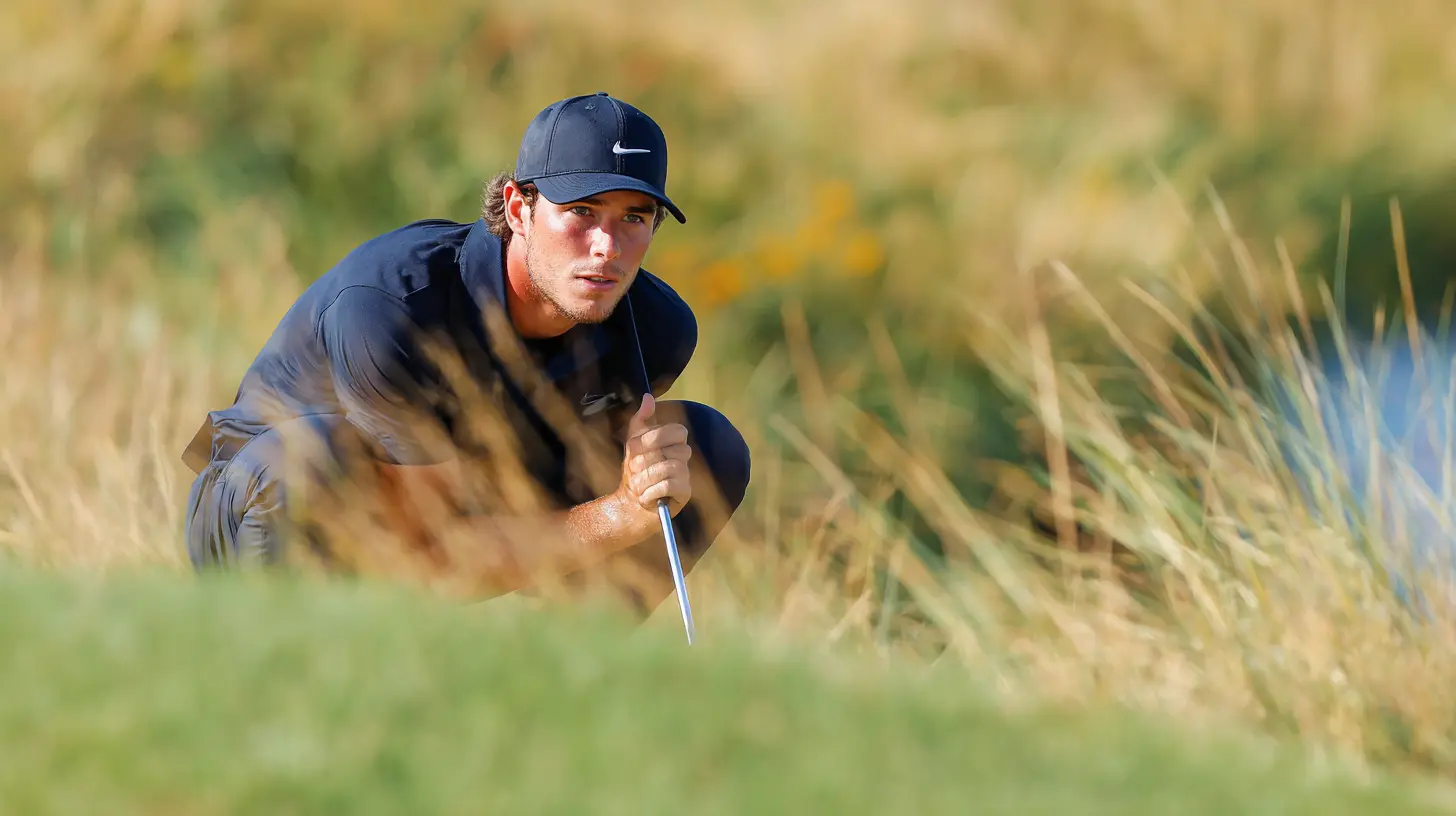
What "Face of Golf" Actually Means
Before predicting who or what comes next, it helps to define the term. A face of golf is not simply the best player in the world. It is the player who carries the sport's cultural weight. That means three things:1. Performance at the highest level. Major championships matter most, but so does week-to-week relevance.
2. Recognizability beyond golf. The face shows up in commercials, on late-night shows, in non-golf conversations.
3. Narrative gravity. When something happens in the sport, this is the person reporters call first.
Tiger Woods had all three. McIlroy has had all three at times, though his major drought has softened the third. Scheffler has the first two in spades but has been slower to embrace the third. That is not a criticism. It is a personality trait, and personality traits matter when you are asking a player to become the public property of an entire sport.
The reason this distinction matters is that fans and media often confuse "best player" with "face of the game." They are not the same. The face is a role, not a ranking. And roles can be filled by players who are not number one in the world.
Why 2026 Is Different
Three structural factors make 2026 a genuine inflection point.The Post-Tiger Vacuum Is Now Complete
Woods is no longer a competitive force on the PGA Tour. That transition happened gradually, but by 2026 the tour will have operated for several seasons without him as a weekly presence. The emotional attachment fans had to Woods has not transferred cleanly to anyone. That creates space.LIV Golf Has Reshaped the Talent Pool
The split between the PGA Tour and LIV Golf scattered top players across two ecosystems. Some of the biggest names in the sport now play a schedule that most American golf fans do not follow closely. That means the PGA Tour's next face has to come from a smaller pool of recognizable players. This concentrates the opportunity. It also raises the stakes. If the tour cannot produce a compelling new star, it risks losing casual fans to other sports entirely.The Schedule Is More Global and More Compressed
The PGA Tour's schedule changes have pushed more meaningful events into a tighter window. That makes it easier for a single player to dominate the conversation for a season. It also makes it easier for a hot start to fade by summer. The format rewards players who can sustain form across multiple months, not just peak for one week.
The Realistic Candidates
Let us look at who could actually fill this role, and why.Scottie Scheffler
Scheffler is the obvious answer. He has been the most consistent player on the planet for multiple seasons. His ball-striking is generational. His putting, once a weakness, has become reliable. He wins often, and he wins big events.The problem is not his game. It is his public persona. Scheffler is reserved, deeply religious, and uninterested in being a celebrity. That is not a flaw. It is a choice. But it limits how much of the sport's marketing weight he can carry. The face of golf has to want the job, at least a little. Scheffler has shown no interest in campaigning for it.
Could that change? Yes. A player can grow into the role. But fans should not expect Scheffler to become a quote machine or a brand ambassador in the way Woods was. If he becomes the face, it will be a quieter, more performance-based version of the role. That might be healthier for the sport. It might also be less commercially explosive.
Rory McIlroy
McIlroy remains the most recognizable active player in the world. He has the majors, the charisma, and the global appeal. He has also been the sport's most thoughtful voice on its biggest issues, from the LIV split to the future of the tour.The issue is time. McIlroy is no longer the young challenger. He is the veteran statesman. That role is valuable, but it is not the same as being the new face. The sport needs someone who represents the next decade, not the last one. McIlroy can bridge that gap, but he cannot be the bridge and the destination at the same time.
The Young Contenders
This is where it gets interesting. A handful of players in their early to mid-twenties have the game and the personality to break through. The names change depending on who is hot, but the profile is consistent: elite driving, strong iron play, and enough charisma to handle a press conference.What separates them is not talent. It is opportunity. The player who becomes the face will be the one who wins a major at the right moment, when the sport is paying attention, and then follows it up with a second win that proves it was not a fluke.
That is the pattern. Spieth did it in 2015. Morikawa did it in 2020 and 2021. The next face will follow the same script, but with higher stakes because the tour needs it more.
What Could Go Wrong
The assumption that a new face will emerge is not guaranteed. Several things could prevent it.The Majors Could Be Won by a Rotating Cast
If every major in 2026 is won by a different player, no single narrative takes hold. Fans get great golf but no protagonist. The sport has had stretches like this before, and they are not disasters. They are just forgettable. The tour needs a repeat winner, not just a worthy champion.LIV Could Poach the Next Star
The money in LIV Golf remains a threat. If a young player breaks through and then signs with LIV, the PGA Tour loses the narrative. This has already happened with several big names. The tour has responded by restructuring its own payouts, but money alone does not solve the problem. Players want exposure, competition, and legacy. The tour has to sell all three.Injuries Could Derail the Best Candidates
Golf is a repetitive-motion sport, and wrist, back, and knee injuries are common. A single injury can wipe out a season. The next face has to stay healthy long enough to build a resume. That is not something anyone can control.How the Tour Should Respond
If the PGA Tour wants a new face in 2026, it cannot simply wait for one to appear. It has to create the conditions.Build Narratives Around Players, Not Just Events
The tour has historically promoted tournaments. It should promote people. That means more behind-the-scenes content, more player-driven storytelling, and more investment in the personalities who are willing to share their lives. Fans do not fall in love with a leaderboard. They fall in love with a person.Embrace Rivalries
Golf has been reluctant to lean into rivalries. That is a mistake. Rivalries drive interest. They give casual fans a reason to pick a side. The tour should not manufacture conflict, but it should not shy away from the natural tensions that already exist.Make the Majors Matter More
The majors are the sport's biggest stages. The tour should treat them that way in its marketing. A player who wins a major should be elevated immediately, not gradually. The window to capture casual attention is short.
What Fans Should Watch For
If you want to know whether 2026 will produce a new face, watch these signals:- A first-time major winner who also contends in the next major. Consistency across majors is the strongest indicator of a rising star.
- A player who wins on a tough course. Birdie fests are fun, but they do not build legends. Winning at a demanding venue signals a complete game.
- A player who handles the press well. The face of golf has to be comfortable in front of a camera. That is not optional.
- A player who signs with a major brand. Sponsorships follow performance, but they also shape visibility. A new face usually arrives with a new campaign.
The Case for a Collective Face
There is another possibility that gets less attention. Maybe the next face of golf is not a single player. Maybe it is a group.Think about the way tennis has operated for the past twenty years. Federer, Nadal, and Djokovic shared the spotlight. No single player carried the sport alone. Golf could move in that direction. A rotating cast of elite players, each with a distinct personality, could keep the sport interesting without relying on one transcendent star.
This approach has advantages. It reduces the risk of a single injury or slump. It appeals to different fan demographics. It creates more matchups and more storylines. The downside is that it is harder to market. Casual fans want a hero. A committee of heroes is less compelling.
The tour should be prepared for either outcome. The smart strategy is to build infrastructure that works for both. That means investing in player storytelling, not just tournament coverage.
The Bottom Line
Will the next PGA season create a new face of golf in 2026? The conditions are right. The vacuum is real. The talent is there. The tour needs it to happen. But nothing is guaranteed.The player who becomes the face will not be chosen by a committee. They will earn it by winning when it matters, handling the attention with grace, and showing fans something they have not seen before. That is how it has always worked. There is no reason to think 2026 will be any different.
What fans should understand is that the face of golf is not just a player. It is a story. And stories take time to build. If 2026 delivers a new face, it will be because the sport finally found a story worth telling. If it does not, the tour will have to ask itself why.
Either way, the next season matters more than most. Not because of who wins, but because of who steps forward.
all images in this post were generated using AI tools
Category:
Season ExpectationsAuthor:
Preston Wilkins