What Makes an Athlete a Marketable Star in the Near Future
21 November 2026
In a world where sports transcend mere competition to become a powerful blend of entertainment, lifestyle, and cultural influence, the marketability of an athlete plays a crucial role in their success. From endorsements to social media presence, the factors that contribute to an athlete's status as a marketable star are evolving rapidly. This article explores the elements that shape an athlete's marketability, the challenges they face, and the strategies they can employ to enhance their appeal in the near future.

The Changing Landscape of Sports Marketing
Historical Context
Traditionally, sports marketing revolved around the athlete's performance on the field. The better an athlete performed, the more likely they were to attract sponsorship deals and media attention. However, this paradigm has shifted dramatically. Today, marketability is often influenced by an athlete's personality, social media presence, and overall brand alignment.The Role of Digital Media
The rise of digital media has transformed how athletes connect with fans. Platforms like Instagram, Twitter, and TikTok allow athletes to curate their public personas, share personal stories, and engage with their audience directly. This shift towards personal branding is essential for building a marketable image.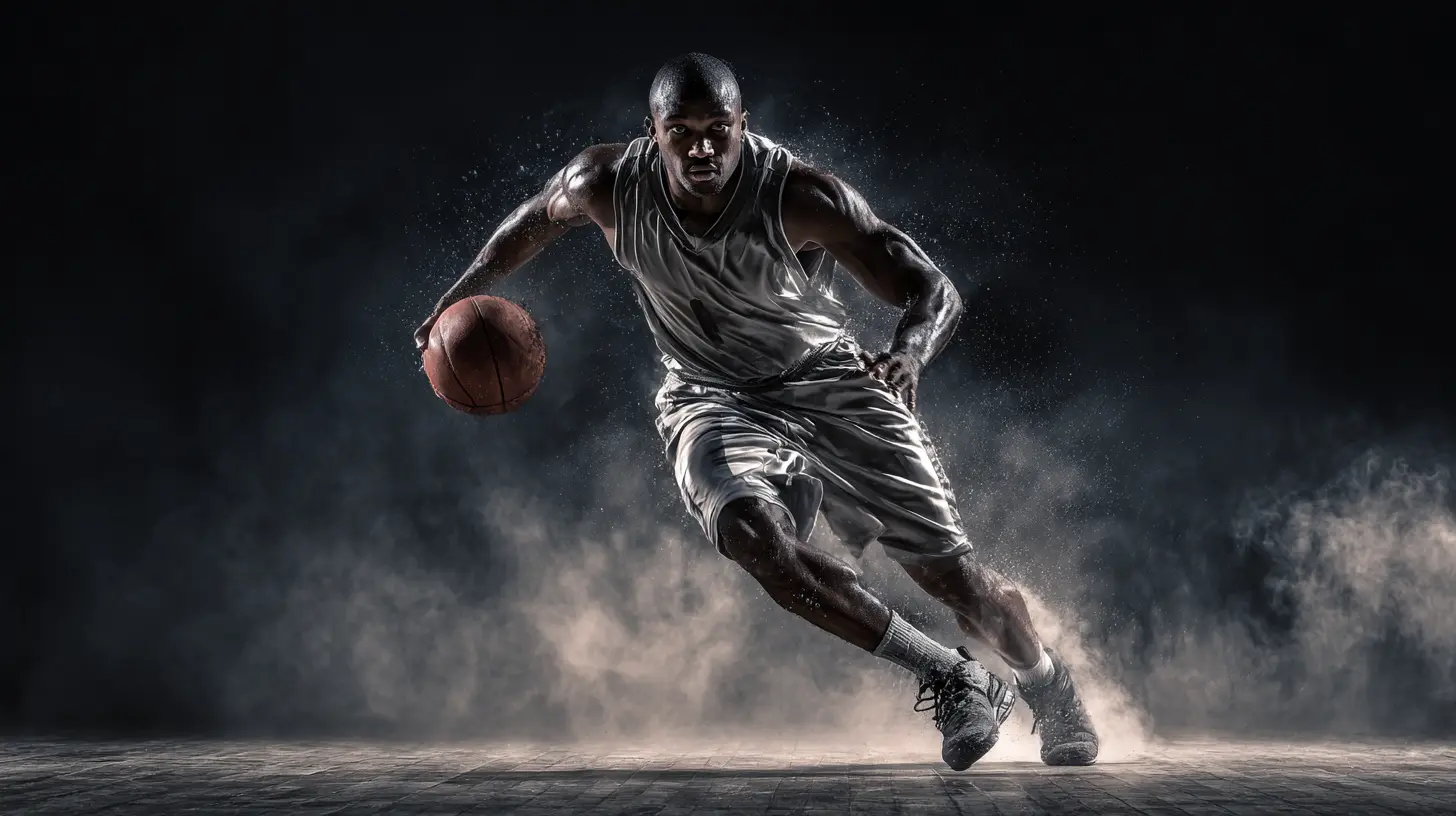
Key Attributes of a Marketable Athlete
Performance and Skill
At the core of an athlete's marketability is their performance. Exceptional talent can set an athlete apart and create a narrative that brands want to associate with. For instance, athletes like LeBron James and Serena Williams have leveraged their on-field success to build extensive personal brands.Trade-offs: While performance is crucial, it is not the only determinant of marketability. An athlete who excels but lacks charisma or relatability may struggle to connect with the audience, limiting their appeal.
Charisma and Personality
An athlete's personality can significantly enhance their marketability. Charismatic athletes who display authenticity and relatability often attract a broader fan base. Consider personalities like Stephen Curry, who is not only a talented player but also known for his approachable demeanor and charitable efforts.Common Mistakes: Some athletes may attempt to project a persona that does not align with their true selves, leading to a disconnect with fans. Authenticity is vital in building a lasting brand.
Social Media Presence
In today's digital age, social media is a powerful tool for athletes. An effective social media strategy can amplify an athlete's reach and engagement with fans. Athletes like Cristiano Ronaldo have mastered this, using their platforms to share insights into their lives and promote brands.Best Practices: Engaging content, regular updates, and interaction with fans can enhance an athlete's marketability. However, athletes should be cautious about their online presence, as missteps can quickly lead to negative publicity.
Off-Field Activities
Athletes who engage in philanthropic activities or entrepreneurship often enhance their marketability. By supporting causes or launching businesses, they can create a multidimensional brand that resonates with consumers. For example, athletes like Dwyane Wade have successfully expanded their brands through various off-field ventures.Considerations: While off-field activities can enhance an athlete's image, it is crucial to choose causes or ventures that align with their values. Misalignment can lead to scrutiny and damage their reputation.
The Importance of Storytelling
Crafting a Compelling Narrative
Every successful athlete has a story that resonates with fans. Whether it is overcoming adversity or achieving greatness against the odds, these narratives can elevate an athlete's marketability. Brands are drawn to stories that evoke emotion and create a connection with the audience.Real-World Example: The journey of athletes like Michael Jordan, who overcame numerous challenges to become a global icon, serves as a powerful narrative that brands can leverage.
Engaging with Fans
Athletes must actively engage with their audience to strengthen their narrative. This can involve sharing personal experiences, responding to fans, or participating in community events. Creating an emotional connection fosters loyalty, making fans more inclined to support brands associated with the athlete.Best Practices: Utilizing various content formats, such as videos, blogs, and live streams, can keep fans engaged and invested in the athlete's story.

Brand Alignment and Partnerships
Choosing the Right Sponsors
Not all sponsorships are created equal. Athletes must carefully consider which brands they partner with to maintain their image and integrity. Aligning with brands that reflect their values and resonate with their audience can enhance their marketability.Trade-offs: While lucrative deals may be tempting, partnering with brands that do not align with an athlete's image can lead to backlash from fans and diminish their marketability.
Building Long-Term Relationships
Establishing long-term relationships with brands can be more beneficial than one-off endorsements. Consistent partnerships can create a cohesive brand narrative, allowing athletes to build a deeper connection with both the brand and their audience.Considerations: Athletes should seek brands that support their interests and values, ensuring that collaborations feel authentic and engaging.
Navigating Challenges in Marketability
Overcoming Controversies
Controversies can significantly impact an athlete's marketability. How an athlete navigates challenging situations can define their public image. Athletes should be prepared to address issues head-on, demonstrating accountability and a commitment to growth.Real-World Example: When NFL player Colin Kaepernick faced backlash for his protests, his response and continued activism ultimately strengthened his brand among supporters who valued social justice.
The Risk of Overexposure
While an active presence is essential, athletes must also be wary of overexposure. Constant visibility can lead to fatigue among fans, diluting their brand. Striking a balance between being accessible and maintaining exclusivity is key to sustaining marketability.Best Practices: Athletes should focus on quality over quantity in their engagements, ensuring that their appearances and collaborations are meaningful and aligned with their brand.
The Future of Athlete Marketability
Embracing Technology
As technology continues to evolve, athletes must adapt to new platforms and trends. Virtual reality, augmented reality, and blockchain technologies are emerging as tools for enhancing fan engagement and creating unique experiences.Considerations: Athletes should stay informed about technological advancements and explore how they can leverage them to enhance their marketability and connect with fans in innovative ways.
The Role of Diversity and Inclusion
In a world that increasingly values diversity and inclusion, athletes who champion these principles can enhance their marketability. Brands are seeking partners who represent a broad spectrum of identities and experiences, making it essential for athletes to embrace and promote these values.Trade-offs: While championing diversity can enhance marketability, athletes must ensure their advocacy is genuine and not merely performative to avoid backlash.
Conclusion
An athlete's marketability is a multifaceted construct shaped by performance, personality, social media presence, storytelling, brand alignment, and their ability to navigate challenges. As the landscape of sports marketing continues to evolve, athletes who embrace authenticity, engage with their audience, and leverage technology will be best positioned to become marketable stars in the near future. By understanding the dynamics of marketability, athletes can make informed decisions that not only enhance their brand but also contribute positively to their communities and the world of sports as a whole.
all images in this post were generated using AI tools
Category:
Athlete EndorsementsAuthor:

Preston Wilkins
Discussion
rate this article
1 comments
Ramona McElroy
Marketable stars in sports have that magic combo of skills, charisma, and social media savvy. Give me a player who can score and entertain, and I'm sold!
November 21, 2026 at 5:10 AM


