What Could Shake Up the UFC Rankings in 2026?
6 October 2026
Rankings in mixed martial arts are not math. They are arguments dressed up as lists. The UFC's official rankings, voted on by a panel of media members, reflect a blend of recent results, strength of schedule, activity level, and the ever-present pull of name value. That last factor is where things get messy, and 2026 looks like a year where the mess could spill over into almost every division.
The question is not whether the rankings will change. They always do. The real question is what forces will drive the biggest shifts, and how fans, bettors, and analysts should read those shifts before they happen. This article breaks down the mechanisms that actually move rankings, then applies them division by division to identify the most likely sources of disruption in 2026.

The Mechanics Nobody Talks About Enough
Before predicting anything, you have to understand what actually causes a ranking change. Most fans assume it is simple: win and you move up. That is only partly true.Activity Is a Silent Killer
A fighter who sits out for 12 to 18 months can lose their ranking without ever losing a fight. This happens constantly and rarely gets explained. The UFC has historically removed inactive fighters from the rankings entirely, and panelists tend to drop them gradually before that happens. In 2026, this dynamic could hit several top contenders who are dealing with injuries, contract disputes, or long layoffs after title losses.Consider the pattern. A fighter loses a title fight, takes time off, and returns to find themselves ranked two or three spots lower than where they left. Nothing about their skills changed. The division simply moved on.
Strength of Schedule vs. Highlight Reels
A spectacular knockout over an unranked opponent moves you less than a competitive decision over a top-five fighter. This is a best practice the panel generally follows, but not always. In 2026, the gap between these two paths could widen as the UFC books more short-notice fights and more regional talent on short deals.The practical takeaway: if you are tracking rankings for analysis or betting purposes, weight quality of opposition more heavily than finish rate. A fighter who grinds out wins over ranked opponents is building a more durable ranking position than one who is knocking out newcomers.
The Champion Vacancy Effect
When a champion vacates or is stripped, the entire division reshuffles. The interim title picture changes. Contenders who were two fights away suddenly find themselves one fight away. This is the single most disruptive event in any division, and 2026 has several situations where it could happen.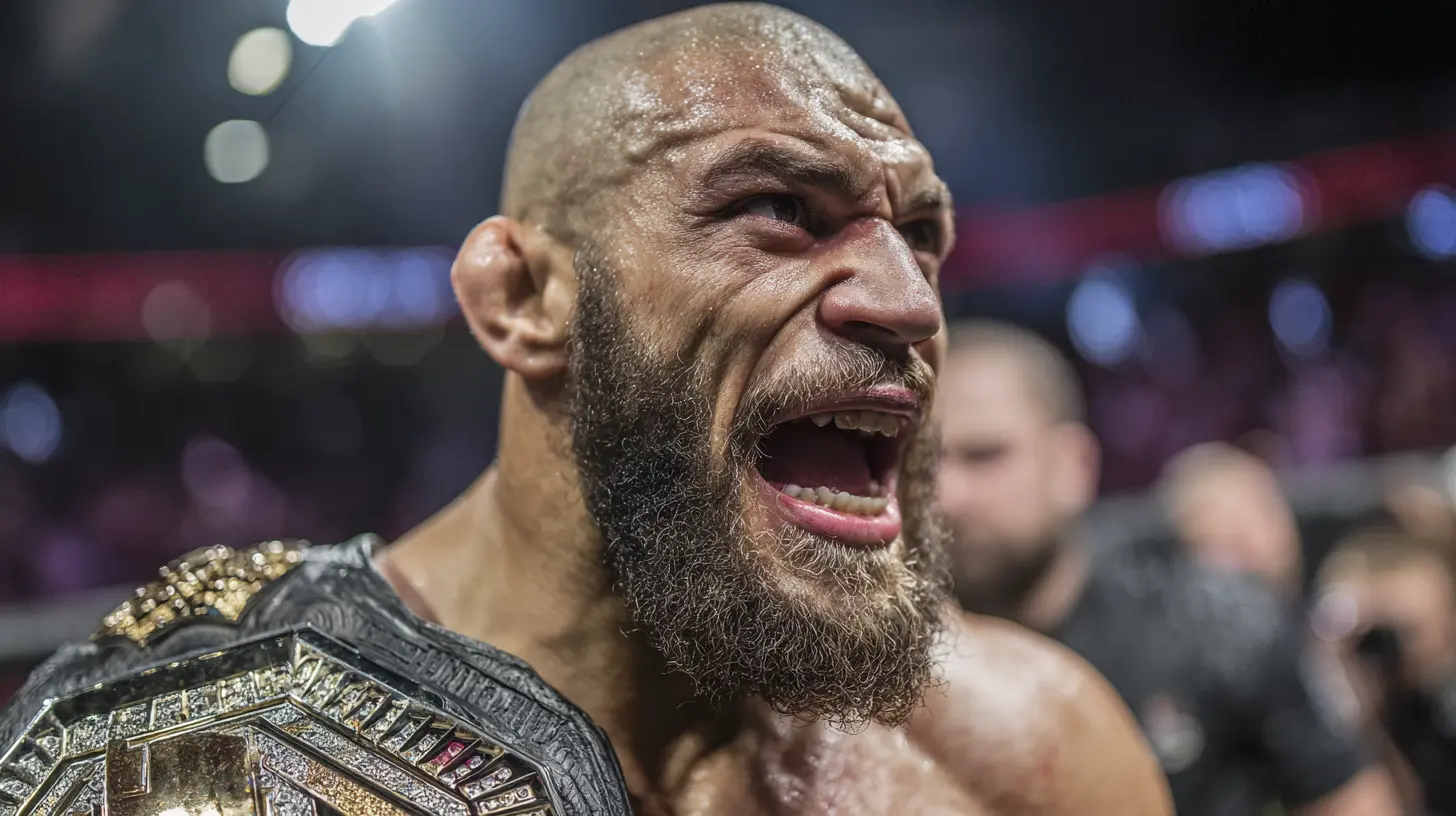
Heavyweight: The Most Volatile Division in the Sport
Heavyweight has always been chaotic, and 2026 is shaping up to be no different.Why Heavyweight Rankings Break Easier Than Others
The talent pool is shallow. A single win can launch a fighter from unranked to top ten. A single loss can drop a former contender out of the rankings completely. Compare this to lightweight, where the top 15 is deep enough that one loss rarely costs you more than a spot or two.This means heavyweight is the division most likely to see dramatic 2026 changes. If a ranked heavyweight loses to an unranked opponent, the fallout is immediate and severe.
The Retirement and Injury Factor
Heavyweights age differently. Power lasts, but durability and speed fade. A 38-year-old heavyweight who was ranked in 2024 might be completely out of the picture by 2026, not because of a losing streak, but because the body stops cooperating. This is not speculation about a specific fighter. It is a structural reality of the division.What to watch: any heavyweight over 35 who takes a long layoff. The odds of them returning to the same ranking position are lower than in lighter divisions.

Light Heavyweight: A Division Searching for Stability
Light heavyweight has spent years trying to rebuild its identity after a dominant era ended. By 2026, the picture could finally clarify, or it could fracture further.The Problem With Thin Divisions
When a division lacks depth, rankings become more about who is available than who is best. A fighter ranked number eight might be there simply because nobody below them has beaten anyone of note. This creates a situation where a single impressive win can leapfrog multiple fighters.This is not a flaw in the ranking system. It is a reflection of reality. If the division does not have enough quality contenders, the rankings will look thin because they are thin.
What Could Change in 2026
Two things could shake up light heavyweight more than anything else. First, a dominant champion who clears out contenders quickly forces the division to accelerate its next tier. Second, a wave of middleweights moving up could inject new blood. Both are plausible in 2026.The trade-off: moving up in weight often costs speed and cardio. Fighters who do it successfully usually rely on power and durability. Those who do it unsuccessfully get exposed by faster opponents. If you are evaluating a middleweight moving to 205 pounds, look at their footwork and defensive wrestling first. Those are the skills that translate.

Middleweight: The Logjam That Has to Break
Middleweight has been stuck for a while. Too many contenders, not enough title shots, and a champion who has been difficult to book. Something has to give in 2026.The Contender Queue Problem
When five fighters all have legitimate claims to a title shot, the UFC has to make choices that will upset someone. The rankings become a political document as much as a sporting one. Fighters who take short-notice fights get rewarded. Fighters who wait get leapfrogged.This is a common mistake among contenders. Waiting for a title shot rarely works. Activity is leverage. A fighter who fights three times in a year while ranked number five will often pass a fighter ranked number two who fought once.
The Style Matchup Wildcard
Middleweight has a wide range of styles at the top. A wrestler who dominates strikers can climb quickly. A striker who struggles against grapplers can fall just as fast. In 2026, the rankings could shift dramatically based on who fights whom, not just who wins.Practical advice for readers: when you see a middleweight matchup announced, check the grappling credentials of both fighters before assuming the higher-ranked fighter will win. Style matchups matter more in this division than in most others.
Welterweight: The Deepest Talent Pool
Welterweight is arguably the most competitive division in the UFC. That depth makes rankings more stable, but it also makes them harder to climb.Why Depth Stabilizes Rankings
When the top 15 is full of legitimate talent, a single loss does not drop you far. There is always a ranked opponent willing to fight you. The result is a slower, more gradual ranking movement. This is good for fairness but bad for fighters who need a fast track to a title shot.The 2026 Disruption Scenario
The most likely shake-up at welterweight is a dominant champion who defends frequently. When a champion clears out the top five, the division has to promote new contenders from the 6 to 10 range. Those fighters then get title shots earlier than they otherwise would. This accelerates the ranking churn.The trade-off for fans: faster title shots for less proven contenders can lead to mismatches. But it also creates opportunities for new stars to emerge.
Lightweight: The Division Where Everything Matters
Lightweight is the hardest division to rank accurately because the skill level is so high and the margins are so thin.The Problem With Close Decisions
A controversial decision can change rankings more than a clear win. If a fighter ranked number seven beats a fighter ranked number four by split decision, the panel has to decide whether to reward the win or punish the performance. Different panelists will do different things. The result is inconsistency.In 2026, this could be a major factor. Lightweight has a lot of closely matched fighters. Close fights are inevitable. The rankings will reflect the panel's collective judgment, which means they will sometimes look wrong.
What to Watch
Keep an eye on fighters who are consistently winning rounds but not finishing. In a division this deep, a fighter who wins 29-28 across three rounds is building a stronger ranking case than one who lands a flash knockout and then loses their next fight. Consistency beats explosiveness in the rankings, even if it does not always feel that way.Featherweight and Bantamweight: Speed and Volume
The lighter divisions move faster. Fighters are quicker, fights are more frequent, and rankings can change in a matter of months.The Volume Advantage
A bantamweight who fights four times in a year can climb from unranked to top ten. This is rare in heavier divisions. The reason is simple: lighter weight classes have more fighters willing to take short-notice fights, and the recovery time between fights is shorter.This means 2026 could see rapid ranking changes in these divisions. A fighter who starts the year unranked could end it as a title contender.
The Weight Cut Factor
Weight cutting is more severe in lighter divisions. A fighter who misses weight or has a bad cut can underperform and lose a fight they should win. This adds a layer of unpredictability to rankings. When you see a ranked bantamweight lose to an unranked opponent, check the weigh-in results before drawing conclusions.
Women's Divisions: Growing Pains and Opportunity
Women's MMA has expanded significantly, but the depth in some divisions is still developing. This creates both opportunity and instability.The Strawweight and Flyweight Picture
These two divisions have enough depth to produce stable rankings. The top fighters are well known, and the contenders are legitimate. The biggest shake-up would come from a champion moving up or down in weight, which would force the division to crown a new champion and reshuffle the contenders.The Bantamweight and Featherweight Question
These divisions have struggled with depth. Rankings can look thin because they are thin. A single injury or retirement can leave a gap that takes years to fill. In 2026, the key question is whether new talent emerges to fill those gaps. If not, the rankings will continue to look top-heavy.The Role of the UFC Itself
The UFC does not directly control the rankings, but it controls the matchmaking. That is a huge lever.Matchmaking as a Ranking Tool
When the UFC books a fight between a ranked fighter and an unranked fighter, it is making a statement. If the ranked fighter wins, they hold their spot. If they lose, the unranked fighter takes their place. The UFC knows this. They use matchmaking to shape the rankings, even if they do not admit it.This is not a conspiracy. It is a business. The UFC wants rankings that produce compelling fights and marketable stars. If the rankings do not serve that goal, the matchmaking will adjust until they do.
The Short-Notice Factor
Short-notice fights are a wild card. A fighter who takes a fight on two weeks' notice and wins can jump the queue. A fighter who takes a short-notice fight and loses can be forgiven by the panel, but not always. In 2026, short-notice fights could be the single biggest source of ranking volatility.
What Fans and Analysts Should Do With This Information
Knowing how rankings work is useful. Knowing how to use that knowledge is better.For Fans
Do not treat rankings as objective truth. Treat them as a snapshot of a conversation. When your favorite fighter is ranked lower than you think they should be, ask why. Is it activity? Strength of schedule? A recent loss? Understanding the reasoning will make you a better fan and a more informed critic.For Betting and Fantasy
Rankings are a starting point, not an answer. A ranked fighter is not automatically better than an unranked one. Style matchups, weight cuts, and camp changes matter more than a number next to a name. If you are using rankings to make picks, cross-reference them with recent fight footage and injury reports.For Aspiring Fighters
If you want to climb the rankings, fight often and fight ranked opponents. Do not wait for the perfect opportunity. Take the short-notice fight. Take the fight that is slightly below your level if it keeps you active. The rankings reward activity more than most people realize.Common Misconceptions About UFC Rankings
There are a few beliefs that persist despite being wrong."A Win Always Moves You Up"
Not true. If you are ranked number three and you beat an unranked opponent, you might stay at number three. If the fighters above you also win, you might stay put. You have to beat someone ranked near you to move up significantly."A Loss Always Drops You"
Also not true. If you are ranked number two and you lose a close decision to the champion, you might only drop one spot. The panel considers context. A loss to a higher-ranked opponent is not the same as a loss to an unranked one."The Rankings Are Rigged"
They are not rigged, but they are subjective. The panel is made up of media members with different opinions. Those opinions shift over time. The result is a ranking system that is imperfect but not corrupt.
The Big Picture for 2026
The biggest shake-ups in 2026 will come from three sources: inactivity, division depth, and matchmaking. Inactivity will remove fighters from the rankings without them losing. Division depth will determine how fast new contenders rise. Matchmaking will decide who gets the opportunities.If you want to predict ranking changes, focus on those three factors. Ignore the noise. Pay attention to who is fighting, how often, and against whom. That is where the real story is.
The rankings will change in 2026. They always do. The question is whether you will understand why.
all images in this post were generated using AI tools
Category:
Season ExpectationsAuthor:

Preston Wilkins