What Could Make the 2027 MLB Season Historic
22 September 2026
Every baseball season arrives with the same promise: something we have never seen before. Most years, that promise gets partially kept. A rookie surprises everyone. A veteran chases a milestone. A division race goes down to the final weekend. Then there are the rare seasons that bend the sport's timeline, the ones fans describe to their kids decades later.
The 2027 season has a real chance to be one of those. Not because of a single storyline, but because several forces could converge at once. Let me walk through what makes a season truly historic, which factors could align in 2027, and what has to go right for any of it to happen.
What Actually Makes a Baseball Season Historic
Fans throw around the word "historic" loosely. A walk-off home run in April is not historic. It is memorable. The difference matters, and it is worth defining before we project anything onto 2027.A season earns historic status in one of four ways.
A record falls. This is the cleanest category. When a player or team surpasses a mark that has stood for decades, the season gets stamped into the record books permanently. Think of a single-season home run record, a hitting streak, or a team win total.
A drought ends. Championships carry extra weight when a fan base has waited generations. The 2016 Cubs and 2004 Red Sox are the obvious examples. The wait itself becomes part of the story.
A structural change takes hold. The universal designated hitter, the pitch clock, and the runner-on-second rule in extra innings all changed how the game looks and feels. When a rule shift sticks, the first season it truly settles in becomes a reference point.
A convergence happens. This is the rarest category and the hardest to predict. Multiple big stories overlap in a way that makes the whole season feel bigger than the sum of its parts. The 1998 home run chase is the classic case, but so is 2001, when Barry Bonds' record chase, the Mariners' 116-win season, and the Diamondbacks' championship run all happened in the same year.
2027 could hit several of these at once. That is what makes it worth examining now.
The CBA Question Hangs Over Everything
Here is the uncomfortable truth: the single biggest factor in whether 2027 is historic might be whether it happens on time.The current collective bargaining agreement between MLB and the players association runs through December 2026. That means the 2027 season is the first one fully exposed to a potential work stoppage. Labor talks have grown tense in recent years, with disagreements over the luxury tax, revenue sharing, service time manipulation, and the international draft.
If the two sides cannot reach a deal, spring training could be delayed or the season could be shortened. A shortened season changes everything. Records become asterisked. Races get compressed. The historical weight of the year shifts from what happened on the field to what happened at the negotiating table.
There is a flip side. If the sides reach an agreement without missing games, the new CBA itself becomes a historic event. A deal that restructures the economic system, changes the draft, or introduces a salary floor would reshape the sport for a decade. The first season under a new agreement always carries extra significance because everyone is watching to see how the changes play out.
Fans should watch the labor situation more closely than any roster move. It is the precondition for every other storyline on this list.
Records That Could Realistically Fall
Records are the most tangible path to a historic season. Let me look at a few that could be in play by 2027, along with the honest odds.Career Milestones Within Reach
Several active stars are on trajectories that could put them near major career marks by 2027. The exact numbers depend on health and production, but the general shape is worth understanding.A player entering his late 20s or early 30s with a strong home run pace could be approaching 500 career home runs by 2027. That milestone still carries weight even in the post-steroid era, though it no longer guarantees a first-ballot Hall of Fame vote the way it once did. What matters more now is where a player sits relative to his peers and how clean his career looks.
The 3,000-hit club is another marker. It has become harder to reach because teams value walks and power more than batting average, and because defensive shifts (now restricted) used to suppress hits for left-handed pull hitters. A player who reaches 3,000 hits in 2027 would be doing so in a very different offensive environment than the players who hit the mark in the 2000s and 2010s. That context makes the achievement more interesting, not less.
Strikeout records are the other side of the coin. Pitching has never been more dominant in terms of raw stuff. A single-season strikeout record for a pitcher, or a team strikeout record, could fall in 2027 if the current trends continue. Whether fans view that as exciting or as a sign of a broken offensive game is a matter of taste, but it would be historic either way.
Single-Season Marks
Single-season records are harder to project because they require everything to go right in one year. Still, the conditions exist for a few to be threatened.The single-season strikeout record for a pitcher has been in play multiple times in recent years. With starters pitching fewer innings, the math is tricky. A pitcher would need to be extraordinarily efficient and healthy to make a run at it. The more realistic target is a rate-based record, like strikeouts per nine innings, which is more about dominance than durability.
On the offensive side, the single-season home run record is the one everyone watches. The current mark was set in 2001, and while several players have made runs at it, nobody has broken it since. A player with elite power, a favorable home park, and good health could make a serious push by 2027. The ball itself matters here. Small changes to the baseball's construction have swung home run rates significantly in recent years, and that variable is largely out of players' control.
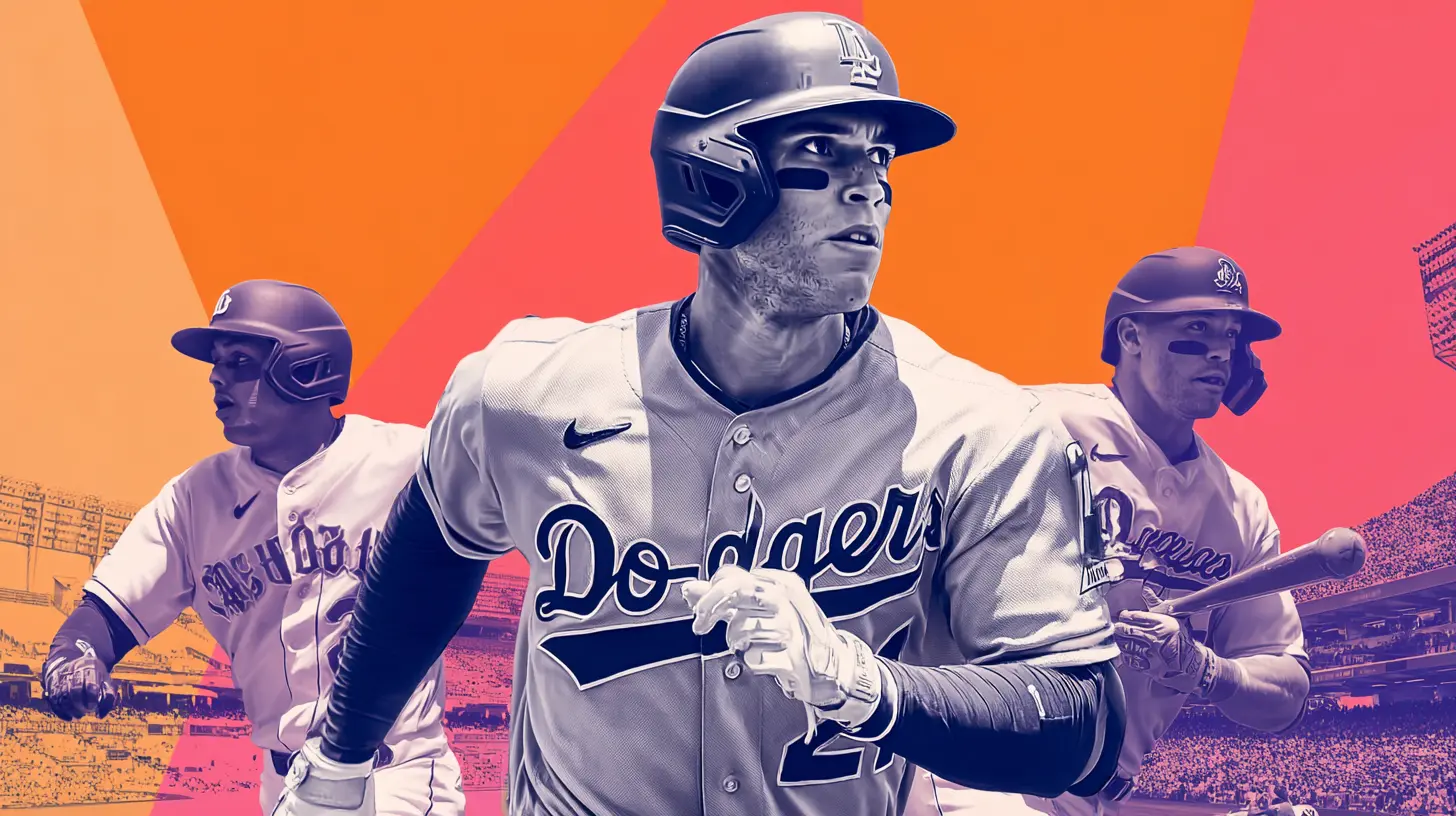
The Rule Change Experiments Could Pay Off
MLB has treated the 2020s as a laboratory. The pitch clock, larger bases, shift restrictions, and the extra-innings runner have all been introduced or expanded. By 2027, we will have enough data to judge which changes actually improved the game and which created new problems.The pitch clock is the most consequential. It shortened games and reduced dead time, but it also raised questions about pitcher injuries. If 2027 brings a wave of arm injuries that researchers link to the faster pace, the league could face pressure to adjust the rules again. If instead the injury rates stabilize and games stay under three hours, the pitch clock will look like one of the most successful changes in the sport's modern history.
The extra-innings runner remains controversial. Traditionalists hate it. Analysts point out that it shortens games and reduces the marathon contests that used to define September baseball. By 2027, the league will have several seasons of data on whether the rule increased scoring, reduced injuries, and improved the fan experience. That data could lead to a permanent decision, one way or the other. A permanent rule change is itself a historic event.
Automated ball-strike technology is the wild card. The league has tested it in the minor leagues for years. If it reaches the majors in some form by 2027, even in a challenge system rather than full automation, it would change the catcher's job, the umpire's role, and the way pitchers attack the zone. The first season of a new strike zone system would be historic by definition.
Expansion and Realignment Talk
Commissioner Rob Manfred has spoken openly about expansion. The league has 30 teams and has discussed adding two more, with candidates including Nashville, Salt Lake City, Portland, Montreal, and Charlotte. Expansion does not happen overnight. It requires stadium deals, ownership groups, and a realignment plan.If expansion is approved by 2027, the season could be the last one in the current 30-team format. That would give the year a "last chance" quality. Fans would attend games knowing the league is about to change shape. Divisions would be redrawn. The playoff format would be revisited. A season that marks the end of an era is historic even if nothing dramatic happens on the field.
Realignment is the quieter version of this story. Moving a team from one division to another, or shifting to a balanced schedule, changes rivalries and playoff paths. The 2023 schedule change already reduced divisional games. If 2027 brings another realignment, the season becomes a transition point.
The Youth Movement Could Peak
Baseball has been getting younger for a decade. Teams are promoting prospects faster, signing young stars to long-term extensions earlier, and building around players in their early 20s rather than their late 20s.By 2027, several of the game's best players will be in their prime years. A wave of talent that entered the league in the early 2020s will be hitting its stride. If those players stay healthy, the 2027 season could feature the deepest collection of young stars the sport has seen in a generation.
This matters for historic status because young stars drive the storylines that casual fans remember. A 24-year-old chasing a Triple Crown is more compelling to a broad audience than a 34-year-old doing the same thing, rightly or wrongly. The league knows this and markets accordingly.
There is a risk, though. Young stars get hurt. They get traded. They sign elsewhere in free agency. The wave that looks inevitable in 2024 might look very different by 2027. Projecting youth movements is a guessing game, and the guesses are often wrong.
What Could Go Wrong
Any honest forecast has to include the downside. Several factors could prevent 2027 from being historic.A work stoppage is the biggest risk. A lost season or a shortened one would overshadow everything else. Records would carry asterisks. Fans would be angry. The sport would lose momentum.
Injuries are the second risk. Modern pitching is harder on arms than ever. If the 2027 season is defined by a rash of major injuries to star players, it becomes historic for the wrong reasons. The league has already faced criticism for how it handles pitcher workloads. A bad year for injuries could force a reckoning.
A competitive imbalance could also dull the season. If one or two superteams run away with their divisions by July, the playoff races lose drama. The league has tried to address this through the luxury tax and draft rules, but the gap between big-market and small-market teams remains a persistent issue. A 2027 season with no meaningful races would be forgettable, not historic.
How to Watch the 2027 Season Like an Expert
If you want to appreciate what could happen in 2027, here is how to prepare.Track the labor talks. Follow reporting on CBA negotiations starting in 2025. The tone of those talks will tell you more about the 2027 season than any roster projection.
Watch the young stars. Identify the players who will be 24 to 28 in 2027. Those are the names most likely to define the season. Follow their development, their health, and their contract situations.
Pay attention to rule experiments. What happens in the minors in 2025 and 2026 often previews what comes to the majors by 2027. If automated ball-strike testing expands, expect it in the big leagues soon after.
Monitor expansion news. Stadium deals and ownership announcements are the leading indicators. If a city breaks ground on a new ballpark with public funding, expansion is closer than it looks.
Do not overcommit to any single storyline. The beauty of baseball is that the historic moments are rarely the ones we predict. The 2027 season will likely be remembered for something nobody is talking about right now.
The Bottom Line
The 2027 MLB season could be historic for reasons we can see coming, like a potential CBA showdown, a record chase, or a rule change. It could also be historic for reasons we cannot predict, which is how most great seasons actually work.What makes 2027 stand out is the number of possible storylines converging at once. Labor, rules, records, expansion, and a young talent wave all point toward the same year. That does not guarantee anything. Baseball has a way of humbling projections. But it does mean the season is worth watching closely, starting now.
If even two or three of these factors align, fans will be talking about 2027 for a long time. If none of them do, it will be just another summer of baseball. Either way, the games will be played, and the stories will write themselves.
all images in this post were generated using AI tools
Category:
Season ExpectationsAuthor:

Preston Wilkins