The Impact of Player Trades on League Dynamics
23 June 2026
Player trades are the lifeblood of professional sports. They shake up rosters, redefine team chemistry, and completely alter the competitive landscape of a league. Whether it's a blockbuster trade sending a superstar to a new city or a quiet move involving role players, trades affect teams in ways that go beyond just wins and losses.
But what really happens when a star player switches teams? How do trades impact a league as a whole? Let’s dive into the complexities of player trades and how they shape the dynamics of an entire league. 
The Ripple Effect of a Blockbuster Trade
When a superstar moves from one team to another, it’s not just the two teams involved that feel the impact—it’s the entire league. Think of it like dropping a boulder into a pond. The ripples extend far and wide, affecting other teams, strategies, and even fan engagement.Immediate Impact on Contending Teams
A trade involving a high-profile player can instantly shift the power balance in the league. Teams that were once title contenders may suddenly find themselves struggling, while underdog teams can rise to prominence overnight.Take, for example, LeBron James’ move to the Miami Heat in 2010. His decision sparked a shift in the NBA, leading to the formation of "super teams" and forcing other organizations to rethink their roster strategies.
Other teams must then react. Some might double down and trade for their own superstar. Others may hit the reset button and start a rebuild. The ripple effect continues.
Rivalries Get Intense
Player trades often fuel rivalries. When a star player leaves a team, they leave behind a fan base that might feel betrayed. Suddenly, games between the former and new teams become must-watch events.Remember Kevin Durant’s departure from the Oklahoma City Thunder to the Golden State Warriors? The rivalry between the Thunder and Warriors intensified, with fans and players alike adding extra emotion to every matchup. Trades create these storylines that make sports even more thrilling. 
The Chemistry Factor: Building or Breaking a Team
Sports aren’t just about assembling talent—they’re about building chemistry. A trade can either enhance a team’s dynamics or throw everything into chaos.The Adjustment Period
When new players arrive, they have to learn the system, build trust with teammates, and adjust to a new coaching style. Some players adapt quickly, while others struggle.For example, in the NFL, a quarterback and wide receiver must develop timing and chemistry. A mid-season trade might sound great on paper, but if the connection isn’t there, the results can be disappointing.
Personality Clashes & Locker Room Drama
Not every trade brings harmony. Sometimes, new additions disrupt team culture. If a player doesn’t fit in with a team’s dynamic or clashes with teammates, it can create tension behind closed doors.On the flip side, bringing in a veteran leader can transform a struggling locker room. A player with championship experience can be the missing piece that unifies a team. 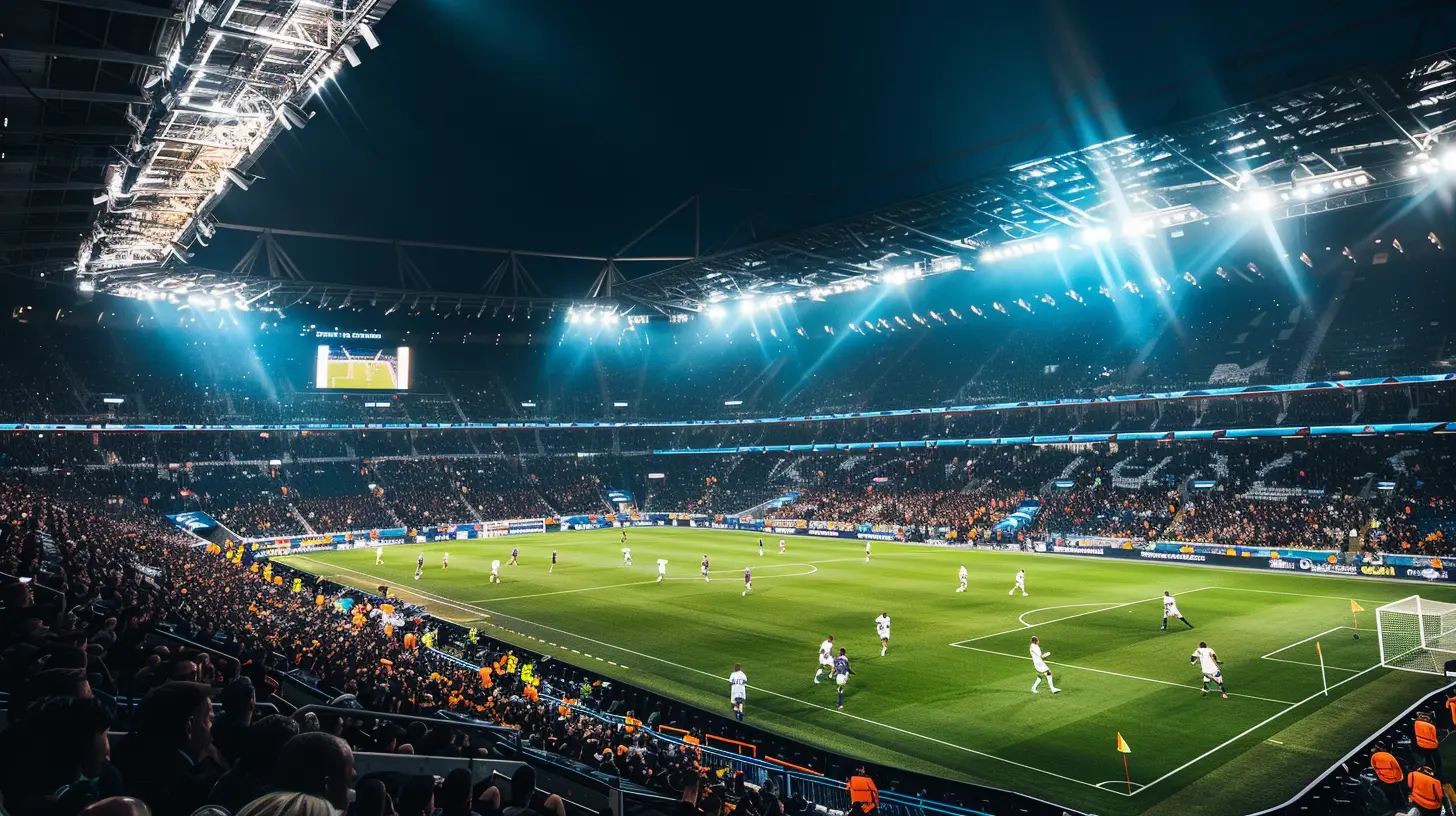
How Trades Influence Coaching Strategies
When a team makes a trade, the coaching staff has to adjust on the fly. New players bring different skill sets, and sometimes, a team’s entire game plan has to be restructured.Tactical Adjustments
If a team trades for a dominant center in basketball, the coaching staff may transition to a more inside-oriented offense. In soccer, if a team lands a fast winger, they may shift to a counter-attacking strategy.Coaches must be flexible, making sure the team adapts quickly. Sometimes, the best teams aren't always the ones with the biggest stars but the ones that know how to integrate new players seamlessly.
Depth & Bench Strength
A major trade also affects a team’s bench. Trading away key role players to acquire a star can leave a team with depth issues. Conversely, a team that acquires valuable role players might find itself with a much stronger second unit, allowing for better rotations.In the long grind of a season, depth can be the difference between a championship and an early exit. 
The Business Side of Trades: Money & Marketability
Let’s not forget—the sports world is also a business. Trades aren’t just about talent; they’re about financial implications and marketability.Salary Cap & Financial Considerations
Most professional leagues operate under a salary cap system, limiting how much teams can spend on players. Executives must balance acquiring top talent while staying under budget.Teams might trade a big-name player simply to clear cap space, allowing them to sign multiple solid players instead. It’s like giving up your Ferrari for a reliable SUV and a sports bike—you lose flash, but you gain versatility.
Boosting Ticket Sales & Merchandise
A trade can reinvigorate a fanbase. If a struggling team acquires a superstar, ticket sales skyrocket, merchandise flies off the shelves, and fans get excited again.Conversely, teams that trade away beloved stars might see a dip in attendance. It’s a high-risk, high-reward situation that teams must navigate carefully.
Long-Term Impact on League Competitiveness
While trades bring excitement, they also have long-term effects on how competitive a league remains.Super Teams vs. Parity
One of the biggest debates in sports is whether trades contribute to or hurt league parity. Some argue that star players moving to big-market teams create dominant "super teams" that make leagues predictable.On the other hand, trades can help struggling teams rebuild by acquiring young talent and draft picks. This ensures that teams don’t stay at the bottom forever, keeping the league competitive.
The Draft & Future Talent Development
Trades also impact the draft. When teams trade away draft picks for immediate help, it changes the talent pipeline. Some franchises prefer to stockpile picks, building for the future rather than winning now.A well-executed trade can set up a franchise for years of success. A bad trade? It can leave a team stuck in mediocrity for a decade.
Conclusion
Player trades are more than just exciting transactions—they reshape leagues, redefine team identities, and alter the fan experience. Whether it's a seismic shift in championship odds or the long-term rebuilding of a struggling franchise, trades keep sports dynamic and unpredictable.So next time you see a major trade go down, take a moment to think beyond the headlines. What does this mean for the league? How will other teams react? Because in sports, every move has a ripple effect, and that’s what makes the game so thrilling.
all images in this post were generated using AI tools
Category:
Sports LeaguesAuthor:

Preston Wilkins
Discussion
rate this article
1 comments
Kristina Strickland
It's fascinating how a single trade can shift the balance of power in a league. What strategies do teams consider to maximize their new players' potential? Curious to hear more insights!
July 5, 2026 at 2:40 AM
Preston Wilkins
Absolutely, trades can reshape a team's trajectory. Teams focus on integrating players into their systems, leveraging their strengths, and fostering chemistry with existing players. It's all about maximizing fit and potential on and off the court.