How the Transfer Portal Will Impact College Football in 2026
13 September 2026
The transfer portal is no longer a novelty. It is the engine room of roster construction in college football. What began in 2018 as a modest administrative database has evolved into a year-round force that shapes depth charts, coaching decisions, recruiting budgets, and championship math. By 2026, its influence will be even more pronounced, but not always in the ways casual fans expect.
This article breaks down how the portal will reshape the sport in 2026. It covers the mechanics, the second-order effects, the trade-offs programs face, and the practical decisions coaches, players, and fans should be thinking about now. The goal is not to repeat headlines. It is to explain why the portal works the way it does, when it helps, when it hurts, and what smart operators will do differently.
The 2026 Starting Point: What Has Already Changed
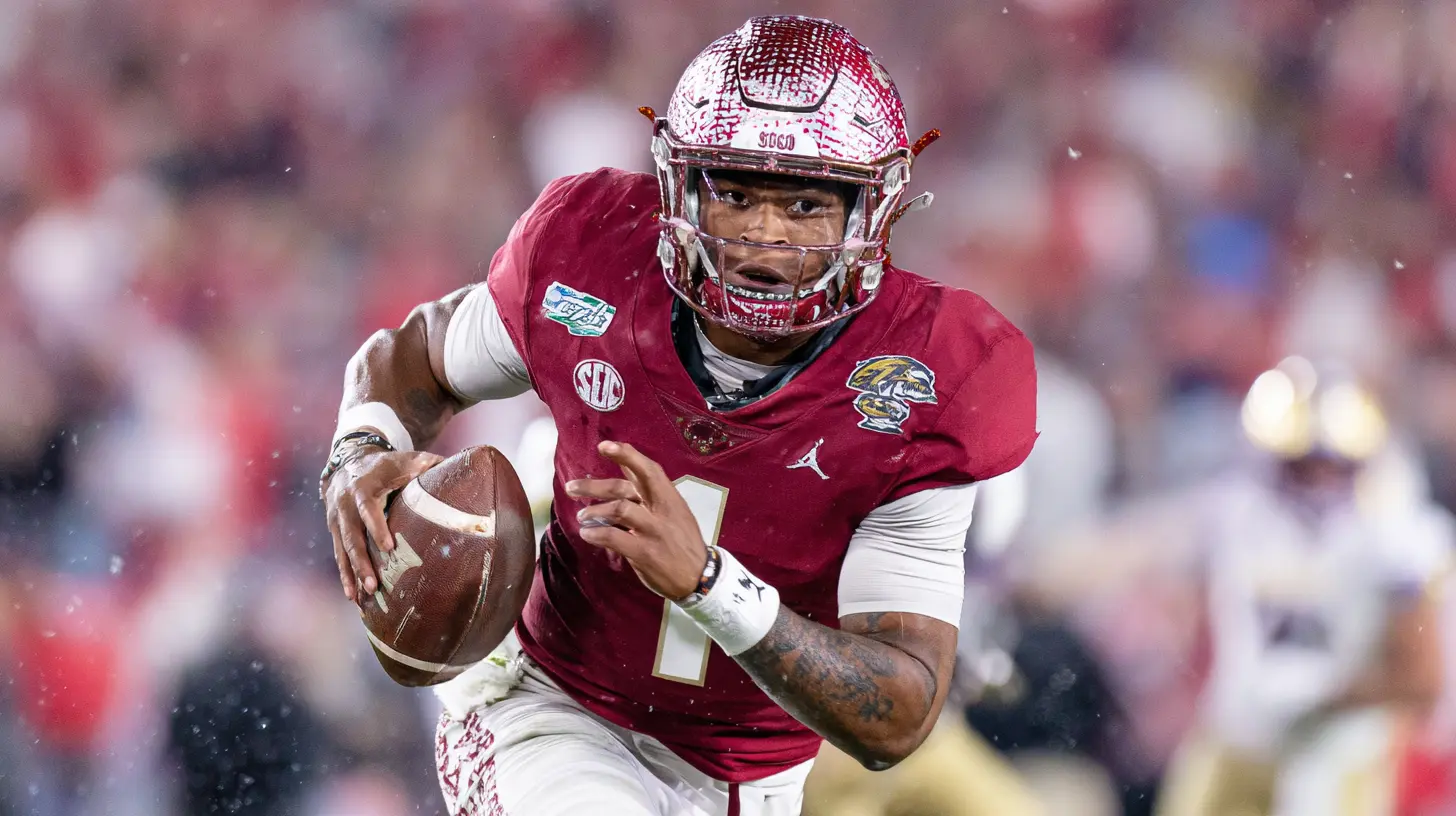
To understand 2026, you have to understand the trajectory. The portal has gone through several phases.The early years were about access. Players who felt stuck on a depth chart could leave without sitting out a year, thanks to the one-time transfer exception that became universal in 2021. Immediate eligibility turned the portal from a trickle into a flood.
The middle years were about money. Name, image, and likeness deals, followed by collectives and eventually revenue-sharing arrangements, turned roster management into a salary cap problem without a cap. Programs that could raise money could buy experience.
By 2026, the sport is in a third phase: consolidation and professionalization. The portal windows are more defined. Compliance staffs have grown. General managers and cap analysts exist at major programs. The chaos has not disappeared, but it has become more structured. That structure is what will define 2026.
The Two Windows and Why Timing Matters
The portal operates around specific windows. There is a winter window that opens shortly after the regular season and a spring window that follows spring practice. Each window has rules about when players can enter and when schools can contact them.Why does this matter? Because timing determines leverage. A player who enters in the winter window is often chasing a starting job for the upcoming season. A player who enters in the spring window is often reacting to a depth chart surprise or a coaching change. Programs that understand these motivations can recruit more efficiently.
In 2026, expect the winter window to remain the primary market for quarterbacks and skill players, while the spring window becomes a second-chance market for linemen and defensive depth. The teams that treat both windows as equally important will have an edge.
Roster Math: Why 2026 Will Feel Different
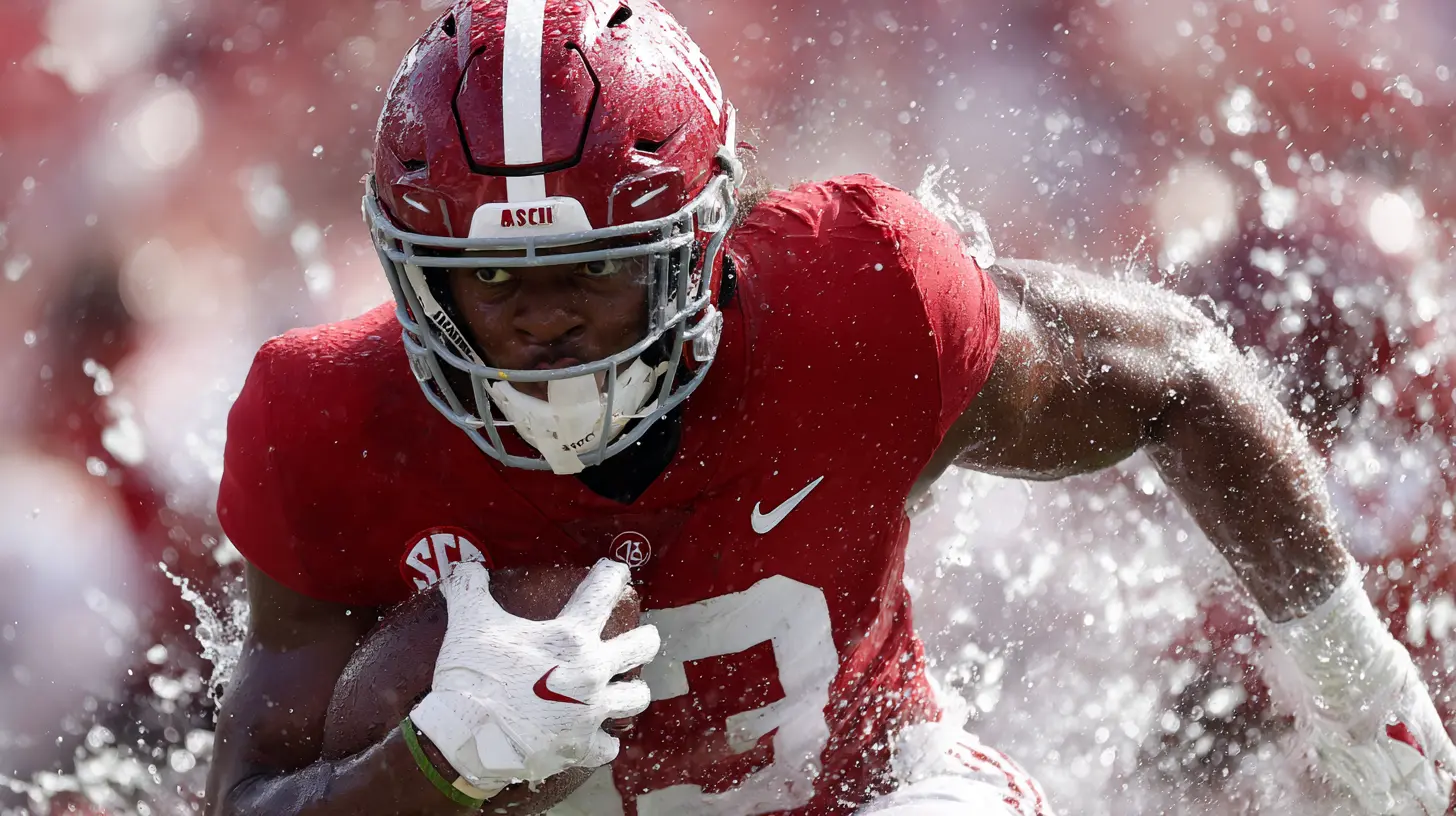
The single biggest driver of portal behavior in 2026 is roster math. Scholarship limits, walk-on rules, and revenue-sharing caps interact in ways that force hard choices.The 105-Player Question
There has been ongoing discussion about moving to a fixed roster limit in the range of 105 players, replacing the traditional 85-scholarship plus walk-on model. If that change is fully in effect by 2026, the math changes dramatically.Here is why. Under the old system, a program could carry 85 scholarship players and a large walk-on group. The portal let teams patch holes quickly, so there was less pressure to develop deep high school classes. If rosters shrink to a hard 105 total, every spot becomes precious. Developmental projects become harder to justify. Depth becomes thinner. The portal becomes less of a luxury and more of a necessity, but also more dangerous, because a bad evaluation now costs a roster spot that cannot be filled by a walk-on.
Revenue Sharing and the Salary Cap That Is Not a Cap
Revenue sharing gives athletes a share of athletic department revenue. In practice, this functions like a soft salary cap. Programs have a pool of money to distribute, and they must decide how to split it between retention and acquisition.The trade-off is brutal. Spend big on a transfer quarterback and you may not have enough to keep your All-Conference linebacker. Spend too little and your rival signs him. In 2026, the programs that win will be the ones that treat roster building like a portfolio: diversified, disciplined, and willing to walk away from overpriced assets.

The Strategic Shifts That Will Define 2026
The portal does not just change who plays where. It changes how programs think. Here are the shifts that will matter most.High School Recruiting Is Being Repriced
For years, high school recruiting was the foundation. Develop, redshirt, grow, start. The portal disrupted that. Why wait three years for a player when you can sign a proven junior?But there is a correction coming. Programs that abandoned high school recruiting entirely found themselves with no culture, no depth, and no loyalty. The portal is a tool, not a strategy.
In 2026, the smart approach is a hybrid. Sign high school players at premium positions where development matters most, like offensive line and quarterback, and use the portal to fill immediate needs at running back, receiver, and defensive back. The ratio will vary by program, but the principle holds: build a base, rent a ceiling.
Retention Is the New Recruitment
The most underrated skill in 2026 will be retention. Keeping a player is cheaper than replacing him. A program that retains its top 40 players has a massive advantage over one that replaces 20 of them every year.Retention requires more than money. It requires honest communication about roles, a clear path to playing time, and a culture that players do not want to leave. This is where programs with strong player development and transparent coaching staffs will separate themselves.
A common mistake: assuming money solves retention. It helps, but players also leave for playing time, scheme fit, and relationships. A program that pays well but mismanages roles will still bleed talent.
The General Manager Role Becomes Standard
By 2026, most Power Four programs will have a general manager or a director of roster management. This person handles cap allocation, portal evaluation, and retention conversations. It is a front-office job in a sport that used to run on coaching instinct.Why does this matter? Because the portal moves fast. A player enters, and within days he has offers. Programs without a dedicated decision-maker miss windows. Programs with one can move quickly and coherently.

Position-by-Position Impact in 2026
The portal affects every position, but not equally. Here is where the impact will be sharpest.Quarterback: The Highest-Stakes Market
Quarterback is the most portal-driven position. A proven starter can transform a program overnight. But the cost is enormous, and the risk is real.In 2026, expect top quarterbacks to command significant revenue-sharing packages. The trade-off: a program that spends heavily on a transfer quarterback may have less to spend on the offensive line that protects him. That is a recipe for a talented quarterback on a bad team.
Best practice: pair a transfer quarterback with a retained, experienced offensive line. Do not buy the engine and neglect the chassis.
Offensive Line: Development Still Wins
Offensive line is the position least suited to quick portal fixes. Linemen need time to learn schemes, build chemistry, and adjust to the speed of the game. A transfer lineman can help, but he is not a plug-and-play solution.In 2026, the programs that dominate the trenches will be the ones that develop high school linemen and use the portal sparingly for depth. This is a case where patience beats urgency.
Skill Positions: The Portal's Sweet Spot
Running backs, receivers, and defensive backs adapt quickly. They rely on athleticism and instincts more than scheme mastery. This makes them ideal portal targets.Expect 2026 to see heavy portal activity at these positions. The risk is overreliance. A receiving corps built entirely of one-year transfers may lack chemistry and blocking discipline. Balance matters.
Defensive Front: The Hidden Battleground
Defensive line and edge rusher are increasingly portal-driven. Pass rushers are scarce, and programs will pay for them. The trade-off is that defensive line depth is hard to rebuild quickly, so a single injury can expose a thin room.The Player Side: What Transfers Should Know in 2026
The portal is not just a program tool. It is a life decision for players. Here is what they should weigh.Playing Time Is Not Guaranteed Anywhere
A common misconception: transferring guarantees a starting job. It does not. Coaches recruit over players constantly. A player who transfers for playing time may arrive and find himself in another competition.Before transferring, a player should ask hard questions. Who else is in the room? What did the coach promise, and is it in writing? How does the scheme fit my strengths?
The Second Transfer Is Harder
The one-time transfer exception made the first move easy. The second move is not. Waivers are harder to get, and programs are more cautious about players who have already transferred once.In 2026, expect players to treat the first transfer as a career decision, not a trial run. The days of hopping schools casually are fading.
Academic and Eligibility Timing
Transferring mid-year versus after spring affects eligibility and academic progress. Players should map out credit transfer and degree progress before entering the portal. A move that costs a semester of eligibility is rarely worth it.
Common Mistakes Programs Make
Even smart programs stumble. Here are the traps to avoid in 2026.Overpaying for a Single Player
One elite transfer can lift a team, but only if the roster around him is solid. Overpaying for a quarterback while neglecting the defense is a classic error.Ignoring Culture Fit
Talent without fit creates friction. A transfer who does not buy into the program's standards can divide a locker room. Evaluation must include character, not just film.Treating the Portal as a Quick Fix
The portal patches holes. It does not build a foundation. Programs that rely on it year after year without developing high school talent will plateau.Failing to Plan for Departures
Every program will lose players. The ones that succeed plan for it. They identify replacements before the window opens and maintain relationships with potential transfers year-round.What Fans Should Expect in 2026
For fans, the portal will make the offseason nearly as dramatic as the season. Expect:- Late-December and January portal news that reshapes depth charts.
- Spring practice battles featuring transfers who arrived in the winter window.
- Roster turnover that makes year-over-year comparisons tricky.
- More player movement at blue-blood programs, not less, because they have the resources to churn.
The emotional adjustment is real. Fans who grew up with four-year players will see more one-and-two-year contributors. That is the new normal.
The Bigger Picture: What the Portal Means for the Sport
The portal is not inherently good or bad. It is a mechanism. Its impact depends on how it is used.It increases player freedom. It rewards programs with strong infrastructure. It punishes complacency. It makes the sport more transactional, which some fans dislike and others accept as fair.
In 2026, the programs that thrive will be those that treat the portal as one part of a larger system: high school recruiting, development, retention, and acquisition. No single piece wins alone.
Practical Recommendations for Programs
If you run a program, here is a checklist for 2026:1. Hire or empower a general manager for roster and cap decisions.
2. Build a retention plan before the season ends, not after.
3. Evaluate transfers on character and scheme fit, not just highlights.
4. Budget for the whole roster, not just the stars.
5. Keep high school recruiting alive at developmental positions.
6. Move fast in the winter window and stay active in the spring.
Practical Recommendations for Players
If you are a player considering the portal:1. Define your goal. Playing time? Money? Exposure? Scheme fit?
2. Ask coaches direct questions and get answers in writing where possible.
3. Understand the academic and eligibility costs.
4. Treat the first transfer as your best move, because the second is harder.
5. Choose a program that develops you, not just one that pays you.
Final Thought
The transfer portal will not destroy college football in 2026. It will continue to reshape it. The sport is becoming more professional, more strategic, and more demanding of everyone involved. Programs that adapt will compete. Programs that resist will fall behind. Players who plan will prosper. Players who react will struggle.The portal is a mirror. It reflects how well a program is run. In 2026, that reflection will be sharper than ever.
all images in this post were generated using AI tools
Category:
Season ExpectationsAuthor:

Preston Wilkins
Discussion
rate this article
2 comments
Holly Palmer
The transfer portal will reshape team dynamics in 2026, fostering both opportunity and uncertainty. Adaptability will be key for successful programs.
September 20, 2026 at 12:36 PM
Preston Wilkins
You're right. The transfer portal will definitely create new challenges and chances for teams. Programs that adapt quickly will have the upper hand.
Anisa McNeely
The transfer portal is reshaping college football, creating unprecedented opportunities for athletes and teams alike. By 2026, expect a more dynamic landscape with stronger competition and surprising roster changes redefining the game's strategy and excitement.
September 16, 2026 at 11:14 AM