The Impact of New Rules on Referee Decision-Making
9 November 2026
Sports are evolving—faster than ever! With new rules constantly being introduced, referees worldwide are scrambling to keep up. But what does this mean for the game? Are these changes making officiating easier or just turning referees into overwhelmed robots?
Buckle up, because we're diving into the chaos of modern officiating and the real impact these new rules have on the people forced to enforce them. 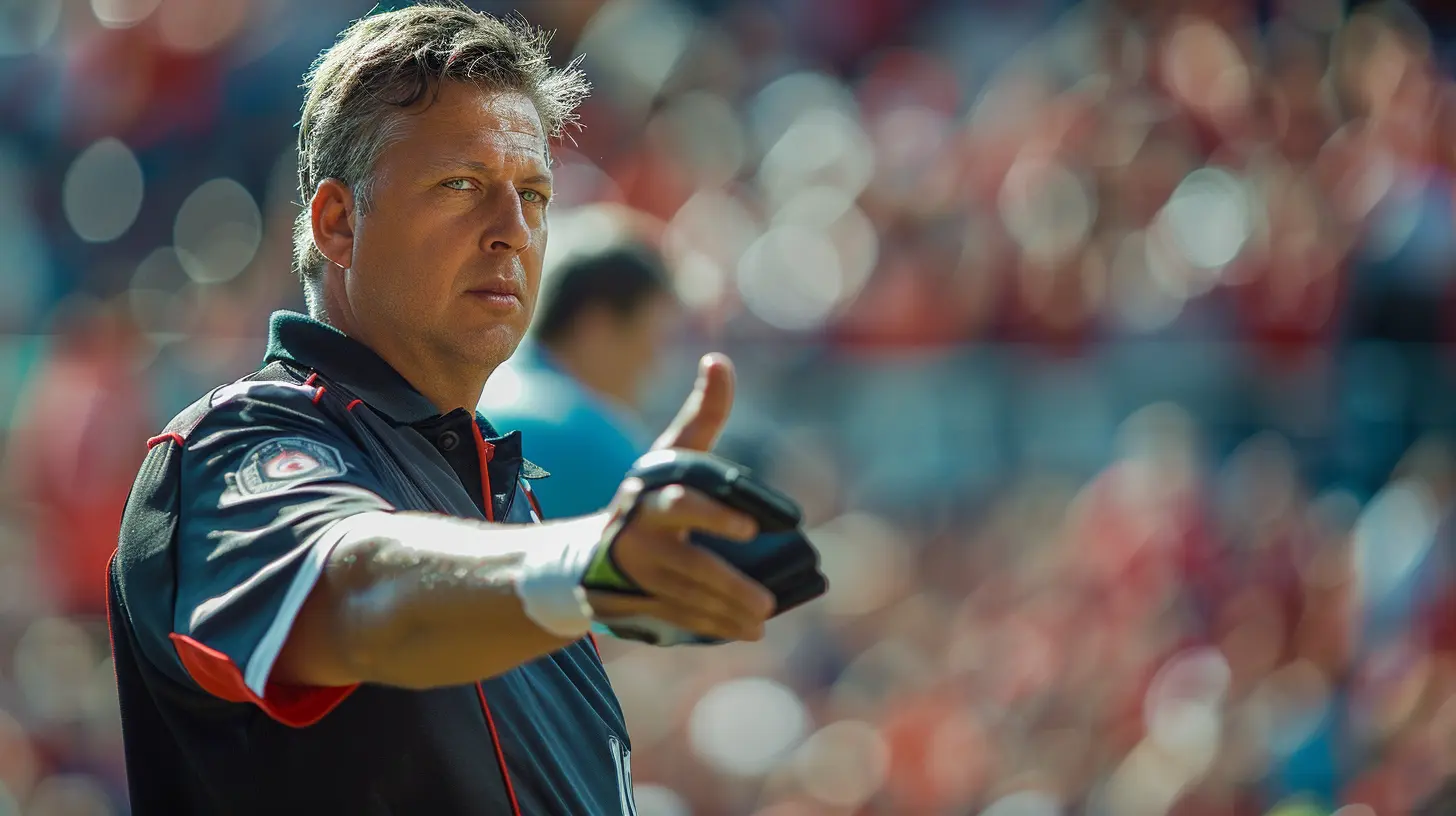
? The Role of a Referee: More Than Just Whistles and Cards
A referee’s job is already one of the toughest in sports. Calling plays in real-time, dodging screaming fans, dealing with emotional players—it’s not for the weak-hearted. But throw in constant rule changes, and you’ve got a recipe for some serious headaches.Every decision they make is scrutinized under high-definition cameras and social media outrage machines. One mistake? Boom—viral clip, angry fans, and maybe even lost job opportunities. Now, add a bunch of new rules to the mix, and you’ve got officials second-guessing every call. 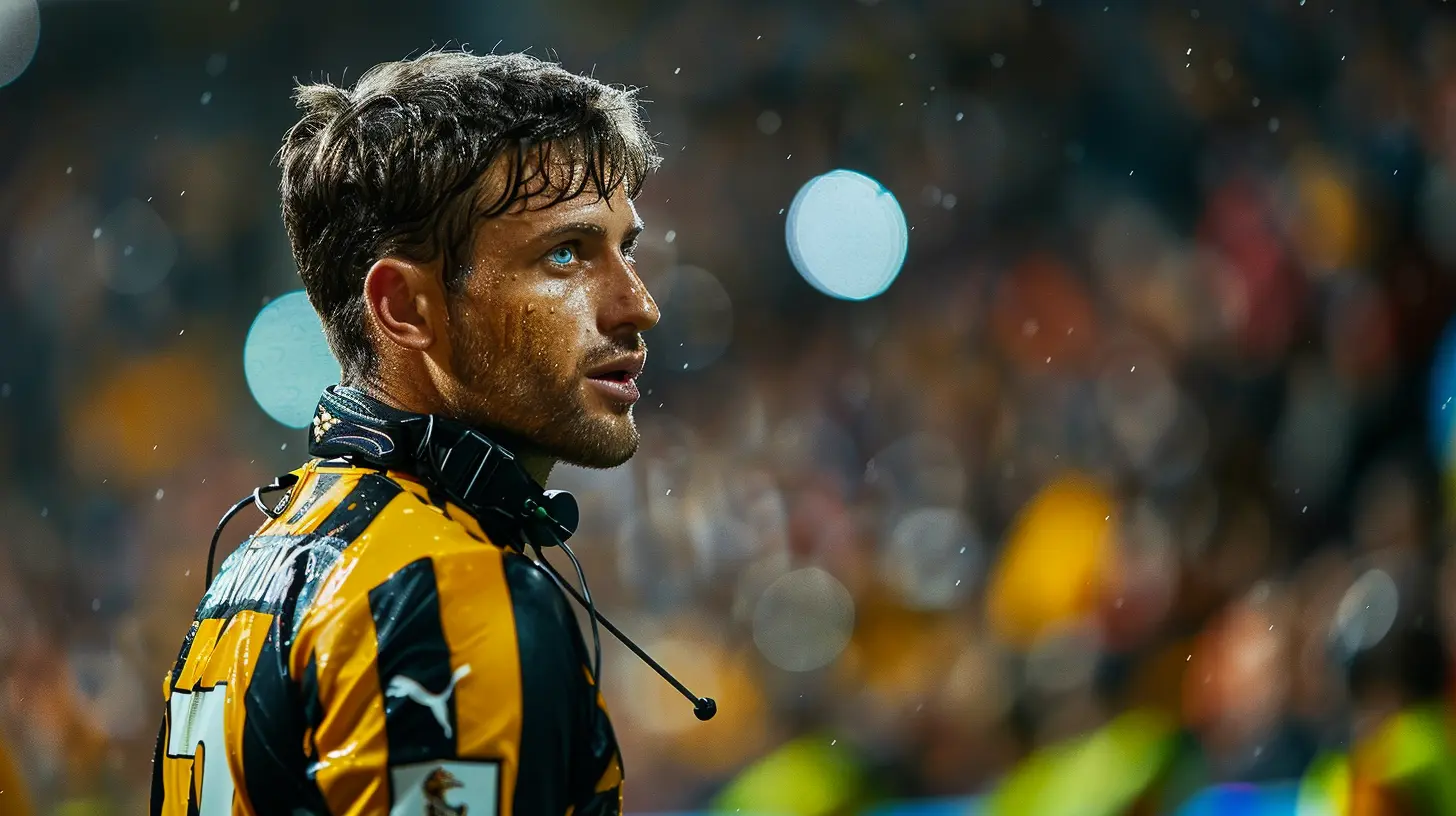
? New Rules: A Blessing or a Curse?
Every sport has rules, but lately, governing bodies seem obsessed with tweaking them. Some changes aim to improve player safety, while others focus on speeding up the game, reducing stoppages, or making the sport more viewer-friendly.But here's the kicker—each new tweak forces referees to relearn their craft overnight. Imagine being a chef who suddenly can’t use salt. Sure, the dish might still turn out fine, but your instincts are thrown out the window.
Let's break down how these rule changes impact referees on the field. 
?️ VAR and Instant Replay: A Savior or a Nightmare?
Technology was supposed to help referees. Video Assistant Referee (VAR) in soccer, instant replay in basketball and football—it all sounded great on paper, right?Wrong.
While these tools help correct clear mistakes, they also slow the game down and put even more pressure on officials. Instead of making quick, instinctive calls, referees now hesitate, knowing that a slow-motion replay will dissect their every move. It’s like taking a test but being told the teacher will review every answer with a magnifying glass afterward.
Sure, accuracy has improved, but at what cost? Players and fans now argue calls even more, expecting perfection in a game that thrives on human judgment. 
⏳ Rule Changes That Have Shaken Up Decision-Making
New rules don’t just force referees to adapt—they completely shift how decisions are made. Here are some of the most impactful ones across different sports:⚽ Soccer: The Handball Circus
Soccer’s handball rule has become an absolute mess. Is it intentional? Does the player's arm position matter? Did it deflect off another body part first? FIFA keeps updating the guidelines, leaving referees confused and fans furious.The result? Inconsistent calls, endless VAR checks, and referees struggling to know when to blow the whistle.
? NBA’s Take-Foul Rule
The NBA recently introduced a rule to stop players from deliberately fouling to prevent fast breaks. Sounds fair, but referees now have to determine intent in a split second. Did a player foul on purpose, or was it just a natural defensive move? It’s like asking someone to guess if a person tripped or dived in real-time.? NFL’s Roughing the Passer Drama
Protecting quarterbacks is important, but the NFL’s roughing the passer rule has gone overboard. Referees now hesitate before throwing flags because they know any controversial call will be replayed and debated endlessly.Fans scream for consistency, but how can referees be consistent when even they aren’t sure what qualifies as “roughing” anymore?
? The Mental Toll on Referees
Let’s be real—referees are human. They aren’t robots programmed to spit out perfect decisions (though AI refs might be coming sooner than we think). The constant rule changes take a mental toll, making an already stressful job even tougher.Imagine making a split-second decision that could change the outcome of a game, only for analysts and fans to tear it apart frame by frame afterward. Now, add the pressure of new rules that you're still trying to fully grasp.
No wonder we’re seeing more referees retiring early or burning out. The emotional pressure is off the charts.
? Can Referees Keep Up?
The real question is: Are referees adapting fast enough to keep up with the changes? The answer is tricky.Yes, training programs are improving, with officials undergoing rigorous education on new rules. But in a world where sports are played at breakneck speed, theoretical knowledge can only go so far.
Referees need real-time experience to adjust, which means mistakes will happen along the way. The challenge is whether leagues and fans will allow room for that growth or continue to judge referees as if they're flawless machines.
? The Future of Officiating
So, what’s next?? More technology? AI-driven refereeing is already being tested in soccer and tennis. But can machines ever account for the human intuition needed in sports?
? Clearer rule adjustments? Governing bodies need to make rules simpler, not more complicated. The more gray areas, the more confusion.
? Better referee protections? If leagues want high-quality officiating, they need to support their referees, not just criticize them. More training and mental health resources could go a long way.
? Final Whistle
Sports are nothing without their officials, yet they’re often the most criticized people on the field. With new rules constantly shifting the landscape, referees are stuck in an impossible balancing act between enforcing the game and adapting to ever-changing guidelines.Will sports leagues finally realize the pressure they’re putting on officials? Or will referees continue to be the scapegoats for every controversial call? Only time will tell.
But one thing’s for sure—officiating is no longer just about calling fouls. It’s about surviving the never-ending evolution of sports itself.
all images in this post were generated using AI tools
Category:
New RulesAuthor:

Preston Wilkins

