Soccer Stars Set to Dominate Global Branding in 2026
10 October 2026
The soccer industry has always produced globally recognized figures. From the era of Pele and Beckenbauer to the modern age of Messi and Ronaldo, the sport has consistently generated personalities whose influence extends far beyond the pitch. What makes 2026 different is the convergence of several forces that will amplify player branding to a level the sport has not previously seen. The FIFA World Cup in North America, the continued maturation of digital media platforms, the rise of athlete-owned business ventures, and a generational shift in how fans consume content all point in the same direction. Players who position themselves correctly will build brands that outlast their playing careers. Those who do not will leave significant value on the table.
This article examines the structural reasons why 2026 represents a turning point, which players are best positioned to capitalize on it, and what the broader industry should understand about the mechanics of modern athlete branding.

Why 2026 Is a Structural Turning Point
It is tempting to treat every World Cup cycle as a branding opportunity. That framing misses what is actually happening. The 2026 tournament will be hosted across the United States, Canada, and Mexico, which means the world's most-watched sporting event will take place in the world's most commercially developed sports market. The implications are not just about attendance or ticket revenue. They concern media rights, sponsorship activation, and the sheer volume of corporate infrastructure that exists in North America to convert attention into long-term commercial relationships.Previous World Cups in emerging markets or smaller territories often generated enormous viewership but limited sustained commercial infrastructure. The 2026 event is different. The United States already has a mature sports marketing ecosystem, with agencies, talent representatives, brand activation specialists, and legal frameworks designed to support athlete endorsements at scale. When the tournament arrives, that infrastructure will be ready to absorb and amplify player stories in ways that were not possible in South Africa in 2010 or Brazil in 2014.
There is also the calendar effect. The 2026 World Cup will feature 48 teams, up from 32. More teams mean more players on the global stage, which means more potential brand ambassadors. It also means more national markets represented, giving multinational corporations a wider set of cultural touchpoints to work with. A player from a smaller footballing nation who performs well in a group stage match can now attract attention that would have been impossible in a 32-team format.
Finally, the timing relative to the club football calendar matters. The tournament will be held in the summer, which is standard. But the expanded format and the geographic spread across three countries will create a longer, more sustained media cycle. Players who perform well will remain in the public conversation for weeks, not days. That extended window is precisely what brands need to build meaningful associations rather than fleeting visibility.
The New Mechanics of Athlete Branding
Understanding how player brands actually function requires moving past the old model of endorsements and jersey sales. The traditional approach was straightforward: a player performs well, a company offers a sponsorship, the player appears in advertisements, and the relationship ends when the contract expires. That model still exists, but it is no longer the primary driver of long-term brand value.From Endorsement to Ownership
The most significant shift in athlete branding over the past decade has been the move from endorsement to ownership. Players are no longer just faces attached to existing products. They are founders, investors, and equity holders. This change matters because it aligns the player's financial interests with the brand's long-term success rather than a fixed fee for a fixed period.Consider the difference in incentives. When a player endorses a product for a fee, the goal is to maximize the fee and minimize the time commitment. When a player owns equity in a company, the goal shifts toward building genuine, sustained visibility for that company. The player becomes an advocate rather than a spokesperson. That distinction is visible in how audiences respond. Fans can generally tell when an endorsement is transactional and when it is genuine. The latter builds trust, and trust is the currency of modern branding.
Several current stars have already moved in this direction. Players have launched fashion lines, invested in technology startups, backed sports teams, and created media production companies. The specific ventures vary, but the pattern is consistent: control and equity over fees and appearances.
The Role of Digital Platforms
Digital platforms have changed the distribution model for athlete brands. A player no longer needs a traditional media company to reach a global audience. A single post can reach more people than a prime-time television advertisement in many markets. This shift has two consequences.First, players can build direct relationships with fans. They can share their personalities, their interests, and their perspectives without filtering through a club's communications department or a sponsor's marketing team. That direct connection is valuable because it creates a sense of authenticity. Fans feel like they know the player, not just the athlete.
Second, players can monetize that connection directly. Subscription content, merchandise drops, and exclusive experiences are all viable revenue streams that do not require a traditional corporate partner. This does not mean sponsorships are obsolete. It means players have more leverage in negotiations because they can demonstrate their own ability to reach and convert audiences.
The Importance of Narrative Control
Every athlete brand rests on a narrative. The narrative is the story that fans tell themselves about who the player is and what they represent. For some players, the narrative is about overcoming adversity. For others, it is about technical brilliance or leadership. The specific content matters less than the consistency and authenticity of the story.What has changed is who controls the narrative. In the past, media outlets and clubs largely determined how players were perceived. Today, players have the tools to shape their own stories. They can publish long-form interviews, documentary content, and personal reflections directly to their audiences. This control is a double-edged sword. It allows for greater authenticity, but it also removes the buffer that traditional media provided. A poorly considered statement or a misjudged post can damage a brand in hours rather than days.
The players who succeed in 2026 will be those who treat narrative control as a strategic function, not an afterthought. That means having a clear sense of what the brand stands for, what it will and will not do, and how it will respond when things go wrong.
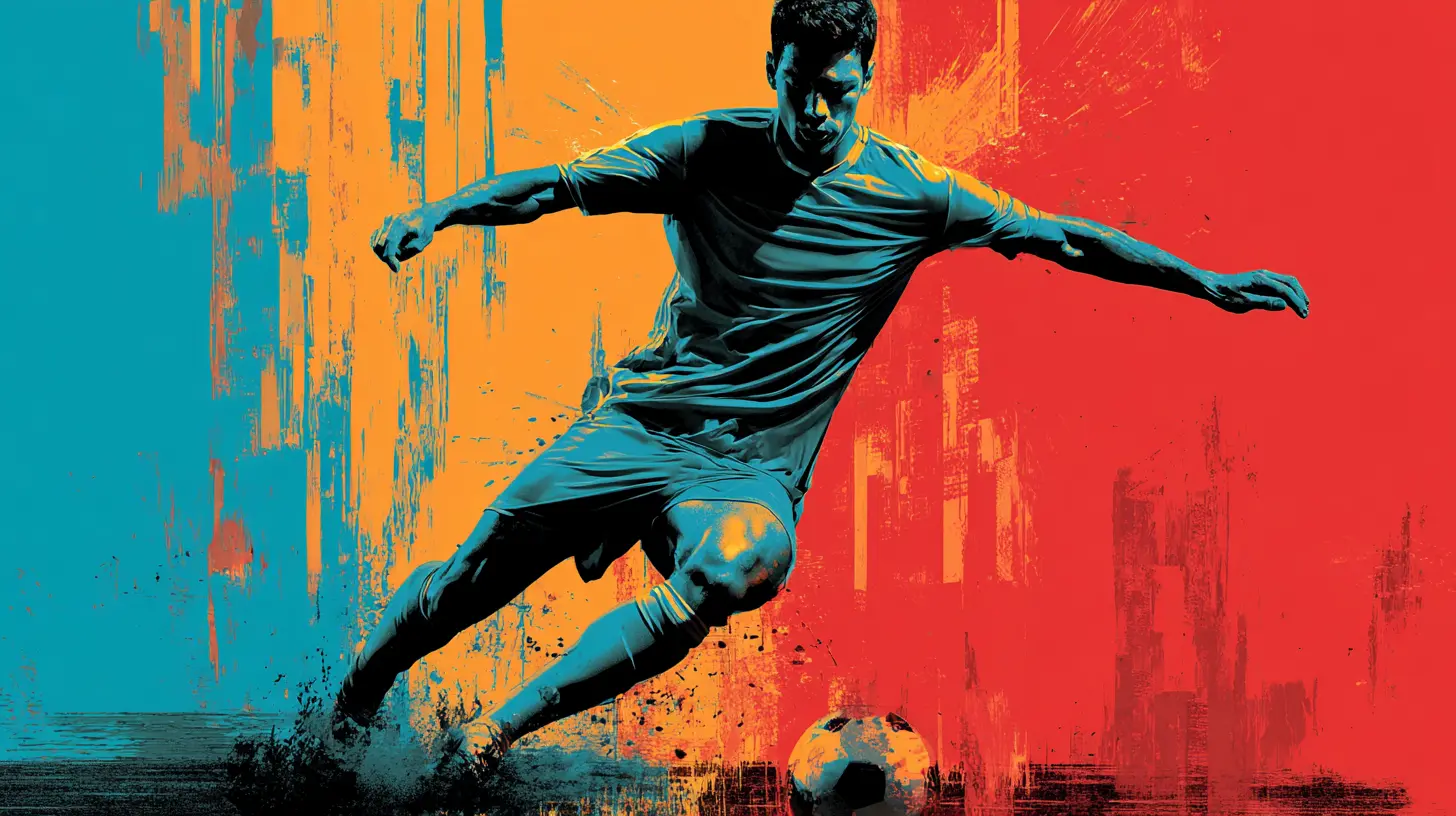
Players Positioned for Dominance
Identifying which players will dominate global branding in 2026 requires looking beyond current performance metrics. The players who will succeed are those who combine on-field excellence with off-field strategic thinking. Several categories of players are well positioned.Established Global Icons
The most obvious candidates are the players who have already built substantial brands. These are individuals whose names are recognized far beyond football audiences. Their advantage is scale. They already have millions of followers, established commercial relationships, and recognition in markets where football is not the dominant sport.The risk for this group is complacency. A brand built on past performance can erode quickly if it is not refreshed. The players who maintain their dominance will be those who continue to evolve their positioning, take on new challenges, and avoid the trap of becoming purely nostalgic figures. The 2026 World Cup is an opportunity to demonstrate relevance, not just legacy.
Emerging Stars from Expanding Markets
The expansion of the tournament to 48 teams creates opportunities for players from nations that have not traditionally been football powerhouses. A strong performance in a group stage match can introduce a player to a global audience overnight. The challenge is converting that attention into something durable.Players from these markets often have a natural advantage in authenticity. They represent a story that feels new and genuine. They are not overexposed. Brands looking for fresh faces and untapped markets will find them attractive. The players who capitalize on this will be those who have prepared in advance, building a digital presence and a clear brand identity before the tournament begins.
The Next Generation
Every World Cup cycle produces a breakout star. The 2026 tournament will be no exception. The difference is that the breakout stars of 2026 will have grown up entirely in the digital era. They will be comfortable with content creation, community management, and direct-to-fan engagement in ways that older players had to learn later in their careers.This generational shift is significant. Younger players often have a more intuitive understanding of what resonates on digital platforms. They are less likely to rely on traditional media training and more likely to speak directly to their audiences. That directness can be a powerful branding asset, provided it is paired with good judgment and a clear strategic direction.

The Role of Clubs and National Teams
Player branding does not happen in a vacuum. Clubs and national teams play a significant role in shaping how players are perceived. A player's club performance determines their visibility on the global stage. Their national team performance determines their emotional connection with a specific fan base. Both matter for branding, but they matter in different ways.Clubs are increasingly aware of the commercial value of their players' personal brands. A player with a strong personal brand brings attention to the club, which can translate into sponsorship revenue and merchandise sales. Some clubs actively support player branding initiatives. Others view them as a distraction. The clubs that take a supportive approach tend to attract players who value their own commercial potential, which can be a competitive advantage in recruitment.
National teams operate differently. The emotional connection between a player and their national team fan base is often deeper and more enduring than any club relationship. A player who performs well for their country can build a level of loyalty that transcends club affiliations. This is particularly important in markets where club football is less developed. For players from these markets, the national team is the primary platform for global visibility.
The interaction between club and national team branding is not always smooth. A player who is beloved at their club may face criticism from national team fans, or vice versa. Managing these dynamics requires careful communication and a clear understanding of what each audience values.
Common Mistakes in Athlete Branding
The history of athlete branding is full of cautionary tales. Understanding what not to do is as important as understanding what to do.Overextension
The most common mistake is overextension. A player who is successful on the pitch may be tempted to attach their name to every available opportunity. The result is a diluted brand that stands for nothing in particular. Fans cannot form a clear association when a player is promoting a different product every week.The solution is selectivity. A player should have a clear sense of what their brand represents and only associate with products and companies that fit that identity. This often means turning down opportunities. That is difficult in the short term but valuable in the long term.
Ignoring the Home Market
Players who move to major European clubs often focus their branding efforts on global audiences. This is understandable, but it can be a mistake. The home market is often where a player has the deepest emotional connection with fans. Neglecting that market can erode the foundation of the brand.The best approach is to maintain a strong presence in the home market while also building global reach. This requires balancing content and engagement across multiple languages and cultural contexts. It is more work, but it produces a more resilient brand.
Treating Social Media as a Broadcast Channel
Many players treat social media as a one-way broadcast channel. They post promotional content and expect engagement. This approach misses the point of digital platforms. The value of social media is in the interaction, not just the reach. Players who respond to fans, ask questions, and share genuine moments build stronger connections than those who simply push out marketing messages.Neglecting Legal and Financial Structures
Branding has legal and financial dimensions that are easy to overlook. Intellectual property, licensing agreements, tax structures, and corporate governance all matter. A player who builds a successful brand without proper legal and financial foundations can face significant problems later. This is an area where professional advice is essential.
Practical Advice for Players and Their Teams
For players who want to build durable brands, several principles apply regardless of their current profile.Start with clarity. Before pursuing any commercial opportunity, define what the brand stands for. What values does the player represent? What is the story? What is the tone? These questions may seem abstract, but they provide the framework for every subsequent decision.
Build a team with complementary skills. A player's inner circle should include people who understand marketing, digital content, legal structures, and financial management. Relying on a single advisor for all of these functions is a recipe for gaps.
Invest in content. Original content is the engine of modern branding. It does not need to be expensive or highly produced. It needs to be authentic, consistent, and aligned with the brand identity.
Think in decades, not years. The most valuable athlete brands are built over long periods. Short-term opportunities should be evaluated against long-term goals. A deal that generates immediate revenue but conflicts with the brand's identity is usually a bad deal.
Prepare for the transition. Every playing career ends. The players who build the strongest brands are those who plan for the transition from athlete to entrepreneur, investor, or media figure. The brand should be able to survive and thrive after the boots are hung up.
What Brands Should Consider
The flip side of athlete branding is the brand side. Companies looking to partner with players in 2026 should approach these relationships with the same strategic rigor they would apply to any other marketing investment.Authenticity matters more than reach. A player with a smaller but highly engaged audience may be more valuable than a player with millions of passive followers. The key question is whether the player's audience trusts them and whether that trust can be transferred to the brand.
Fit matters more than fame. The most successful partnerships are those where the player genuinely aligns with the brand's values and target audience. A mismatch may generate short-term attention but will not build lasting association.
Long-term relationships outperform one-off deals. Brands that commit to multi-year partnerships with players can build deeper associations than those that jump from one trending athlete to another. The investment is higher, but the returns are more durable.
The Road Ahead
The 2026 World Cup will be a defining moment for the soccer industry. It will accelerate trends that are already underway and create new opportunities for players who are prepared. The players who dominate global branding will not necessarily be the best players on the pitch. They will be the ones who understand that a personal brand is a business, that it requires strategy, investment, and patience, and that the window to build it is open now.The industry is watching. The infrastructure is in place. The audience is ready. What remains to be seen is which players will seize the moment and which will let it pass.
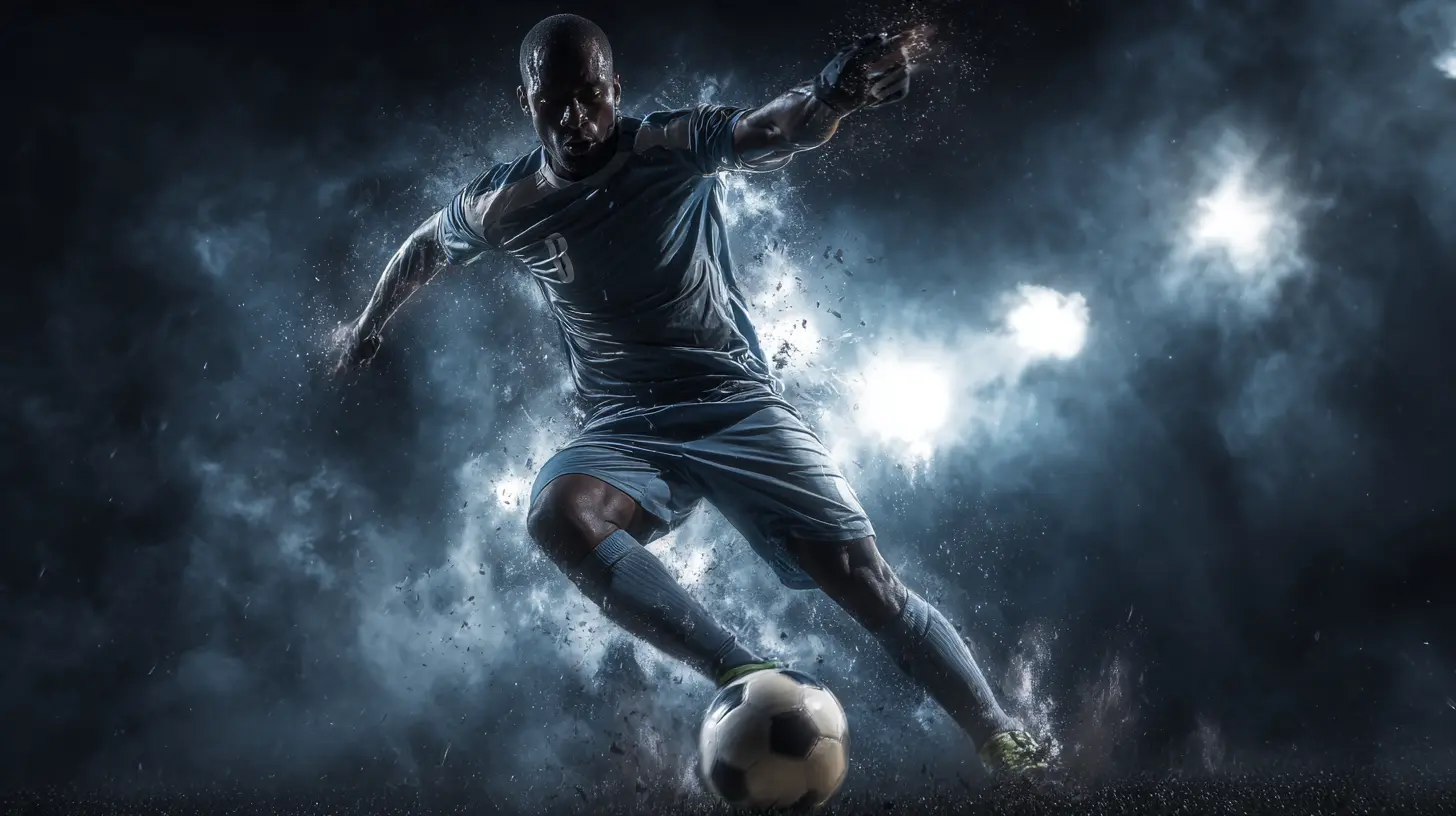
all images in this post were generated using AI tools
Category:
Athlete EndorsementsAuthor:

Preston Wilkins
Discussion
rate this article
1 comments
Paxton McFarlane
Exciting times ahead for soccer fans! The upcoming 2026 World Cup is set to showcase our favorite stars both on and off the field. With their charisma and talent, these athletes will not only entertain but also redefine global branding. Can't wait to see it all unfold!
October 10, 2026 at 4:31 AM