The Impact of Sleep on Gym Performance and Recovery
25 February 2026
Introduction
Ever felt sluggish during an early morning workout or struggled to push through a heavy set even after a solid meal? The culprit might not be your diet or training plan—it could be your sleep. Sleep is the foundation of gym performance and recovery. Yet, so many lifters, athletes, and fitness enthusiasts overlook just how crucial quality sleep is in maximizing gains and avoiding injuries.
In this deep dive, we’ll break down exactly how sleep impacts your workouts, your muscle recovery, and even your long-term fitness progress. Get ready to rethink your late-night Netflix binges!

How Sleep Affects Gym Performance
Reduced Strength and Endurance
Lack of sleep doesn’t just leave you yawning at the squat rack—it actively sabotages your ability to lift heavy and sustain endurance. Studies have shown that suboptimal sleep leads to decreased muscle power, meaning your reps feel harder, and you fatigue faster. Ever noticed how your usual bench press weight feels like a ton after a bad night’s sleep? It’s not in your head; your body is actually underperforming.Decreased Reaction Time and Coordination
Weightlifting isn’t just about brute strength—it’s also about precision and control. Sleep deprivation compromises your reaction time, making you more prone to sloppy form, missed lifts, and even injuries. If you're into CrossFit, sports, or any explosive movements, this could be the difference between hitting a PR or face-planting mid-burpee.Mental Fog and Lack of Focus
Ever caught yourself zoning out mid-workout, scrolling through your phone instead of finishing your set? Poor sleep drains your mental sharpness, making it harder to stay focused on training. When your brain is tired, your mind-muscle connection weakens, reducing the effectiveness of each rep and making it harder to push through tough sets.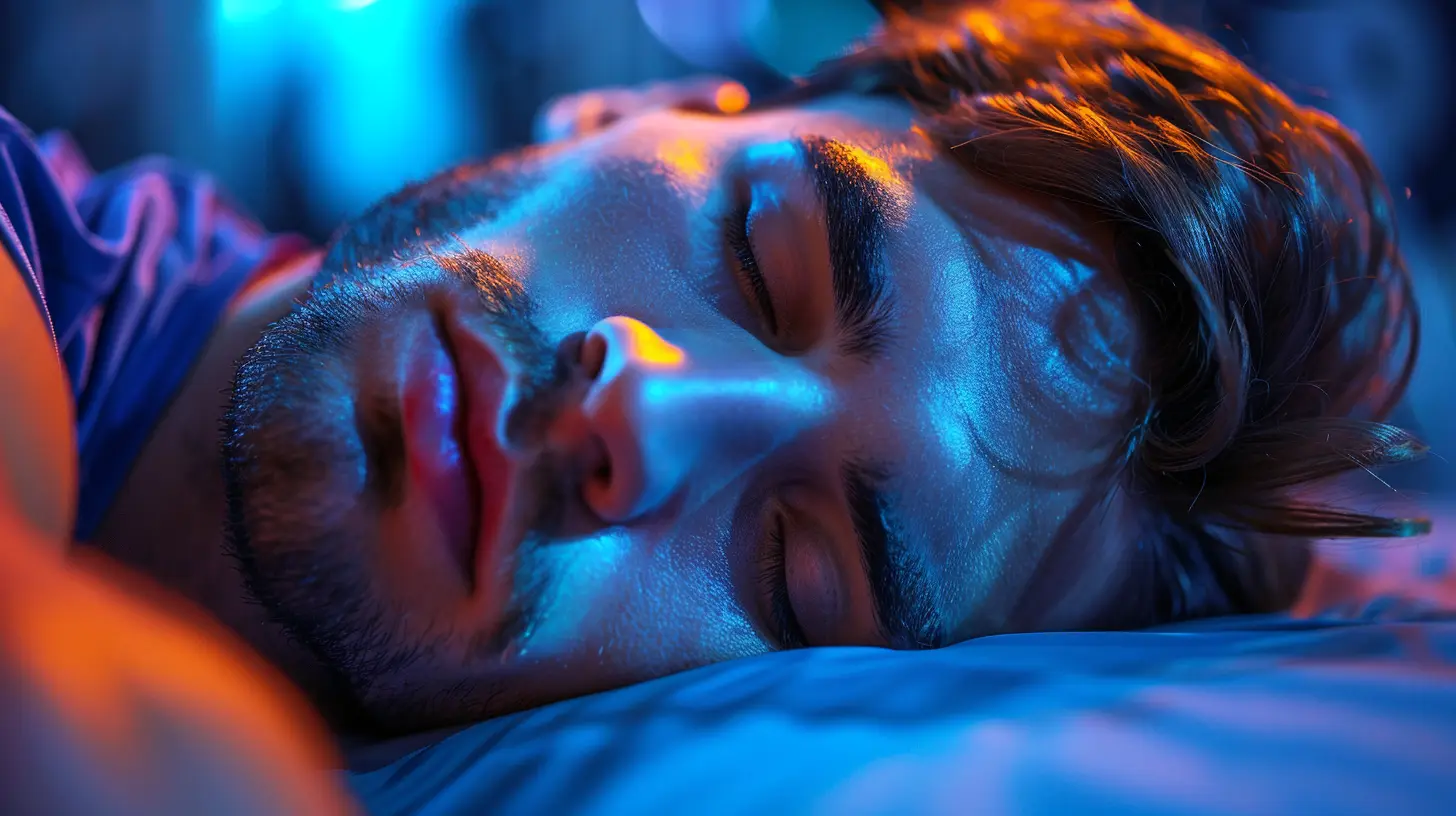
The Role of Sleep in Muscle Recovery
Getting stronger isn’t just about lifting—it’s about how well your body repairs itself afterward. And that’s where sleep plays a game-changing role.Muscle Repair and Growth
When you sleep, your body enters full-on repair mode. Growth hormone—the secret sauce for muscle repair—is released in its highest amounts during deep sleep. This hormone helps rebuild damaged muscle fibers, making them stronger and more resilient. Skimping on sleep? You’re basically short-changing yourself on gains.Reduced Inflammation and Faster Recovery
Training creates tiny tears in your muscle fibers, which triggers inflammation. Sleep is when your body actively reduces this inflammation, speeding up recovery. If you’ve ever woken up feeling ridiculously sore after a poor night’s sleep, it’s because your body didn’t get the chance to properly repair itself.Strengthens the Immune System
Ever noticed how a few sleepless nights make you more prone to getting sick? That’s because sleep is crucial for immune function. Consistently short-changing yourself on sleep weakens your immune system, making you more vulnerable to colds, infections, and general burnout—none of which help with gym progress.
The Link Between Sleep and Hormones
Your body isn’t just about muscles—it’s a finely tuned system of hormones that determine how effectively you build muscle and burn fat. Sleep plays a massive role in regulating these hormones.Cortisol: The Muscle-Eating Enemy
Cortisol, the stress hormone, spikes when you don’t get enough sleep. Elevated cortisol levels break down muscle tissue and increase fat storage—pretty much the opposite of what any gym-goer wants. Long-term sleep deprivation keeps cortisol levels high, making it harder to gain muscle and shed fat.Testosterone and Growth Hormone Production
Testosterone is the powerhouse hormone for strength, muscle growth, and overall gym performance. Sleep deprivation slashes testosterone production, leading to decreased muscle-building potential. If you’re serious about making gains, prioritizing sleep is just as important as optimizing your training and diet.Hunger Hormones: Sleep and Fat Loss
Ever noticed how you crave junk food after a bad night’s sleep? That’s because sleep deprivation messes with ghrelin (the hunger hormone) and leptin (the satiety hormone), making you feel hungrier and less satisfied after meals. If your goal is fat loss, lack of sleep can sabotage your diet by making you more likely to overeat and crave high-calorie foods.
How to Optimize Sleep for Better Gym Performance
Now that we know how critical sleep is, let’s talk actionable steps. Improving sleep quality doesn’t require a magic formula—it’s about small, consistent changes that make a big impact over time.Set a Consistent Sleep Schedule
Your body thrives on routine. Try to go to bed and wake up at the same time every day—even on weekends. This helps regulate your circadian rhythm, making it easier to fall asleep and wake up feeling refreshed.Reduce Blue Light Exposure Before Bed
Scrolling through Instagram or watching TV until midnight? That blue light from screens disrupts melatonin production, making it harder to fall asleep. Try limiting screen time at least 30-60 minutes before bed or using blue light filters.Create a Sleep-Friendly Environment
Your bedroom should be your sleep sanctuary. Keep the room cool, dark, and quiet. Invest in blackout curtains, a comfortable mattress, and a good pillow. Even small tweaks—like using a white noise machine—can make a big difference.Limit Stimulants and Heavy Meals Before Bed
Caffeine lingers in your system for hours, so avoid it at least 6 hours before bedtime. The same goes for heavy meals—eating large amounts of food close to bedtime can disrupt sleep. Stick to light snacks if you’re feeling hungry before bed.Try Relaxation Techniques
Struggling to fall asleep? Incorporate relaxation techniques like deep breathing, meditation, or reading a book. Avoid stressful activities that spike cortisol levels (like checking work emails) before bed.Supplement Wisely
While natural strategies should always be your go-to, some supplements can support better sleep. Magnesium, melatonin, and glycine have been shown to promote restful sleep. But remember—supplements should never replace good sleep habits.Conclusion
If you're serious about hitting your fitness goals, sleep needs to be just as much a priority as your workouts and nutrition. Strength, recovery, and even fat loss are all directly impacted by how well you sleep.So the next time you're debating another episode of your favorite show versus getting to bed earlier—think about your gains. Prioritizing sleep isn’t just about feeling more rested; it’s about unlocking your full potential in the gym. Because let’s be real—what’s the point of grinding through brutal workouts if you're not giving your body the recovery it needs to grow stronger?
Sleep is your secret weapon. Use it wisely.
all images in this post were generated using AI tools
Category:
Gym TrainingAuthor:

Preston Wilkins
Discussion
rate this article
2 comments
Poppy McBride
Sleep is the ultimate game-changer for peak performance!
March 31, 2026 at 4:22 AM
Preston Wilkins
Absolutely! Quality sleep boosts recovery and enhances performance, making it essential for anyone serious about their workouts.
Cambria Wright
Sleep is often overlooked but is crucial for optimal gym performance and recovery. Athletes need adequate rest to enhance muscle repair, boost energy levels, and improve focus. Prioritizing sleep can make a noticeable difference in training outcomes and overall fitness progress. Don't underestimate its power!
February 26, 2026 at 1:19 PM
Preston Wilkins
Absolutely! Sleep is essential for enhancing gym performance and recovery, as it significantly aids muscle repair, energy, and focus. Prioritizing rest can lead to remarkable improvements in fitness outcomes. Thank you for highlighting its importance!