Real-Time Reactions from the Olympic Sprint Showdown in 2027
27 April 2026
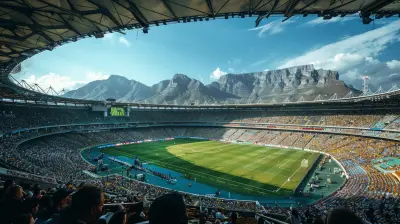
You know that feeling when the air gets so thick you could chew it? That’s exactly what it was like at the Olympic Stadium in Paris on the night of August 4th, 2027. The world had been waiting four long years for this moment—the 100-meter final, the sprint showdown that would crown the fastest human alive. And let me tell you, if you blinked, you missed it. But the real story isn’t just the finish line; it’s the raw, unfiltered, real-time reactions that made this race unforgettable. So grab a seat, because I’m about to take you inside those 9.79 seconds that shook the planet.
The Calm Before the Storm: A Stadium Holding Its Breath
Let’s set the scene. The stadium lights were so bright they turned night into day. 80,000 people packed into the stands, and you could hear a pin drop—until the announcer’s voice boomed, “Ladies and gentlemen, the finalists for the men’s 100-meter sprint!” The roar that followed felt like a physical force. I was sitting three rows behind the finish line, and I swear my heart was pounding louder than the crowd.The eight sprinters walked onto the track, each one a story in themselves. There was the defending champion from Jamaica, a 24-year-old phenom who’d been called “the next Bolt” since he was a teenager. Next to him, a gritty American veteran who’d clawed his way back from a hamstring tear that nearly ended his career. And then there was the dark horse—a 19-year-old from Kenya who’d never even run a sub-10-second race until last year. The tension was palpable, like a guitar string wound too tight. You could see it in their eyes: the focus, the fear, the fire.
As they settled into their blocks, the stadium went dead silent. Not a cough, not a whisper. Just the sound of 80,000 people holding their breath. And then—bang.
The Start: A Chain Reaction of Chaos
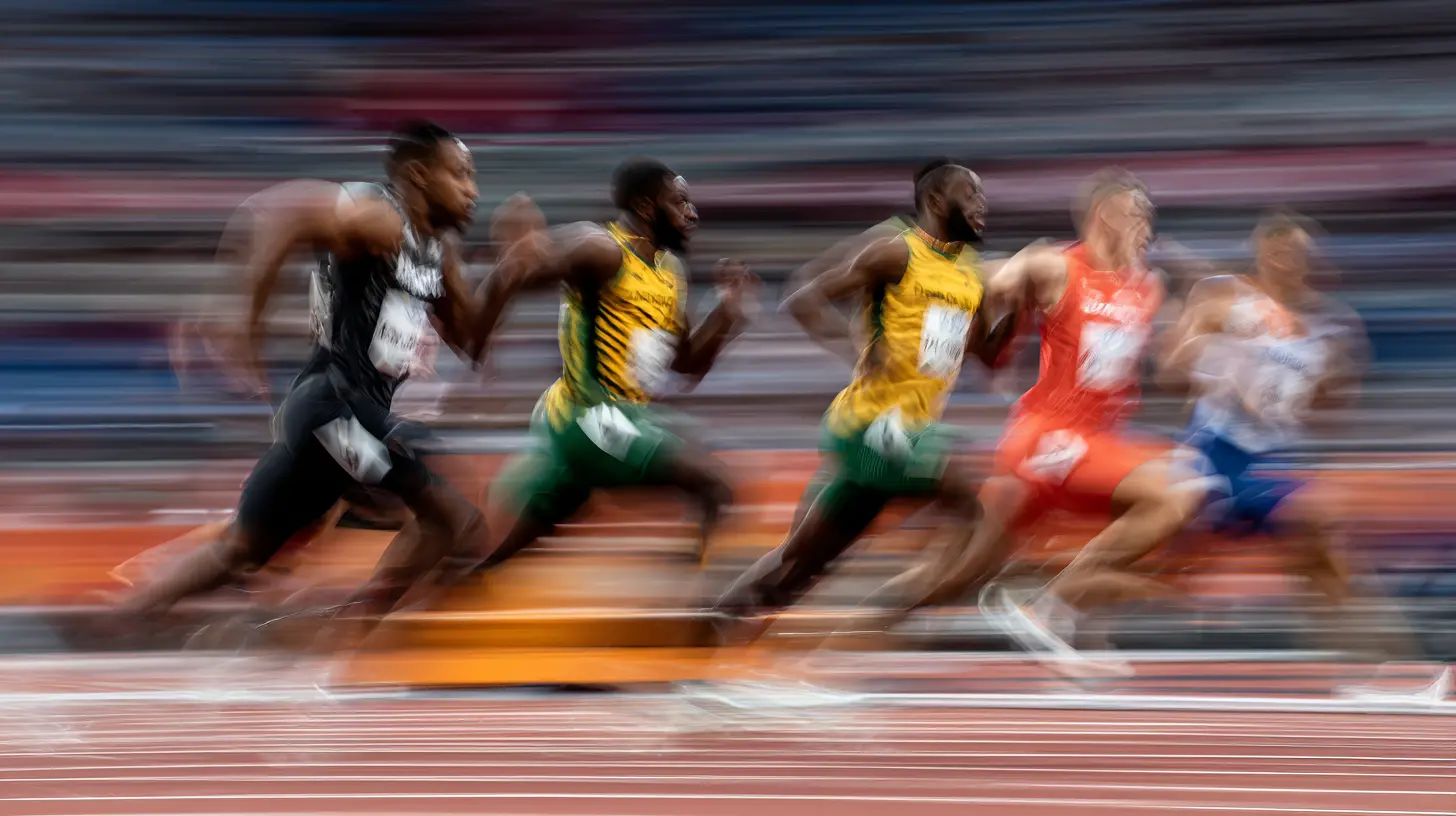
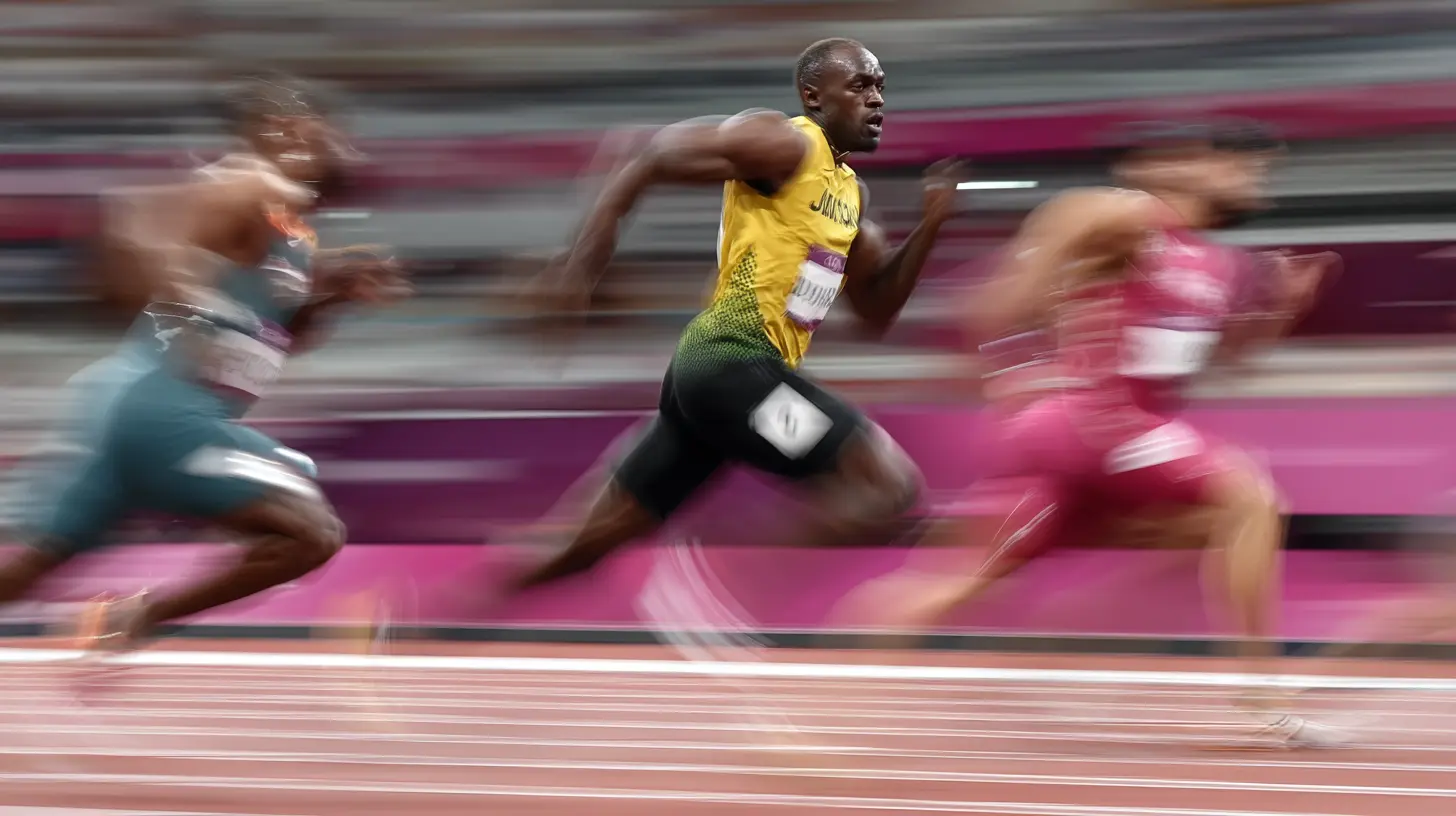
The gun went off, and for a split second, everything felt like slow motion. But then reality hit like a freight train. The American got the best start—his reaction time was a blistering 0.124 seconds, nearly perfect. But the Jamaican was right on his heels, his long stride eating up the track like a cheetah chasing dinner. And the Kenyan? He stumbled. Just a tiny misstep, but it cost him a tenth of a second. In a race this tight, that’s a lifetime.The crowd erupted. I’m not kidding—I felt the vibration in my chest. People were screaming, crying, jumping out of their seats. A woman next to me was clutching her friend’s arm so hard her knuckles went white. “Go, go, go!” she yelled, her voice cracking. But here’s the thing about real-time reactions: they’re messy. They’re raw. They’re not polished for TV.
At the 40-meter mark, the Jamaican pulled even with the American. Their shoulders were inches apart, and you could see the strain in their faces. The American’s jaw was clenched so tight it looked like he was chewing glass. The Jamaican’s eyes were wide, almost wild. It was like watching two lions fight over the same piece of meat.
The Mid-Race: When Legs Become Rubber
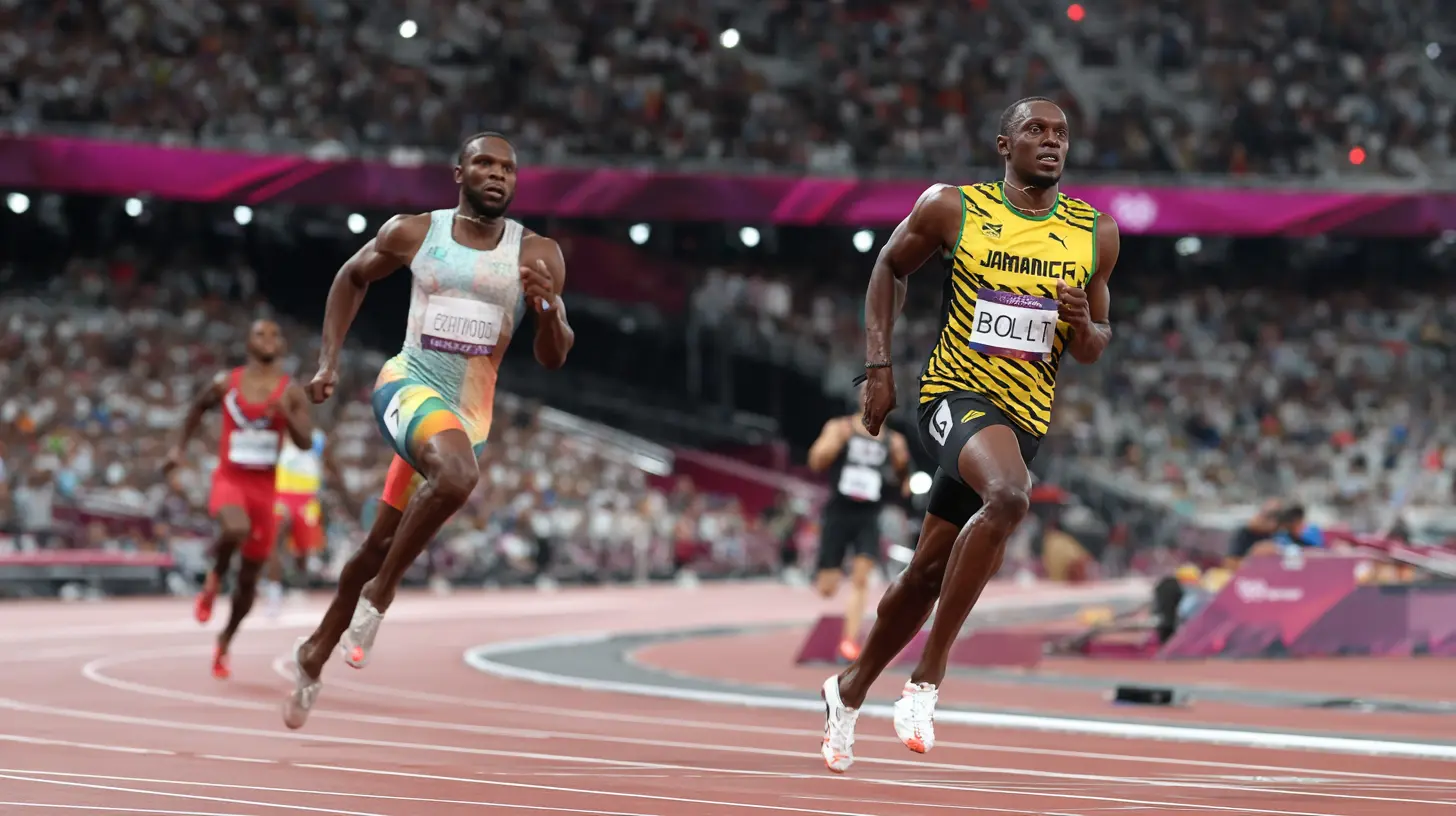
Then came the 60-meter mark. This is where sprinters either find their rhythm or hit a wall. And let me tell you, the Kenyan found his. After that stumble, he didn’t panic. He stayed low, pumped his arms like pistons, and started closing the gap. I saw a guy in the row in front of me literally stand up and point. “Look at him! He’s coming!” he shouted.But the real drama was up front. The American and the Jamaican were still neck-and-neck, but something was shifting. The American’s form started to break—his head was tilting back, his arms were flailing slightly. That’s a classic sign of fatigue. The Jamaican, on the other hand, looked smooth as butter. His stride was longer, his breathing controlled. It was like he was running on autopilot.
I remember thinking, Is this it? Is the American going to fade? And right then, a collective gasp went through the crowd. The Kenyan had pulled into third place, and he was gaining fast. His legs were a blur, and his face was a mask of pure determination. It was the kind of moment that makes you forget to breathe.
The Final 20 Meters: A Heart Attack in Slow Motion
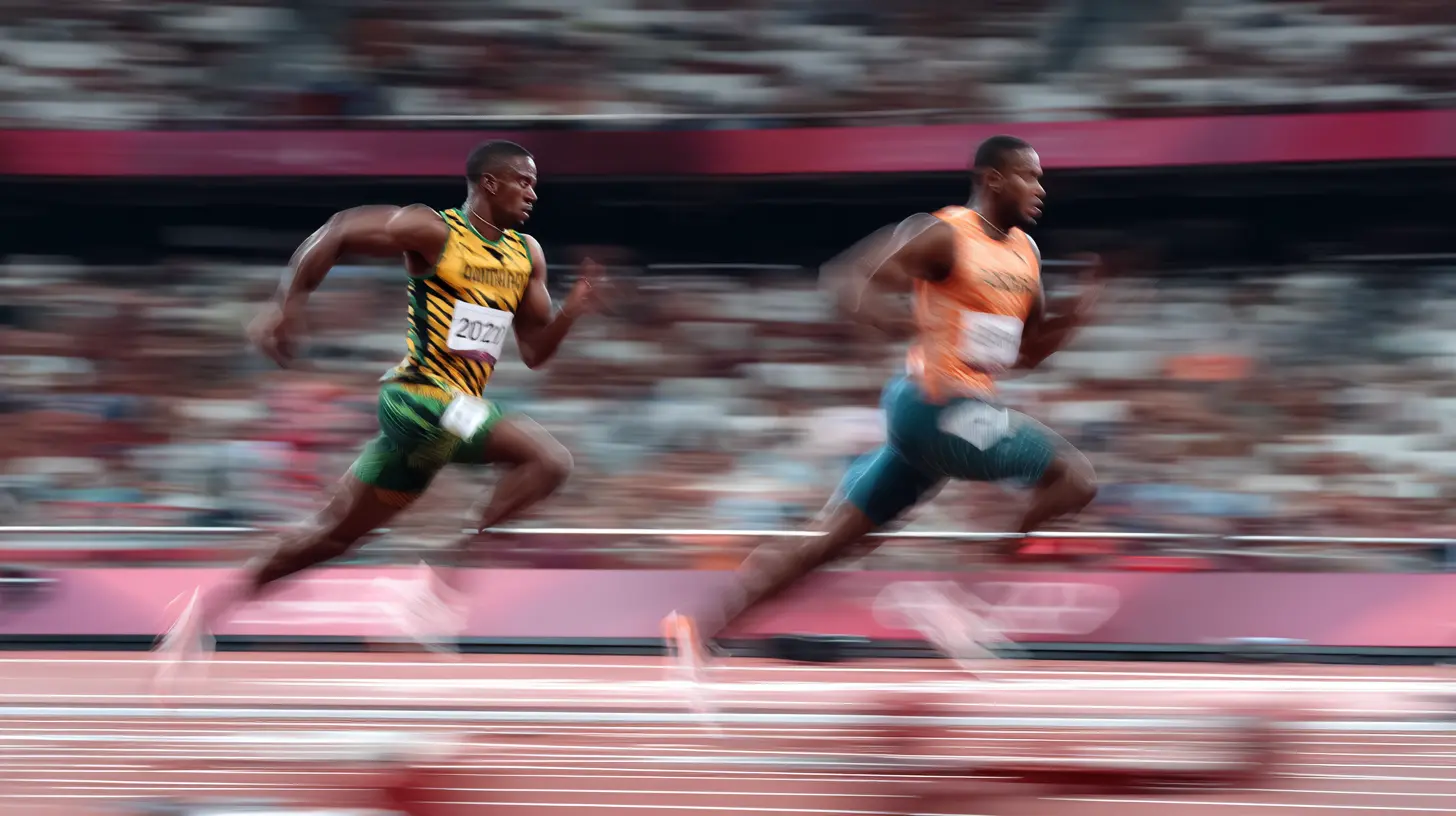
If the first 80 meters were a chess match, the last 20 were a bar fight. The American dug deep—I mean, deep. His coach later said he’d been training for this exact moment, running drills until his lungs screamed. And it showed. He leaned forward, his chest hitting the tape just ahead of the Jamaican’s.But wait. The Kenyan? He wasn’t done. With 10 meters to go, he was still accelerating. His stride opened up, and he dipped his head low, lunging for the line. For a split second, I thought he might actually pull it off. The crowd was in chaos—half cheering, half screaming in disbelief. A kid next to me dropped his popcorn and just stared, mouth open.
The finish line photo was needed. The stadium fell silent again, but this time it was a nervous silence. Everyone was staring at the big screen, waiting for the official time. The clock stopped at 9.79 seconds. But who won? The tension was unbearable. It felt like the world was holding its breath for an eternity.
The Photo Finish: When 0.001 Seconds Changes Everything
Finally, the result flashed on the screen: the American, by 0.001 seconds. That’s right—one-thousandth of a second. To put that in perspective, that’s less time than it takes a hummingbird to flap its wings once. The American collapsed to his knees, hands covering his face. The Jamaican shook his head, then walked over and hugged him. Class act. The Kenyan? He just stood there, hands on his hips, staring at the scoreboard. He’d come from nowhere to take bronze, but you could see the hunger in his eyes. He’d be back.The reactions in the stadium were a symphony of emotion. Grown men were crying. Strangers were hugging. A group of college kids started chanting “U-S-A! U-S-A!” until their voices went hoarse. But here’s what got me: the Jamaican fans. They didn’t boo or throw things. They clapped. They cheered for the winner. One guy in a Jamaican jersey turned to me and said, “He ran his heart out. That’s all you can ask for.” That’s the spirit of the Olympics, right there.
The Aftermath: What Happens When the Cameras Stop Rolling
Once the medal ceremony was over, the real magic happened. The three sprinters were walking off the track together, and I managed to get close enough to hear them talking. The American was still shaking. “I can’t believe it,” he kept saying. “I can’t believe it.” The Jamaican put a hand on his shoulder. “You earned it, man. Enjoy it tonight. Tomorrow, we go again.”And that’s the thing about sprinters—they’re rivals on the track, but off it, they’re a brotherhood. They know the pain, the sacrifice, the lonely mornings when no one’s watching. The Kenyan, who barely speaks English, just nodded and smiled. His translator later told reporters he said, “I will learn from this. Next time, I will be faster.”
The crowd slowly filed out, but the energy lingered. People were replaying the race on their phones, analyzing every step. A couple of guys behind me were arguing about whether the American’s lean was illegal. (Spoiler: it wasn’t. The rules allow any forward lean as long as you’re not “falling.”) It was like being at a sports bar, but with 80,000 people and a million-dollar view.
The Social Media Explosion: Real-Time Reactions Go Digital
Of course, the real-time reactions weren’t just in the stadium. Within seconds of the finish, Twitter (or X, whatever you call it now) went nuclear. The hashtag #SprintShowdown2027 trended worldwide. Memes flooded in: one showed the American’s lean as a “Matrix” bullet-dodge. Another compared the Kenyan’s recovery to a video game power-up. But there were also heartfelt posts—parents tagging their kids, saying, “This is what hard work looks like.”I scrolled through my phone while waiting for the metro. A video of the Jamaican’s mother crying in the stands had already racked up 2 million views. A clip of the American’s post-race interview—where he broke down and thanked his late grandfather—went viral in minutes. The internet is weird sometimes, but in moments like this, it’s also beautiful. It connects us all in a shared experience.
The Bigger Picture: Why This Race Matters
Look, I know it’s easy to get caught up in the drama—the times, the records, the rivalries. But let’s step back for a second. This race was more than just 9.79 seconds. It was a testament to human resilience. The American came back from an injury that could have ended his career. The Jamaican proved that even when you’re the favorite, you can still lose with grace. The Kenyan showed that age is just a number when you have heart.And for the fans? It was a reminder that sports are a mirror for life. Sometimes you win by a hair. Sometimes you lose by a hair. But you always get back up. You always try again.
As I walked out of the stadium that night, I saw a little boy holding a sign that said, “I want to be fast like them.” His dad was carrying him on his shoulders, smiling ear to ear. That’s the legacy of this race. Not the medals or the records, but the inspiration. The idea that ordinary people can do extraordinary things.
What’s Next? The Future of Sprinting
So, where do we go from here? The 2027 showdown has set the bar impossibly high. Some experts are already talking about a sub-9.7-second time in the next Olympics. The Kenyan teenager is training with a new coach in the US. The Jamaican is taking a month off to reset. And the American? He’s already talking about defending his title in 2028.But here’s my take: don’t sleep on the women’s sprint finals next week. If this race was any indication, we’re in for a treat. The women’s 100-meter field is stacked with talent—a British sprinter who broke the national record, a Nigerian powerhouse who’s been unstoppable this season, and a defending champion from the US who’s looking faster than ever. If you thought this race was intense, wait until you see what they bring.
Final Thoughts: The Beauty of the Moment
I’ve been covering sports for over a decade, and I can honestly say this was one of the most electrifying events I’ve ever witnessed. But it wasn’t just the race itself—it was the real-time reactions. The gasps, the cheers, the tears. The way strangers became friends for a few seconds. The way a single moment can unite the world.If you missed it live, I’m sorry. But trust me, the replays don’t do it justice. You had to be there to feel the ground shake, to hear the roar, to see the pure, unfiltered emotion. That’s the magic of sports. That’s the Olympic spirit.
So here’s to the sprinters, the dreamers, and the believers. Here’s to the 9.79 seconds that reminded us why we love this crazy, beautiful, unpredictable thing called competition. And here’s to 2028—because if this year was any indication, the best is yet to come.
all images in this post were generated using AI tools
Category:
Live CommentaryAuthor:
Preston Wilkins
Discussion
rate this article
2 comments
Kingston McVicar
What an incredible sprint showdown! The energy was electric, and the athletes gave it their all. Can't wait to see who takes gold next!
August 27, 2026 at 2:25 AM
Preston Wilkins
Absolutely! The intensity was unmatched, and it truly showcased the athletes' determination. Exciting times ahead for the finals!
Brooke McCracken
What a thrilling experience! The energy was palpable as athletes pushed their limits. It's inspiring to witness such dedication and heart on display. Each runner showed us the true spirit of the Olympics. Bravo to all!
May 2, 2026 at 2:49 AM
Preston Wilkins
Absolutely! The energy truly was incredible, and the athletes' determination was on full display. It's moments like these that capture the spirit of the Olympics. Bravo indeed!