How NIL Deals Are Changing Pro Endorsements by 2027
23 October 2026
The line between college athlete and professional pitchman has been blurring since July 2021, when the NCAA adopted its interim name, image, and likeness policy. What started as a patchwork of state laws and cautious compliance memos has matured into a genuine market. By 2027, the downstream effects on professional endorsements will be impossible to ignore. This is not a prediction about a single regulation or a handful of star quarterbacks. It is a structural shift in how brands buy attention, how athletes build careers, and how agencies negotiate leverage.
The honest version is this: NIL did not just create a new revenue stream for college kids. It built a parallel endorsement economy that now feeds directly into the pros, compresses the timeline for brand building, and forces professional teams, agents, and sponsors to rethink assumptions that held for decades. Some of those changes are healthy. Some are messy. A few are genuinely risky for the people involved. Understanding which is which matters whether you are an athlete, an agent, a brand marketer, or a fan trying to make sense of the money flying around.

The Core Mechanism: Why NIL Bleeds Into Professional Sports
To understand the 2027 landscape, you have to understand the mechanism. NIL compensation lets college athletes monetize their fame before they turn pro. That sounds simple, but it changes three things at once.First, it changes the athlete's balance sheet. A college athlete who earns meaningful NIL income arrives at the professional draft with savings, a business entity, and often a tax history. That financial cushion alters negotiating posture. A rookie who does not need the first paycheck can walk away from a bad deal.
Second, it changes the athlete's brand portfolio. A college athlete who has signed with a national brand, built a social following, and learned how to deliver a campaign arrives in the pros as a known commercial quantity. Professional sponsors no longer have to guess whether an athlete can handle a shoot, a media day, or a crisis. There is a track record.
Third, it changes the agency ecosystem. NIL created a new class of representatives, collectives, and marketing agencies that specialize in college athletes. Many of those firms now follow their clients into the professional ranks. That continuity gives athletes more sophisticated representation earlier, and it gives agencies a reason to invest in long-term brand development rather than one-off deals.
The result is a professional endorsement market that is more competitive, more data-driven, and more crowded. Brands that once waited until a player signed a professional contract now scout talent in college. Agents who once focused on contract negotiations now manage a portfolio of brand relationships from the athlete's sophomore year. And professional teams, which historically controlled much of an athlete's commercial exposure through team sponsorships, find themselves negotiating with athletes who already have independent deals.

From Collective Money to Corporate Money: A Shift in Who Pays
The early NIL era was dominated by collectives, booster-funded entities that paid athletes, often with a thin marketing justification. That model drew scrutiny, and by the mid-2020s the environment had shifted toward more legitimate corporate partnerships. The trend line matters for 2027.As collectives face tighter rules and, in some jurisdictions, legal challenges, the money is migrating toward brands that want genuine marketing value. That is a positive development for the professional endorsement market because it produces athletes who are accustomed to performance-based relationships. A college athlete who has delivered measurable results for a national brand learns how to justify a renewal. That skill translates directly to the pros.
The trade-off is real, though. Collective money was often easy money, disconnected from marketing performance. Corporate money is harder to earn and harder to keep. Athletes who built their NIL income on collective relationships may find the transition to professional endorsements more demanding than expected. The ones who built genuine brand partnerships will have an advantage.
For brands, the lesson is to treat college NIL as a farm system for endorsement talent. A brand that signs a college athlete to a modest, measurable deal and develops that relationship can often renew into the professional years at a reasonable cost. Waiting until the athlete is a professional means competing with everyone else and paying a premium.
The Timeline Compression: Brands Now Buy Before the Draft
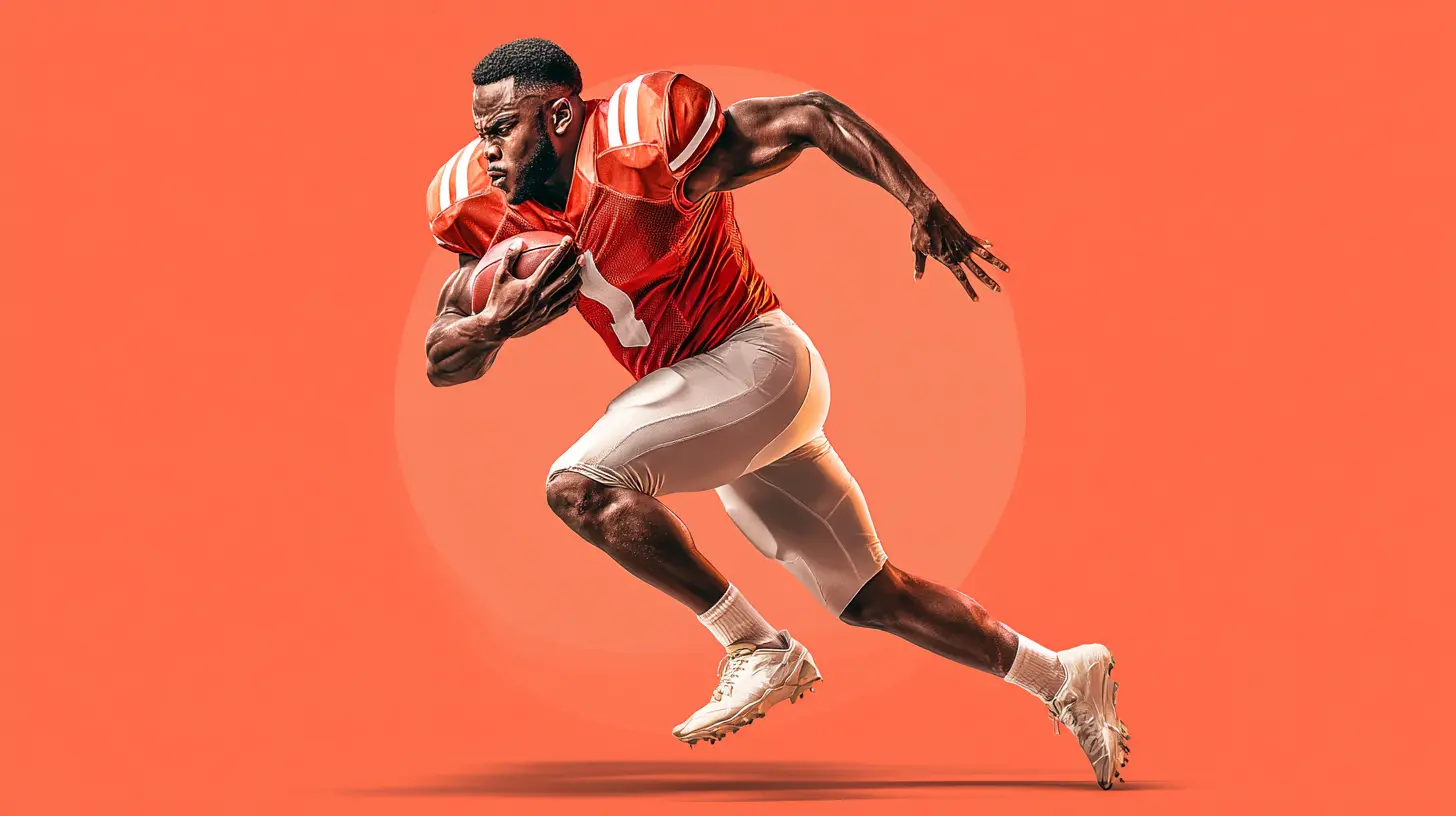
Historically, professional endorsements followed professional performance. A rookie proved himself, then brands came calling. By 2027, that sequence is reversing in many sports.Brands now identify commercial talent during college and sign deals that extend into the professional years. This is especially common in sports with a clear draft pipeline, such as football and basketball, but it is spreading to baseball, hockey, soccer, and individual sports. The logic is straightforward. It is cheaper to sign an athlete before the professional hype cycle. It is also easier to build an authentic story around an athlete's rise.
The risk is equally straightforward. A college athlete who signs a long-term brand deal before the draft may underperform, suffer an injury, or fail to make a professional roster. Brands that bet early need contractual protections, such as performance clauses, morality clauses, and termination rights. Athletes who sign early need to understand what they are giving up, particularly exclusivity in a product category.
The practical advice for athletes is to avoid long exclusivity terms before the professional market is clear. A two-year deal with a category option is usually safer than a five-year exclusive. For brands, the advice is to build in clear performance triggers rather than betting on a single outcome. Early signing works best when both sides treat it as a staged relationship, not a marriage.
The Rise of the Athlete as Media Company
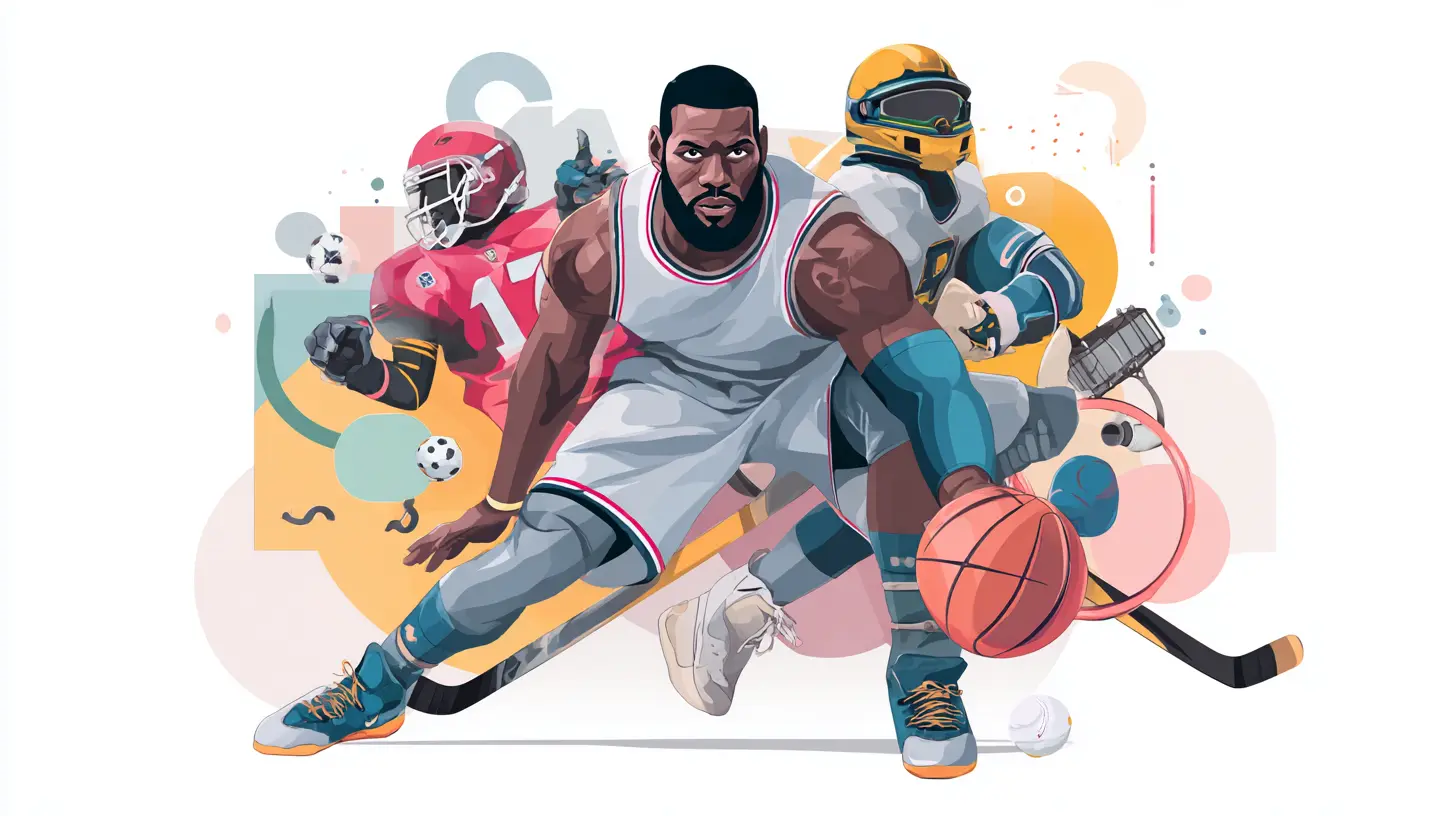
One of the most consequential changes is the way NIL has taught a generation of athletes to think like media companies. College athletes now routinely build content businesses, podcast audiences, and direct-to-consumer product lines. That mindset carries into the professional ranks.By 2027, professional endorsements increasingly look like partnerships between a brand and an athlete's own media platform. Rather than simply appearing in a commercial, an athlete may integrate a brand into a podcast, a YouTube channel, or a subscription community. This is more work for the athlete, but it often pays better and gives more control.
The advantage is leverage. An athlete with an owned audience can negotiate better terms because the brand is buying access to a specific, engaged community, not just a face. The disadvantage is complexity. Running a media business while playing a professional sport is demanding, and many athletes underestimate the operational load. The best outcomes come when athletes build a team, usually a manager, a content producer, and a business manager, rather than trying to do everything themselves.
For brands, the trade-off is control versus authenticity. A traditional commercial gives the brand full creative control. An integrated partnership with an athlete's platform gives the brand authenticity and reach but less control over messaging. The right choice depends on the campaign. Brand awareness campaigns often benefit from the athlete's platform. Regulated categories, such as financial services or alcohol, usually need tighter control and should lean toward traditional structures.
Collective Bargaining, Salary Caps, and the Endorsement Loophole
Professional leagues operate under collective bargaining agreements that often cap salaries and regulate marketing. Endorsements have long been a pressure valve, letting star athletes earn beyond the cap. NIL intensifies this dynamic because athletes now arrive in the professional ranks with established endorsement income.By 2027, expect more tension between league marketing rules and athlete commercial freedom. Leagues want to protect team sponsors and control the visual environment of the game. Athletes and their representatives want to maximize independent income. The resolution is likely to be more nuanced rules rather than a single sweeping change.
The practical implication for athletes is to read the fine print on team and league marketing restrictions before signing anything. Some leagues restrict athlete endorsements during team events. Some restrict category exclusivity that conflicts with league sponsors. Some require approval for on-field or in-uniform branding. These rules vary widely, and they change. An endorsement deal that works in one league may be restricted in another.
For brands, the implication is to understand the league environment before committing. A deal that looks straightforward may run into restrictions on activation, particularly around game days or team facilities. The best practice is to have counsel review the relevant league and team rules before finalizing creative plans.
The Agent and Agency Landscape: Consolidation and Specialization
NIL accelerated the growth of sports marketing agencies and created new specialties. By 2027, the agency landscape for professional endorsements looks different in two ways.On one side, consolidation is real. Larger agencies have acquired boutique NIL firms to capture the pipeline of young talent. This gives athletes access to more resources but can also mean less personalized attention. On the other side, specialization is thriving. Smaller firms that focus on a specific sport, a specific category, or a specific type of athlete continue to win business because they understand niche markets better than generalists.
The practical advice for athletes is to choose representation based on the specific needs of their career stage. A young athlete entering the professional ranks may benefit from an agency with strong brand development capabilities. A veteran may benefit from a boutique firm with deep category expertise. The mistake is assuming that bigger is always better. Fit matters more than size.
For brands, the agency landscape matters because it determines who they negotiate with. Working with an agency that represents many athletes in a category can create conflicts of interest. Brands should ask directly about representation conflicts and should be comfortable with the answer.
Common Mistakes and Misconceptions
Several misconceptions persist about NIL and professional endorsements. Addressing them directly is useful.The first misconception is that NIL money is easy money. It is not. Building a brand relationship requires real work, including content production, appearances, and measurable performance. Athletes who treat NIL as a passive income stream often find that deals do not renew.
The second misconception is that professional endorsements are automatically larger than college NIL deals. Sometimes they are, but not always. A college athlete with a strong regional following may earn more from local and regional brands than a professional athlete in a crowded market. The size of the deal depends on the audience, not the level of play.
The third misconception is that brands only care about star players. In reality, many brands prefer mid-tier athletes with engaged audiences and lower costs. The economics of endorsement marketing favor athletes who can deliver a specific audience at a reasonable price.
The fourth misconception is that NIL rules are stable. They are not. State laws, NCAA rules, and court decisions continue to evolve. Anyone building a career or a campaign around NIL should expect change and build flexibility into contracts.
The fifth misconception is that endorsement income is separate from contract negotiations. In reality, the two interact. A professional athlete with strong endorsement income may have more leverage in contract talks because the team knows the athlete is not solely dependent on the salary. Conversely, a team may consider endorsement obligations when structuring schedules and appearances.
Practical Guidance for Athletes
Athletes navigating this landscape should focus on a few durable principles.Build a business entity early. Separate personal and business finances, and keep clean records. This makes tax compliance easier and makes the athlete more attractive to brands that require professional documentation.
Treat every deal as a relationship, not a transaction. Brands renew athletes who deliver. Deliver on time, communicate clearly, and treat the brand's team with respect.
Avoid overexposure. Signing too many deals in the same category dilutes value and creates conflicts. A focused portfolio of three to five strong partnerships usually beats a scattered list of ten.
Understand exclusivity. Exclusivity is valuable, but it should be priced accordingly. Do not grant category exclusivity without compensation that reflects the lost opportunities.
Plan for the transition. The move from college to professional sports is a commercial transition as well as an athletic one. Have a plan for which deals continue, which end, and which need renegotiation.
Practical Guidance for Brands
Brands should treat NIL and professional endorsements as a single pipeline rather than separate programs.Scout early but structure carefully. Early deals should have performance triggers and clear termination rights.
Measure what matters. Vanity metrics such as follower counts are weak proxies for commercial value. Look at engagement, conversion, and audience fit.
Respect the athlete's platform. Athletes with owned audiences can be powerful partners, but they need creative latitude. Overly controlling briefs often produce weak content.
Build for the long term. The best endorsement relationships span multiple years and multiple career stages. A brand that supports an athlete through the college-to-professional transition often earns loyalty and better pricing.
What to Expect by 2027
By 2027, several trends are likely to be visible. More professional athletes will arrive with established brand portfolios. More brands will sign athletes before the draft. More endorsement deals will be structured as content partnerships rather than traditional commercials. More agencies will specialize in the college-to-professional pipeline. And more regulation, from leagues and from lawmakers, will shape what is allowed.None of this is guaranteed. The NIL landscape is fluid, and court decisions or rule changes could alter the trajectory. But the direction is clear. The wall between college and professional endorsements is thinner than it has ever been, and the people who understand that will be better positioned than those who do not.
The honest summary is that NIL did not just change college sports. It changed the endorsement business itself. By 2027, the professionals who thrive will be the ones who treat the college years as the beginning of a commercial career, not a waiting period before one.
all images in this post were generated using AI tools
Category:
Athlete EndorsementsAuthor:
Preston Wilkins