Why 2026 Could Be a Turning Point for NASCAR
11 October 2026
NASCAR has spent the better part of two decades trying to figure out what it wants to be when it grows up. It has tinkered with playoff formats, aerodynamic packages, scheduling philosophy, and even the fundamental sound of its race cars. Some of those experiments worked. Some landed with the grace of a lawn dart. But if you look closely at the moving parts converging on the 2026 season, there is a legitimate case that this is the year the sport stops reacting to its problems and starts getting ahead of them.
That is not the same thing as saying everything will be fine. It is not a prediction that ratings will spike, that a new superstar will emerge from a cornfield in Iowa, or that your uncle will finally stop complaining about the Gen 7 car. It is an argument that 2026 sits at a rare intersection of competitive, commercial, and regulatory forces that could genuinely reshape the next decade of stock car racing, for better or worse.
Let's break down why, and where the whole thing could still go sideways.
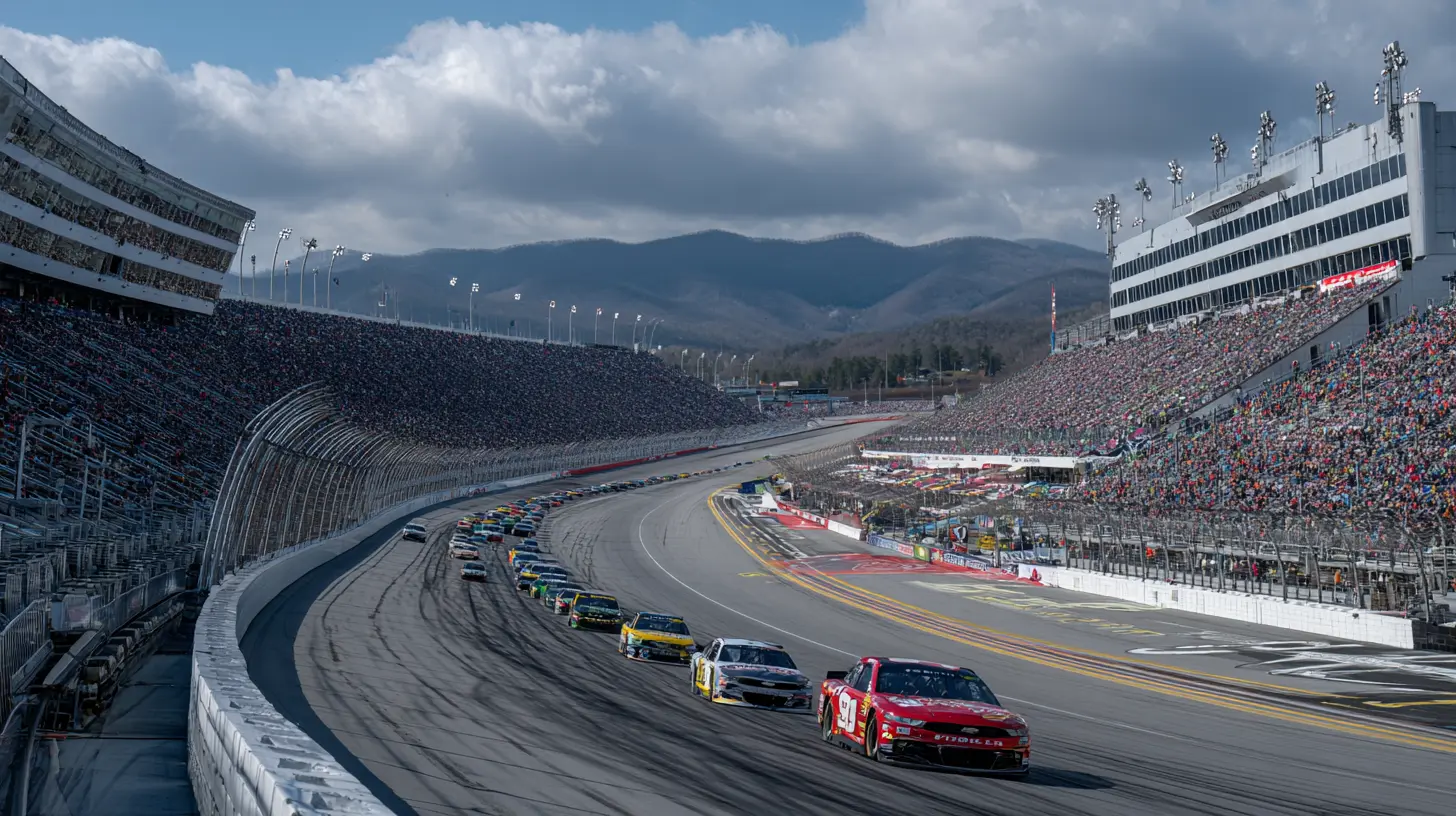
The Convergence Problem: Why Timing Matters More Than Any Single Change
Most NASCAR "turning point" narratives focus on one thing. A new car. A new TV deal. A new track. That is a mistake, because single changes rarely move a sport. What moves a sport is several significant changes landing in the same window and interacting with each other.Think of it like a pit stop. A fast stop is not one guy doing something brilliant. It is five people doing their jobs in a sequence where the timing of each action affects the next. If the tire changer is fast but the jack man is late, you lose the stop. NASCAR in 2026 is essentially trying to execute a coordinated stop after years of individual crew members running in different directions.
Here is what is converging.
The Television Rights Reset
NASCAR's new media rights agreements, which take effect in 2025 and carry into 2026, spread the sport across more broadcast partners than at any point in recent memory. That fragmentation is a double-edged sword. On one hand, more partners means more promotional muscle and more windows for races. On the other hand, it means fans need a roadmap to find the product, and casual viewers are notoriously allergic to roadmaps.The 2026 season is the first full year where the new arrangement will have had time to settle. That matters because the first year of any media transition is chaos. Schedules get shuffled. Announcer teams get sorted out. Streaming platforms learn what a restart looks like in real time. By 2026, the rough edges should be sanded down, which means we will finally see whether the new structure actually grows the audience or just redistributes it.
The Cost Calculus for Teams
The Gen 7 car was supposed to save teams money. In some ways it did, particularly on parts and pieces. In other ways, it created new expenses around simulation, engineering talent, and the sheer complexity of setups. Several organizations have been candid that the business model is still uncomfortable, especially for the mid-tier teams that form the sport's competitive middle class.By 2026, teams will have had multiple seasons of real data on what the car actually costs to run over a full year, not just what the spreadsheet said it would. That is when you find out whether the current charter system and revenue distribution are sustainable, or whether another round of consolidation is coming. If two or three more mid-tier teams fold or merge, the field shrinks, and a shrinking field changes the entire competitive dynamic.
The Schedule Reaches Its Experimental Phase
NASCAR has been aggressively rotating venues, adding road courses, dirt, and short tracks while trimming some traditional dates. The 2026 schedule will represent the most mature version of that philosophy, simply because the sport has now had years to see what works and what does not.Some experiments have been home runs. Others have been the racing equivalent of a Hail Mary that landed in the third row. The point is that by 2026, NASCAR should have enough data to stop guessing and start curating. A curated schedule, built on evidence rather than novelty, is a much stronger foundation than a schedule built on "wouldn't it be cool if."
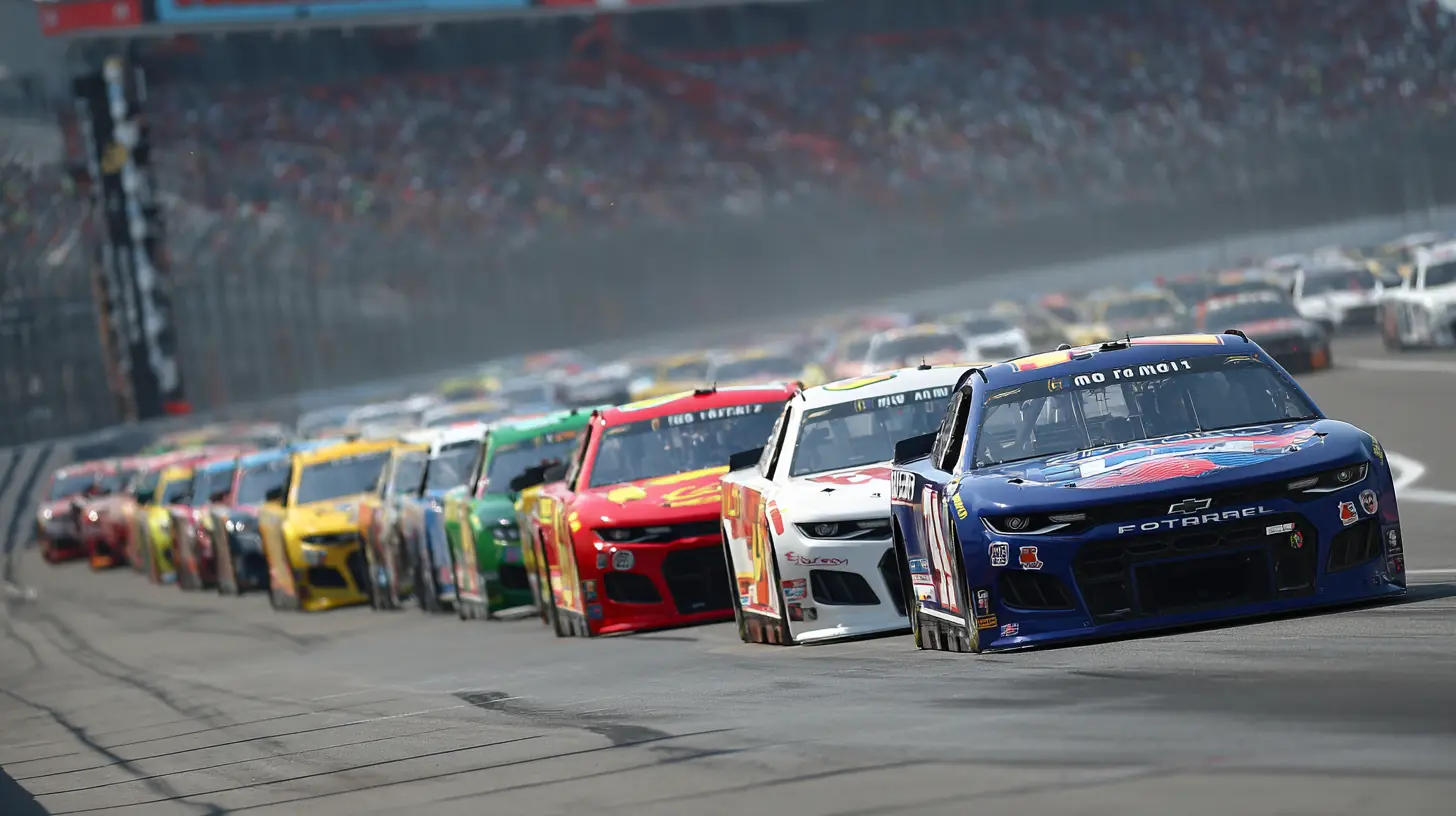
The Competitive Product: Where the Real Turning Point Lives
Here is the uncomfortable truth that NASCAR executives rarely say out loud: none of the business stuff matters if the racing is bad. You can have the greatest media deal in sports history and a schedule full of bucket-list tracks, and it will all be noise if the on-track product puts people to sleep.So let's talk about the racing.
Why the Next Gen Car Might Finally Be Dialed In
The Gen 7 car, now branded as the Next Gen car, debuted with a mix of praise and frustration. The praise centered on parity and the quality of the racing at certain tracks. The frustration centered on everything else: fragile parts, weird failures, a car that seemed to behave differently every weekend, and a short-track package that turned fenders into bumper cars.The reason 2026 could be different is not that the car will magically transform. It is that the collective knowledge base has grown. Crew chiefs have more notes. Engineers have more simulation correlation. Drivers have more feel for what the car wants. Tire manufacturers have more data on how compounds behave across different track surfaces and temperatures.
This is how racing works. A new platform is always worst in year one and best in year five. The question is whether the improvements compound fast enough to outpace fan patience. By 2026, we will have a clear answer.
The Short Track Question
Short track racing is NASCAR's heritage. It is also its most persistent modern headache. The Next Gen car struggled at short tracks in ways that surprised everyone, producing races where passing was difficult and track position became king.NASCAR has thrown multiple solutions at the problem, from aerodynamic tweaks to tire compound changes to the controversial option tire concept. Some of these have helped. None has fully solved it. The 2026 season is significant because it will likely be the year we know whether the short track problem is fixable with the current car or whether it requires a more fundamental rethink.
If it is fixable, NASCAR gets its soul back. If it is not, the sport has a strategic decision to make about how much of its schedule should be built around a discipline it cannot consistently make exciting.
Parity Versus Personality
The Next Gen car has produced remarkable parity. More winners, more first-time winners, more teams capable of contending. That sounds great, and in many ways it is. But parity has a hidden cost: it can flatten narratives.Dynasties are annoying when you are not a fan of the dynasty. They are also incredibly useful for building a sport. The Lakers and Celtics, the Cowboys and Steelers, the Yankees and everyone else. Sports fans love to hate greatness, and that emotional investment drives engagement in ways that a different winner every week simply does not.
By 2026, NASCAR will have had enough seasons of parity to evaluate whether it has produced the next generation of household names or just a rotating cast of guys who win a race and disappear from the spotlight. This is the single most important competitive question facing the sport, and it has nothing to do with aerodynamics.
The Business Side: Money, Charters, and the Uncomfortable Middle
Let's get into the part that makes team owners reach for antacids.Charter System Economics
The charter system was designed to give teams something they never had: a tangible asset. A charter is essentially a franchise, and franchises have value. That value depends entirely on the health of the league.The problem is that the revenue split between NASCAR, the tracks, and the teams has been a source of friction for years. Teams argue they carry the competitive burden and deserve a larger share. NASCAR argues it carries the promotional and operational burden and deserves to be compensated accordingly.
By 2026, the current charter agreement will be several years old, and the results will be visible. Are team valuations rising? Are sponsors signing longer deals? Are mid-tier teams able to compete without operating at a loss? If the answers are yes, the system is working. If the answers are no, expect another round of tense negotiations and possibly some high-profile exits.
Sponsorship in a Post-Traditional World
Sponsorship used to be simple. A company wrote a check, its logo went on the hood, and everyone was happy. That model is not dead, but it is increasingly insufficient.Modern sponsors want activation, content, measurable engagement, and a story that ties their brand to the driver and team in a way that resonates on social media. NASCAR teams that have adapted to this reality are thriving. Teams that are still selling hood space like it is 2004 are struggling.
The 2026 season will be a clear dividing line between teams that built modern sponsorship operations and teams that did not. This is not a racing problem. It is a business competency problem, and it will determine which organizations survive the next decade.
What Could Go Wrong
Optimism is fine, but it is useless without a clear-eyed look at the risks. Here are the things that could turn 2026 from a turning point into just another year.Overcorrection
NASCAR has a history of reacting to problems with sweeping changes. When the racing is bad, the temptation is to change the rules package, the playoff format, and the points system all at once. That creates confusion for fans and teams alike.The best thing NASCAR could do in 2026 is resist the urge to fix everything. Pick the two or three most important issues and address them thoughtfully. A stable rulebook is more valuable than a perfect one, because stability allows teams to optimize and fans to understand what they are watching.
Fan Fatigue
There is a real risk that the fragmentation of media rights, the constant schedule changes, and the endless tinkering with formats has exhausted the core fan base. Loyalty is not infinite. At some point, fans stop adapting and start leaving.The 2026 season will be a referendum on whether the sport has asked too much of its audience. If viewership and attendance stabilize or grow, the experimentation was worth it. If they decline, NASCAR needs to think hard about whether it has been solving problems or creating them.
The Talent Pipeline
NASCAR's future depends on a steady flow of compelling drivers. The current pipeline, from late models to ARCA to Trucks to Xfinity to Cup, is functional but expensive. Rising costs at every level mean that talented drivers without financial backing struggle to advance.If 2026 arrives and the Cup Series field is increasingly composed of drivers who bought their way in rather than earned their way up, the sport will have a credibility problem. Fans can forgive a lot. They do not forgive the perception that the game is rigged.
Practical Takeaways for Fans, Teams, and Investors
If you are reading this because you care about the sport, here is what to actually pay attention to in 2026.For fans, watch the short track races closely. They are the clearest signal of whether the on-track product is improving. Also pay attention to which drivers are becoming recognizable beyond the hardcore audience. If new names are breaking through into mainstream awareness, the sport is healthy.
For teams, the priority is not the racing package. It is the business operation. Build a sponsorship model that delivers measurable value. Invest in content. Treat your driver as a brand partner, not just a wheelman. The teams that do this will be fine regardless of what the rules package looks like.
For anyone evaluating the sport as a business, watch charter values. They are the single best indicator of whether the underlying economics are improving. Rising charter values mean confidence. Flat or declining values mean trouble, no matter what the press releases say.
The Bottom Line
NASCAR in 2026 will not be saved by any single change. It will be shaped by whether a bunch of changes that have been happening simultaneously finally start pulling in the same direction. The media deal, the car, the schedule, the charter system, the sponsorship landscape. All of it matters, and all of it is in motion.The reason 2026 is a genuine turning point is not that something dramatic will happen that year. It is that the sport will finally have enough evidence to know whether its recent bets are paying off. That is a different kind of turning point than fans usually hope for. It is quieter. It is more analytical. And it is probably more important.
If the evidence is good, NASCAR has a foundation to build on for the next decade. If it is bad, the sport will have to make harder choices than it has been willing to make so far. Either way, 2026 is when the bill comes due.
all images in this post were generated using AI tools
Category:
Season ExpectationsAuthor:

Preston Wilkins