How New Pitching Rules Are Changing the Baseball Diamond
25 July 2026
Baseball is no stranger to change. From the dead-ball era to the live-ball surge, and the steroid controversy to high-speed analytics, evolution is part of the game’s DNA. But in recent seasons, a new set of changes have been making serious waves: pitching rules. That’s right—Major League Baseball (MLB) isn’t just tinkering anymore. They're overhauling.
So, grab your glove and tighten your cap. We’re diving into how new pitching rules are transforming the way baseball is played, watched, and even managed. Whether you're a curious fan or a hardcore stat junkie, what’s happening on the mound is shaking things up in ways we haven’t seen in decades.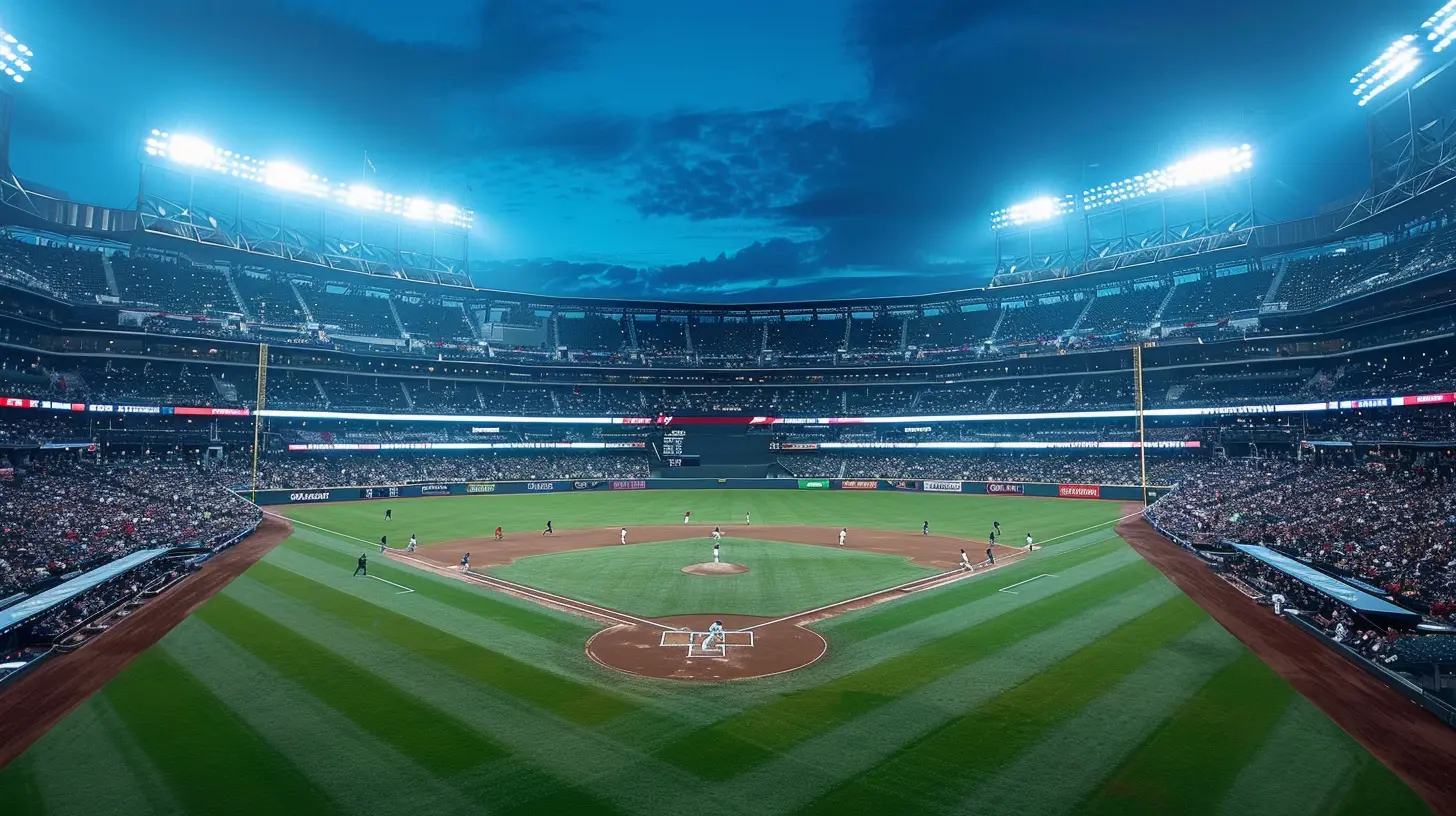
A Quick Look at the Rulebook Changes
Before we get too far into the details, let's break down some of the biggest rule changes related to pitching:- Pitch Clock: Pitchers now have 15 seconds to deliver the ball with bases empty, and 20 seconds with runners on base.
- Batter Clock: Batters must be ready in the box with at least 8 seconds left on the pitch clock.
- Disengagement Limits: Pitchers are now limited to two "disengagements" (step-offs or pickoff attempts) per plate appearance.
- Shift Restrictions: Though not a pitching rule per se, shift limitations force pitchers to rethink approach due to fewer defenders stacked on one side.
Pretty big, right? These aren’t just tweaks. They’re reshaping the rhythm and strategy of the entire game.
Why MLB Is Making These Changes
Let’s get something straight: this isn’t change for the sake of change. The league has been battling a few real problems—games dragging on for over 3+ hours, fewer balls in play, and declining fan engagement.Think about it: in 2022, the average game time was over three hours, with long stretches of... not much happening. Viewers were getting bored, attendance was dipping, and younger fans were tuning out.
So MLB got proactive. These pitching rule changes aim to:
- Speed up the game
- Create more action
- Emphasize athleticism
- Re-engage fans
And it’s working. Games have sped up by over 25 minutes in some early reports, with stolen bases and runs on the rise. But let’s not stop at the surface—how exactly are these rules flipping the diamond script?
The Pitch Clock: Timing Is Everything
Let’s talk about the pitch clock. It might be the most visible—and the most controversial—change of them all.The Good: Fast Pace, Better Flow
If you’ve ever sat through a four-hour game, you know how brutal the downtime can get. With the pitch clock, pitchers can’t dawdle on the mound anymore. The result? A faster pace that keeps fans engaged and the action rolling.Games now cruise at a steady pace. Pitchers are in rhythm, hitters are more alert, and fans don’t have time to check their phones between pitches. It’s a win-win for everyone.
The Bad: Pressure Cooker Mentality
But there’s a flip side. Pitchers who used to rely on long pre-pitch routines—or who like to slow the game down—are struggling. The mound is becoming a pressure cooker. Imagine trying to throw 97 mph while the clock's ticking down like a shot clock in basketball.It’s affecting performance, especially in tight spots. Some pitchers have admitted to rushing pitches or losing focus because of the clock. Mental mistakes are creeping in.
The Ugly: Game-Ending Violations?
Yep, we’ve seen it. A pitch clock violation has ended an inning, and in spring training, even a game. Imagine Game 7 of the World Series ending not with a walk-off hit—but a timer beep. It hasn’t happened yet, but it could. That’s the dark cloud hanging over this bright new horizon.
Pickoff Rules: Base Runners Now Have the Green Light
The limit on pickoff throws is sneakily one of the biggest game-changers. Pitchers now get just two disengagements per at-bat. That’s it.Base Stealers Rejoice
This rule favors the speedsters. After that second pickoff attempt? Runners are licking their chops. They know the pitcher can't try again without risking a balk. That means bigger leads, more aggressive leads, and way more stolen base attempts.Stolen bases are up significantly already—and not just for the fastest guys. Even mid-tier runners are giving it a go. That alone brings a throwback element into the modern game. Think 1980s-style small ball but on steroids (not literally this time).
Pitchers Are Sweating
Pitchers have to rethink how they manage the run game. They’re adapting, but let’s be real—many feel handcuffed. The pickoff game was an artform. Now? It’s a time-limited sideshow.Expect more strategy from managers. We’re talking about pitchouts, signs from the dugout, and catchers with absolute cannons. The chess match is evolving.
Shift Ban: Hello, Traditional Defense
Technically not a pitching rule, but let’s not kid ourselves: it directly affects how pitchers work hitters.The Rule
Two infielders must be on each side of second base. They must also have their feet on the dirt.The Impact
Remember watching left-handed sluggers rope line drives into shallow right field... only to see them gobbled up by a guy standing in the outfield grass? That’s gone.Pitchers now have to pitch more traditionally. Can't rely on the shift bailing them out. That means location, movement, and sequencing matter even more.
Pitching to contact might make a comeback, and pitch-to-soft-contact guys now have a real shot at thriving again.
Strategy Is Morphing Fast
With all these changes, teams are tweaking their blueprints—and fast.Bullpen Management
Managing relievers has gotten trickier. Clock violations, increased pressure, and the inability to slow the game are exposing relievers more than ever. Mental toughness and adaptability are becoming premium traits.Teams might start favoring fast-working pitchers in late innings to avoid drama.
Pitcher Development
Young pitchers are being trained with the clock in mind. Think about that. Their entire mindset—from mechanics to mindset—is built around a faster game.We’ll likely see younger arms adapt faster than veterans who learned the game in a completely different time zone, metaphorically speaking.
Who's Winning and Who’s Losing?
Winners
- Fans: Faster games, more action- Base Stealers: A new opportunity to shine
- Contact Hitters: Goodbye unfair shifts
- Managers: More strategic variety
Losers
- Slow-Tempo Pitchers: Forced out of comfort zones- One-dimensional Sluggers: Can’t bank on defensive shifts anymore
- Bullpen Jockeys: Relievers under more pressure
Real-World Examples: Stats Don’t Lie
Let’s look at some real-world numbers that underline how impactful these changes have been:- Average Game Time: Down from 3:04 in 2022 to around 2:38 in 2023
- Stolen Base Success Rate: Jumped from 75% to nearly 80%
- Runs Per Game: Marginal increase attributed to more balls in play and base-stealing
That’s not just noise. That’s the sound of baseball evolving.
What's Next?
The league isn’t done. If these changes prove successful—and they’re headed that way—expect even more tweaks. Automated balls and strikes? Expanded bases? Robo-umps?MLB is clearly embracing modernity. If you're a purist, that might sting. But if you're a realist, you understand: adapt or fall behind.
Final Thoughts: A Game in Transition
At the heart of it, baseball’s new pitching rules are about one thing: making the game better—for everyone involved. Players are adjusting, managers are adapting, and fans are slowly loving it.Sure, there have been some hiccups. And yeah, old-school fans are voicing their concerns. But baseball isn’t frozen in time. It never was.
The diamond is changing, folks. And whether you’re in the dugout or watching from your couch with nachos in hand, it’s time to adjust to the new game.
Baseball isn’t just moving faster—it’s evolving. One pitch at a time.
all images in this post were generated using AI tools
Category:
New RulesAuthor:

Preston Wilkins
Discussion
rate this article
1 comments
Thalwen Gates
New pitching rules? Great... now I have to actually pay attention to the game instead of just pretending to know what's going on. Might as well bring a book for the downtime!
July 25, 2026 at 4:23 AM
Preston Wilkins
I get that! The new rules definitely keep things moving. No more zoning out during those long waits!