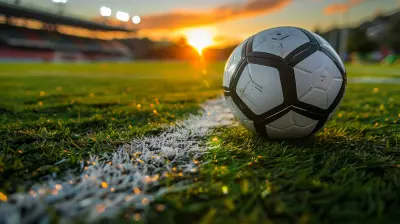
The Role of Teamwork in Scoring More Points
19 May 2026
There’s something magical about watching a team effortlessly flow together on the field or court—every pass, every move, every decision seeming choreographed like a perfectly rehearsed dance. What makes these moments so special? Teamwork. When players unite, something electric happens. It's not just about individual talent or flashy skills. It's about the collective effort that truly drives results. Let's dive deep into why teamwork is the secret sauce behind those thrilling, point-scoring plays in sports.

Why Teamwork Beats Talent Every Time
Sure, we all love a star player. Someone who can dunk from the free-throw line or nail a 60-yard goal. But even the greatest athletes can’t do much without a team behind them. Teamwork doesn't just support performance—it multiplies it.When players communicate, trust one another, and play unselfishly, they create space, opportunities, and rhythm. They don’t just play hard—they play smart.
Think about it: Would Michael Jordan have six rings without Scottie Pippen, Dennis Rodman, and the rest of the Bulls? No way. Individual brilliance may win a game or two. But teamwork wins championships.

The Science Behind Teamwork and Scoring
Let’s break it down.In any sport—from basketball and soccer to volleyball and hockey—scoring points often requires multiple actions: someone sees the opening, another delivers the pass, and someone else finishes the play. That requires synergy.
Studies have shown that teams with high cohesion and communication score more. Why? Because they:
- Anticipate each other’s moves
- Reduce errors
- Increase play efficiency
Every sport is a puzzle. And teamwork is what puts the pieces together.

Passing the Ball: More Than Just the Basics
Passing might look simple, but it's an art form when done right. A well-timed pass can cut through defenses, shift momentum, and create scoring chances instantly. But it requires more than just physical skill—it demands trust.Let’s take soccer, for example. A striker may finish the goal, but it all begins with midfield control, vision, and unselfish decisions from teammates. Each pass asks the same question: Do I trust that my teammate will make the next move count?
The answer? That trust scores points.
Communication: The Glue Holding It All Together
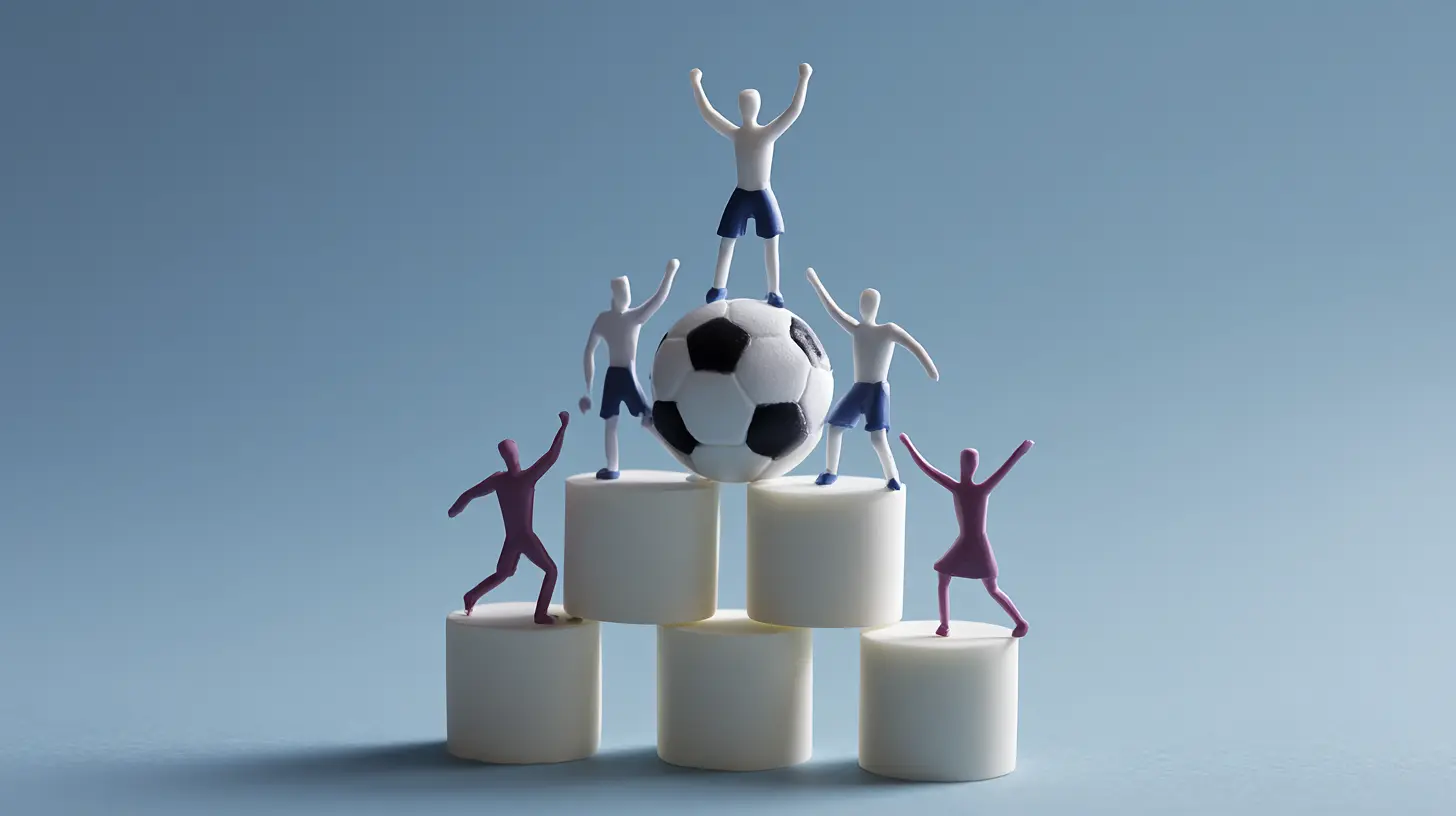
You can’t have teamwork without communication. Whether it’s a quick shout, a wink, or a subtle hand signal, successful teams talk constantly. They're like well-synced machines—each part aware of what the others are doing.When players communicate openly:
- Mistakes are fewer
- Plays run smoother
- Defense turns into offense faster
And guess what? Fewer mistakes = more scoring chances. It’s that simple.
Role Players: The Unsung Heroes
Not everyone gets the spotlight. But every player matters.In football, linemen don’t usually score touchdowns, but they create the chance for someone else to. In basketball, someone might set the screen that allows a shooter to get open. We love the scorers, but the setup matters just as much.
Role players embody true teamwork. They remind us that scoring isn’t always about the person who finishes—it’s about the people who helped it happen.
Trust on the Court and Field
Think of teamwork as a bridge built on trust. Without that foundation, it’ll collapse under pressure.When players truly believe in each other, they’re more willing to take risks, push boundaries, and make bold plays. That’s when the magic happens.
Ever notice how some players know exactly where their teammate will be—without even looking? That’s not luck. It’s trust built through hours of practice, honest communication, and shared goals.
Selflessness: The True MVP of Teamwork
Let’s face it—everyone wants to be the hero sometimes. But point-scoring teams understand that individual glory comes second to team success.Great teams share the ball. They pass up good shots for great ones. The selfish teams? They fizzle out under pressure.
Think back to any legendary team. You'll notice one thing—they passed the ball, gave up the spotlight, and didn’t care who got the credit. That’s not weakness. That’s strength.
Team Chemistry: More Than Friendship
You’ve probably heard the term “team chemistry.” But what does it really mean?It’s not just about getting along. It’s about syncing mentally, emotionally, and physically. Chemistry ensures actions and reactions happen almost instinctively. It’s what allows a hockey line to execute a seamless breakout or a volleyball team to pull off a perfect set-spike combo.
And here’s the kicker: Better chemistry = more chances to score.
Practice Makes Teamwork
They say practice makes perfect—but in sports, practice builds teamwork. The best teams don’t just run drills; they build connections. They learn each other's strengths, weaknesses, and styles.You can’t expect greatness by just showing up on game day. Champions are built during those grueling, sweaty, sometimes boring practice sessions.
Behind every highlight reel is a mountain of unseen effort, trial-and-error, and teamwork honed to precision.
Examples of Teamwork Paying Off Big Time
Let’s look at some real-world examples to bring home the point:1. Golden State Warriors (NBA)
This team redefined modern basketball. Their spacing, ball movement, and unselfishness made them nearly unstoppable. Even when Steph Curry was hot, he passed the ball if there was a better shot elsewhere. That’s teamwork in pure form.2. Spanish National Soccer Team (2008–2012)
This squad dominated international football with their "tiki-taka" style—quick, short passes, building attacks through collective movement. They didn’t just win; they outplayed their opponents by working as one.3. New England Patriots (NFL)
Tom Brady’s success wasn't just about his arm. It was about linemen protecting him, receivers running precise routes, and coaches designing plays that everyone executed down to the detail.Do you see the pattern? When teams work together, they score more. It’s not a maybe—it’s a guarantee.
How You Can Build Better Teamwork
Not a pro athlete? No worries. Whether it’s a high school team, intramural league, or just pick-up games, you can level up your teamwork. Here's how:1. Communicate—A Lot
Don’t assume your teammates know what you're thinking. Speak up, signal, and share ideas.2. Trust Takes Time
Be patient. Trust builds with consistency, not magic.3. Celebrate Others
Give shoutouts when someone sets you up for a play. Boosting others boosts the whole team.4. Practice Together
More reps = better rhythm. Don’t skip team practices—they’re gold.5. Keep Ego in Check
Remember: the goal is to win together, not shine alone.
Teamwork Translates to Life
Here's the truth bomb: the lessons you learn about teamwork in sports don’t stay on the field. They show up in school, work, relationships—everywhere.When you know how to collaborate, uplift others, and play your role effectively, you become not just a better athlete—but a better person.
Sports are the training ground for life. And teamwork? That’s your most powerful play.
Final Thoughts
Teamwork is the lifeline of any high-performing sports squad. It's not the flashy play or the solo sprint to the finish—it’s the combined effort, the shared vision, and the unbreakable bond between teammates that make the difference.So the next time you step onto the field or court, remember this: Want to score more points? Don’t try to do it alone. Play with your team. Pass the ball. Communicate. Trust. And most importantly—have each other’s backs.
Because when one wins, everyone wins.
all images in this post were generated using AI tools
Category:
ScoringAuthor:
Preston Wilkins
Discussion
rate this article
1 comments
Erin Abbott
Teamwork is the heartbeat of sports! When players connect and lift each other up, the score reflects their harmony. Together, they achieve greatness and celebrate victory!
May 19, 2026 at 3:43 AM
Preston Wilkins
Absolutely! Teamwork really is key. When players support each other, it not only boosts morale but also translates into better performance and more points on the board.