How a Bold Trade Could Save a Sinking Franchise
14 November 2026
In the world of professional sports, franchises often find themselves at a crossroads. A team may be struggling to find its footing, facing poor performance, dwindling fan engagement, and financial challenges. In such scenarios, a bold trade can serve as a lifeline, offering the chance to reshape the roster, reinvigorate the fanbase, and set the stage for future success. This article delves into the intricacies of executing a transformative trade, examining its potential impact, the strategies involved, and the pitfalls to avoid.
Understanding the Need for Change
Identifying the Signs of a Sinking Franchise
The first step in considering a bold trade is recognizing the signs that a franchise is in trouble. Common indicators include:- Consistent Losing Seasons: A string of poor performances can erode fan support and confidence in leadership.
- High Player Turnover: Frequent changes in personnel often signal deeper issues within the team culture or management.
- Financial Strain: Declining ticket sales and merchandise revenue can lead to budget cuts and a lack of investment in talent.
These signs can create a sense of urgency for management to take decisive action.
Analyzing the Current Roster
Before making any moves, a thorough analysis of the current roster is essential. This involves evaluating players based on their performance, potential, and fit within the team's system. Key considerations include:- Player Performance Metrics: Statistics like points per game, assists, and defensive ratings provide insight into a player's contributions.
- Injury History: A player's ability to stay healthy is crucial; injuries can derail a season and a franchise's plans.
- Contract Situations: Understanding contract lengths and salary cap implications can influence trade decisions.
By assessing these factors, management can identify which players are expendable and which ones should be retained.
The Trade Landscape
Market Conditions
The success of a bold trade often hinges on the market conditions at the time. Teams must be aware of the following:- Supply and Demand: If a particular position is saturated with talent, the value of players in that position may diminish. Conversely, a scarcity of top-tier talent can drive up trade value.
- Timing: The timing of a trade can significantly impact its success. Trades made during the offseason may have different implications than those made mid-season.
Understanding these dynamics is crucial for making informed decisions.
Evaluating Trade Partners
Finding the right trade partner is vital. A successful trade should benefit both teams involved, creating a win-win situation. Key considerations include:- Team Needs: Assessing what the other team is looking for can help in structuring a deal that appeals to them.
- Cultural Fit: Ensuring that the players being traded will fit well into the new team's culture is essential for long-term success.
- Future Considerations: Teams should evaluate how a trade affects not just the present, but also the future, including draft picks and salary cap space.
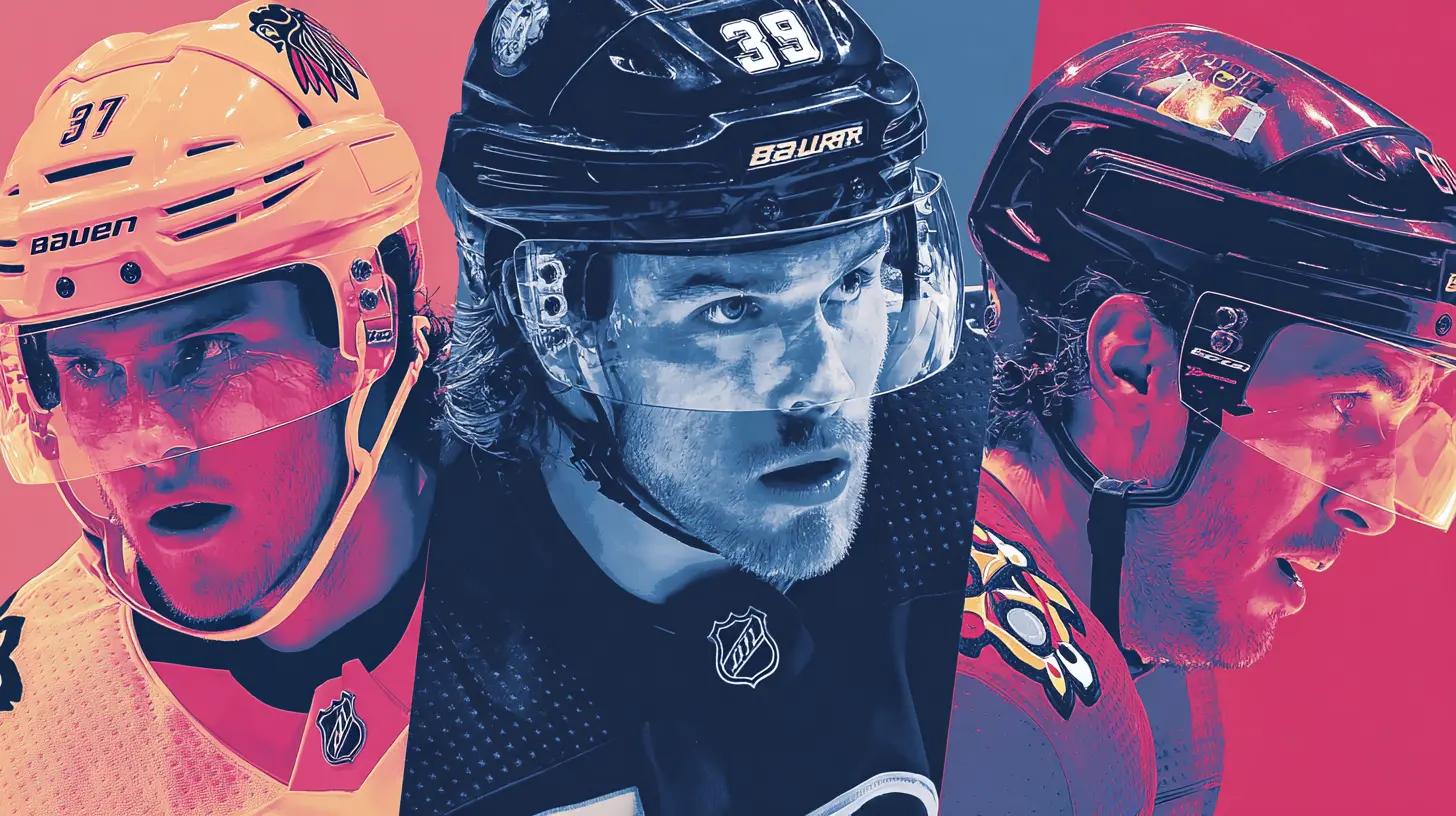
The Bold Trade Strategy
Setting Clear Objectives
Before initiating a trade, management should establish clear objectives. This may include:- Immediate Improvement: Seeking players who can contribute right away to turn the season around.
- Long-Term Vision: Acquiring young talent or draft picks to build for the future.
- Cultural Shift: Bringing in players who embody the values and work ethic the franchise wants to promote.
Clearly defined goals can guide the negotiation process and help maintain focus.
Crafting the Offer
When crafting a trade offer, it is essential to strike a balance between giving up enough to entice the other team while retaining key assets. Consider the following:- Value Assessment: Use analytics to determine the value of players involved. A player who excels in advanced metrics may have a higher trade value than traditional stats suggest.
- Inclusion of Draft Picks: Including future draft picks can sweeten a deal, but teams should be cautious not to deplete their future assets.
- Flexibility: Being willing to negotiate and adjust the offer based on the other team's responses can lead to a more favorable outcome.
Negotiation Tactics
Negotiation is a critical component of executing a bold trade. Effective tactics include:- Building Relationships: Establishing rapport with other team executives can facilitate smoother negotiations.
- Staying Patient: Rushing a deal can lead to unfavorable terms. Taking the time to evaluate all options can yield better results.
- Being Prepared to Walk Away: Knowing when to walk away from negotiations can protect a franchise from making a deal that could hinder future success.
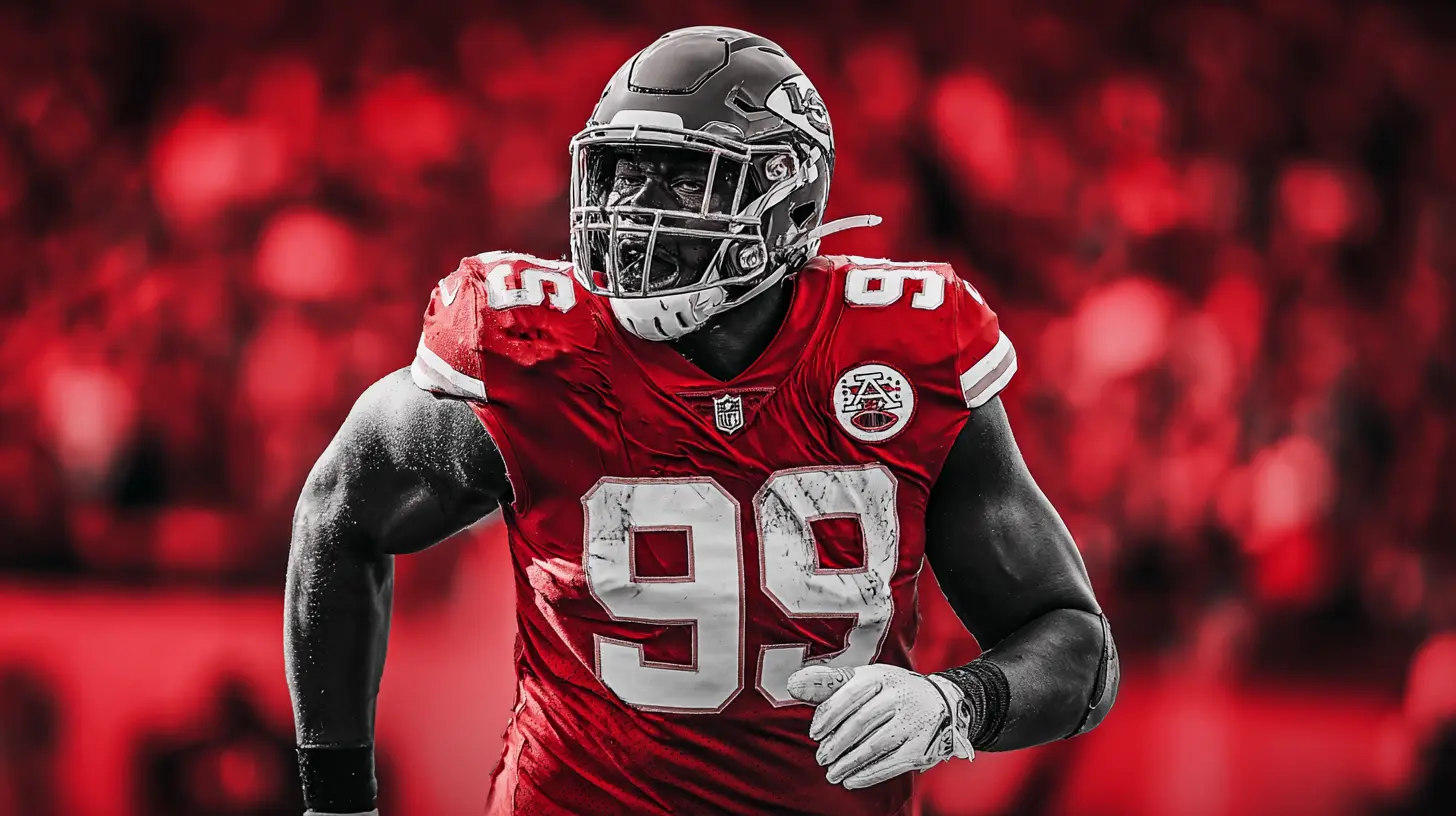
Case Studies: Successful Bold Trades
The Boston Red Sox and the 2012 Trade of Adrian Gonzalez
In 2012, the Boston Red Sox executed a bold trade that sent Adrian Gonzalez, along with several other players, to the Los Angeles Dodgers. The trade was significant for multiple reasons:- Financial Relief: The Red Sox relieved themselves of Gonzalez's hefty contract, allowing them to reset their financial situation.
- Future Flexibility: The deal netted the Red Sox several prospects and financial flexibility for future signings.
- Cultural Shift: This trade marked a shift in the team's approach, leading to a more balanced roster and eventually contributing to their 2013 World Series win.
This trade exemplifies how a bold move can have long-term benefits, even if it seems risky at the time.
The Oklahoma City Thunder and the Paul George Trade
In 2017, the Oklahoma City Thunder acquired Paul George from the Indiana Pacers. This trade was bold for several reasons:- Star Power: The Thunder needed a marquee player to complement Russell Westbrook, and George fit the bill perfectly.
- Risk vs. Reward: While George was coming off a significant injury, the potential upside was too great to ignore.
- Impact on Team Dynamics: George's arrival shifted the team culture, fostering a competitive environment that revitalized the franchise.
Despite the risks associated with acquiring a player who had recently battled injury, the trade ultimately paid off, demonstrating the potential rewards of bold decision-making.
Common Mistakes to Avoid
Overvaluing Players
One of the most common mistakes franchises make is overvaluing their own players. Emotional attachments can cloud judgment, leading to unrealistic expectations in trade negotiations. To avoid this pitfall:- Seek External Opinions: Getting perspectives from analysts or other teams can provide a more objective view of a player's value.
- Focus on Market Trends: Understanding the current market can help in setting realistic expectations for trade value.
Neglecting Team Chemistry
Another critical mistake is neglecting the impact of a trade on team chemistry. A high-profile player may not always mesh well with existing teammates. Consider the following:- Cultural Compatibility: Assess whether the player's personality and playing style align with the team's culture.
- Leadership Roles: Bringing in a new player can disrupt established dynamics, so it's vital to consider how leadership roles will shift.
Failing to Plan for the Future
Bold trades should not only address immediate needs but also consider the long-term implications. Common oversights include:- Draft Capital Depletion: Trading away future draft picks can limit a franchise's ability to rebuild down the road.
- Salary Cap Mismanagement: Poorly structured trades can lead to salary cap issues, hampering a team's ability to sign free agents.
Conclusion: The Path Forward
A bold trade can be a transformative moment for a sinking franchise, but it requires careful planning, analysis, and execution. By understanding the signs of trouble, evaluating market conditions, and setting clear objectives, management can position their team for success. Learning from past trades and avoiding common pitfalls can further enhance the chances of making a deal that revitalizes the franchise.the key to a successful trade lies in balancing risk with reward, ensuring that the move not only addresses immediate concerns but also lays the groundwork for a brighter future.
all images in this post were generated using AI tools
Category:
Big TradesAuthor:

Preston Wilkins
Discussion
rate this article
1 comments
Vanessa Gutierrez
In a world of chance, a bold trade awaits, A spark to ignite the fading dreams. Amidst the struggle, hope takes flight, Can this gamble rewrite the franchise's fate?
November 14, 2026 at 4:23 AM