Harnessing the Zone: How Athletes Can Achieve Flow State
2 January 2026
Ever had one of those moments where everything just clicks? Your body moves effortlessly, your mind feels razor-sharp, and it's like time slows down. That’s not magic—that’s the flow state, or what many athletes call being “in the zone.” Whether you’re shooting hoops, running a marathon, or crushing it in the gym, getting into the zone can be the game-changer you’ve been looking for.
But guess what? Flow isn’t reserved for elite athletes or mystical moments. You can learn to tap into it—day in and day out. This article will dive deep into the psychology behind flow, give you real-world tactics to reach it, and show you how to stay there longer. So grab your mental gear, because we’re about to level up your performance.
What Exactly Is the Flow State?
Let’s break it down. Psychologist Mihaly Csikszentmihalyi (don’t worry, we can’t pronounce it either) coined the term “flow state” to describe those moments of total absorption and effortless action. It’s that sweet spot where your skills perfectly match the challenge at hand. You’re not bored. You’re not overwhelmed. You’re just... flowing.Imagine surfing the perfect wave, hitting every note in a flawless piano performance, or landing every punch in a boxing match. When you’re in flow, self-doubt disappears and you become a machine of purpose and precision.

Why Flow Matters in Sports
When athletes get into the zone, their performance skyrockets. Think of Michael Jordan hitting game-winning shots or Serena Williams dominating the court—it’s not just talent. It's flow.Flow has some serious perks:
- Enhanced focus and concentration
- Faster reaction time
- Boosted confidence
- Less anxiety and stress
- Greater enjoyment of the sport
And let’s face it—when you enjoy what you’re doing, you do it better.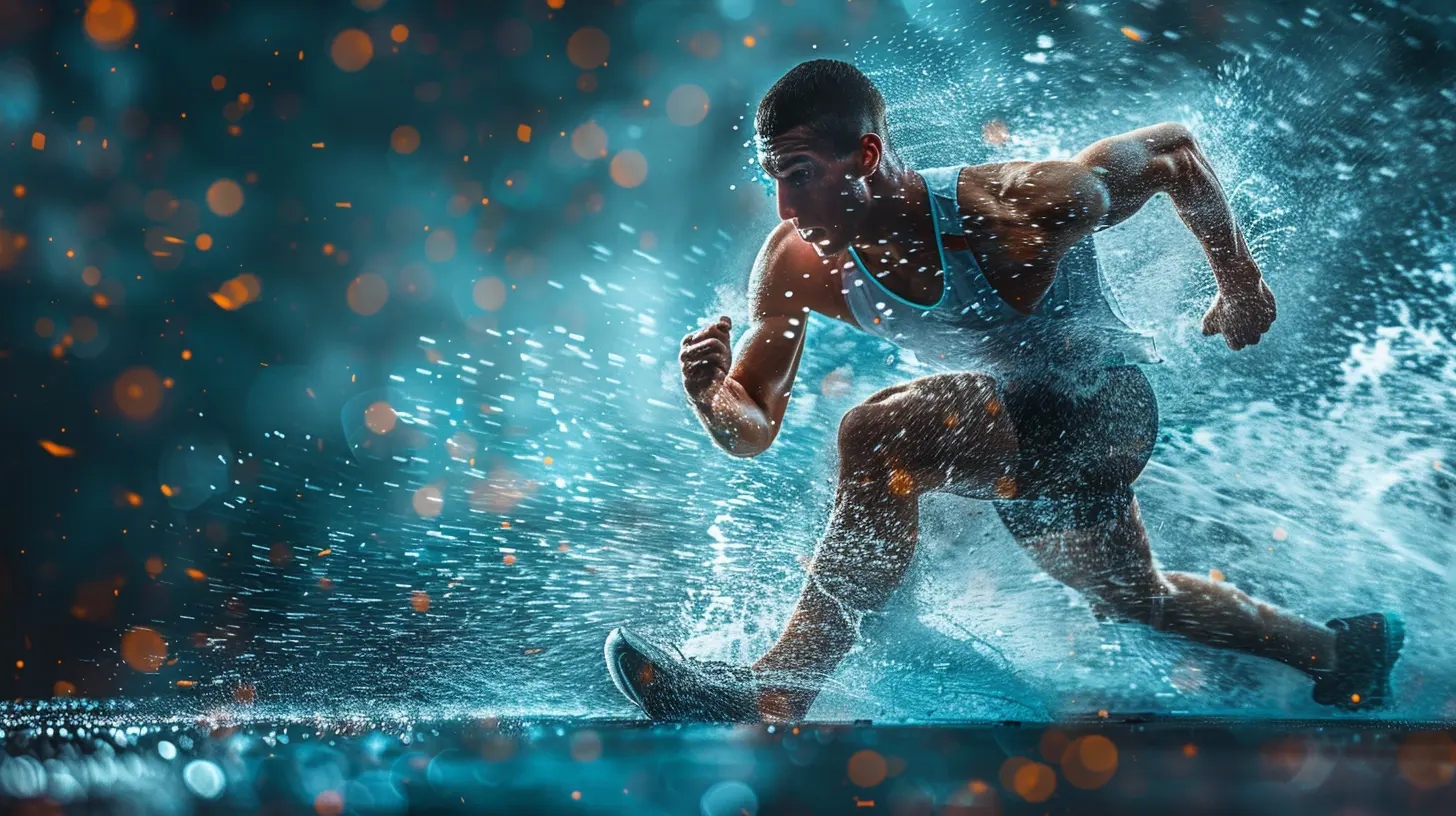
The Science Behind Flow: What’s Going on Up There?
When you’re in flow, your brain shifts into a different gear. We’re talking about real, measurable changes:- Dopamine surge: This feel-good chemical spikes when you're challenged and making progress.
- Reduced prefrontal cortex activity: That’s the part of your brain that overthinks and second-guesses. In flow, it quiets down.
- Alpha and theta brainwaves: These waves kick in as your brain eases into a rhythmic, almost meditative state.
In short? Your brain becomes a high-performance engine when the conditions are just right.
How to Get Into Flow: The 9 Building Blocks
Don’t worry—you don’t need to chant or wear crystals. Getting into flow is about setting up your mind and environment for success. Here’s how:1. Set Clear Goals
Going into a workout or game with a “let’s see what happens” mindset? That’s a flow killer. You need a mission.- Examples: “I’ll run 5 miles at a 7-minute pace.” or “I’ll make 50 free throws.”
- Why? Goals focus your mind and give your actions direction.
2. Find the Challenge-Skill Sweet Spot
Too easy? You get bored. Too hard? You freeze up. Flow happens right in the middle—where the challenge stretches you but doesn’t break you.- Pro tip: Keep raising the bar as you grow. Flow is a moving target.
3. Eliminate Distractions
Phones buzzing? People chatting? Nope. Shut it all down.- Create a ritual: Put your phone away, wear noise-canceling headphones, or practice visualization before you start.
- Flow demands attention like a jealous ex—it hates distractions.
4. Cultivate Deep Focus
This is about more than turning off distractions. It’s learning to zoom in. Think laser—not flashlight.- Try box breathing before a game: Inhale 4s, hold 4s, exhale 4s, hold 4s.
- Visualization exercises help train your brain to focus on the task ahead.
5. Lose the Ego
Flow doesn’t mix well with self-consciousness. You can’t second-guess your every move and still be in the zone.- Forget the crowd. Forget the scoreboard. Just focus on the process.
- Flow is about doing, not thinking about doing.
6. Get Immediate Feedback
Your brain loves feedback—it helps you adjust in real time.- Game situation? Watch for how your opponent reacts.
- Training? Use instant data from wearables or your coach’s cues.
7. Practice “Flow Triggers”
Routine is your best friend here. Many elite athletes have pre-performance rituals. Why not you?- Examples: Listening to a pump-up playlist. Bouncing the ball exactly 3 times. Saying a mantra.
- These cues can nudge your brain into flow mode faster.
8. Train Consistently
You can’t expect to find flow if you're only showing up once a week. Flow likes momentum.- Build small habits that move you forward daily.
- The more often you train, the easier it is to slide into the zone.
9. Stay Present
Easier said than done, right? But flow is all about the now.- Techniques like mindfulness and meditation can help.
- Remember: If you're thinking about the past or future—you’re NOT in flow.
Real Examples: Athletes Who Live in the Zone
Think this is all fluff? Think again. The best athletes in the world use flow to their advantage.Michael Jordan
He didn’t just play basketball—he became the game. His uncanny ability to shut out distractions and lock into every moment was flow in action.Simone Biles
Her routines are more than physical—they’re mental masterpieces. She credits visualization, fierce focus, and absolute presence for getting her into the zone.Kobe Bryant
The late legend had his “Black Mamba” mindset. He trained his mind as hard as his body. His focus, discipline, and ritualistic habits were all designed to trigger flow.How to Stay in Flow Longer
Getting into flow is one thing. Staying there? That’s the real trick.Watch Your Energy
Flow burns fuel. Sleep, hydration, and nutrition are your secret weapons.- Eat clean. Train smart. Rest like a pro.
Keep the Boredom Monster Away
Once you master something, flow fades. To keep it alive, you’ve got to keep evolving.- Push your limits. Try new drills. Experiment with strategy.
Reflect and Adjust
After training or competition, ask yourself:- What triggered flow today?
- When did I lose it—and why?
- What can I tweak next time?
Small reflections lead to big breakthroughs.
Common Flow-Killers (And How to Fix Them)
We've all been there—ready to light it up, and then… nothing. Here’s what might be blocking your flow and how to shake it off.Overthinking Everything
Solution: Trust your training. Let muscle memory take over.Negative Self-Talk
Solution: Kill the critic with affirmations and confidence rituals.Poor Preparation
Solution: Build routines that prime your mind and body every time.Pressure from Others
Solution: Reframe the pressure as a challenge, not a threat. Focus on what you can control.Flow Beyond Sports
Here’s the kicker—flow isn’t just for the field. You can find the zone in any part of life.- Crush your work presentation with laser focus
- Nail a musical performance without a single wrong note
- Get lost in writing or painting for hours
Once you learn how to dance with flow, it shows up everywhere.
Final Thoughts: Flow Is a Skill—Not a Superpower
So, how do you harness the zone? Start with awareness, add consistency, and mix in discipline. There's no secret potion or special handshake. Flow is built through focused effort, mental training, and a deep love for the process.You don’t have to be a superstar to get in the zone. In fact, once you figure out your own flow formula, you might just play like one.
So go out there, clear your mind, set your goal, and fall in love with the moment. Flow’s waiting for you—you just have to meet it halfway.
all images in this post were generated using AI tools
Category:
Sports PsychologyAuthor:
Preston Wilkins
Discussion
rate this article
2 comments
Edward Barnes
Fascinating insights! How can we apply this?
February 8, 2026 at 11:25 AM
Preston Wilkins
Thanks! To apply this, practice mindfulness techniques, set clear goals, and create a distraction-free environment to help reach your flow state.
Jocelyn Burton
This article on achieving flow state is fascinating! I’m curious about the techniques athletes use to enter this zone. Do certain sports lend themselves better to flow, or is it more about individual mindset? Looking forward to exploring how these insights can apply to everyday life too!
January 6, 2026 at 3:52 AM
Preston Wilkins
Thank you for your interest! While certain sports may facilitate flow due to their dynamic nature, it largely depends on individual mindset and personal techniques. I'm excited to see how these insights can enrich everyday experiences!