Finishing Strong: How to Score in the Final Moments of a Game
26 May 2026
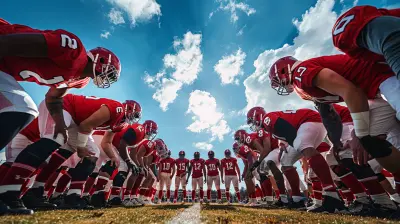
Ever watched a game come down to the last few seconds, and your heart’s pounding like crazy? Yeah, we’ve all been there—on the edge of our seats, watching our favorite team (or maybe even playing ourselves) try to pull off a miracle in the dying moments. That final stretch? It's where legends are made, and heartbreaks are written. Whether you're on the court, the field, or the rink, knowing how to close out a game is nothing short of an art.
So, how do you score when the clock’s ticking down and every move matters? Let’s break it down—step by step, move by move—because finishing strong isn’t just about talent. It’s about mindset, strategy, and sheer willpower.
Why The Final Moments Matter More Than You Think
Let’s be real: games are often won or lost in the last few seconds. You might dominate most of the match, but if you can’t seal the deal, none of it matters. The final minutes are pressure cookers. Fatigue kicks in. Nerves take over. And mistakes? They’re costly.But here's the flip side—if you keep your cool and execute your game plan, you can flip the script and become the hero everyone’s talking about.
> Think of it like the climax of a great movie. You can have a slow build-up, but that ending? That’s what people remember.
The Mindset: Staying Cool When It Gets Hot
1. Confidence is King
Scoring late isn’t just physical—it’s mental. You’ve got to believe, truly believe, that you can do it. Sounds cheesy, right? But confidence is contagious. If one player shows they’re ready to take the shot, the whole team feeds off that energy.?️ Tip: Practice pressure situations. Set the clock to 10 seconds, tie the score, and see how you perform. Do it again. And again. That mental rehearsal becomes muscle memory.
2. Stay Present, Not Perfect
Don’t obsess over the score or the time. Focus on the play. When you worry about the outcome, you freeze. But when you’re locked into the now, everything slows down. That’s when magic happens.3. Embrace the Chaos
The end of games gets messy. Turnovers. Fouls. Emotions. Expect the unpredictable. Teams that thrive in chaos? They win close games. Get comfortable with the storm.
Strategy: Smart Plays Win Games
4. Know the Clock
This might seem obvious, but you'd be surprised how many players lose track of time. Managing the clock is an art. If you’re up, eat those seconds. If you’re down, every millisecond matters.⌚ Pro Move: Practice time-sensitive drills. Learn how long it takes to get down the court, set up a play, or take a shot. Know your timing like the back of your hand.
5. Use the Timeout Wisely
Timeouts are game-changers in the last few moments. They’re not just breathers—they’re strategic gold. Call them to draw up a solid play, stop momentum, or calm nerves.? Fun Fact: In the NBA, coaches often save at least one timeout for the final two minutes, knowing the game can swing entirely in that window.
6. Go-To Plays for Crunch Time
Every team needs a reliable closing play. Maybe it’s an isolation for your best scorer. Maybe it’s a pick and roll. Whatever it is, everyone on the squad should know it as well as their name.? Real Talk: Teams that wing it at the end? They rarely succeed. Practice that final play until it’s second nature—because when the heat’s on, instincts take over.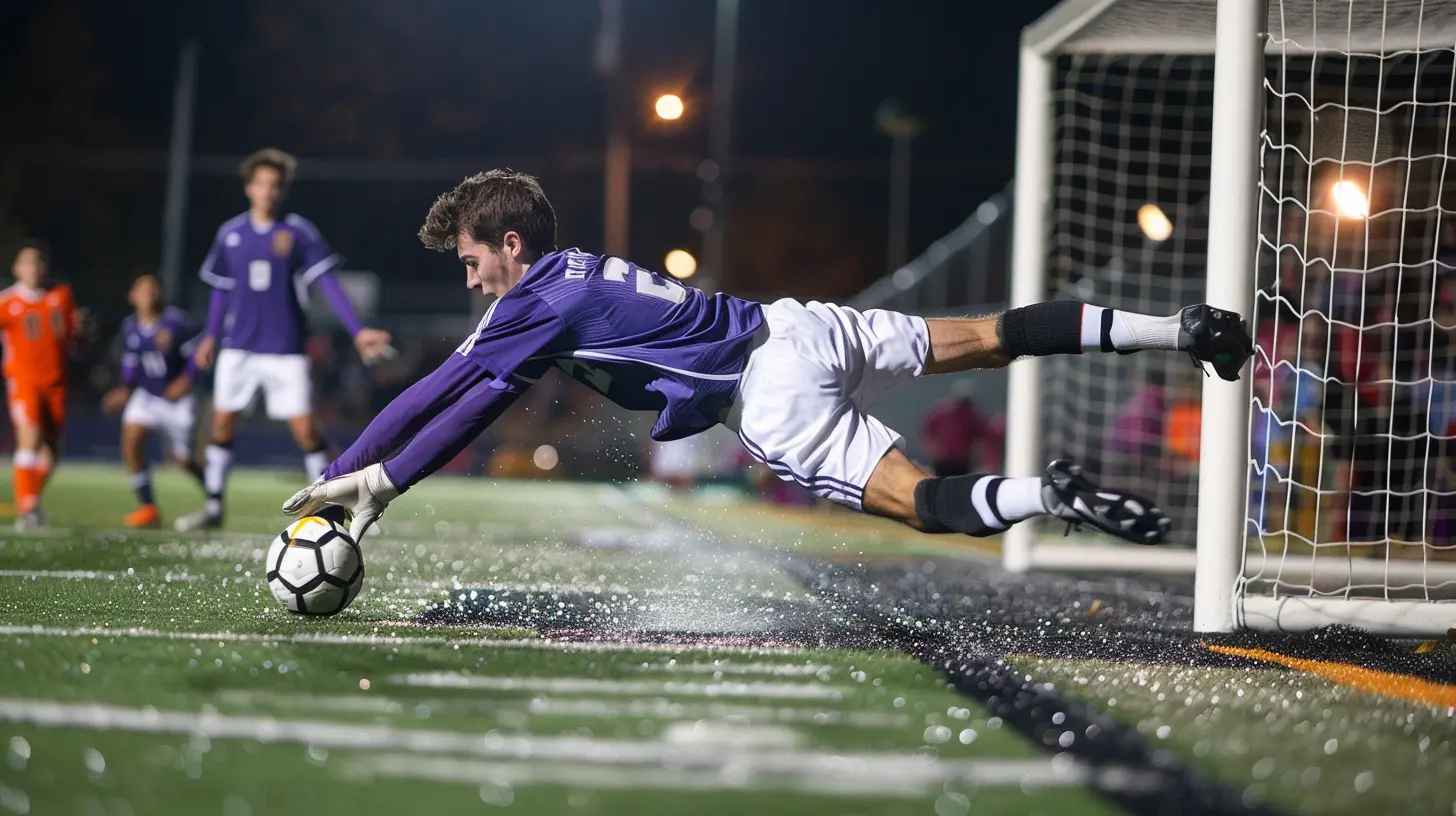
Physical Execution: Your Body’s Still Got Work To Do
7. Condition for the Clutch
You might be great in the first three quarters, but what about when your legs feel like jelly and your lungs are burning? That’s when conditioning pays off.? Train to finish. Sprints at the end of practice. Extra reps when you’re already tired. When game time hits, you’ll be the one still moving while others are dragging.
8. Stay Sharp on the Fundamentals
Down to the wire, it’s not about flashy moves—it’s about fundamentals. Layups. Free throws. Crisp passes. Solid screens. The small stuff becomes huge in crunch time.? Take the NBA as an example—how many games are decided by free throws in the final minute? Lots. You can’t skip the basics.
Reading the Defense: Outsmarting, Not Outmuscling
9. Watch for Defensive Adjustments
Late in games, defenses tighten up. Traps, double teams, switches—it’s all on the table. Good players notice the shift. Great players exploit it.? Heads Up: If they’re doubling the ball handler? Someone’s open. If they go zone? Hit the gaps. Adapt fast, or fall behind.
10. Mismatches Are Money
Late-game fatigue leads to mistakes. Opponents might forget to switch or help slow. Find the mismatch—maybe it’s a slower defender or a smaller guy in the post—and go right at it.? Killer Instinct: The best closers? They smell blood and attack the weak spot every single time.
Clutch Shooting: It's Not Luck, It's Repetition
11. Take the Right Shot, Not the Hero Shot
We all want to be the hero. The buzzer-beater. The glory. But forcing a bad shot just to be that guy or girl? That’s how you lose games. The best closers take the shot the situation demands—not just the one their ego wants.? Smart Choice: Sometimes assisting the game-winning bucket is just as clutch as scoring it.
12. Shot Selection and Rhythm
Shooters shoot, right? But in the final seconds, rhythm matters. Who’s hot? Who’s got the feel? Trust the rhythm of the game, not just the plan on paper.? Real World: Ever see Steph Curry casually knock down a 3 late in the 4th? That’s rhythm meeting confidence and execution.
Mental Toughness: Control What You Can
13. Ignore the Crowd
Booing. Cheering. Screaming. Chants. The atmosphere can be insane. Block it out, look your opponent in the eye, and make your move.? Mental Headphones: That’s what clutch athletes put on—blocking out the noise to tune into the moment.
14. Learn From Past Failures
Here’s the truth—you're going to mess up in the clutch before you succeed. Missed shots. Turnovers. Bad decisions. Every great closer has stumbled.? Michael Jordan missed 26 game-winning shots in his career. Still think it’s about perfection?
Coaches & Leaders: Your Role in Finishing Strong
15. Instill Belief
Coaches, your team feeds off your energy. If you look panicked, they will be too. If you’re calm, it signals trust. Set the tone.?️ Locker Room Vibes: Make “we finish strong” part of your culture. It’s a mindset that starts in practice and shows up when it matters.
16. Empower the Closer
Every team has one. The player who wants that last shot. Let them shine. Build your offense around their strengths. And most importantly—have full trust in them.Practice Makes Perfect: Build the Habit
The best way to become clutch? Practice like the game’s on the line. Run those last-second drills. Review film of close games. Simulate pressure as much as possible.?️ Building Habits: Teams that prepare for crunch time don’t panic when it comes. They attack it.
Conclusion: From Player to Closer
Finishing strong isn’t just a skill—it’s a mindset. It's about showing up when others fade. If you want to be the player who scores when it counts, you’ve got to train your body, sharpen your mind, and develop nerves of steel.Whether you're hitting the game-winner or making the critical stop on defense, those final moments are a chance to define your legacy. So the next time the clock winds down, don’t flinch. Lean in. Take the shot.
And finish strong.
all images in this post were generated using AI tools
Category:
ScoringAuthor:

Preston Wilkins
Discussion
rate this article
1 comments
Maxwell Green
There's nothing quite like that electric feeling when your team pulls off a last-minute win. It's a mix of strategy and heart. Those final moments can turn the tide, making every second count. Go team!
June 12, 2026 at 3:50 AM
Preston Wilkins
Absolutely! That adrenaline rush is unforgettable. It's all about focus and teamwork when it really counts. Let's keep those strategies sharp!