Will the 2026 MLB Season See a Home Run Explosion?
19 September 2026
Every few years, baseball convinces itself that the ball is juiced, the pitchers are doomed, and the record book is about to catch fire. Sometimes it is true. Sometimes it is a small-sample mirage that evaporates by June. The question heading into 2026 is whether the sport is staring at another genuine power surge or just the usual springtime noise dressed up in exit velocity data.
My honest answer up front: a modest uptick in home runs is more likely than a full-blown explosion, but the conditions for something bigger are quietly assembling. To understand why, you have to look past the highlight reels and examine the forces that actually drive home run rates: the baseball itself, the humans throwing it, the humans hitting it, the parks they play in, and the incentives shaping how both sides approach every plate appearance.
Let's break this down the way a front office would.
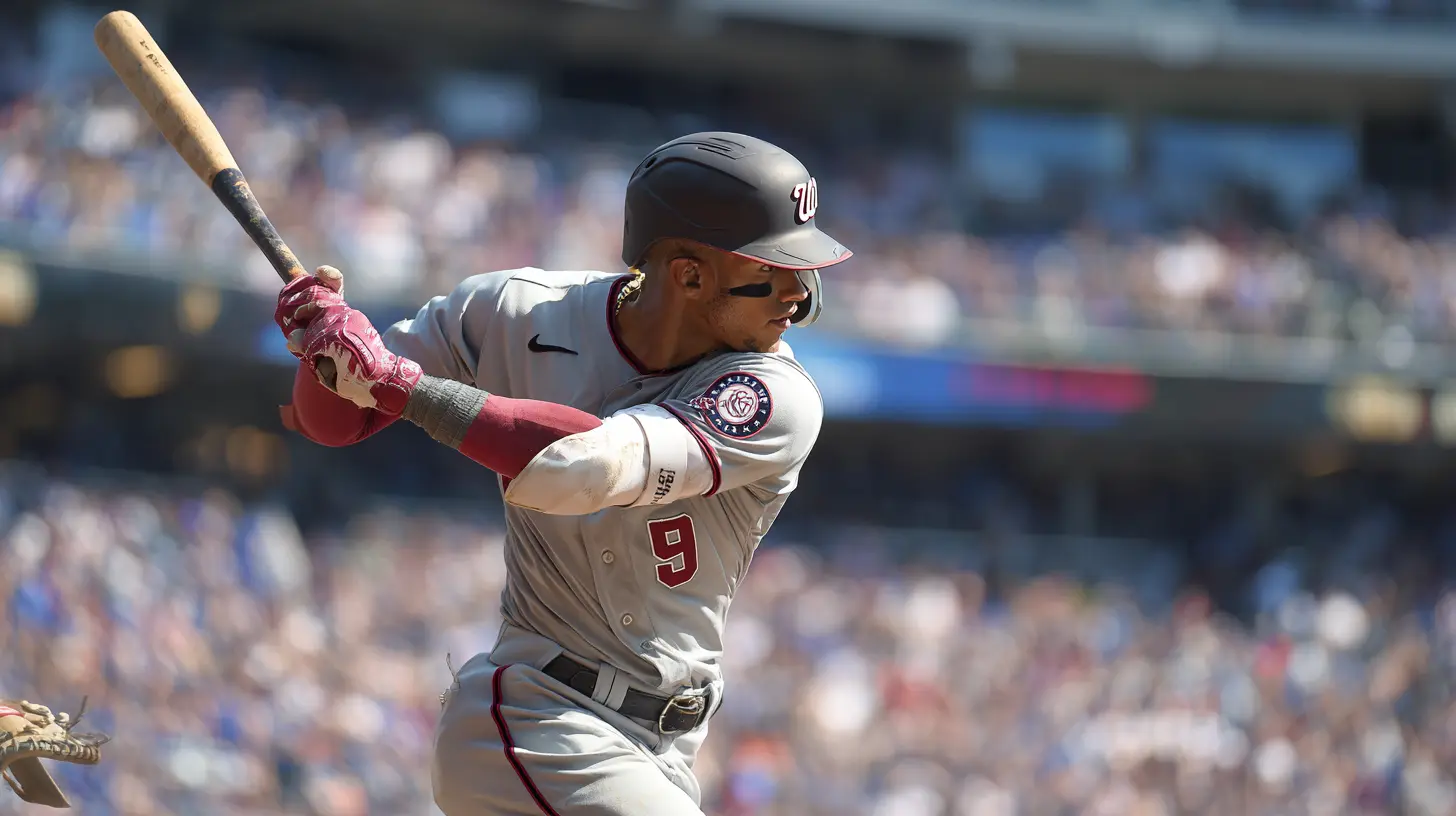
The Variables That Actually Drive Home Run Rates
Casual fans tend to treat home run totals as a pure talent story. Great hitters hit homers, weak hitters do not, and that is that. The reality is messier. Year-to-year swings in league-wide home run rates are driven by a handful of interconnected factors, and almost none of them operate in isolation.The Baseball Itself
The single most powerful lever is the ball. We saw this play out dramatically in 2019, when a record-setting home run barrage forced MLB to acknowledge that the manufacturing process had changed. We saw the opposite in 2022, when a deadened ball suppressed power across the league. The lesson is uncomfortable but important: the difference between a 4,000-home-run season and a 5,500-home-run season can come down to minuscule changes in the height of the seams, the tightness of the wool winding, or the drag characteristics of the leather.A ball that carries two or three extra feet does not just turn warning-track outs into home runs. It changes hitter behavior. When players believe the ball is flying, they sell out for power more often, which compounds the effect. When they believe it is dead, they shorten up and prioritize contact. The ball and the approach feed each other.
For 2026, the key question is whether the current ball specs stay stable. If they do, we should expect continuity rather than a spike. If MLB quietly tweaks the manufacturing again, all bets are off, and you will hear about it first from pitchers.
The Pitchers
Here is where things get genuinely interesting. The league has spent the last several seasons dealing with a pitching injury crisis of historic proportions. Tommy John surgeries have piled up at rates that alarm even veteran orthopedic surgeons. Workload management, the pitch clock, and the relentless pursuit of velocity have all contributed.Why does this matter for home runs? Because a rotation held together with duct tape and rookies is a rotation that gives up more mistakes. When your fourth and fifth starters are Triple-A arms learning on the job, and when your bullpen is depleted by mid-August, hitters feast. The relationship between pitching health and home run rates is underrated in most public analysis.
There is a counterforce, though. The pitch clock appears to have slightly reduced max-effort throwing for some pitchers, and organizations are getting smarter about load management. If 2026 brings a healthier crop of starters, that suppresses power. If the injury wave continues, expect more long balls.
The Hitters
The modern hitter is optimized for launch angle and exit velocity in a way that would have baffled coaches thirty years ago. Hitting coaches now talk about "barrels" and "attack angle" the way pitching coaches talk about spin rates. This approach has been baked into player development for over a decade, so it is not going away.What changes is the supply of hitters who can execute it. The league has cycled through a generation of all-or-nothing sluggers, and there are signs that teams are rebalancing toward contact and athleticism. If that trend continues, home run rates could dip slightly even as individual stars keep mashing.
The Parks
Ballpark changes are slow, but they matter. Coors Field remains Coors Field. The Athletics' move to a minor league park in Sacramento for the interim period introduces a new variable, since that venue plays very differently from the Oakland Coliseum. Any time a team relocates or renovates, the league-wide home run environment shifts a little.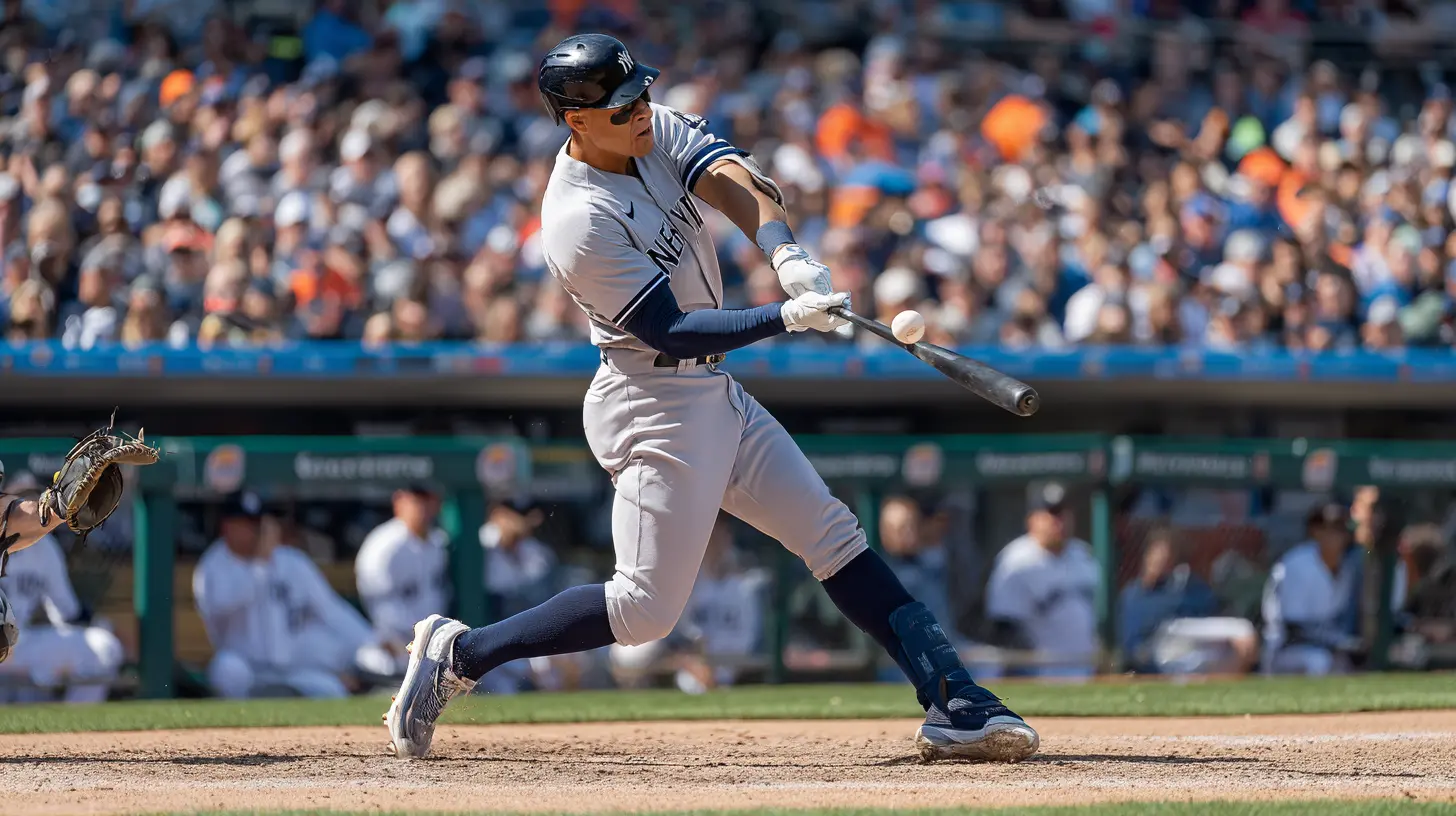
The 2026 Wild Cards Nobody Is Talking About
Beyond the usual suspects, a few specific factors could tilt the 2026 season one way or the other. These are the things I would watch closely.The Automated Ball-Strike Challenge System
If MLB expands its automated ball-strike challenge system in 2026, the effect on home runs is subtle but real. A more consistent strike zone removes some of the pitcher's edge on the corners. Hitters who previously had to protect against a generous called strike three can now challenge bad calls and force pitchers back over the plate. More strikes over the plate means more hittable pitches, and more hittable pitches means more damage.Is this a home run explosion driver? Not by itself. But it is a small tailwind.
The Continued Evolution of Pitching Strategy
Pitchers are throwing fewer fastballs than at any point in modern history. Sliders, sweepers, cutters, and changeups dominate. This has generally suppressed offense because breaking balls are harder to square up. But there is a catch: breaking balls that do not break, or that hang, get crushed. As more pitchers rely on sweepers and cutters, the margin for error shrinks. A poorly executed sweeper is a batting practice fastball with a fancy name.If 2026 sees a wave of pitchers whose secondary stuff regresses, expect a power surge.
Roster Construction and the DH
The universal designated hitter is now fully normalized. National League teams have built their rosters around it. This means more pure power bats in the lineup and fewer pitchers flailing at the plate. That has already added a few hundred home runs per season compared to the pre-2022 era. The effect is now baked in, so it will not drive a 2026 spike, but it is worth remembering when comparing this era to the past.
Why a Full Explosion Is Unlikely
Let me play the skeptic for a moment, because the "home run explosion" narrative is often oversold.Regression to the Mean Is Real
Home run rates bounce around, but they tend to revert. A spike one year is often followed by a dip the next, partly because pitchers and coaches adjust. If 2025 produced elevated power numbers for any reason, 2026 is more likely to see a correction than a continuation.The Strikeout Problem
You cannot hit a home run if you do not make contact. Strikeout rates remain historically high. The modern game tolerates strikeouts in exchange for power, but there is a ceiling. If strikeouts climb further, home runs will not climb with them.Ballpark and Weather Variance
Weather matters more than people think. Warm, dry air helps baseballs carry. A cool, humid summer suppresses power. We cannot predict 2026 weather, but we can note that a single unusually cool June across the Midwest and Northeast can shave hundreds of home runs off the season total.Pitcher Adaptation
Pitchers are not passive. When home run rates rise, organizations respond with better sequencing, more high fastballs, and a greater willingness to pitch around dangerous hitters. The league is a self-correcting system, even if the correction takes a season or two.
Why a Moderate Surge Is Plausible
Now the optimistic case.The Talent Pipeline Is Loaded
The current crop of young hitters is absurdly talented. Players who would have been franchise cornerstones a decade ago are now the fourth-best bat in a lineup. This depth means more opportunities for mistakes to be punished.Pitcher Health Is a Genuine Concern
If the injury wave continues, the league will be forced to run out more replacement-level arms. That is a recipe for more home runs, even if the ball stays neutral.The Ball Could Shift Again
I am not predicting a juiced ball. I am saying the historical record shows MLB has changed the ball before, sometimes without announcing it clearly. If the league decides it wants more offense in 2026, the ball is the easiest lever to pull.The Challenge System Could Help Hitters
As noted above, a more consistent zone is a small but real boost for offense.What This Means for Fantasy Players and Bettors
If you play fantasy baseball or bet on the sport, the home run environment shapes everything. Here is how I would think about it.For Fantasy Drafts
Do not overpay for power based on a projected explosion. Instead, target hitters whose value comes from multiple categories. A player who hits 30 home runs with a .270 average and 15 steals is more valuable in a neutral environment than a player who hits 40 with a .220 average. If the ball is live, the first player benefits too, and you are protected if it is not.For Home Run Props
If you bet on home run props, the environment matters enormously. A live ball inflates overs. A dead ball crushes them. Watch the early-season data on exit velocity and fly ball distance before committing to a season-long stance.For Daily Fantasy
In DFS, home run environment is a slate-by-slate consideration. Wind, park, and pitcher matchup matter more than league-wide trends. But if the 2026 ball is livelier, stacking power hitters in good parks becomes even more profitable.
Common Mistakes When Analyzing Home Run Trends
I see the same errors repeated every year, and they are worth flagging.Mistaking April for the Season
April home run rates are noisy. Cold weather suppresses power. Do not draw conclusions from the first month.Ignoring Park Effects
A player who moves from Oracle Park to Great American Ball Park will see his home run total jump even if nothing about him changes. Always adjust for context.Overreacting to One Player
One hitter mashing 50 home runs does not mean the league is exploding. It means one hitter is having a great year.Forgetting That Pitchers Adjust
The league is not static. If home runs rise, pitchers and coaches will respond. The question is how quickly.The Bottom Line
Will the 2026 MLB season see a home run explosion? Probably not a full explosion. A moderate increase is plausible, driven by pitcher health concerns, a talented young hitter class, and the possibility of a slightly livelier ball or a more hitter-friendly strike zone. A decline is equally plausible if the ball stays neutral, pitchers stay healthy, and the league continues its slow rebalancing toward contact and athleticism.The smart approach is to watch the early-season data, pay attention to ball specs and injury reports, and avoid betting your season on a single narrative. Baseball has a way of humbling anyone who thinks they have it figured out.
If you are a fan, enjoy the ride. If you are a fantasy player, draft balanced hitters. If you are a bettor, wait for the data. And if you are a pitcher, well, good luck.
all images in this post were generated using AI tools
Category:
Season ExpectationsAuthor:

Preston Wilkins