Commentary From the Trenches: Rugby Final Moments Decoded
28 November 2026
A cup final is rarely decided by the best team on the day. It is decided by the team that handles the last ten minutes better. I have watched dozens of finals from the coaching box, the touchline, and the stands, and the pattern repeats with almost boring regularity: the side that looks in control with fifteen minutes left is often the side that loses. The reasons are rarely mystical. They come down to decisions, fatigue, communication, and a handful of small technical details that most viewers never notice.
This article breaks down those final moments the way a coaching group actually does it: phase by phase, decision by decision. You will not find a highlight reel here. You will find the mechanics behind the drama, the mistakes teams keep making, and the practical lessons you can apply whether you coach, play, or simply want to watch the closing stages with sharper eyes.
Why Finals Are Decided Late
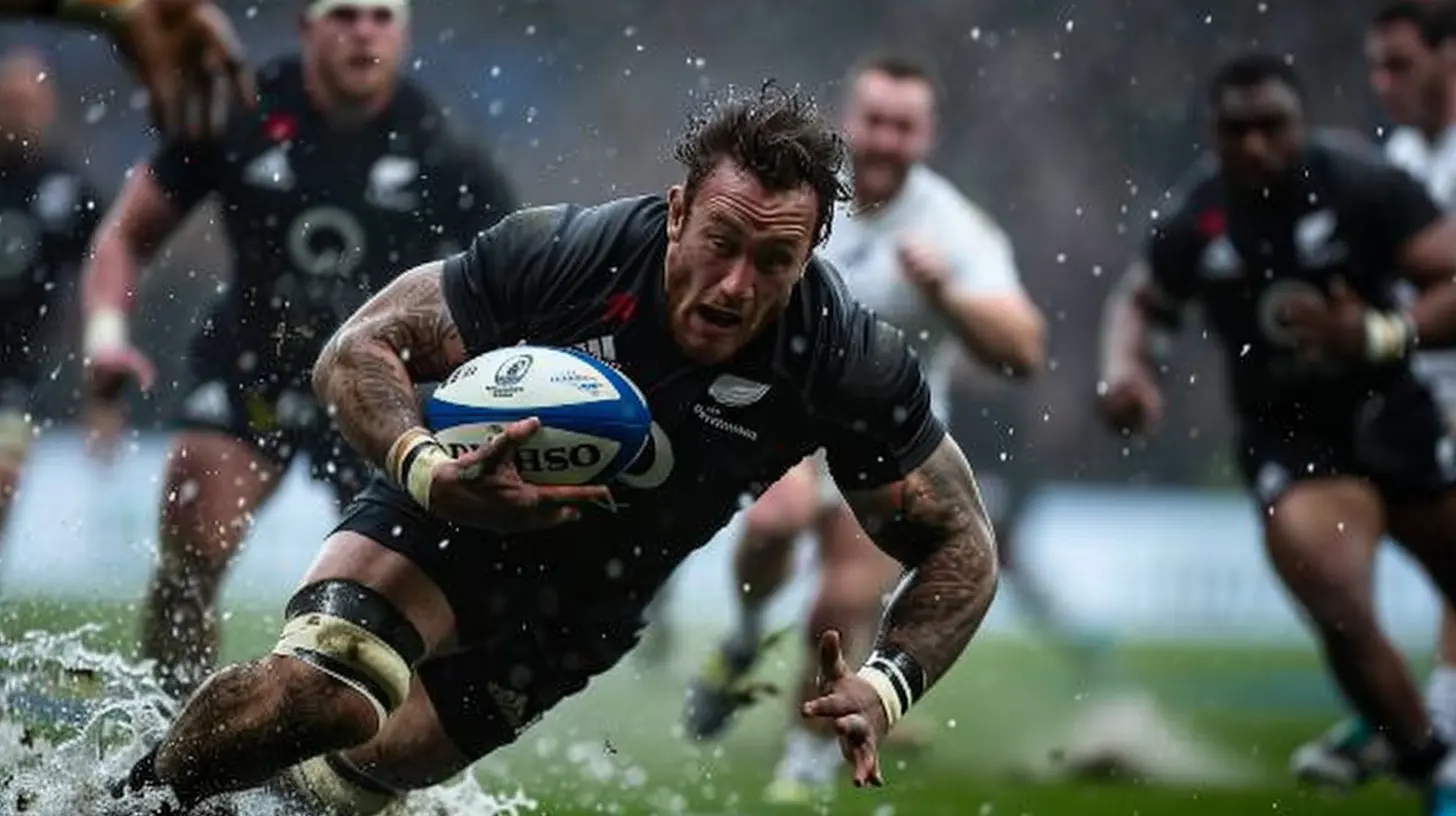
Rugby finals compress decision-making. The margins shrink, the stakes rise, and fatigue strips away the polish that carried teams through the regular season. Three forces converge in the last quarter:- Physical fatigue. Breakdown accuracy drops first. Players who were clean at ruck time in the first half start falling over the ball, sealing off late, or arriving a step too slow. That single step is the difference between quick ball and a turnover.
- Mental fatigue. Decision quality degrades under pressure. The instinct to force the miracle offload appears precisely when patience is most valuable.
- Scoreboard pressure. A six-point lead changes behavior. Teams stop playing the way that earned the lead and start protecting it. That shift is usually a mistake.
The best finals teams do not suddenly become conservative. They narrow their focus. They keep doing the same things but with tighter execution. The teams that lose are the ones that change their identity in the 70th minute.

The Anatomy of the Last Ten Minutes
The Set Piece Becomes a Weapon Again
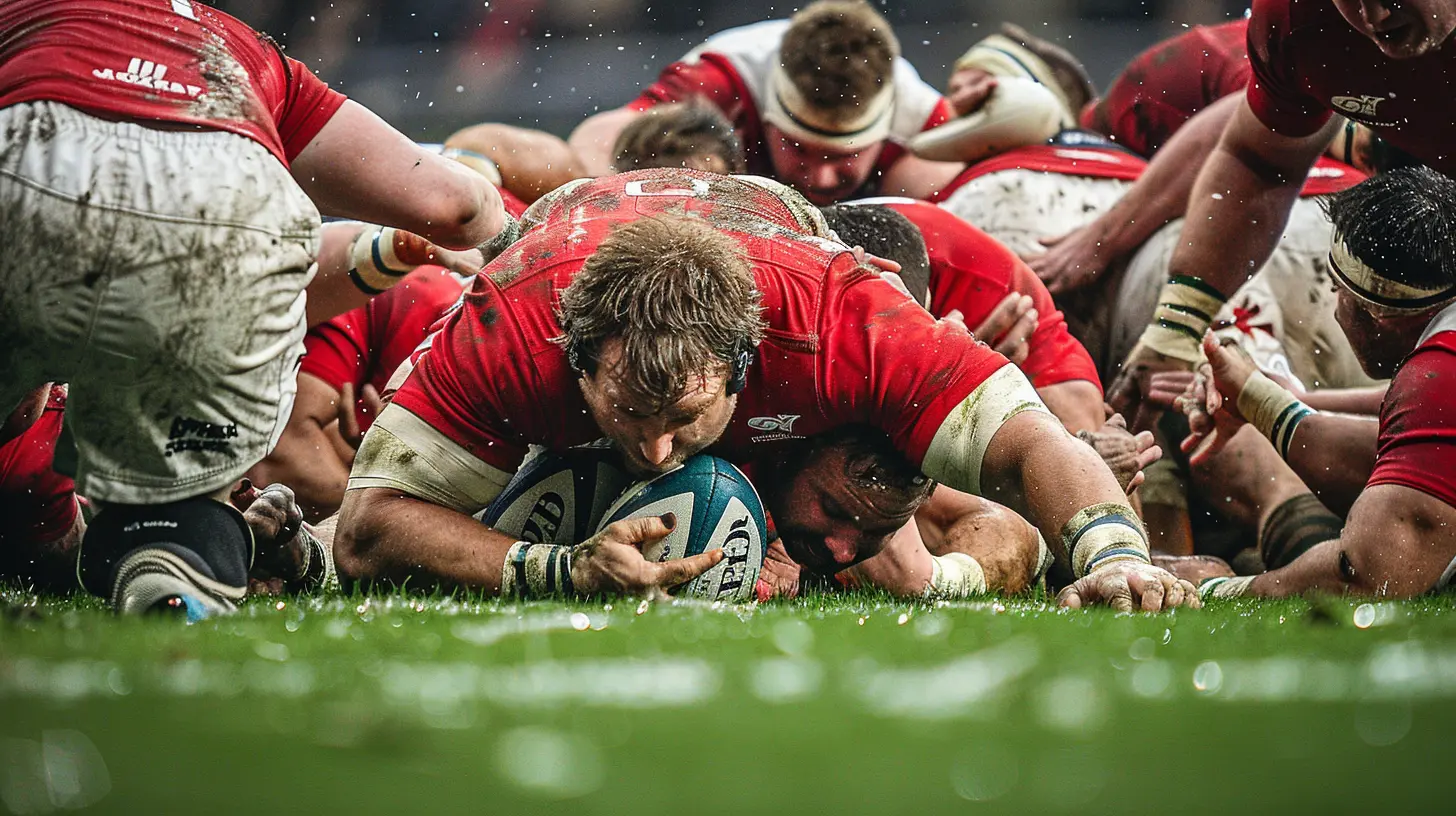
In open play, fatigue hides structural flaws. At set piece, it exposes them. Watch the scrum in the last ten minutes of a tight final and you will see the real contest. Fresh legs off the bench meet tired legs that have been anchoring for an hour. The team with the stronger bench front row often wins a penalty at the most valuable moment of the match.This is not luck. Smart coaches plan for it. They hold a specialist scrummager in reserve specifically for the final quarter, knowing that a penalty at a scrum on the halfway line can be worth more than any flashy backline move. The lineout follows the same logic. Tired jumpers lose their timing by centimeters, and a stolen lineout in your own half in the 78th minute ends finals.
Practical takeaway: If you coach, rehearse set piece under fatigue. Run scrums and lineouts at the end of conditioning blocks, not at the start of sessions. The skill that survives fatigue is the skill you can trust in a final.
The Breakdown Decides Possession
The ruck is where finals are quietly lost. Under pressure, players make three predictable errors:1. Arriving too high. A tired player stands up in the contact instead of staying low, and the clearout becomes a wrestling match rather than a clean sweep.
2. Sealing off. In desperation to protect the ball, players go off their feet or block the contest. Referees are watching this closely in the closing stages, and a penalty in kicking range is fatal.
3. Slow support. The first supporting player arrives a fraction late, the defensive jackler gets hands on the ball, and the attacking team concedes a turnover in a dangerous position.
The teams that close out finals well simplify their breakdown. They commit fewer players, secure the ball faster, and kick earlier rather than forcing one more phase into traffic. That sounds conservative, but it is actually disciplined. They are choosing the risk they can control.
Game Management Is a Skill, Not a Personality Trait
Commentators love to say a fly-half "managed the game well." What does that actually mean? It means the player made a series of small, unglamorous decisions correctly:- Kicking for territory when the team is under pressure, rather than forcing a pass.
- Finding touch with the penalty instead of chasing a try that is not on.
- Taking the three points when the scoreboard demands it, and declining them when it does not.
- Slowing the game down after conceding, to reset structure and calm the team.
- Recognizing when the opposition is out on its feet and accelerating instead of easing off.
The hardest of these is the last one. Most teams protect a lead by slowing everything down. Excellent teams sense when the opponent is vulnerable and strike. That judgment cannot be taught in a classroom. It comes from experience, from watching hours of footage, and from honest debriefs after close losses.
Common mistake: Assuming the captain should make every late-game call. In reality, the best teams distribute decision-making. The fly-half reads the kicking options, the scrum-half manages tempo, the captain handles referee communication, and senior forwards decide when to take the points. One person cannot process all of that in real time.
Substitutions: The Most Misunderstood Lever
Bench usage is where coaching reputations are made or broken in finals. Two schools of thought dominate, and both have merit.The Early Bench
Some coaches empty the bench between the 50th and 60th minute. The logic is straightforward: inject fresh legs before fatigue sets in, keep the tempo high, and force the opposition to defend against energy they cannot match. This works well for teams with genuine depth and a high-work-rate game plan.The trade-off is experience. Young replacements can be exposed positionally in the final ten minutes, when every decision is magnified. A fresh winger who reads the game a step slow can concede the corner try that decides the final.
The Late Bench
Other coaches hold substitutions until the 65th to 75th minute. This preserves experience for the decisive moments and keeps the starting XV's combinations intact. The risk is obvious: if the starters are already out on their feet, the replacements arrive too late to change the momentum.Best practice: Plan substitutions around moments, not just minutes. Know in advance which replacement covers which scenario. If you are leading by six with ten minutes left, you want your best defensive set piece and your most reliable kicker on the field. If you are chasing, you want pace and a second playmaker. Decide those scenarios in the week, not in the heat of the moment.
Kicking Strategy Under Pressure
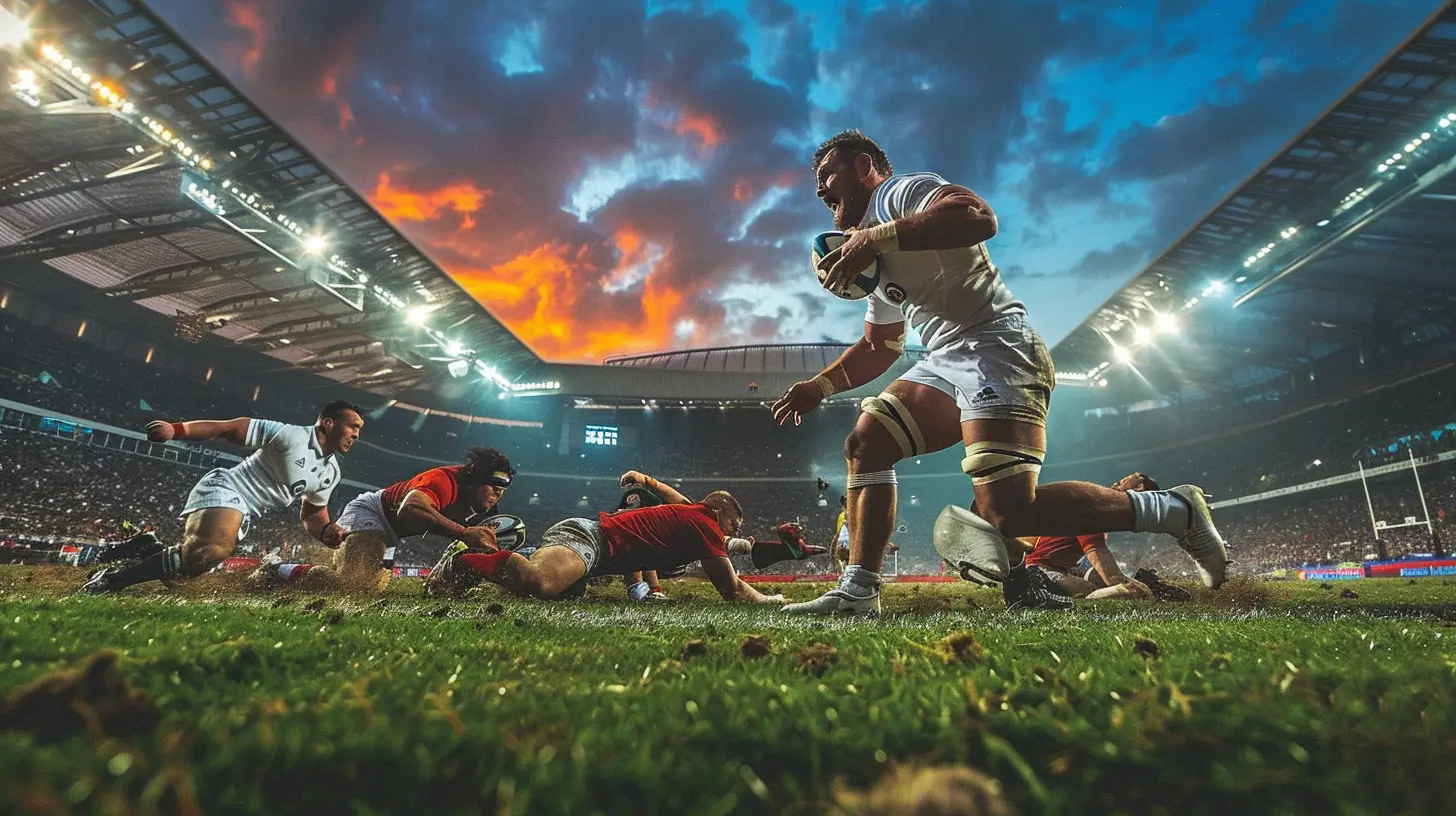
Late-game kicking is a discipline of its own. Three decisions matter most.The exit kick. When you are pinned in your own half, the exit must find grass and distance. A mis-hit exit that lands in the middle of the field hands the opposition an attacking platform and often the winning points. Tired teams rush exits. Disciplined teams take the extra second to set the kick properly, even under a charging defensive line.
The territorial kick. Into the wind, a long territorial kick can be a liability. Smart teams use lower, flatter kicks that roll into space, or they kick to touch to slow the game. The choice depends on the weather, the field position, and crucially, the quality of the opposition's counterattack.
The goal kick. Never underestimate the pressure on a goal kicker in the 79th minute. The routine must be identical to the one used in the first minute. Any change in routine under pressure is a red flag. Coaches should rehearse pressure kicks in training with consequences, because the kicker who has practiced missing in front of teammates handles the real thing far better.
What the Referee Is Watching
Referees manage finals differently, and teams that adapt win. In the closing stages, officials tend to:- Penalize breakdown infringement more strictly, because cynical play rises when teams are desperate.
- Manage time-wasting firmly, including at lineouts and scrums.
- Communicate clearly with captains, but with less patience for repeated questions.
The practical lesson is simple: keep the dialogue respectful and minimal. A captain who argues every call loses influence when it matters. A captain who asks one clear question at the right moment often gets the benefit of the doubt later.
Real-World Patterns From Close Finals
Across many tight finals, the same patterns recur:- The team that scores first in the last quarter usually wins. Momentum in finals is sticky. The first score after the 60th minute tends to settle the match.
- Turnovers conceded in your own half are the single biggest predictor of defeat. Not missed tackles, not scrum pressure, but turnovers in the wrong part of the field.
- The team with fewer penalties conceded in the final fifteen minutes wins more often than not. Discipline is the quiet engine of closing out games.
- Teams that kick more in the last ten minutes tend to protect leads better. Possession is not always the goal; field position and territory often matter more.
None of these are laws. They are tendencies that show up repeatedly, and they should shape how you prepare.
Building a Closing Game Plan
If you want your team to be better in final moments, build the plan before the season, not in the week of the final.1. Rehearse scenarios weekly. Ten minutes left, six-point lead, opposition ball on your 22. Ten minutes left, six points down, your lineout on halfway. Run these repeatedly until decisions become automatic.
2. Train skills under fatigue. Set piece, exits, and goal kicking should all be practiced at the end of hard sessions.
3. Define roles clearly. Who calls the kicking decisions? Who manages tempo? Who talks to the referee? Write it down.
4. Debrief honestly. After every close game, review the last fifteen minutes separately. What decisions were made, and were they the right ones given the scoreboard and the conditions?
5. Practice the scoreboard. Use training games where the last ten minutes start with a predetermined score. Players learn to play the situation, not just the opposition.
Final Thoughts
The last ten minutes of a final are not a lottery. They are a test of preparation, discipline, and decision-making under pressure. The teams that win them are rarely the most talented. They are the most composed. They kick when they should kick, they secure the ball when the game demands it, and they trust the plans they rehearsed when their legs are screaming.Watch the next final with these mechanics in mind. You will see the game differently, and if you coach or play, you will know exactly where to focus your preparation.
all images in this post were generated using AI tools
Category:
Live CommentaryAuthor:

Preston Wilkins