Biomechanics: How Proper Movement Can Prevent Injuries
28 November 2025
Ever wondered why some athletes seem to stay injury-free while others constantly battle aches and breaks? It’s not just luck—it’s biomechanics. The way your body moves plays a massive role in keeping you safe from injuries, whether you're sprinting down a track, lifting weights, or just going about your daily routine.
Let’s break it down in simple terms: good biomechanics means moving efficiently and safely. Bad biomechanics? That’s an open invitation for pain and injury. So, how do you make sure you're moving the right way? Let’s dive in! 
What Is Biomechanics?
Biomechanics is the science of movement. It examines how muscles, bones, tendons, and ligaments work together to produce movement. Think of your body as a well-oiled machine—when all the parts function correctly, everything runs smoothly. But when there’s a glitch (poor posture, bad form, or muscle imbalances), you’re at risk of injury.Biomechanics isn't just for elite athletes. Whether you're a weekend warrior, a desk worker, or someone who enjoys a casual evening jog, understanding how to move properly is crucial for injury prevention. 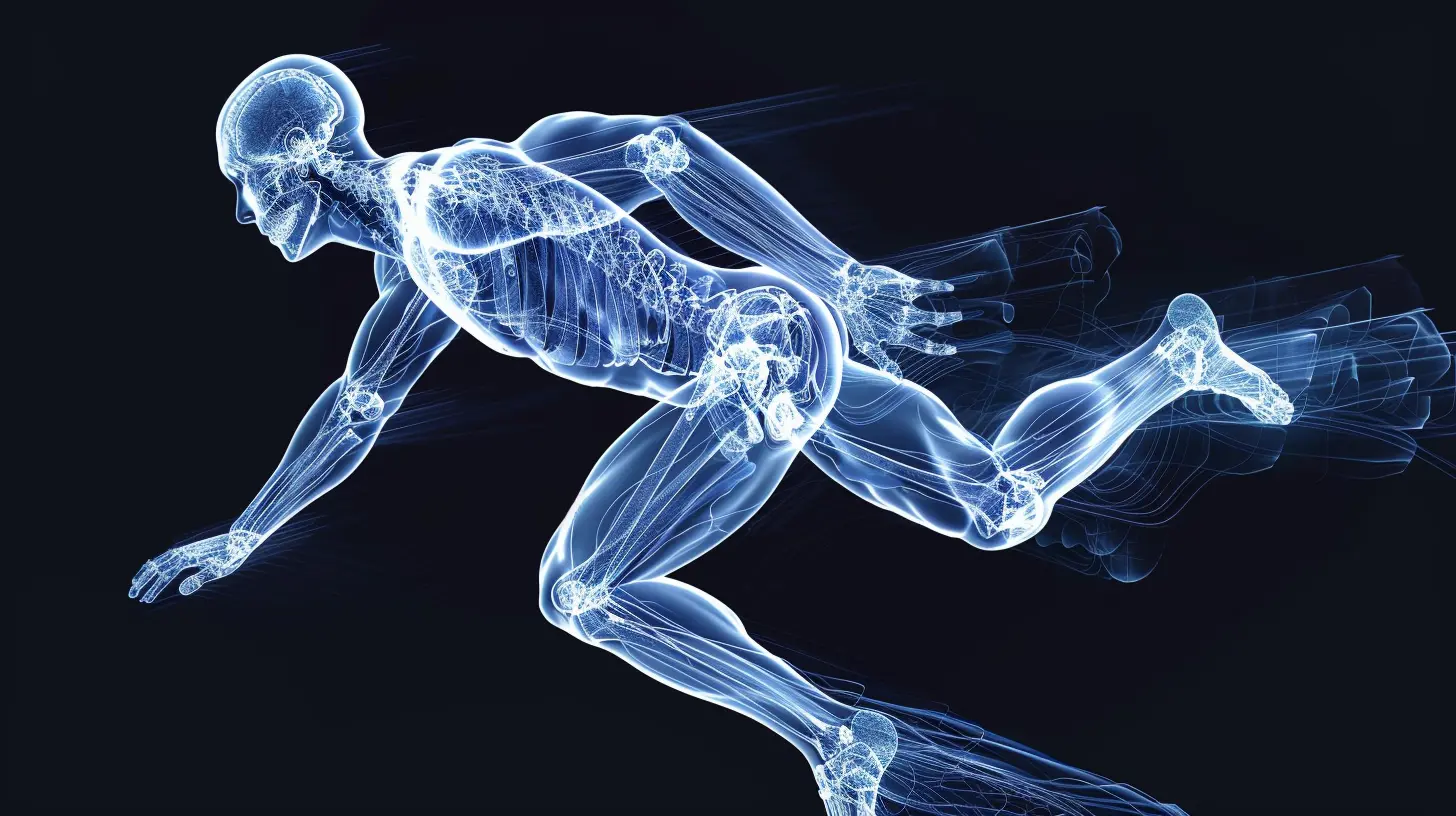
Why Proper Movement Matters
Ever heard the saying, "An ounce of prevention is worth a pound of cure"? That’s exactly what biomechanics is all about. Moving improperly puts unnecessary strain on your joints and muscles, increasing the risk of injuries like sprains, strains, and even chronic conditions like arthritis.Here’s why proper movement is a game-changer:
- Reduces Stress on Joints – Poor movement patterns can overwork certain joints, leading to wear and tear over time.
- Prevents Muscle Imbalances – When some muscles do extra work while others stay lazy, imbalances develop, leading to pain and potential injuries.
- Boosts Efficiency – Moving correctly means you use less energy and get better results, whether you're lifting, running, or even just walking.
- Speeds Up Recovery – If you do get injured, proper biomechanics help you heal faster and minimize the chances of reinjury. 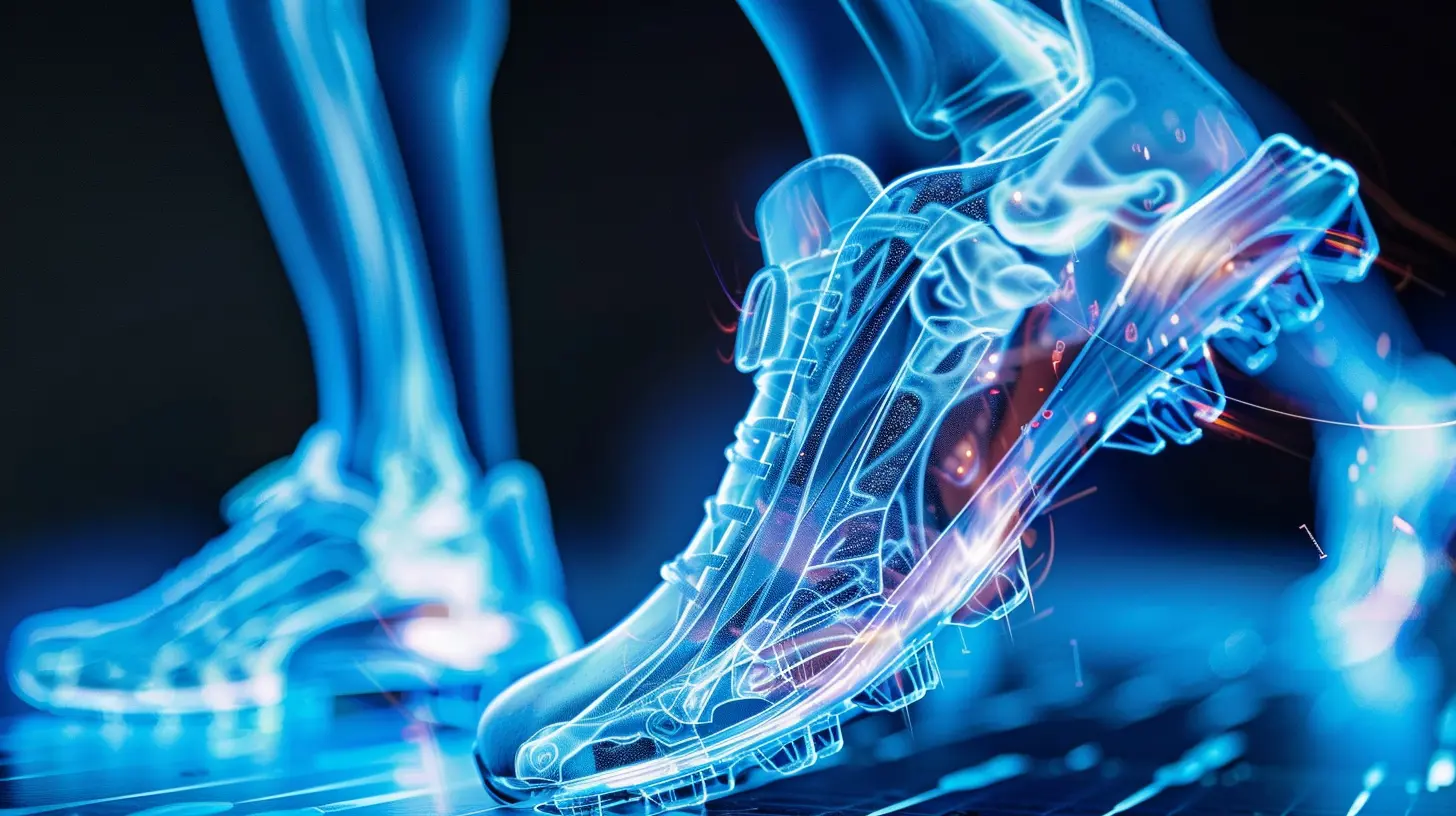
Common Causes of Poor Biomechanics
So, what causes bad movement patterns in the first place? While some people are born with slight structural imbalances, for most of us, bad habits and lifestyle choices are the real culprits.1. Poor Posture
Sitting slouched at your desk all day? That’s a one-way ticket to bad biomechanics. Poor posture leads to muscle imbalances, back pain, and even joint wear and tear over time.2. Lack of Mobility and Flexibility
Tight muscles limit your range of motion, forcing other muscles to compensate. This overcompensation can lead to strains, sprains, and chronic pain.3. Muscle Weakness or Imbalance
When one muscle group is significantly stronger than another, your body starts to move in ways it's not supposed to. For example, weak glutes can lead to knee issues because your quads and hamstrings have to work overtime.4. Improper Training Techniques
Lifting weights with bad form? Running with poor stride mechanics? These mistakes catch up with you eventually, leading to injuries and setbacks.5. Repetitive Movements
Doing the same movement over and over—whether in sports or daily life—can cause overuse injuries like tendonitis and stress fractures.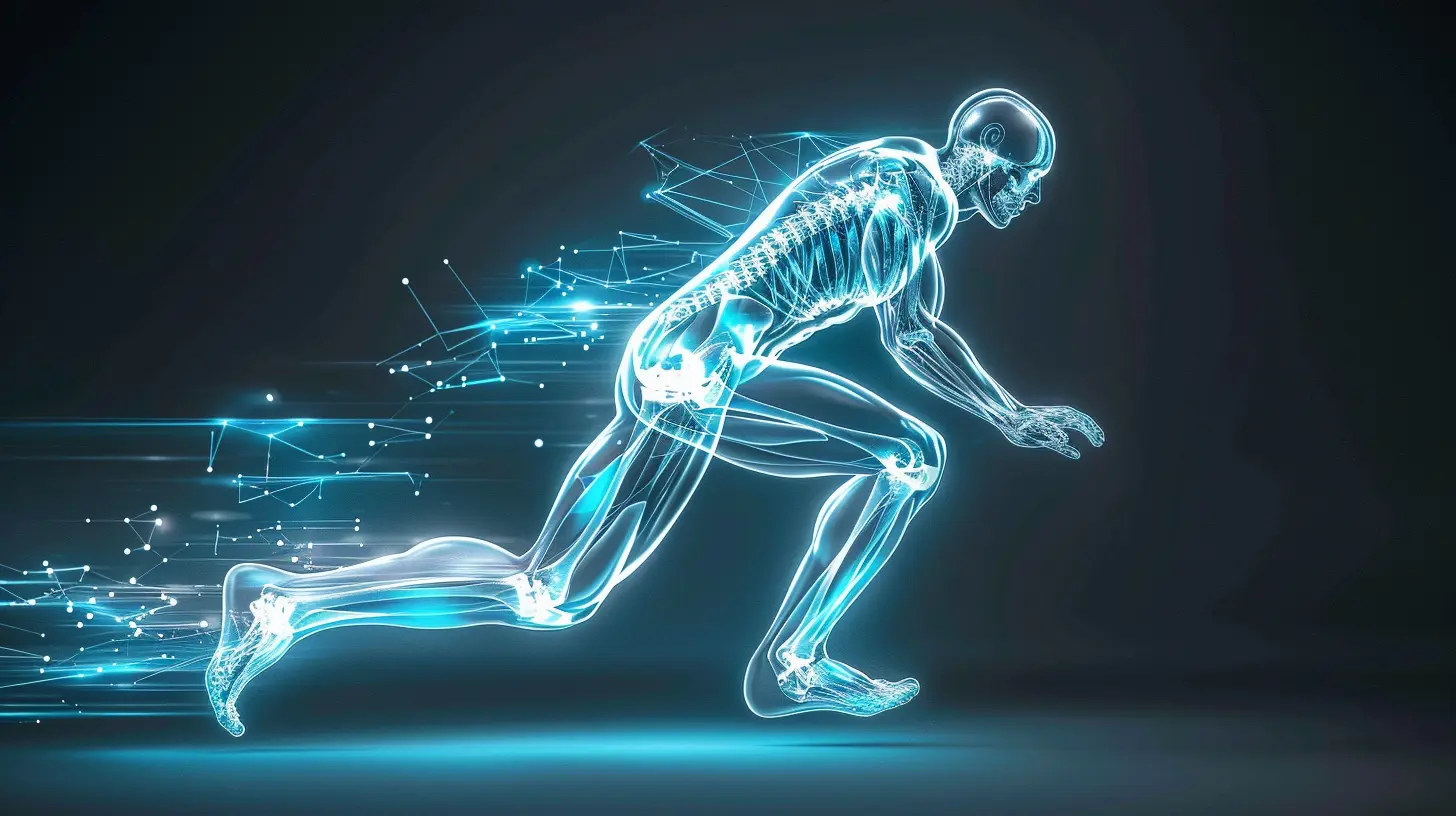
How to Improve Your Biomechanics and Prevent Injuries
Now that we know why biomechanics matter, let’s get into the good stuff—how to improve movement and keep yourself injury-free.1. Focus On Proper Posture
Good posture isn’t just about standing up straight—it’s about maintaining a neutral spine whether you’re sitting, standing, or moving. A strong core helps maintain posture, so exercises like planks, dead bugs, and bird dogs can be a game-changer.2. Improve Mobility and Flexibility
Tight muscles lead to restricted movement, which forces your body to compensate in unhealthy ways. Regular stretching and mobility exercises ensure your joints move freely, reducing the risk of injury.- Try dynamic stretching before workouts (like leg swings and arm circles).
- Do static stretching after workouts (holding stretches for 20-30 seconds).
- Incorporate foam rolling to release muscle tightness.
3. Strengthen the Right Muscles
Weak muscles contribute to poor movement. Focus on functional strength—exercises that mimic real-life movements.- Strengthen your core: It’s the foundation of all movement. Think planks, Russian twists, and deadlifts.
- Balance your training: If you work on your quads, don’t neglect your hamstrings. If you train chest, make sure to hit your back too.
- Stabilize weak areas: If you have knee pain, strengthening the hips and glutes can relieve strain on the knees.
4. Use Proper Form in Exercise and Daily Activities
Bad form in the gym isn’t just ineffective—it’s dangerous. If you’re unsure about your technique, consider working with a coach or using a mirror to check your posture. Even in daily activities like lifting groceries or bending to tie your shoes, moving correctly can save you from injuries.5. Wear the Right Footwear
Your shoes influence your biomechanics more than you think. Worn-out or improper footwear can lead to bad posture, knee pain, and even back problems. Invest in supportive shoes that match your activity and foot structure.6. Listen to Your Body
Pain isn’t weakness leaving the body—it’s your body telling you something is off. If something hurts, don’t push through it. Rest, assess, and adjust before it turns into a bigger injury.The Role of Professional Help
If you struggle with chronic pain or recurring injuries, getting professional guidance is a smart move. A physical therapist or sports biomechanist can analyze your movement patterns and help correct imbalances before they lead to bigger problems. They can provide:- Gait analysis to assess walking/running posture.
- Movement assessments to pinpoint weaknesses.
- Customized exercise programs to correct imbalances.
Final Thoughts
Biomechanics is the unsung hero of injury prevention. Moving correctly might seem like a small thing, but it can mean the difference between crushing your workouts or being sidelined with chronic pain. By focusing on posture, mobility, strength, and proper technique, you can keep your body running smoothly for years to come.So, next time you hit the gym or go for a run, pay attention to how you move. Your future injury-free self will thank you!
all images in this post were generated using AI tools
Category:
Sports MedicineAuthor:
Preston Wilkins
Discussion
rate this article
2 comments
Sarah McVey
Sure, mastering biomechanics sounds fancy, but let’s be real: if you think avoiding injuries is as simple as perfecting your pose, you might want to rethink your life choices. It takes more than just good moves to dodge the sidelines. Get your game together, people!
December 11, 2025 at 11:29 AM
Preston Wilkins
I appreciate your perspective! While proper movement is crucial, it's just one piece of the puzzle. Injury prevention involves a holistic approach, including strength, conditioning, and awareness. Let's keep the conversation going!
Elwynn McKale
Great article! Understanding biomechanics is so essential—proper movement really can make all the difference in injury prevention. Keep sharing this knowledge!
December 2, 2025 at 4:58 AM
Preston Wilkins
Thank you for your kind words! I'm glad you found the article helpful. Proper movement is indeed crucial for injury prevention. Stay tuned for more insights!