Best Gear for Cross-Country Skiing Adventures
23 January 2026
Cross-country skiing is like a winter escape that doubles as a full-body workout. It's peaceful, exhilarating, and kind of magical when you're gliding across a fresh blanket of snow with nothing but the sound of your skis slicing through the powder. But here's the deal—you won't enjoy it much without the right gear. Whether you're a weekend adventurer or a die-hard winter warrior, having the best gear for cross-country skiing makes all the difference between an epic adventure and a cold, soggy mess.
In this guide, we’re diving into everything you need to hit the trails in style and comfort—from skis and poles to those sneaky little extras that’ll keep you warm and grinning mile after mile.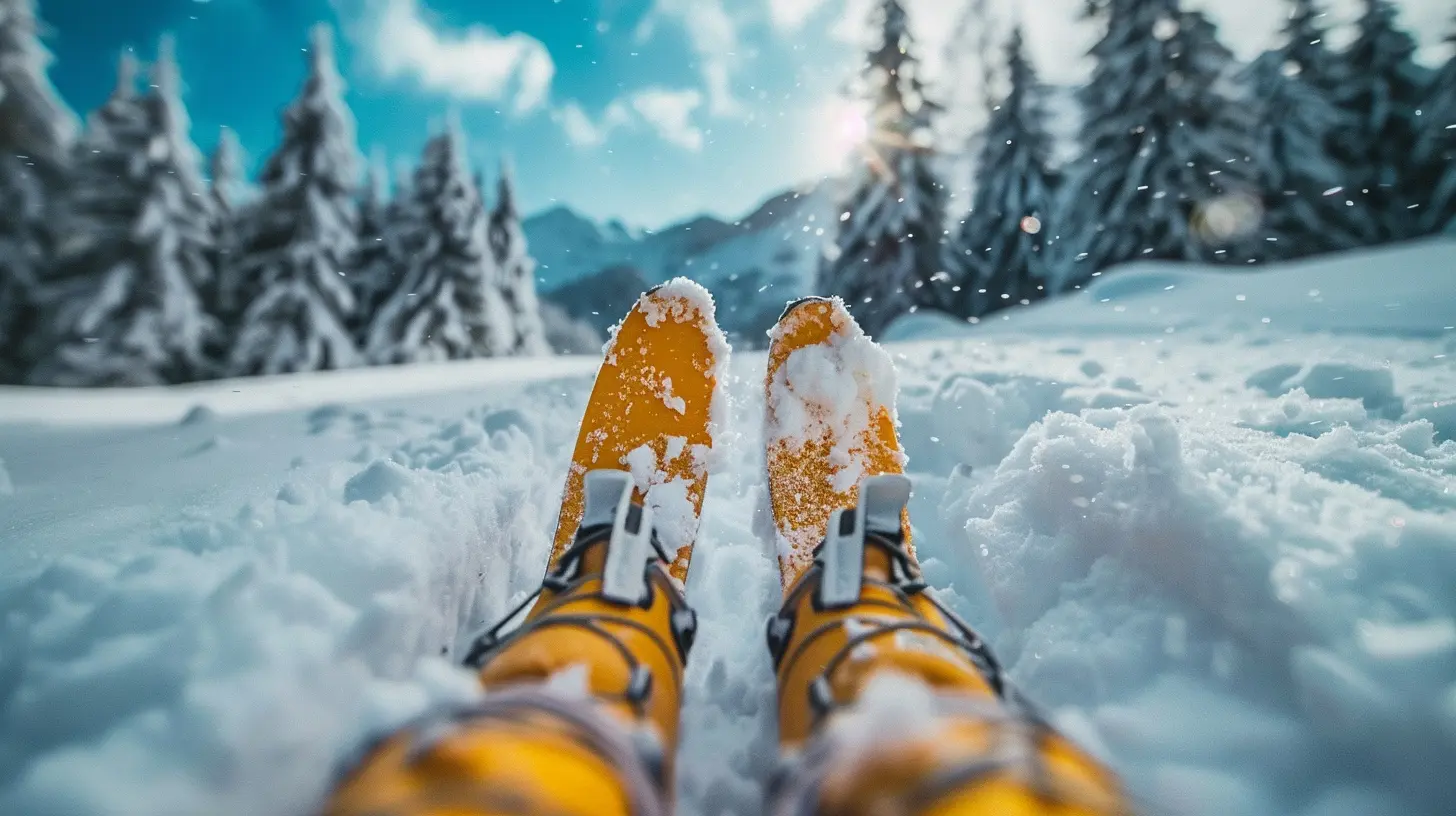
Why the Right Gear Matters (Seriously)
We get it. You might be tempted to grab an old pair of skis from the garage and layer up in whatever winter clothes you’ve got. But cross-country skiing is its own beast, and it demands gear that’s light, breathable, and designed for movement. Unlike downhill skiing, you're powering yourself across varying terrain—uphill, downhill, and everything in between. So yeah, you sweat, a lot.Having the proper gear isn’t just about comfort—it’s about performance, safety, and, honestly, sanity. Trust me, nothing ruins a day faster than soggy socks or blisters from boots that don’t fit right.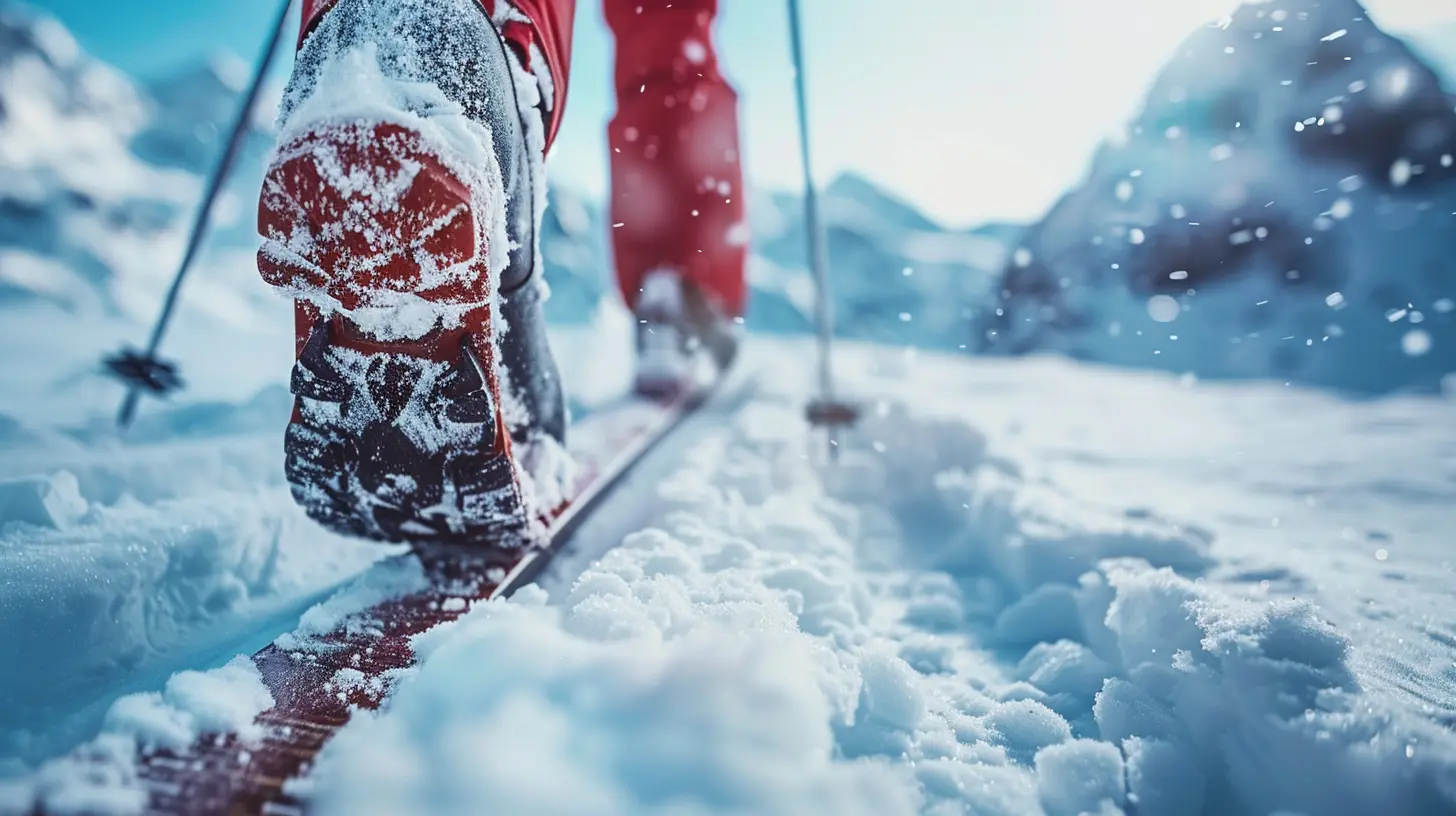
The Must-Have Gear for Cross-Country Skiing
Let’s break it all down so you know exactly what to pack (and what to leave behind).1. Cross-Country Skis: The Heart of the Ride
Not all skis are created equal. In cross-country skiing, the type of ski you pick depends on the terrain and your skiing style.Types of Skis:
- Classic Skis – These are great for groomed trails and mimic a walking or gliding motion. They're longer and narrower.- Skate Skis – Designed for a skating motion, these are shorter and stiffer. Ideal for speed and racing on firm snow.
- Backcountry Skis – Wider with metal edges, built for off-trail adventures and deep snow.
👉 Pro Tip: Go for waxless skis if you’re just getting started. They require less maintenance and deliver decent grip on most trails.
2. Boots: Comfort is King
Imagine hiking all day in stiff, ill-fitting boots. Not fun, right? That’s why cross-country ski boots are a big deal.Look for:
- Warmth without bulk
- Good ankle support
- Compatibility with your ski bindings (NNN and SNS are the common systems—don’t mix and match!)
Try them on with ski socks to get the best fit. And remember, your toes need room to wiggle!
3. Bindings: The Missing Link
Bindings connect your boots to your skis, and the fit must be just right. They come in two main styles:- NNN (New Nordic Norm)
- SNS (Salomon Nordic System)
Make sure your boots and bindings match—this isn't the time to "wing it."
If you're mostly trail skiing, basic bindings will do the job. But for backcountry, consider step-in bindings with better traction and durability.
4. Poles: Your Balance & Power Tools
Ski poles help you stay balanced and push forward. The correct length depends on your skiing style.- Classic Skiing – Poles should reach your armpits.
- Skate Skiing – Go for poles that hit your chin or nose.
Look for lightweight materials like carbon or aluminum. And don't forget comfy grips and adjustable straps—you’ll be using these a lot!
5. Clothing: Dress Like an Onion (Layers, Layers, Layers)
Cross-country skiing heats you up fast, so ditch the bulky ski jacket. Instead, think: breathable, moisture-wicking, and layer-friendly.Layer Breakdown:
- Base Layer: Merino wool or synthetic—avoid cotton like the plague. It stays wet and will chill you to the bone.- Mid Layer: Fleece or light insulation for warmth.
- Outer Layer: Windproof and water-resistant jacket and pants.
Don’t forget:
- Thin gloves (plus a backup pair)
- Neck gaiter or Buff
- Lightweight hat or headband
- Sunglasses or goggles to fight glare and wind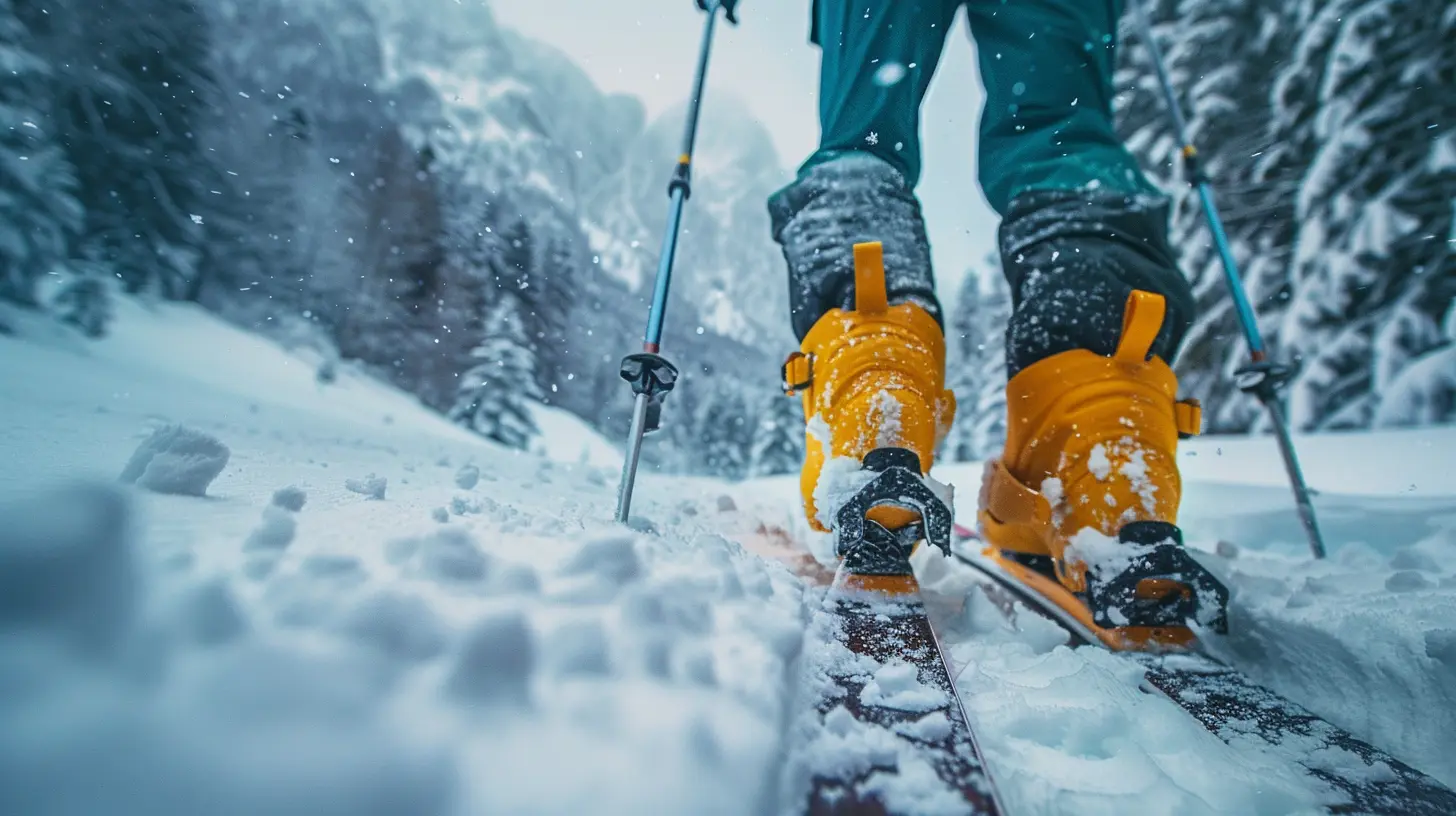
Accessories That Make Life Easier (and Warmer)
Sometimes it’s the little things that make or break your day. Here are a few extras that are seriously worth the space in your pack:6. Ski Socks
Warm, breathable, snug—but not too tight. Wool blends are the gold standard here.7. Gaiters
If you're going off-trail or into deep powder, gaiters keep snow from creeping into your boots. Trust me, they’re lifesavers.8. Hydration Pack
You’re working hard out there—you’ll sweat, even if it’s freezing. A Camelbak or insulated water bottle keeps hydration handy and unfrozen.9. Trail Map & GPS
Don’t rely solely on phone signal (it’s flaky in the backcountry). A good map or GPS device ensures you don’t end up skiing in circles.10. First Aid Kit & Emergency Gear
Pack light, but smart. Bandages, blister pads, a mini multitool, and maybe even an emergency blanket. Better safe than sorry, right?
Choosing the Right Gear for Your Adventure
It’s not one-size-fits-all when it comes to cross-country ski gear. Let’s quickly match the gear to your adventure type:| Adventure Type | Ideal Gear |
|-----------------------|--------------------------------------------|
| Groomed Trails | Classic skis, light boots, basic poles |
| Racing / Skating Style| Skate skis, stiff boots, longer poles |
| Backcountry Trekking | Wider skis, metal edges, tougher boots |
| Family Fun Outing | Waxless skis, comfy boots, easy bindings |
Brands Worth Checking Out
While we’re not playing favorites, some brands consistently deliver on quality and comfort. Keep an eye out for:- Fischer – Great for both beginners and pros
- Salomon – Known for boots and bindings
- Rossignol – Durable skis with good performance
- Madshus – Lighter weight gear, excellent for speed
Ultimately, it’s not about having the most expensive gear—it’s about getting gear that fits your body and your skiing goals.
How to Maintain Your Gear Like a Pro
You’ve invested in your gear—now let’s keep it in good shape.- Dry everything after use, especially boots and gloves
- Store skis properly—flat and in a cool, dry place
- Wax skis regularly to maintain glide and grip
- Check bindings at the beginning of the season
A little love goes a long way in making your gear last.
Tips for First-Timers
Hey, we’ve all been there—face planting into the snow, huffing up that first hill, wondering why this looked so easy on YouTube. Here’s a few tips for your first few outings:- Don’t overdress. You’ll warm up fast.
- Practice your falling technique (trust me, it’ll happen).
- Start on flat or gently rolling terrain.
- Take breaks and enjoy the scenery. It’s not a race (unless it is).
- Smile—it makes falling funnier and climbing easier.
Wrapping It Up: Gear Up and Get Out There!
Cross-country skiing is one of those rare sports that blends adventure, tranquility, and cardio all in one. But the secret sauce? Having the right gear.From the right type of skis to warm boots, breathable clothing, and those all-important accessories, every piece plays a role in keeping you warm, safe, and energized out on the trail.
So before you hit the snow, take a minute. Check that your gear fits, your boots are snug, and your layers are on point. Once you’re dialed in, you’ll be surprised how far—and how fast—you can glide.
Ready to make the most of your winter? Gear up, grab your poles, and start making tracks.
all images in this post were generated using AI tools
Category:
Sports EquipmentAuthor:

Preston Wilkins
Discussion
rate this article
2 comments
Rusty McIlroy
Cross-country skiing combines endurance with technique, so investing in quality gear—like lightweight skis, durable boots, and moisture-wicking layers—is essential. Proper equipment enhances performance and comfort, turning every adventure into a memorable experience on the trails.
February 22, 2026 at 1:28 PM
Preston Wilkins
Absolutely! Quality gear is key to maximizing both performance and enjoyment on the trails. Investing wisely in lightweight skis, durable boots, and moisture-wicking layers will truly enhance your cross-country skiing experience. Happy skiing!
Cerys McCarron
If you want to elevate your cross-country skiing experience, investing in high-quality gear is essential. From durable skis to moisture-wicking layers, the right equipment can significantly enhance performance and enjoyment. Don't compromise; gear up properly and embrace every adventure with confidence and style!
January 29, 2026 at 3:16 AM
Preston Wilkins
Absolutely! Quality gear makes all the difference in performance and enjoyment on the trails. Happy skiing!