The Psychology Behind a Great MMA Comeback
30 January 2026
Mixed Martial Arts (MMA) is one of the most unpredictable and unforgiving sports in the world. Fighters train for years, sharpening their skills, only to be knocked down in a moment's notice. But what separates the legends from the rest? The ability to stage an epic comeback.
A great MMA comeback isn’t just about physical resilience—it’s deeply psychological. Fighters must overcome fear, doubt, and pain to rise again. But what exactly goes on inside a fighter's mind when they claw their way back from defeat? Let’s break it down.

Mental Resilience: The Foundation of a Comeback
If there's one trait that defines a great comeback, it's mental resilience. Losing a fight, especially in devastating fashion, can leave a fighter demoralized. Some never fully recover from a brutal knockout or a submission loss. Others, however, use it as motivation to get better.The difference? Mindset. Fighters who stage successful comebacks tend to have:
- Unshakable self-belief – They trust in their abilities even when the world doubts them.
- A growth mentality – They see losses as learning opportunities, not as failures.
- Emotional control – They don’t let frustration or fear dictate their actions.
Ever heard of Georges St-Pierre? After his shocking loss to Matt Serra, many thought his career would never be the same. But instead of letting the defeat define him, GSP went back to the drawing board, refined his skills, and came back stronger than ever. That loss became the fuel for his dominant reign as a champion.
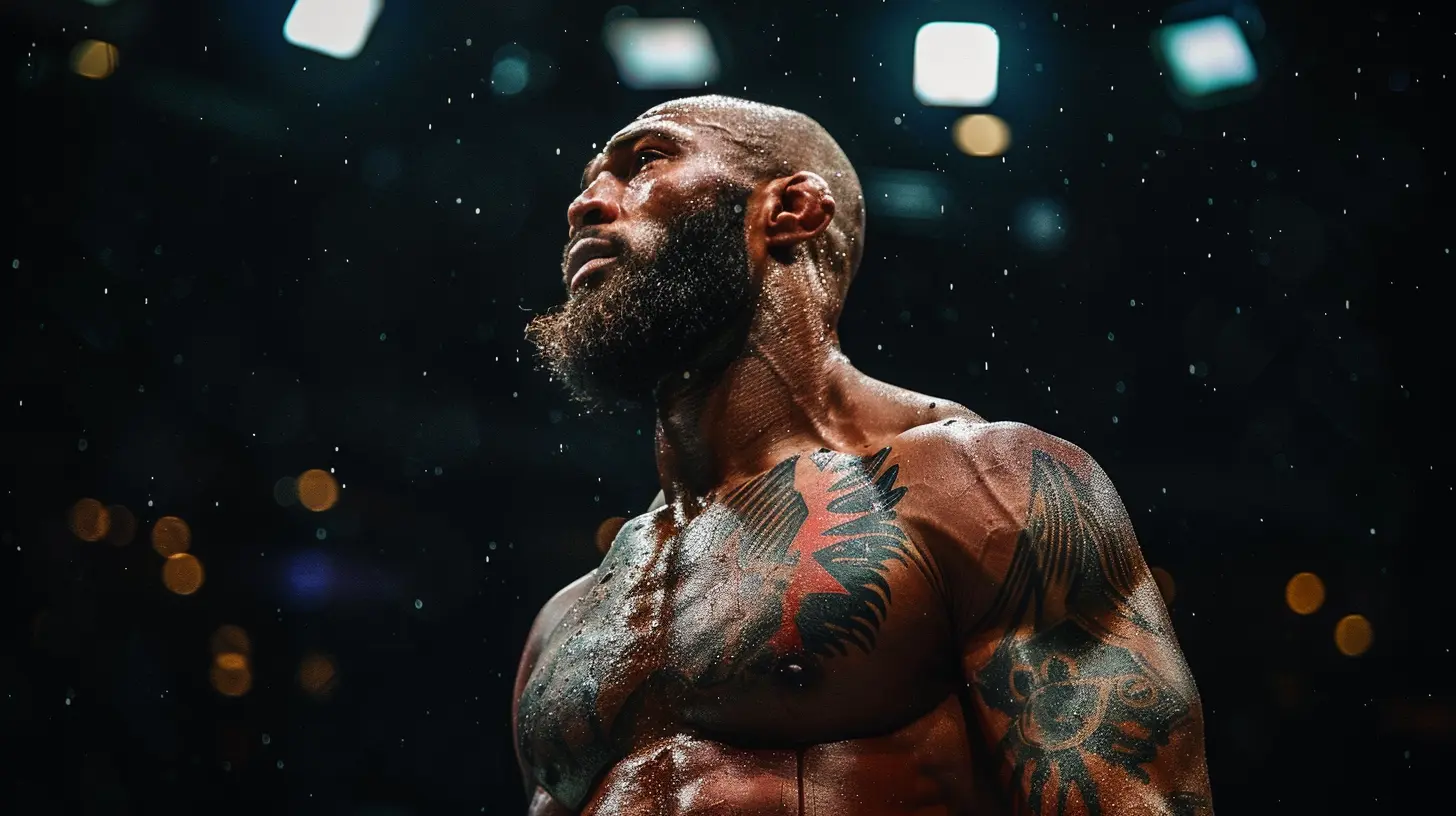
Overcoming Fear and Doubt
One of the biggest enemies of a fighter after a tough loss is self-doubt. The fear of getting knocked out again, the haunting memory of a previous mistake—it can cripple even the most gifted athletes.Psychologists call this performance anxiety, and it’s common in all sports. Fighters need to retrain their brains to focus on the present moment rather than dwelling on past failures.
- Visualization techniques – Many fighters combat fear by mentally rehearsing their success in the cage.
- Positive self-talk – Negative thoughts like "What if I lose again?" are replaced with "I’ve put in the work. I’m ready."
- Controlled exposure – Some fighters deliberately put themselves in uncomfortable situations during training to desensitize fear.
Look at Dominick Cruz. The former UFC bantamweight champion suffered multiple injuries that kept him out of the sport for years. He could’ve given up, but he refused to let fear dictate his future. When he made his triumphant return, he didn’t just fight—he reclaimed his title.

The Role of Coaches and Support Systems
No fighter stages a comeback alone. Behind every great redemption story is a solid support system—coaches, teammates, and family who refuse to let them quit.A great coach not only refines skills but also rebuilds confidence. They remind fighters of their strengths, keep training structured, and reinforce a winning mindset.
- Accountability – Coaches hold fighters to high standards, ensuring they don’t slack off after a loss.
- Tactical adjustments – They analyze past defeats and tweak game plans to fix weaknesses.
- Emotional support – Sometimes, fighters just need someone to remind them of who they are.
When Michael Bisping suffered numerous setbacks in his career, many wrote him off. But his coaches and training partners never let him stop believing. Years later, he got his shot at the UFC title on short notice—and shocked the world by winning.

Harnessing Pressure and Turning It Into Fuel
Pressure can break fighters, but it can also forge them. Some of the greatest comebacks in MMA history happened because fighters performed better under pressure.Think about the moments when legends were counted out—when their careers were on the line. Instead of folding, they used the doubt as motivation.
- Embracing the underdog mentality – Many fighters thrive when they have nothing to lose. They fight freely, taking risks they otherwise wouldn’t.
- Finding purpose in adversity – Fighters who make a comeback often have a bigger "why" beyond just personal glory. It could be proving doubters wrong, making history, or inspiring others.
- Using past failures as fuel – Instead of fearing another loss, they remind themselves how much they’ve already overcome.
Take Anderson Silva. After suffering back-to-back losses and a horrific leg injury, most thought he was done. But he refused to let his career end like that. He fought on, determined to leave the sport on his own terms, showing that warriors don’t just quit.
The Science of Grit: Why Some Fighters Never Give Up
Psychologists have a term for the never-give-up attitude that defines great MMA comebacks: grit. It’s the combination of passion and perseverance that keeps fighters going, even when everything seems stacked against them.Fighters like Nate Diaz epitomize grit. He’s been in wars, suffered losses, but never backed down. He keeps pushing forward, outlasting opponents who break under pressure.
So, what makes some fighters grittier than others?
- Intrinsic motivation – They fight because they love it, not just for fame or money.
- Optimism – They truly believe that no matter how many times they fall, they can rise again.
- Resilience training – They put themselves through insane workouts that condition their minds to endure hardship.
It’s no coincidence that some of the most memorable fights in history involve fighters who simply refused to quit.
Conclusion: The Mind is the Ultimate Weapon
In MMA, physical skills will only take a fighter so far. The truly great ones—the ones who stage legendary comebacks—have something deeper.They train their minds the same way they train their bodies. They embrace failure as part of the journey, use adversity as motivation, and never let fear dictate their future.
At the end of the day, a comeback isn't just about winning a fight. It’s about proving to yourself that you can stand back up, no matter how many times you fall. And in life, just like in MMA, that’s what truly separates champions from the rest.
all images in this post were generated using AI tools
Category:
MmaAuthor:

Preston Wilkins
Discussion
rate this article
2 comments
Owen Franklin
Great insights! Understanding the mental resilience in comebacks truly captures the spirit of MMA.
February 28, 2026 at 3:26 AM
Preston Wilkins
Thank you! I'm glad you found the insights valuable. Mental resilience is indeed key to those unforgettable comebacks in MMA!
Reina McAdoo
Turns out, the secret to a great MMA comeback isn’t just training hard—it’s also having a therapist on speed dial!
February 3, 2026 at 11:53 AM
Preston Wilkins
Absolutely! Mental resilience is just as crucial as physical training in achieving a successful comeback. A strong support system can make all the difference.