Are We Set for a New Golden State in College Football 2026?
24 September 2026
The phrase "Golden State" usually points to California, and in college football terms it once pointed to a West Coast power base that produced national champions, Heisman winners, and a style of play that felt distinct from the rest of the country. That era faded. USC and UCLA went through long stretches of irrelevance. The Pac-12 dissolved. For a while, the state that gave the sport John McKay, Marcus Allen, and Reggie Bush looked like a museum piece.
Then the ground shifted. Lincoln Riley took over at USC in late 2021 and immediately pulled a quarterback out of Oklahoma with him. UCLA hired a defensive-minded coach with NFL pedigree. The Big Ten absorbed both programs. NIL money started flowing through Los Angeles like venture capital. And the 2026 season, the first with a fully expanded 12-team playoff and a settled conference map, could be the year California stops being a punchline and starts being a problem for everyone else.
But is that actually where this is heading? Or are we confusing a few splashy headlines with a real structural shift? The honest answer is that several things would have to break right at the same time, and a few things that have been breaking wrong would need to reverse. Let me walk through the case for and against a California resurgence, and what it would actually take.
What "Golden State" Means in This Context
Before going further, it helps to define the claim. A "new Golden State" does not mean one team winning a title. It means the state's major programs collectively matter again: competing for conference championships, producing first-round NFL talent at scale, winning marquee non-conference games, and dictating recruiting in their own backyard instead of watching SEC and Big Ten schools fly in and take whoever they want.That is a high bar. California has produced more blue-chip football recruits than any other state for decades. The problem was never talent supply. The problem was that the talent kept leaving. If the state's flagship programs can retain even a modestly higher share of that talent, the downstream effects on standings, playoff seeding, and national perception compound quickly.
The Case For a California Resurgence
There are real reasons to think the 2026 season is a genuine inflection point rather than wishful thinking.The Playoff Format Rewards Depth, Not Just Dominance
The 12-team bracket changes the math for everyone. Under the four-team model, a program like USC or UCLA needed to be nearly perfect to make the field. One September loss could end the season. Now, a two-loss team from a power conference has a realistic path. That matters enormously for programs that are talented but not yet machine-like.For California schools, this lowers the risk of scheduling aggressively. A tough non-conference game is no longer a near-certain playoff killer. It is a resume builder. That changes coaching incentives in a way that favors teams willing to test themselves.
The Big Ten Move Is a Recruiting Weapon
USC and UCLA now play in the same conference as Ohio State, Michigan, Penn State, and Oregon. That sounds like a downside, and in the short term it is. But it also means every home game against a Big Ten opponent is a national television event with Midwest and East Coast eyeballs. For a recruit in Georgia or Texas, a November game at the Coliseum against a Big Ten power is more visible than a Pac-12 after-dark kickoff ever was.The trade-off is brutal travel. Cross-country road trips in consecutive weeks wear on players and staff. Programs that manage the logistics well, with chartered flights, adjusted practice schedules, and careful bye-week planning, will have an edge. Programs that treat it like a normal conference schedule will get worn down by November.
NIL and the Los Angeles Market
Los Angeles is the largest media market in the country and a global entertainment hub. That creates NIL opportunities that are difficult to replicate in Tuscaloosa or Clemson. A quarterback at USC can sign deals with brands that have nothing to do with football. A defensive lineman at UCLA can build a personal brand through entertainment and lifestyle partnerships.This is a real advantage, but it is not automatic. NIL collectives require organization, fundraising discipline, and compliance savvy. A big market with a poorly run collective is worse than a small market with a well-run one. The market is the ceiling, not the floor.
The Case Against: What Could Still Go Wrong
Skepticism is warranted, and not just because California programs have disappointed before.Roster Retention Is Still Unsolved
The transfer portal cuts both ways. California schools can now poach players from other regions. But they can also lose their own. If a five-star receiver has a mediocre freshman year at USC, there is nothing stopping a program in his home state from offering a fresh start with a bigger NIL package. Depth, the thing that separates good teams from great ones, is harder to build when your third-stringers are being recruited away every December.The programs that handle this best are the ones that treat roster management like a professional front office. They evaluate the portal constantly, they have honest conversations with players about roles, and they do not panic-sign replacements. This is an operational skill, not a talent advantage, and it takes years to develop.
The Coaching Carousel Never Stops
California's biggest programs have cycled through coaches at a rate that makes stability nearly impossible. Every new staff means new schemes, new recruiting relationships, and a two-year rebuild. If either USC or UCLA makes another change before 2026, the timeline for a resurgence gets pushed back again.Stability matters more than almost anything else in college football. Nick Saban's dynasty was built on 17 years in one place. Dabo Swinney took over at Clemson in 2008 and is still there. The correlation between coaching tenure and sustained success is not a coincidence. It is the whole game.
The Transfer Portal and the NFL Draft Are Draining Talent
California produces so much high school talent that even a successful retention effort leaves a lot on the table. The state's best players will always have options. The question is whether the in-state programs can convince enough of them that staying home is the best developmental and financial decision. That pitch is stronger when the team is winning. It is weaker when the team is 7-5 and the coach is on the hot seat.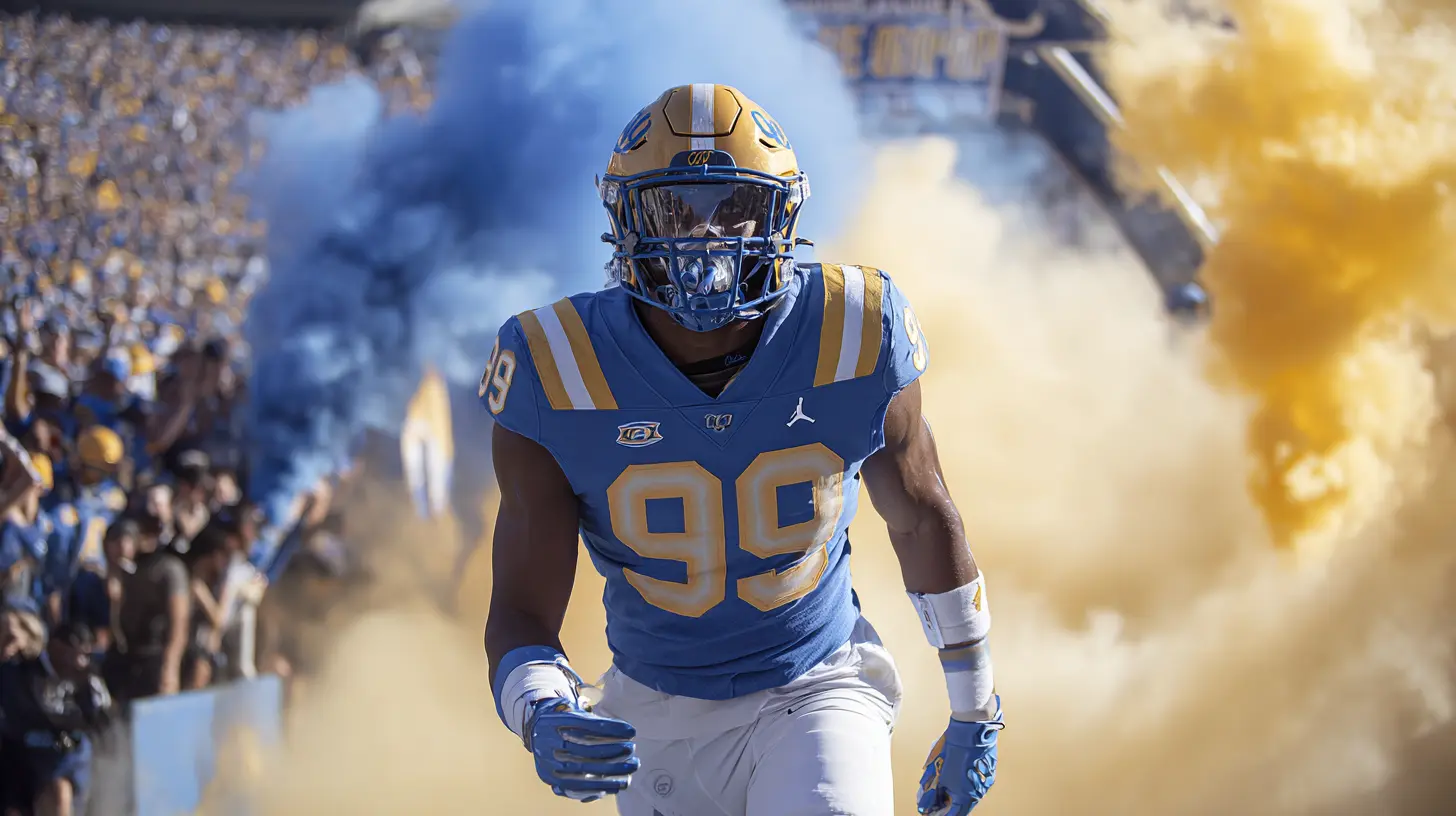
What a Real Golden State Would Look Like in 2026
Let me get specific, because vague optimism is useless.A genuine California resurgence in 2026 would probably include some combination of the following:
- At least two California programs ranked in the top 15 in the preseason AP poll.
- A combined record against Big Ten opponents of .500 or better.
- At least one California team hosting a first-round playoff game.
- Three or more California players taken in the first round of the 2027 NFL Draft.
- A top-five recruiting class signed by at least one in-state program.
None of these are guarantees. But they are measurable. If two or three of them happen, the narrative shifts. If four or five happen, we are talking about a real trend.
The Recruiting Math That Actually Matters
Here is where I want to push back on the lazy version of this conversation. People say "California produces so much talent" and stop there. That is not analysis. The real question is: what percentage of that talent is staying, and what would it take to move that number?Let me put it in practical terms. Suppose California produces roughly 30 blue-chip recruits in a given year, which is a reasonable ballpark based on historical trends. If in-state programs sign 10 of them, that is a third. If they sign 15, that is half. The difference between those two scenarios is enormous. It is the difference between a good team and a national contender.
To get from 10 to 15, you need three things: winning, money, and relationships. Winning is obvious. Money is NIL. Relationships are the slow part. High school coaches in California have long memories. They remember which college staffs showed up, which ones called, and which ones treated their players like afterthoughts. Rebuilding those relationships takes years of consistent effort, not a single spring visit.
Common Mistakes Programs Make When Chasing a Turnaround
If you are running a California program, or just following one closely, here are the traps that derail these efforts.Mistake 1: Overpaying for a Single Recruit
A massive NIL deal for one five-star player can create resentment in the locker room and distort the salary structure for everyone else. The best programs pay for depth, not headlines. A roster full of solid four-stars who develop into NFL players beats a roster with one transcendent talent and a bunch of holes.Mistake 2: Ignoring the Offensive Line
Skill position players get the attention. Games are won in the trenches. California has historically produced excellent offensive linemen, but the in-state programs have not always prioritized them. If you cannot protect the quarterback and cannot run the ball in short-yardage situations, none of the flash matters.Mistake 3: Treating the Portal as a Quick Fix
The portal is a tool, not a strategy. Programs that rely on it to fill starting roles every year never develop the continuity that winning teams need. The best use of the portal is to plug specific holes, not to rebuild a roster from scratch.Mistake 4: Scheduling Soft
This is a subtle one. Beating up on weaker non-conference opponents inflates the win total but does not prepare a team for conference play. It also does not impress the playoff committee. California programs should schedule at least one meaningful non-conference game every year. The risk is real, but so is the reward.What to Watch During the 2026 Season
If you want to track whether a real shift is happening, ignore the hype and watch these indicators.September non-conference results. If California teams go 4-0 or better against power-conference opponents in September, that is a signal.
October road performances. Cross-country trips in the Big Ten are the hardest logistical test. Watch how teams look in the fourth quarter of those games.
November recruiting commitments. The early signing period is in December. If California programs are closing on blue-chip in-state recruits in November, that means the on-field product is selling.
Portal retention in December and January. This is the quiet indicator. If key contributors are staying, the culture is working. If they are leaving, it is not.
The Broader Question: Does Geography Still Matter?
There is a version of this conversation that says geography is dead. With the portal, NIL, and a national playoff, location is just a logistics detail. I do not buy that entirely. Geography still shapes recruiting relationships, travel fatigue, and fan engagement. But it matters less than it used to.That is actually good news for California. The state's natural advantages, weather, media market, talent density, are more portable than ever. A recruit in Texas can now be pitched on Los Angeles without ever visiting. A transfer from the Midwest can be sold on the lifestyle. The barriers that used to protect regional powers have eroded, and that cuts both ways.
A Realistic Prediction
I am not going to pretend I know what happens in 2026. Nobody does. But here is my honest read.The pieces are in place for a meaningful California resurgence. The playoff format helps. The Big Ten move helps. The NIL market helps. But the operational stuff, roster retention, coaching stability, offensive line development, is where this gets decided. Programs that treat those as afterthoughts will waste the opportunity. Programs that treat them as the core of the job will be playing meaningful games in December.
A "new Golden State" is possible. It is not inevitable. And the difference between the two will be visible long before the 2026 season kicks off, in the quiet months of recruiting, retention, and staff building that nobody tweets about.
all images in this post were generated using AI tools
Category:
Season ExpectationsAuthor:

Preston Wilkins