Are Expansion Teams Ready to Compete in the NHL by 2026?
27 October 2026
The Vegas Golden Knights reached the Stanley Cup Final in their inaugural season. The Seattle Kraken won a playoff series in year two and became a legitimate contender shortly after. Those two results broke a decades-old assumption about NHL expansion: that new franchises must endure years of pain before they can compete. So when the league announced that a new team would begin play in Utah in 2024 and that further expansion talk continues to circulate, the natural question became whether the old model is dead. Are expansion teams ready to compete in the NHL by 2026?
The honest answer is more complicated than a simple yes or no. Expansion teams today are better positioned than at any point in league history, but "ready to compete" depends heavily on what you mean by the word. Ready to make the playoffs? Sometimes. Ready to win a championship within two or three seasons? Rarely, and only when several factors align. This article breaks down the mechanics of modern expansion, the structural advantages and hidden traps, and what a realistic timeline looks like for a franchise entering the league in the mid-2020s.
The Modern Expansion Playbook Has Changed
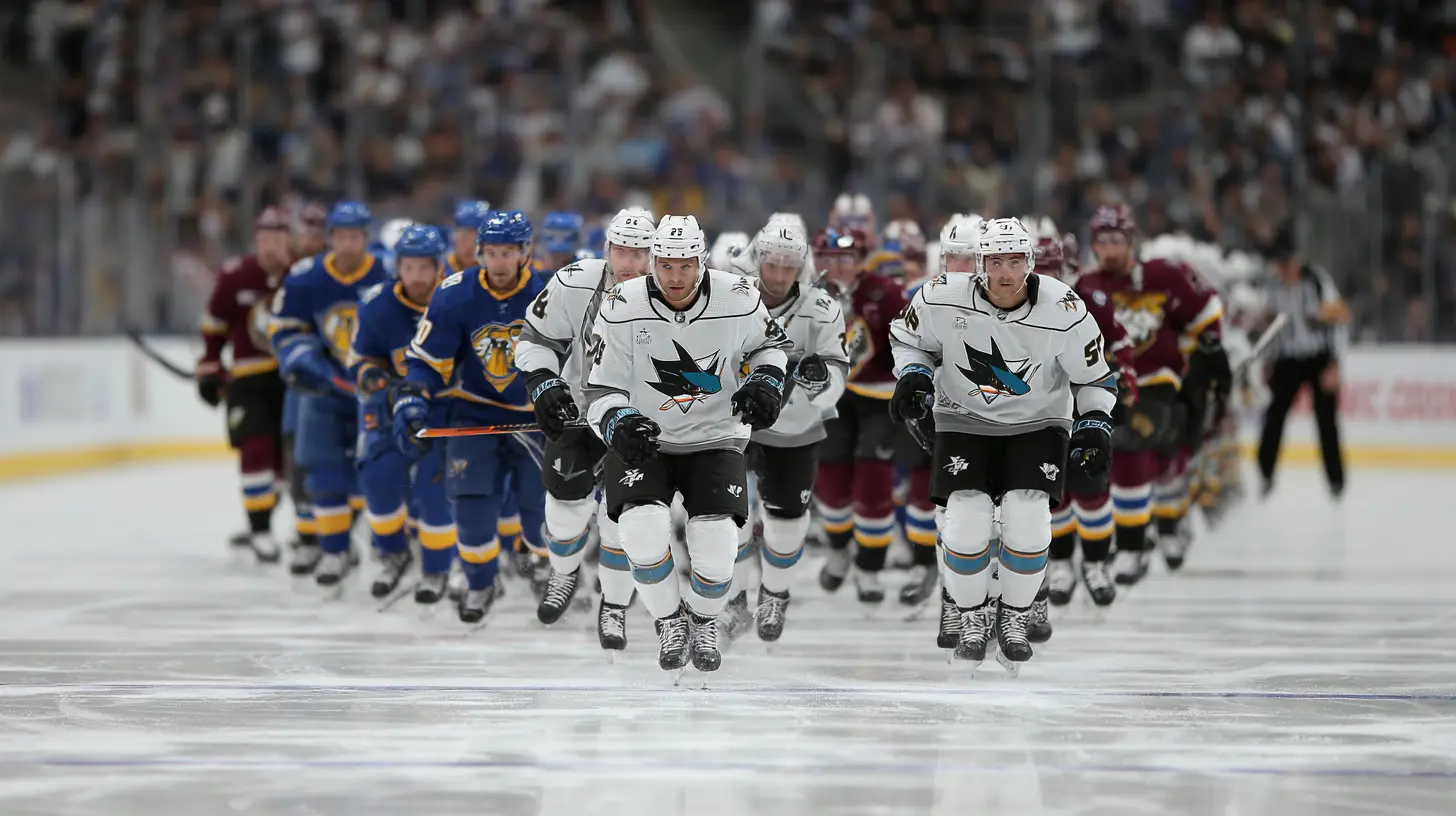
For most of NHL history, expansion teams were built to lose. The league protected established rosters aggressively, leaving new clubs with aging veterans, spare parts, and a thin pipeline of prospects. The 1970s expansions and the 1990s wave that added teams like the Tampa Bay Lightning and Ottawa Senators followed roughly this pattern. New teams absorbed years of losing while the league collected expansion fees and spread its footprint.The 2017 Vegas expansion changed the economics and the mechanics. The league designed an expansion draft in which existing teams could protect a limited number of players, and the Golden Knights exploited the rules with unusual discipline. Rather than simply taking the best player available from each team, Vegas general manager George McPhee made side deals: he agreed to select or avoid certain players in exchange for draft picks and prospects. The result was a roster deeper than anyone expected and a stockpile of future assets.
Seattle tried a similar approach in 2021 but made different choices, and the early results were more modest. That contrast matters. The modern expansion draft gives new teams a real chance to build a competitive roster on day one, but it does not guarantee it. The rules create opportunity; execution determines outcomes.
How the Expansion Draft Actually Works
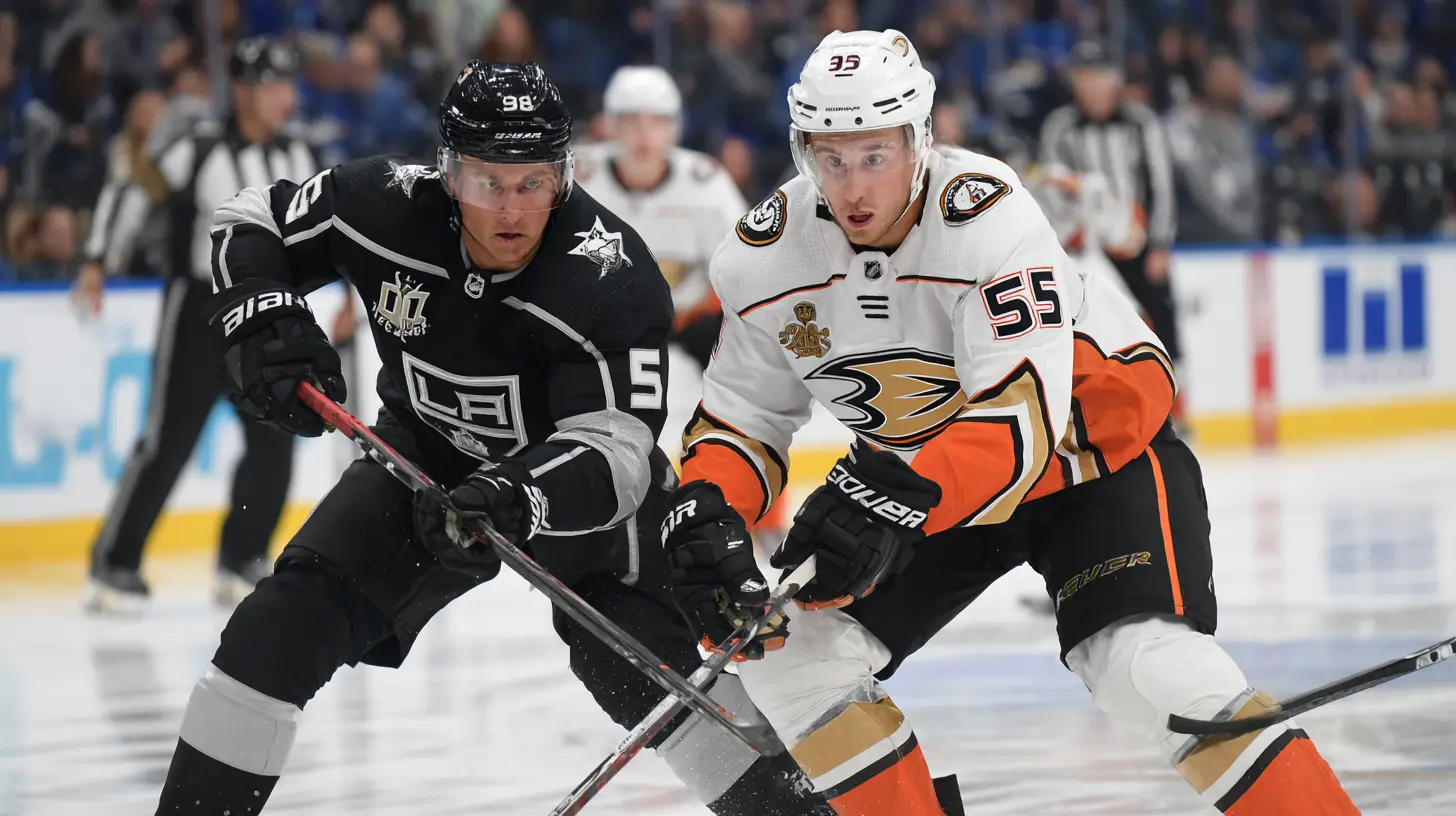
Understanding whether a 2026 expansion team can compete requires understanding the tool it will use to build its first roster. In the Vegas and Seattle drafts, each existing team could protect either seven forwards, three defensemen, and one goaltender, or eight skaters and one goaltender. First- and second-year professionals were exempt from selection, which protected most teams' best young prospects.The new team selected one player from each existing club, giving it a full roster immediately. That structure sounds generous, and in a sense it is. But the quality of what is available depends on how each existing team manages its protection list. Smart clubs will expose players they consider replaceable and protect core contributors. The expansion team gets a roster of useful middle-six forwards, second-pairing defensemen, and a goaltender or two, but rarely a true superstar.
This is where side deals become decisive. An existing team facing a protection crunch, with more quality players than protection slots, will often pay the expansion team to take a specific contract or leave a specific player alone. Those payments, usually draft picks or prospects, are how an expansion club accelerates its build. Vegas turned this dynamic into a pipeline of extra assets. Seattle was more conservative and ended up with a thinner base.
The lesson for a 2026 entrant is clear: the expansion draft is not just a player acquisition event. It is a negotiation, and the team that prepares the most detailed protection-list projections for all 32 existing clubs will extract the most value.
Why the Salary Cap Cuts Both Ways
One structural factor makes modern expansion genuinely favorable: the salary cap. Existing teams cannot protect every good player because they cannot afford to keep everyone. When a contender has a deep roster, it must let some players go, and the expansion draft is a convenient pressure valve. In a league without a hard cap, teams would simply retain all their talent and expose only marginal players. The cap forces real decisions, and those decisions create opportunity.The flip side is that expansion teams inherit real financial obligations. A new club must reach the salary floor, and the players available in an expansion draft often carry contracts that are fair but not bargains. Managing that cap space wisely is a competitive advantage. Teams that weaponize cap room, taking on a bad contract in exchange for a sweetener, can accelerate their rebuild. Teams that spend to the ceiling on mediocre veterans in year one often regret it by year three.
Consider the trade-off in practical terms. A new franchise can either build slowly through the draft and cap space, or it can push for immediate respectability by signing free agents. The first path is safer and usually produces a longer contention window. The second path generates early excitement and revenue but risks locking in a roster that is good enough to miss the playoffs in eighth place rather than bad enough to draft elite talent. There is no universally correct answer, but the choice should be deliberate rather than reactive.

The Vegas Exception and the Seattle Correction
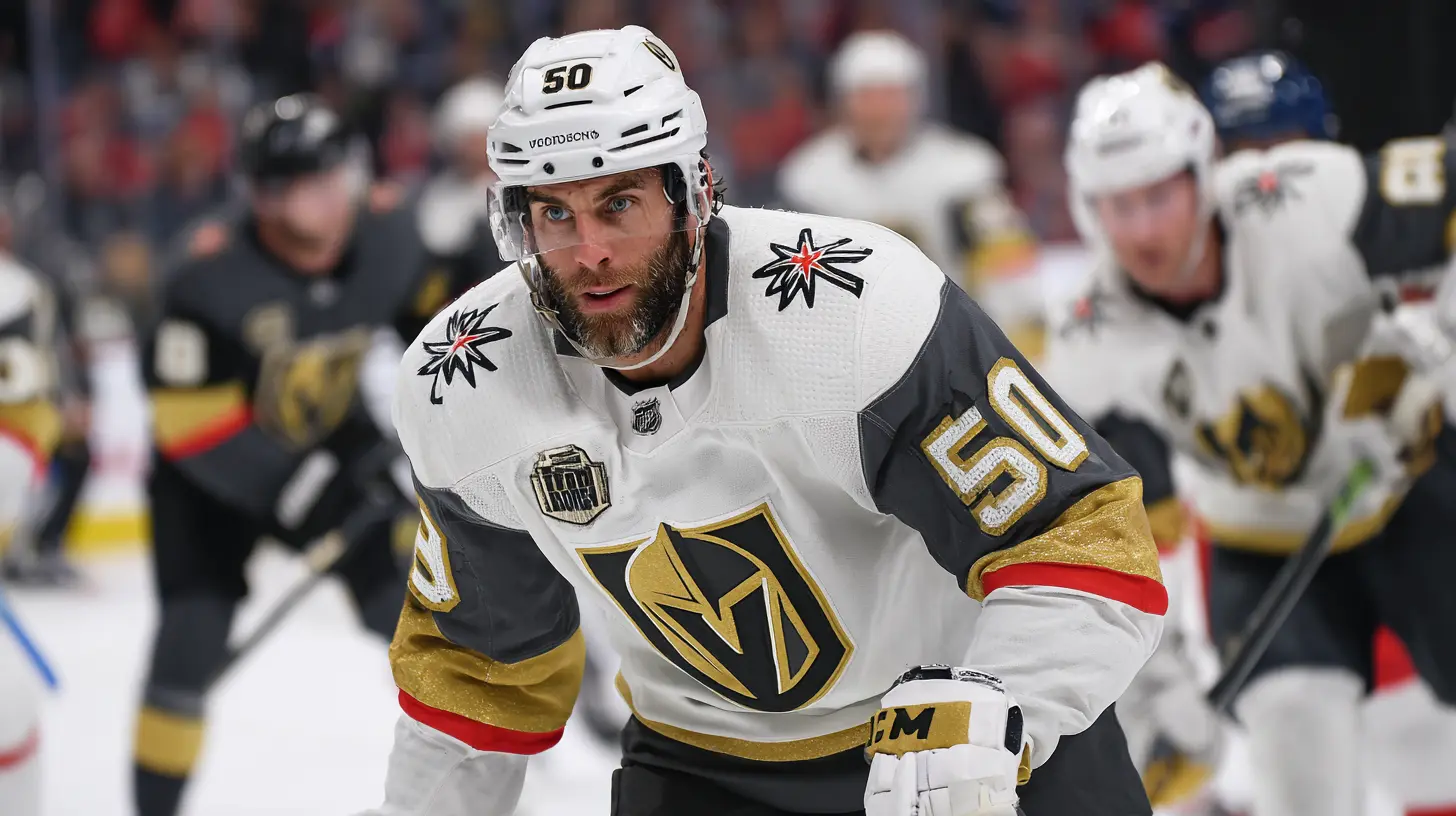
It is tempting to treat Vegas as proof that every expansion team can contend immediately. That reading is a mistake. Vegas benefited from a perfect storm: favorable rules in the first year they were applied, a front office that executed side deals brilliantly, a coach who installed an aggressive system that fit the roster, and a group of players with something to prove. Replicating all four conditions at once is rare.Seattle's experience is the more instructive case. The Kraken built a solid organizational foundation but assembled a roster short on high-end scoring. They missed the playoffs in year one, improved in year two, and then took a significant step forward as their prospect pipeline matured and management added impact players. That arc, roughly three seasons from expansion to genuine contention, is closer to the realistic baseline than Vegas's fairy tale.
The takeaway for a 2026 entrant is not to chase the Vegas outcome. It is to study why Vegas worked, separate the replicable elements from the luck, and build a plan that does not depend on everything breaking right.
What "Ready to Compete" Should Actually Mean
The phrase gets used loosely, so it is worth defining. For an expansion team, competing can mean three different things, each with its own timeline.Competing for a playoff spot is the most achievable goal. A well-built expansion roster with competent goaltending and a structured system can reach the postseason within one to three years. The margin for error is thin, but it is realistic.
Competing for a playoff series requires more high-end talent. Winning in the postseason demands players who can drive play against elite opposition, and those players are usually acquired through the draft or trades rather than the expansion draft. A realistic timeline is three to five years.
Competing for a championship requires a genuine core of stars, depth, cap flexibility, and health. Only a handful of teams reach that level in any given era. An expansion franchise should treat this as a five-to-seven-year project, with the understanding that many well-run teams never get there at all.
A 2026 entrant that frames its goals around the first definition can plausibly be competitive quickly. One that promises the third definition in year two is setting itself up for disappointment.
The Development Pipeline Is the Real Differentiator
The single most reliable predictor of long-term success for an expansion team is not the expansion draft. It is the quality of the scouting and player development operation built in the years before and immediately after the team takes the ice.Vegas and Seattle both invested heavily in analytics, scouting, and minor league infrastructure. The teams that struggle after expansion are often the ones that treat the AHL affiliate as an afterthought or staff their amateur scouting department thinly. A new franchise gets one expansion draft, but it gets a draft pick in every round every year, and it can trade those picks for established players or use them to build a pipeline.
The practical implication is that a 2026 team should have its scouting department fully staffed and operating at least a year before its first draft. It should have a clear development philosophy and an AHL partnership in place. These are unglamorous investments, but they determine whether the team is still competitive in 2032, not just 2026.
Common Mistakes New Franchises Make
Several failure patterns recur across expansion teams in all major sports, and the NHL is no exception.Overpaying for immediate respectability. Signing aging free agents to long-term contracts in year one creates short-term buzz and long-term cap problems. A new team is better served by short-term deals that preserve flexibility.
Misreading the expansion draft. Treating it as a simple talent grab rather than a negotiation leaves value on the table. The teams that extract side deals gain assets that compound over time.
Neglecting goaltending. Goaltending is the great equalizer in hockey. An expansion team with strong goaltending can stay in games it has no business winning. Ignoring the position in favor of skater depth is a frequent error.
Building for a system the roster cannot execute. Coaches who impose an aggressive, high-skill system on a roster built for grinding will produce confusion. The system should fit the players, at least initially.
Underinvesting in analytics and sports science. The modern NHL is a data-driven league. Teams that treat analytics as a luxury fall behind in drafting, free agency, and in-season decision-making.
Each of these mistakes is avoidable, and each has a clear antidote: patience, preparation, and a willingness to prioritize long-term flexibility over short-term optics.
The 2026 Outlook: A Realistic Assessment
So where does that leave a franchise entering the league around 2026? The structural conditions are favorable. The expansion draft rules, assuming they resemble the Vegas and Seattle format, give a new team a functional roster immediately. The salary cap creates pressure on existing teams that a new club can exploit. The league's overall talent pool is deep enough that a well-scouted expansion roster can find contributors.But the conditions are also more competitive than in 2017. Existing teams have learned from the Vegas and Seattle experiments. General managers now plan their protection lists years in advance and are less likely to be caught flat-footed. The side deals that powered Vegas may be harder to extract. A 2026 entrant should expect a more disciplined negotiating environment.
The realistic projection, then, is this: a well-run 2026 expansion team can reasonably expect to compete for a playoff spot within two to three seasons and to be a genuine contender within four to six, provided it nails the expansion draft, drafts well, develops prospects, and manages the cap with discipline. A poorly run team will follow the older pattern and drift for a decade.
Practical Recommendations for a New Franchise
For readers involved in or following an expansion bid, a few principles stand out.Build the front office before the roster. Scouting, analytics, player development, and sports science should be operational well before the expansion draft.
Treat the expansion draft as a negotiation, not a draft. Map every existing team's protection list and identify where cap pressure creates leverage.
Preserve cap flexibility in the first two seasons. Short-term contracts and retained cap space are assets.
Draft and develop relentlessly. The expansion draft provides the floor; the amateur draft provides the ceiling.
Set honest expectations with the fan base. Promising a championship timeline invites disillusionment. Promising a competitive, well-run team that improves every year is both achievable and compelling.
Invest in goaltending. It is the position most likely to produce immediate results and the one most often overlooked.
The Bottom Line
Expansion teams in the NHL are better positioned to compete quickly than at any point in the league's history, and a 2026 entrant has a genuine path to relevance within a few seasons. But readiness is not automatic. The rules create the opportunity; the organization determines whether it is seized. Vegas proved the ceiling is high. Seattle showed the more typical curve. The teams that succeed will be the ones that combine disciplined cap management, sharp negotiation in the expansion draft, and a patient, well-funded player development operation. Competing by 2026 is possible. Competing sustainably is the harder and more important goal.
all images in this post were generated using AI tools
Category:
Season ExpectationsAuthor:

Preston Wilkins