Winning with Humility, Losing with Dignity: Sportsmanship at Its Best
31 January 2026
Sports aren’t just about scores, trophies, or titles—they’re a test of character. Whether you’re on the winning or losing side, how you handle the outcome says a lot about you as an athlete and as a person. Ever noticed how some athletes make victory look graceful, while others make losing seem honorable? That’s sportsmanship at its best.
In this article, we’ll break down what it truly means to win with humility and lose with dignity. Because let’s face it—how you react in both scenarios can define your legacy more than the final score ever will. 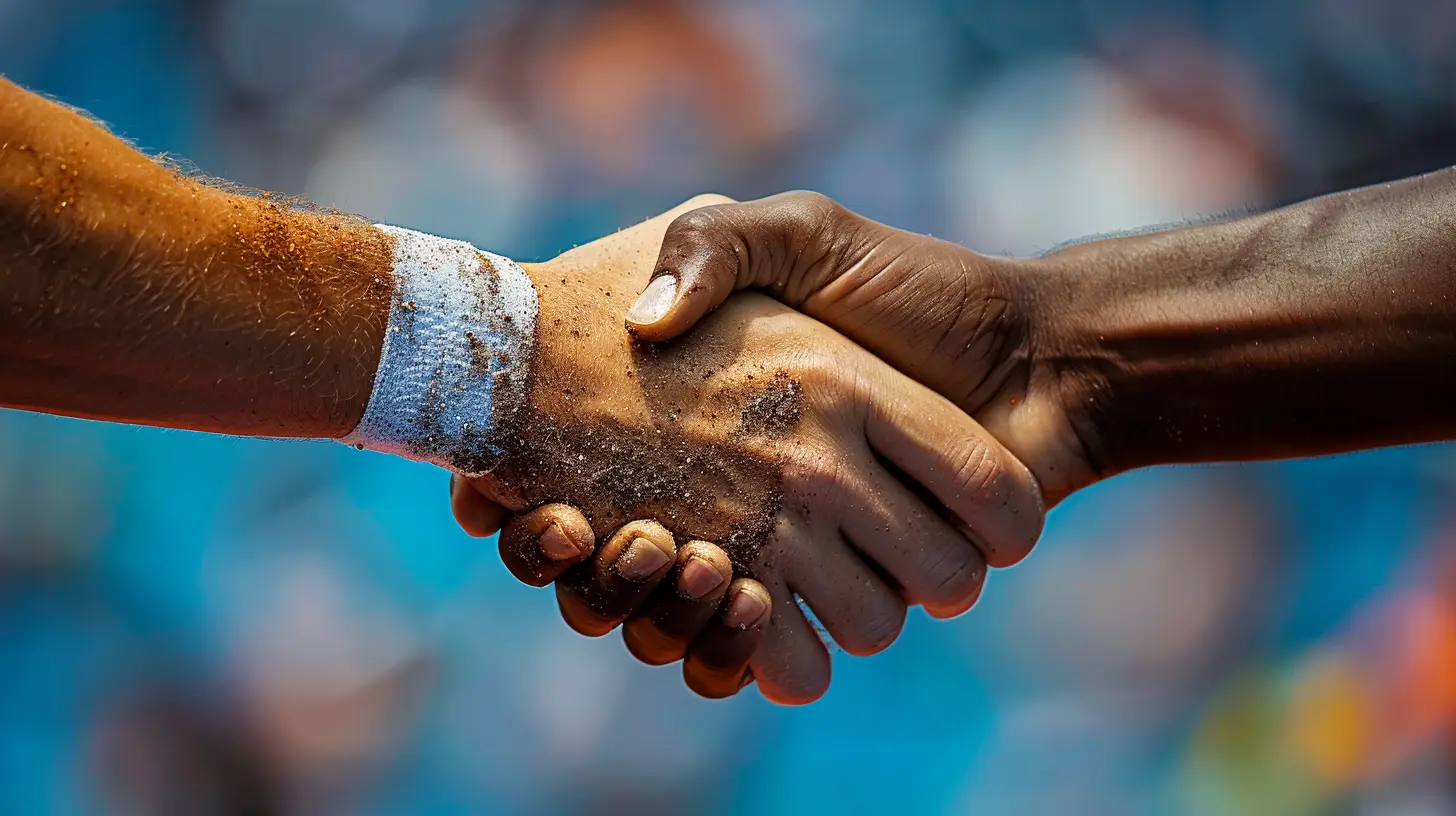
What is Sportsmanship?
Sportsmanship isn’t just a fancy word thrown around during post-game speeches. It’s the unwritten rule of every sport—the invisible thread that holds the spirit of competition together. It’s about respect, integrity, and fairness.If you’ve ever seen a player help an opponent off the ground or acknowledge a better performance with genuine admiration, that’s sportsmanship in action. It’s not about agreeing with every call or pretending to be happy about a loss. It’s about handling both success and failure with a sense of responsibility and class. 
Winning with Humility: What It Truly Means
Winning feels great—there’s no denying that. But how you act after a victory separates true champions from sore winners. Who doesn’t love celebrating? But rubbing a win in someone’s face? That’s where the line is drawn.Here’s what winning with humility looks like:
1. Respecting Your Opponent
A victory isn’t just about your own effort; it’s also about the competition that pushed you to your limit. A humble winner acknowledges the effort of their opponent rather than acting like they conquered the world alone.Example? Roger Federer. He’s won countless tennis titles, yet he always praises his opponents, recognizing the battle it took to get there.
2. No Gloating, No Arrogance
Confidence is great, but arrogance? That’s where winners lose respect. Ever seen players overdo their celebrations, mock their rivals, or brag excessively? It turns a great victory into an unpleasant spectacle.A prime example: The unsportsmanlike touchdown dances in football that aim to humiliate the other team rather than celebrate the moment. A true champion lets their performance speak louder than their words.
3. Sharing the Credit
Great players know they didn’t win alone. They acknowledge their teammates, coaches, fans, and even competitors who made them better. A humble winner always spreads the appreciation rather than hoarding all the glory.
Losing with Dignity: The Mark of a True Athlete
Losing sucks. No one likes it. But the way an athlete handles defeat can be just as inspiring—sometimes even more—than how they handle a win. Holding your head high in defeat? That’s real strength.Here’s what losing with dignity looks like:
1. Congratulating the Opponent
It’s easy to shake hands when you win, but doing the same after losing? That’s a different level of class. A true competitor respects the game enough to acknowledge their opponent’s hard work, even if it stings.Remember when LeBron James, after losing the NBA Finals, still took the time to shake hands and congratulate his rivals? That’s sportsmanship.
2. Owning the Loss, No Excuses
Blaming referees, bad luck, or teammates? That’s a weak escape. True athletes take ownership of their mistakes, learn from them, and move forward.Think about Michael Jordan. He never blamed losses on external factors—he analyzed, adapted, and came back stronger. That’s what separates legends from the rest.
3. Learning and Growing
Losses aren’t failures—they’re lessons in disguise. The best athletes use defeats as their fuel to improve. Instead of dwelling on the disappointment, they focus on becoming better for the next challenge.Kobe Bryant once said, “Everything negative—pressure, challenges—is all an opportunity for me to rise.” That mindset is what makes a loss just a stepping stone rather than a setback. 
Why Sportsmanship Matters
Sports go beyond just physical competition. They teach life lessons—about teamwork, discipline, and respect. At the end of the day, no one remembers every score, but they do remember how you behaved on and off the field.1. It Earns Respect
People respect athletes who show dignity in both victory and defeat. No one admires a sore loser or an arrogant winner. Your attitude can shape how you're remembered long after the game ends.2. It Sets an Example
Younger athletes look up to the pros. If they see their idols showing good sportsmanship, they’ll likely follow that example. Sportsmanship isn’t just about today’s game—it’s about shaping the culture of future competitions.3. It Reflects Character Beyond Sports
How you handle wins and losses on the field mirrors how you’ll handle success and failure in life. Whether it’s jobs, relationships, or personal struggles, the principles of sportsmanship apply everywhere.The Fine Line Between Passion and Poor Sportsmanship
Competitiveness is healthy—it's what makes sports exciting. But when competition turns into disrespect, it crosses the line. Trash talk, aggression, and unsportsmanlike behavior don’t make anyone look tough—they just damage reputations.It’s okay to be passionate, to want to win, to hate losing. But that energy needs to be channeled in a way that builds respect rather than destroys it.
Examples of Great Sportsmanship
Still not convinced that winning with humility and losing with dignity matter? Here are some of the best moments in sports history that prove the power of good sportsmanship:1. Andrés Iniesta’s Goal Dedication (2010 World Cup Final)
After scoring the game-winning goal in the World Cup final, Iniesta didn’t just celebrate wildly—he lifted his shirt to reveal a message honoring Dani Jarque, a Spanish player who had passed away. A moment of ultimate humility in victory.2. Derek Redmond’s Father Helping Him Cross the Finish Line (1992 Olympics)
After injuring himself mid-race, Derek Redmond refused to give up. But what made the moment even more powerful? His father running onto the track to help him finish. It wasn’t about winning—it was about determination and dignity.3. Lionel Messi Helping Up a Fallen Opponent
Messi has won everything there is to win in football, yet he’s consistently one of the first players to help up a fallen opponent. A true testament to winning with humility.Final Thoughts
At the heart of every sport lies more than just competition—it’s about honor, respect, and growth. Winning with humility shows gratitude for the opportunity, while losing with dignity proves strength in character.No matter where you compete—on a field, court, or even in life—how you handle victory and defeat defines you more than any score ever could. Be the athlete everyone respects, not just for your talent, but for your sportsmanship.
Because in the end, respect lasts longer than trophies.
all images in this post were generated using AI tools
Category:
Sportsmanship AwardsAuthor:

Preston Wilkins
Discussion
rate this article
2 comments
Zachary McMeekin
This article beautifully encapsulates the essence of true sportsmanship. Winning with humility and losing with dignity not only enhances the game but also cultivates respect and camaraderie among athletes.
March 2, 2026 at 4:51 AM
Preston Wilkins
Thank you! I'm glad you resonated with the message of sportsmanship in the article. Your appreciation means a lot!
Dorothy McDowell
Sportsmanship isn't just a mindset; it's a lifestyle. Winning with humility showcases true character, while losing with dignity demonstrates resilience. In a world obsessed with victory, let's celebrate those who rise above personal glory, proving that respect for opponents is the hallmark of greatness.
February 1, 2026 at 12:48 PM
Preston Wilkins
Thank you. That perfectly captures the heart of the piece. Respect elevates every competition.