Why Top Brands Are Rethinking Athlete Partnerships by 2027
20 April 2026
As we dive into the world of sports marketing, it’s fascinating to see how the landscape is evolving. By 2027, top brands are taking a long, hard look at their partnerships with athletes. It’s not just about having a famous face endorse a product anymore; it’s about creating meaningful connections that resonate with consumers on a deeper level. So, why are these brands rethinking their strategies? Let’s break it down.
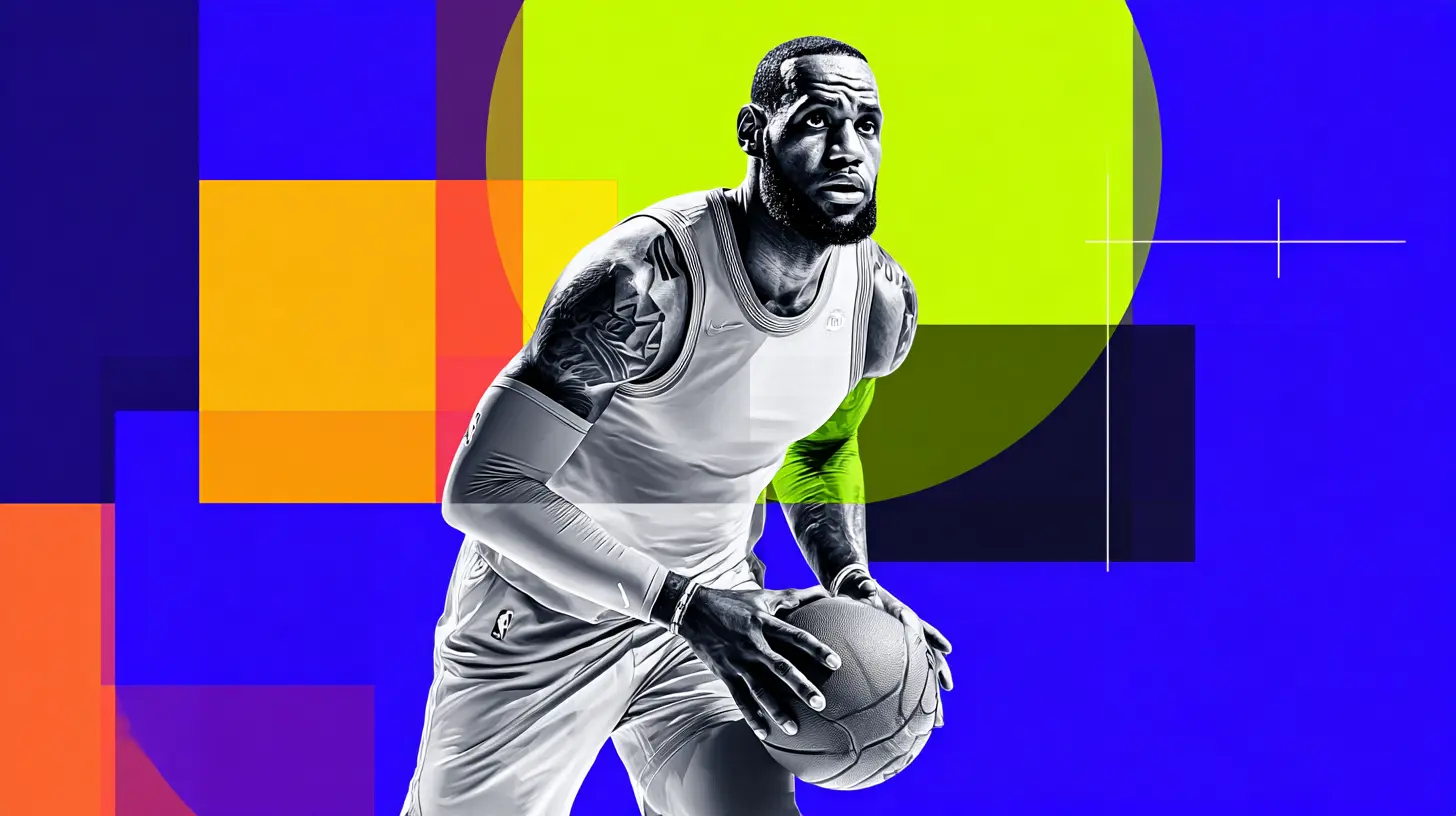
The Changing Consumer Landscape
A New Generation of Fans
Have you noticed how different today’s sports fans are compared to a decade ago? With the rise of social media and streaming services, fans are more engaged and informed than ever. They don’t just watch games; they follow players, analyze stats, and immerse themselves in the culture surrounding their favorite sports. Brands are recognizing this shift and are eager to tap into the passion of this new generation.Authenticity Matters
In an age of skepticism, authenticity is king. Consumers want to see real connections between athletes and the brands they endorse. They’re not just looking for a logo on a jersey; they want to know that the athlete genuinely believes in the product. Brands that can showcase these authentic relationships are more likely to win over the hearts (and wallets) of fans.
The Power of Social Media
Influencer Culture
Social media has transformed athletes into influencers. A single tweet or Instagram post can reach millions in seconds. Brands are realizing that partnering with athletes who have a strong social media presence can amplify their message far beyond traditional advertising methods. Remember when a simple Instagram story could launch a new sneaker line into the stratosphere? That’s the power of social media in action.Engagement Over Impressions
Gone are the days when brands focused solely on impressions. It’s not enough to just be seen; brands want to engage their audience. Athletes who actively interact with their followers can create a sense of community, making fans feel like they’re part of something bigger. This engagement translates to loyalty, and loyal fans are more likely to support brands that resonate with them.
The Rise of Purpose-Driven Partnerships
Aligning Values
Today’s consumers are increasingly conscious of the values that brands represent. They want to support companies that align with their beliefs. This is where purpose-driven partnerships come into play. Brands are now seeking athletes who not only excel in their sport but also advocate for social causes. Think of athletes like LeBron James, who uses his platform to address social justice issues. Partnering with someone who stands for something can enhance a brand’s image and strengthen its connection with consumers.Making a Difference
Brands that prioritize social responsibility are more attractive to consumers. By aligning with athletes who are passionate about giving back, companies can create campaigns that not only promote their products but also contribute to meaningful change. It’s a win-win situation that resonates with consumers on a personal level.
The Evolution of Athlete Branding
Personal Branding
Athletes are no longer just athletes; they are brands unto themselves. With the rise of personal branding, athletes are taking control of their narratives. They’re curating their images, sharing their journeys, and connecting with fans in ways that were previously unimaginable. Brands are recognizing this shift and are eager to partner with athletes who have strong personal brands that align with their own.The Role of Storytelling
Storytelling is a powerful tool in marketing, and athletes have some of the most compelling stories to tell. From overcoming adversity to achieving greatness, their journeys can inspire and motivate consumers. Brands that leverage these stories in their partnerships can create emotional connections with their audience, making their products more relatable and desirable.The Impact of Technology
Data-Driven Decisions
In the digital age, data is king. Brands are using analytics to understand consumer behavior and preferences better. This data-driven approach allows them to identify which athletes resonate with their target audience. By analyzing engagement metrics and sentiment analysis, brands can make informed decisions about who to partner with, ensuring that their marketing efforts are both effective and efficient.Virtual Reality and Augmented Reality
As technology continues to advance, so do the possibilities for athlete partnerships. Virtual reality (VR) and augmented reality (AR) are opening up new avenues for brands to engage with consumers. Imagine a scenario where fans can virtually train with their favorite athletes or experience a day in their life through VR. These immersive experiences create memorable connections that traditional advertising simply can’t achieve.
The Globalization of Sports
Expanding Markets
The world is more connected than ever, and sports are no exception. Brands are recognizing the potential of expanding into international markets. By partnering with athletes from diverse backgrounds, companies can tap into new audiences and foster a sense of inclusivity. This globalization of sports not only benefits brands but also enriches the overall sports culture.Cultural Relevance
In a global marketplace, cultural relevance is crucial. Brands that can navigate different cultures and understand local nuances are more likely to succeed. Partnering with athletes who have strong ties to their communities can help brands authentically connect with consumers across the globe. It’s about telling a story that resonates, no matter where you are.The Shift Toward Long-Term Partnerships
Building Relationships
Brands are moving away from one-off endorsements and toward long-term partnerships with athletes. This shift allows for deeper relationships to develop, fostering trust and loyalty. When fans see an athlete consistently representing a brand, it reinforces the idea that the partnership is genuine and not just a cash grab.Shared Success
Long-term partnerships also allow for shared success. Brands and athletes can work together to co-create products, campaigns, and initiatives that benefit both parties. This collaborative approach can lead to innovative marketing strategies that resonate with consumers and create lasting impact.
The Importance of Diversity and Inclusion
Representation Matters
Diversity and inclusion are more than just buzzwords; they are essential components of modern marketing. Brands are recognizing the importance of representing a wide range of voices and experiences in their partnerships. By collaborating with athletes from diverse backgrounds, companies can create campaigns that resonate with a broader audience and promote inclusivity.Breaking Stereotypes
Athletes have the power to challenge stereotypes and break down barriers. Brands that align themselves with athletes who are pushing for change can position themselves as leaders in the fight for equality. This not only enhances the brand’s image but also fosters a sense of community among consumers who share similar values.Conclusion: A Bright Future for Athlete Partnerships
As we look ahead to 2027, it’s clear that the landscape of athlete partnerships is undergoing a significant transformation. Brands are rethinking their strategies to create deeper connections with consumers, prioritize authenticity, and embrace diversity. The future is bright for those who can adapt to these changes and harness the power of meaningful partnerships.Whether you’re a brand looking to elevate your marketing game or a fan eager to see how these partnerships evolve, one thing is certain: the world of sports marketing is more exciting than ever.
all images in this post were generated using AI tools
Category:
Athlete EndorsementsAuthor:

Preston Wilkins
Discussion
rate this article
2 comments
Blade Dorsey
Oh sure, because nothing says "let's change the game" like a brand waiting until 2027 to figure out how to market their overpriced gear... genius move!
July 24, 2026 at 4:20 AM
Rex Larsen
This article insightfully captures the evolving landscape of athlete partnerships. As consumer values shift, brands must adapt by prioritizing authenticity and social impact to resonate with the next generation.
April 20, 2026 at 2:59 AM
Preston Wilkins
Thank you for your insight! Indeed, adapting to evolving consumer values is crucial for brands to maintain meaningful athlete partnerships.