Why 2026 Could Redefine the Role of Running Backs in the NFL
17 October 2026
The NFL has spent the better part of two decades treating running backs like replaceable parts. Draft them late, pay them cheaply, run them into the ground, and move on. That logic shaped roster building for a generation. But the conditions that made it work are shifting, and 2026 looks like the year the position finally gets revalued in a way that changes how teams draft, pay, and deploy backs.
This is not a prediction that the NFL will suddenly revert to the ground-and-pound offenses of the 1990s. That would misread the sport. What is happening is more specific and more interesting. The role of the running back is being rebuilt around versatility, and the economics of the position are being dragged along with it.
The Economic Backdrop That Set the Stage
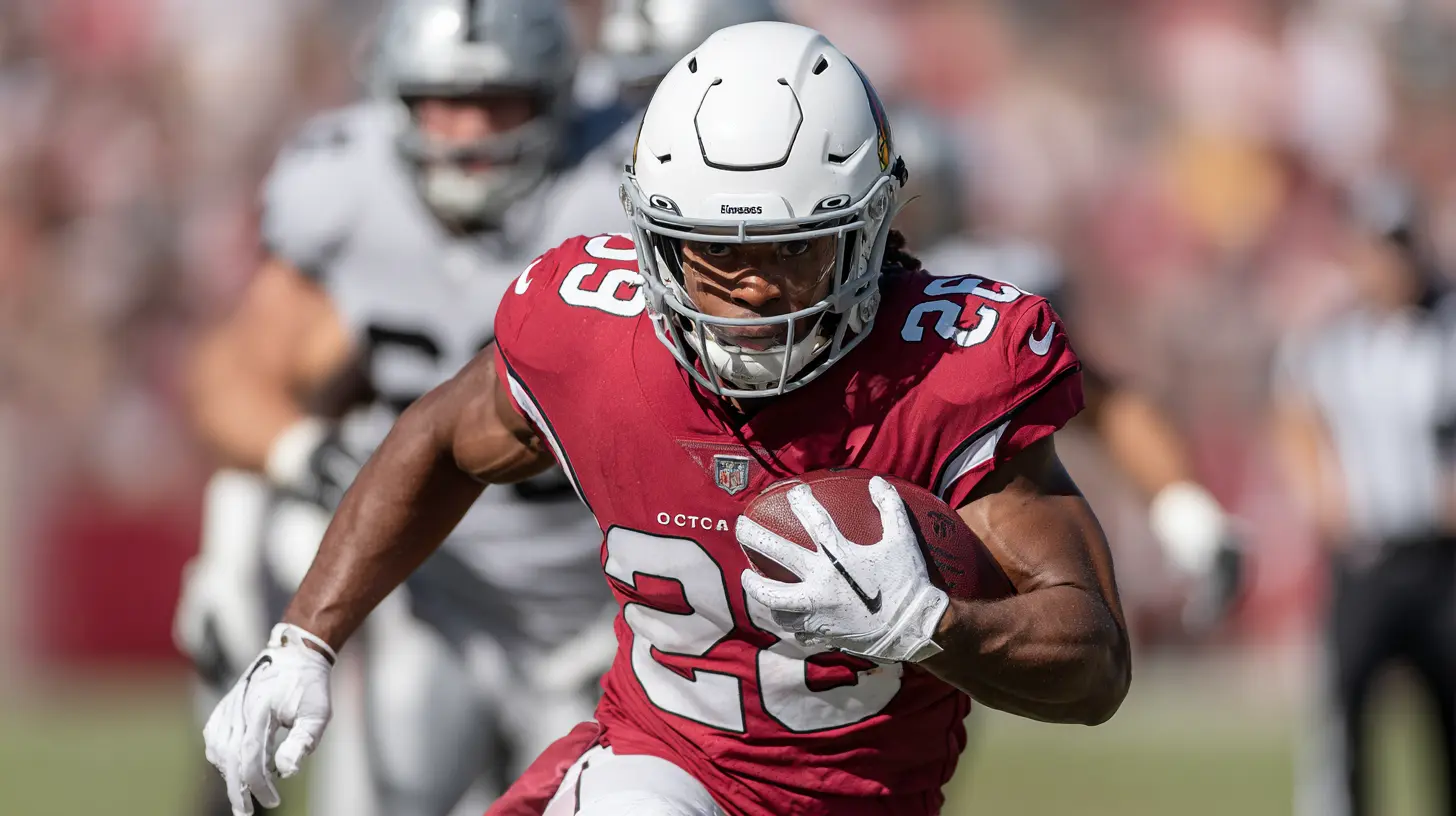
To understand why 2026 matters, you have to understand how the position got devalued in the first place.The rookie wage scale, introduced in 2011, capped what teams pay draft picks. Since running backs are typically drafted outside the first round, their rookie contracts became remarkably cheap relative to production. A team could get 1,200 rushing yards and 10 touchdowns from a second or third round pick earning a fraction of what a veteran back commanded. Once that became the norm, the veteran market collapsed. Teams simply refused to pay a second contract to a position they believed they could replenish through the draft.
The 2023 offseason crystallized the tension. Several established backs, including Saquon Barkley and Josh Jacobs, found a market that did not value them the way their stats suggested it should. The franchise tag became a weapon, not a bridge. Public frustration from players spilled into the media, and the phrase "running backs don't matter" became a talking point that was both provocative and oversimplified.
But here is the nuance that gets lost. Running backs do matter. What changed is which running backs matter and how they matter. The position did not become worthless. It became specialized. And specialization is exactly what drives value back up when the supply of specialists is thin.
Why the Supply of True Difference Makers Is Shrinking
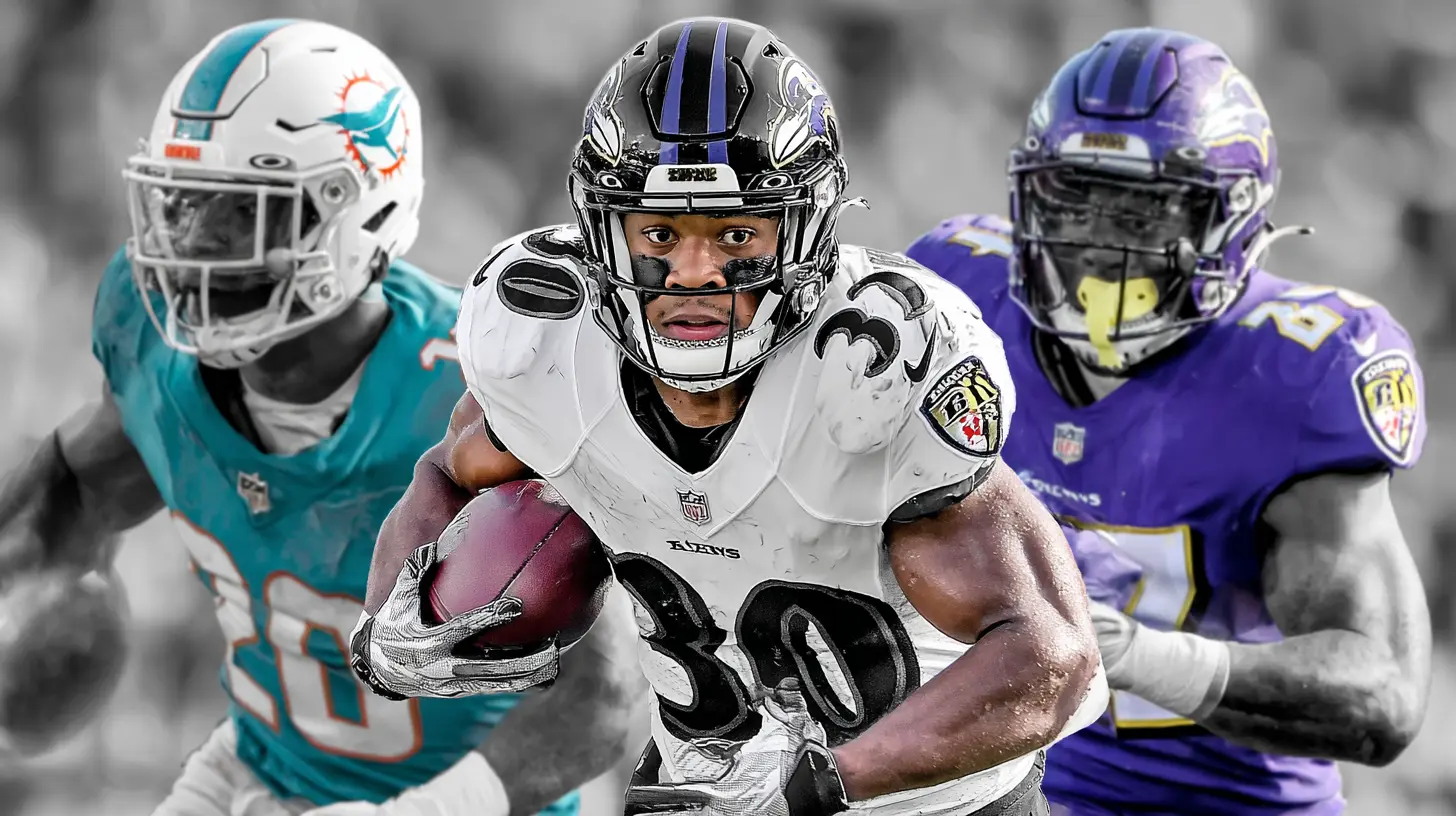
College football has changed how it develops runners. Spread offenses, run-pass options, and tempo systems have reduced the number of backs who enter the league with experience in pass protection, pro-style gap schemes, and reading NFL-caliber fronts. Many rookies arrive with impressive highlight reels and very little experience doing the unglamorous parts of the job.That gap matters more than fans realize. A running back who cannot pick up a blitz is a liability on third down. A back who cannot run a precise route out of the backfield forces the coordinator to telegraph the play. A back who struggles to read a zone blocking scheme loses yards that a veteran would turn into four or five.
So while the position looks deep on paper, the number of backs who can do everything at a high level is small. When supply is limited and demand for versatility rises, price follows. That is basic economics, and it is quietly reshaping the position.
The 2026 Inflection Point
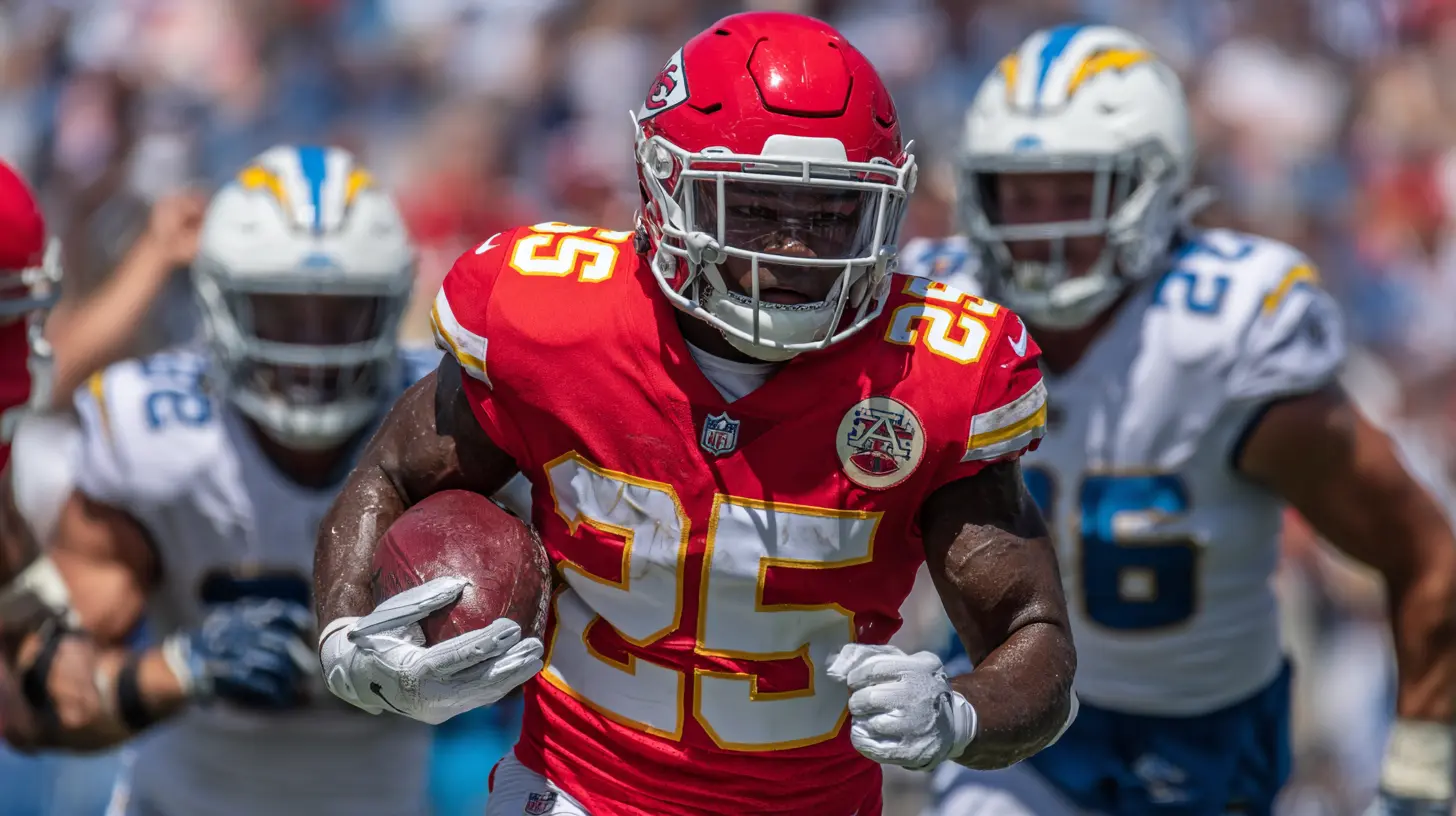
Several forces converge around 2026 to make it a pivotal year.First, a wave of talented backs drafted in the early 2020s will be eligible for extensions or free agency. Teams that hit on those picks face a real decision. Let them walk and hope to replace them, or pay them and accept the cap hit. As more of these decisions pile up, the market will set new benchmarks, or it will confirm the old ones. Either way, the outcome shapes the next cycle.
Second, offensive schemes are evolving in ways that reward backs who can do more than run. The rise of motion-heavy offenses, two-back looks, and backs who align as receivers has created a demand for players who function as hybrid weapons. Defenses have adapted to spread formations by playing lighter boxes, which in turn makes a decisive, patient runner more dangerous. The chess match is cyclical, and the pendulum is swinging toward backs who can exploit light boxes and mismatches in space.
Third, the salary cap continues to rise. When the cap grows, the opportunity cost of paying any single position changes. A contract that looked irresponsible in 2021 can look reasonable in 2026. Teams are not necessarily becoming more generous. They are recalibrating what a fair share of a larger pie looks like.
What "Redefining the Role" Actually Means
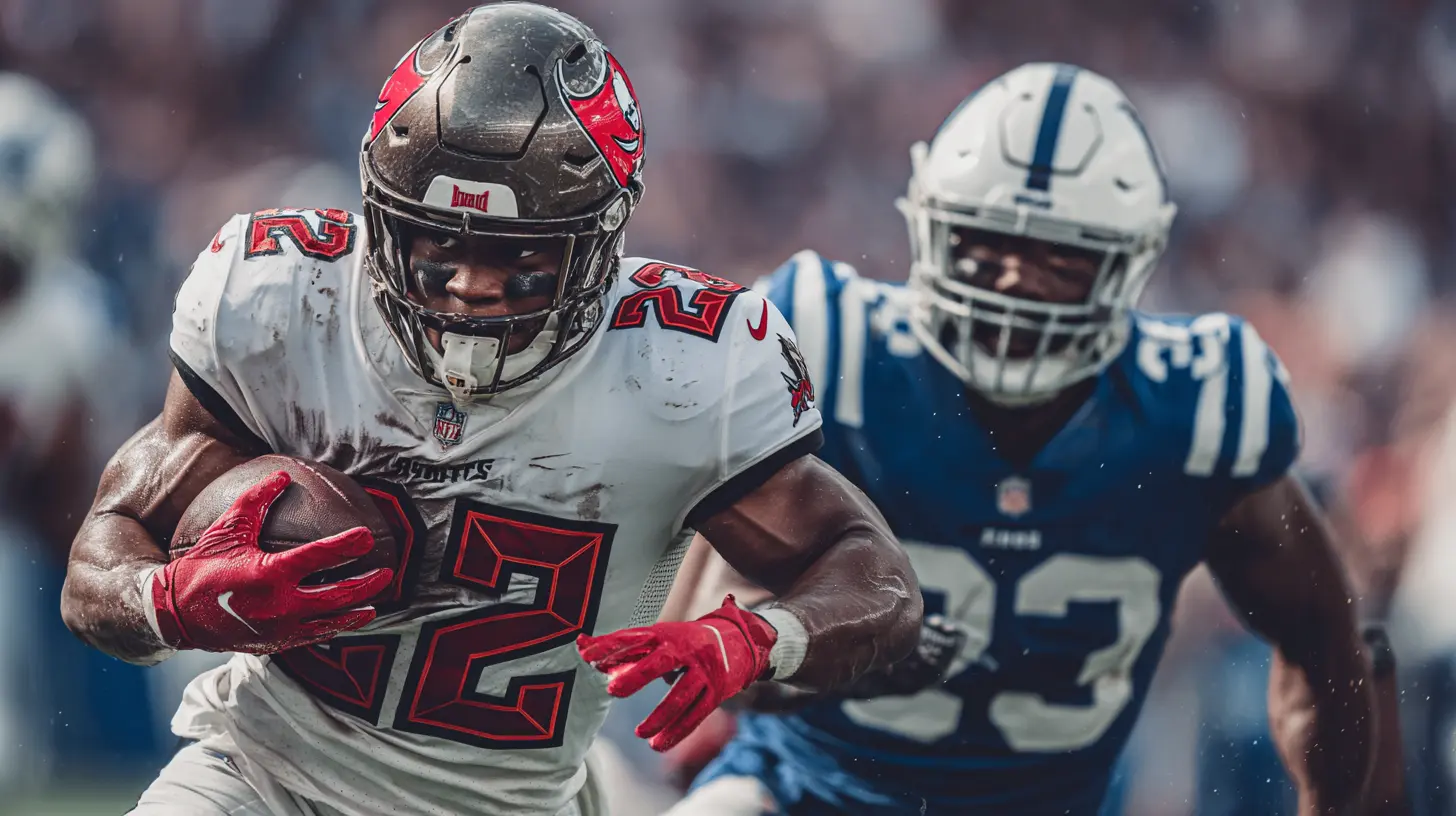
The phrase gets thrown around loosely, so let me be precise. Redefining the role does not mean running backs will carry the ball 30 times a game again. It means the definition of an elite back is expanding, and the value structure is following.Here is what that looks like in practice.
From Ball Carrier to Offensive Hub
The most valuable backs in the modern game are not just runners. They are players who force the defense to declare its intentions before the snap. When a back can line up wide, in the slot, in the pistol, or beside the quarterback, the offense gains flexibility without substituting. That flexibility creates mismatches that are hard to scheme against.Think about what a linebacker has to do when a back motions out wide. Either the linebacker follows and gets exposed in coverage, or the defense rotates and reveals its coverage shell. Either way, the offense learns something useful. A back who can punish both outcomes is worth more than his rushing stats suggest.
Pass Protection as a Hidden Skill
Pass protection is the least glamorous skill a running back can have, and it might be the most undervalued. A back who consistently picks up blitzing linebackers keeps the quarterback upright. That directly affects win probability in a passing league.Teams that understand this will pay for it. Teams that do not will keep cycling through cheap rookies who get their quarterback hit. The difference shows up in the standings, not the box score.
The Receiving Threat
Running backs have always caught passes, but the modern version runs routes like a receiver. Angle routes, option routes, and wheel routes from the backfield create coverage problems that most linebackers cannot solve. When a back can win those matchups, the offense effectively gets an extra receiver without sacrificing a blocker.This is where the market is most likely to reward players in 2026. A back who can generate explosive plays as a receiver is functionally two players in one roster spot, and roster spots are precious.
The Counterargument: Why Teams Might Still Refuse to Pay
I would be doing you a disservice if I only presented one side. There is a strong case that teams will continue to treat running backs as replaceable, and it deserves a fair hearing.The argument goes like this. Injuries are common at the position. Careers are short. Production is heavily dependent on blocking and scheme. A back who looks elite in one system may look ordinary in another. Paying a premium for a player with a short shelf life and system-dependent production is a bad bet, especially when a rookie can replicate 80 percent of that production for 20 percent of the cost.
There is real evidence behind this view. Many veteran backs have changed teams and seen their efficiency drop. Many teams have found productive starters in the middle rounds. The replacement level at running back is higher than at almost any other offensive position.
So the honest answer is that the market will not shift uniformly. It will bifurcate. The top tier of versatile, durable, scheme-proof backs will get paid. The middle tier will keep getting squeezed. That split is already visible, and 2026 will make it sharper.
What Teams Should Consider Before Paying a Back
If you are evaluating whether to invest in a running back, either as a team executive or simply as a fan trying to understand the logic, here are the factors that actually matter.Durability and Workload History
A back with five seasons of heavy usage carries more risk than one with three. Touch counts accumulate, and the decline can be sudden. Before committing long term, look at how the player's efficiency holds up as the season progresses, not just in September.Scheme Fit and Versatility
A back who fits only one scheme is a liability if the coordinator changes. A back who can run inside zone, outside zone, gap, and function as a receiver is adaptable. Adaptability reduces risk, and reduced risk justifies higher pay.Pass Protection Competence
This is the quiet deal breaker. If a back cannot protect, he cannot stay on the field in obvious passing situations. That limits his value regardless of how explosive he is with the ball.Age and Contract Structure
Running backs decline earlier than most positions. A long-term deal that pays top money into a player's late twenties is risky. Structuring contracts with early outs, incentives, and manageable dead cap hits is a best practice that smart teams already use.The Opportunity Cost
Every dollar spent on a running back is a dollar not spent elsewhere. The question is not whether a back is good. It is whether he is better than the alternative use of that cap space. Sometimes the answer is yes. Sometimes it is no. The mistake is treating the question as settled in either direction.Common Mistakes and Misconceptions
A few persistent errors distort how people think about this position.Mistake one: assuming rushing yards equal value. A back who gains 1,200 yards on 300 carries is less efficient than one who gains 1,000 on 200. Volume stats flatter mediocre players and hide inefficient ones.
Mistake two: ignoring receiving and protection. A back's total contribution includes what he does without the ball. Evaluating him only on carries misses half the job.
Mistake three: overreacting to one big season. Running back production is volatile. A single breakout year can be a product of scheme, offensive line play, or a favorable schedule. Consistency across multiple seasons is a better signal.
Misconception: the position is dead. It is not dead. It is being redefined. The backs who adapt will thrive. The ones who do not will be replaced.
Misconception: paying a back is always a mistake. Paying the wrong back is a mistake. Paying the right one, at the right number, with the right structure, can be a competitive advantage precisely because so many teams refuse to do it.
What This Means for Fantasy and Real Football Alike
For fantasy players, the implications are practical. Backs who catch passes and stay on the field in all situations will retain value even as pure runners lose it. Target share and snap share matter more than raw carry totals. A back with 15 touches and five targets is often more valuable than one with 22 carries and no receptions.For real teams, the lesson is about roster construction. Investing in a versatile back is not nostalgic. It is strategic, provided the player is genuinely versatile and the contract is structured sensibly. The teams that identify this before the market corrects will get the best value.
The 2026 Outlook in Plain Terms
Here is my honest read. 2026 will not produce a dramatic reversal. It will produce a clearer separation.The top tier of running backs, the ones who run, catch, and protect at a high level, will see their market value rise. The middle tier will continue to face pressure. Teams will draft more backs, but they will also pay more for the ones who prove they can do everything. The position will not return to its 1990s prominence, but it will stop being treated as an afterthought.
The smartest organizations will treat the running back position the way they treat every other position: as a value calculation. Not a dogma. Not a slogan. A calculation based on production, durability, scheme fit, and opportunity cost.
That shift, quiet as it is, is what makes 2026 worth watching. The teams that get it right will have an edge. The teams that cling to old assumptions will keep wondering why their offense stalls in January.
all images in this post were generated using AI tools
Category:
Season ExpectationsAuthor:

Preston Wilkins