The Road to Respect: How Sportsmanship Awards Influence Young Athletes
24 March 2026
Let’s be honest—youth sports can sometimes look like a scene straight out of a Fast & Furious movie. You’ve got passionate parents, competitive kids, and coaches yelling like they’re directing air traffic. Amid all that chaos, it’s easy to forget one tiny, not-so-flashy, but super powerful thing: sportsmanship.
Now, before you yawn and brush it off like a soggy towel on the sidelines, hear me out. Because on this journey called “The Road to Respect,” giving recognition for sportsmanship—yes, that quiet guy who helps someone up instead of stepping over them—might just be the MVP we didn’t know we needed.
Let’s dive into why sportsmanship awards aren’t just fancy participation trophies with a PR glow-up. They actually shape young athletes in ways that go way beyond the scoreboard.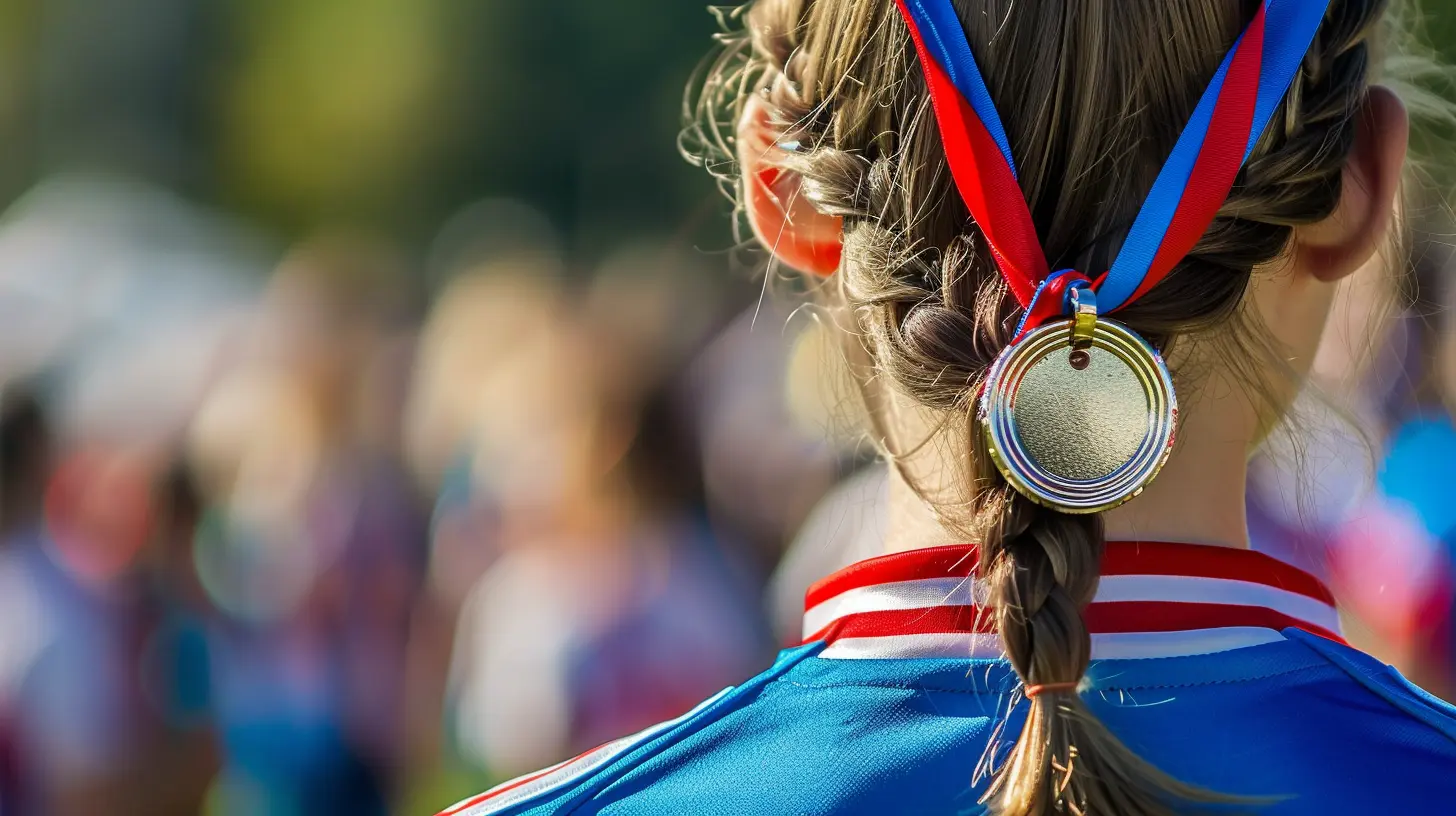
What Exactly Is Sportsmanship? (Spoiler: It’s Not Just Shaking Hands)
You ever hear someone say, “It’s not whether you win or lose, it’s how you play the game”? Yeah, sportsmanship is that warm and fuzzy idea turned into action.It’s respect, fairness, grace—even when the ref’s clearly blind (kidding... sort of). Sportsmanship is standing tall when you win, and not blaming your shoelaces when you lose. It’s basically the golden rule... wearing a jersey.
Young athletes are still figuring out who they are. And while they’re chasing goals (pun fully intended), sportsmanship gives them a moral compass—even if their actual compasses are just broken iPhones.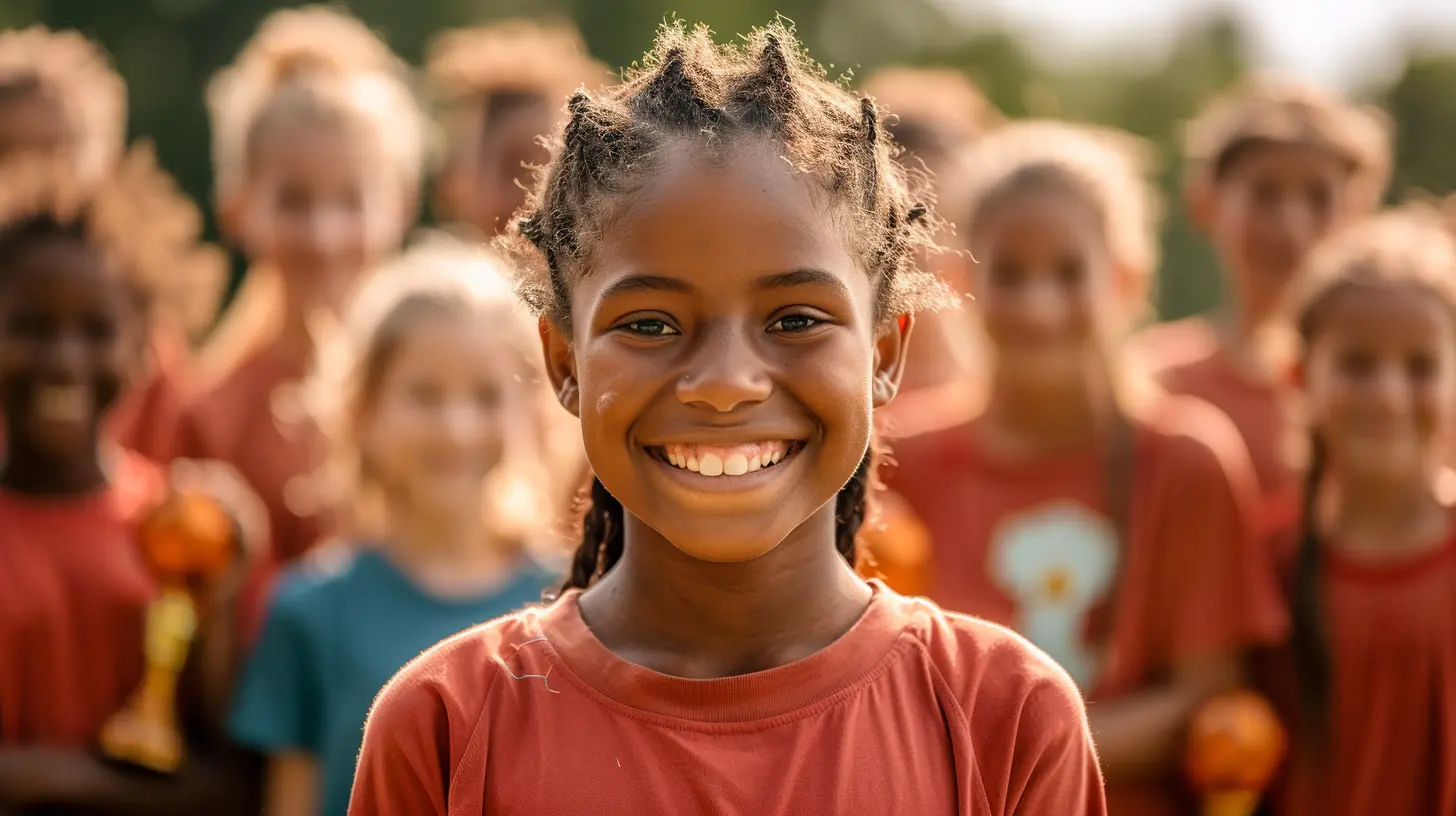
Why Do Sportsmanship Awards Even Exist?
Okay, so picture this: You’ve got a kid who didn’t score a single goal all season. Maybe they’re not the fastest, the strongest, or the flashiest. BUT—they’re the first to high-five a crying teammate, they cheer from the bench like they’re at a rock concert, and they thank the ref after every match.Now tell me—how do you reward that kind of heart?
Enter the sportsmanship award—a tiny golden statue (or sometimes a medal the size of a cookie) that screams, “You’re a decent freaking human!” And surprisingly, that matters. A lot.
These awards exist to spotlight the stuff that gets drowned out by all the stat sheets: character.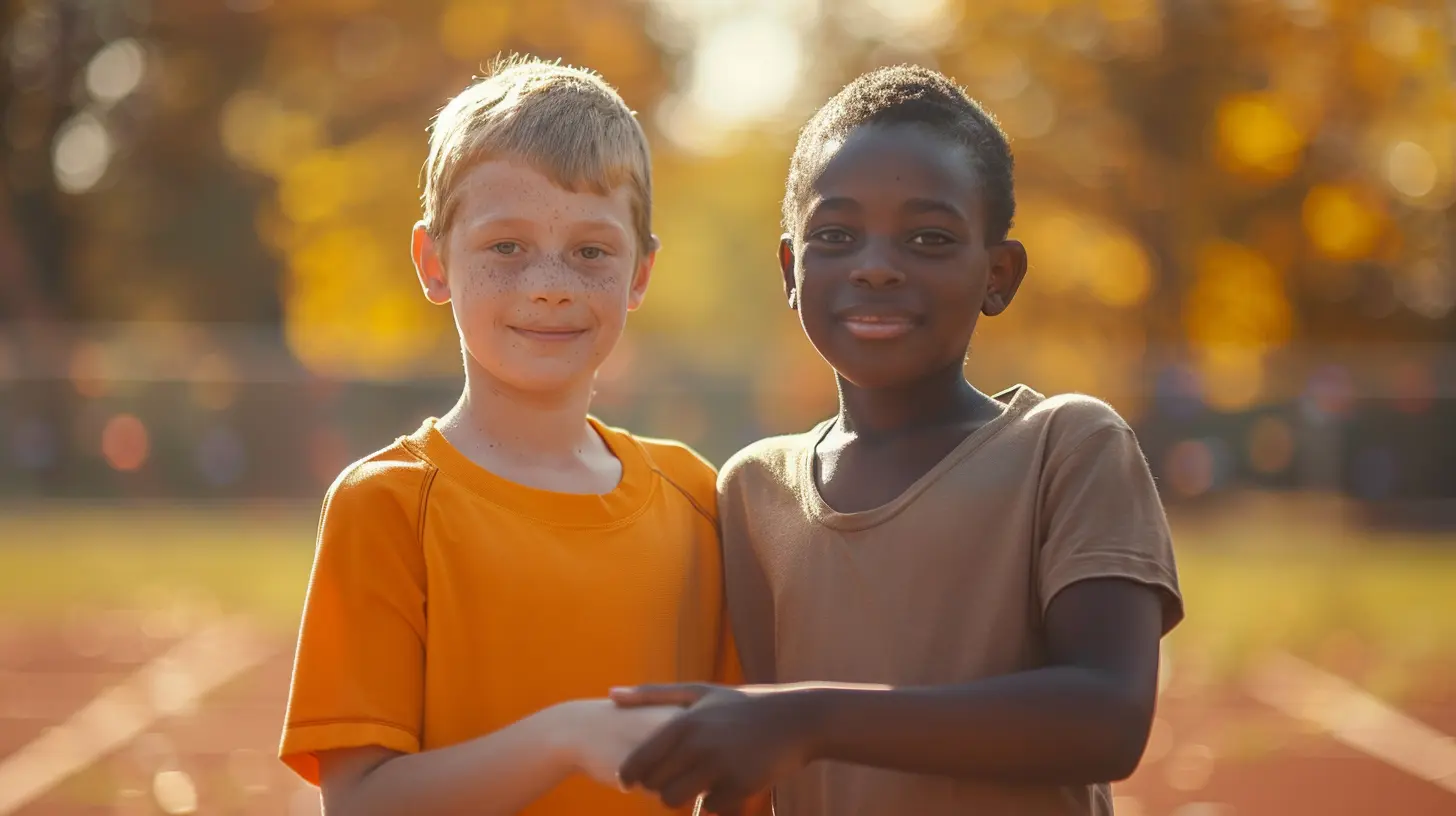
The Psychological Power Behind the Praise
Let’s get nerdy for a second (just a second, promise). There’s legit science to back this up.Rewarding positive behavior reinforces that behavior. It’s like giving a dog a treat when it sits, only in this case, the “treat” is a shiny medal and the “sit” is not punching the other team.
Young athletes, especially in their early years, are sponges—not just for sweat, but for habits. Recognizing good sportsmanship teaches them it’s not just about being the best athlete, it’s about being the best version of themselves. That kind of encouragement? It sticks. Like glitter. Forever.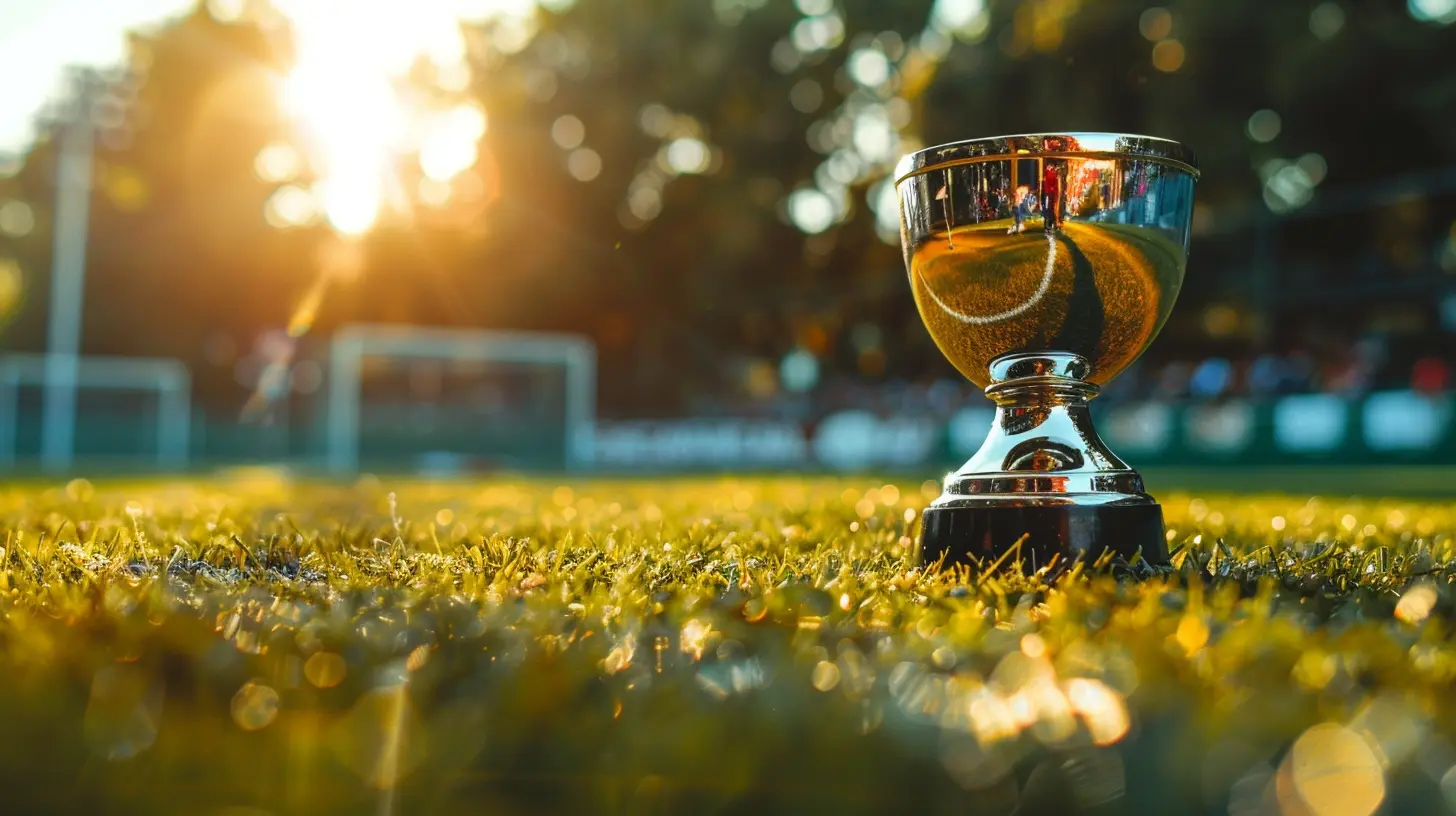
From the Bench to the Boardroom: Lifelong Lessons
Sure, sportsmanship awards might seem small now, but the values they promote? Those grow bigger than LeBron’s vertical.Think about it. A peewee quarterback learns to take responsibility and treat others with respect. Fast forward 15 years—boom—they’re a team leader at work who doesn’t throw Karen from accounting under the bus. See how that works?
Sportsmanship doesn’t retire after high school. It becomes part of how we handle life: relationships, careers, even how we order food at a crowded drive-thru (looking at you, honking guy).
Awards vs. Wins: Who Really Gets Remembered?
Quick quiz: Who won your local U12 soccer league in 2009? Don’t worry, I’ll wait. Still thinking?Now—who was the kid who helped an injured opponent walk off the field? Who celebrated their teammate’s first goal more than their own?
Exactly.
Winning gets the headlines, sportsmanship gets the legacy. It’s the thing people talk about long after the final whistle. It’s what teammates remember at reunions (besides that one time Coach forgot the orange slices).
How Coaches Can Make Sportsmanship Awards Matter
Truth bomb: If a sportsmanship award is handed out like it’s a consolation prize, kids are gonna smell the fake fast.Coaches have the power to make these awards mean something. Here’s how:
- 🎯 Be specific: “You showed leadership” hits harder than “Good job.”
- 🧠 Tie it to actions: “You helped up every player who fell today.”
- 💬 Make it public: Announce it like it’s the final round of The Voice.
- 🔂 Be consistent: Don’t wait until the last game to start noticing kindness.
When delivered right, sportsmanship awards become part of a team’s DNA. Not a side dish. The main course.
Parents, Here’s Your Playbook Too
Mom, Dad—we see you out there. Bleachers packed, coffee in hand, shouting “That’s my baby!” like you’re Lil Jon.But here’s a gentle reminder: your reaction to sportsmanship matters too.
If your kid gets the sportsmanship award and you’re like, "Oh... cool. But what about MVP?"—congrats, you just told your child that kindness is a second-place trait.
Instead:
- 🎉 Celebrate that award like they won the World Cup.
- 📷 Take the photo, post the status, brag to Grandma.
- ❤️ Teach them that being respected matters more than being feared.
Trophy Case or Tiny Shelf: Do Awards Really Change Behavior?
Here’s the big question: does giving a kid a sportsmanship award actually make them more respectful?Short answer? Heck yes.
Long answer? Awards provide external validation for internal values. It’s basically the world saying, “Hey, we see you being decent—and that’s awesome.”
Over time, this kind of recognition plants a seed. And with enough sunlight (aka encouragement), it blooms into a full-on respect tree. (Yeah, we’re getting poetic now.)
Not All Heroes Wear Capes—Some Wear Shin Guards
Let’s face it: kids look up to the pros. They mimic touchdown dances and try to flop like it’s the World Cup final. But what if they also started copying good sportsmanship?You know, like helping opponents up, complimenting good plays, or tipping their cap (if they knew what that meant).
Recognizing young athletes for these moments builds a culture. A vibe. A ripple effect. Before you know it, that one kid who got a sportsmanship award last season is now inspiring their teammates to do the same.
That’s hero status, my friend.
Real MVP Moments That Never Made the Scoreboard
Still not convinced sportsmanship awards make a difference? Check out these real-deal examples:- A 10-year-old basketball player stopped mid-game to help up a kid from the opposing team who twisted an ankle. The crowd went silent, then gave a standing ovation.
- A little league catcher gave his backup the chance to start—even in a championship game—because “everyone deserves a shot.”
- A middle school runner slowed down to help a competitor who had fallen during a race. They finished dead last... but as legends.
No trophies. No ESPN coverage. Just pure, unfiltered human decency.
So, Why Is This “Road to Respect” So Dang Important?
Here’s the thing. Young athletes are learning about life with every kick, hit, and basket. If we only reward wins, we’re basically saying, “It doesn’t matter how you get there, just get there.”But sportsmanship awards say something different.
They scream, “How you play matters.”
They whisper, “People are watching.”
They teach, “Respect gets you further than rage.”
So whether it’s peewee soccer or high school lacrosse, don’t just coach champions—coach character. Because one day, that sportsmanship award might not be the biggest trophy in the case... but it’ll definitely be the one with the biggest heart.
Final Whistle Thoughts
The road to respect isn’t paved with highlight reels or game-winning shots. It’s paved with handshakes, kind words, and moments of pure class—on and off the field. Sportsmanship awards aren’t the destination; they’re road signs that say, “Hey, you’re doing this whole life thing right.”So the next time a kid gets one of those “nice guy” awards, don’t roll your eyes. Give them a high-five, a hug, and maybe even a burger. They’re not just good athletes. They’re becoming good people.
And if that’s not worth a standing ovation, I don’t know what is.
all images in this post were generated using AI tools
Category:
Sportsmanship AwardsAuthor:
Preston Wilkins
Discussion
rate this article
2 comments
Valerie Adkins
Sportsmanship awards transcend mere recognition; they cultivate resilience, empathy, and integrity in young athletes. By honoring character over mere competition, we shape not just players, but honorable individuals for life.
April 19, 2026 at 5:06 AM
Preston Wilkins
Absolutely, recognizing sportsmanship fosters growth beyond the game. It's about building character that lasts a lifetime.
Stephen Gray
Sportsmanship awards cultivate respect and integrity, shaping character in young athletes profoundly.
March 28, 2026 at 1:11 PM
Preston Wilkins
Thank you for your thoughtful comment! I completely agree—sportsmanship awards play a crucial role in instilling values that extend beyond the field.