The Ripple Effect: How Sportsmanship Inspires Fans and Fellow Athletes
2 November 2026
Sports are more than just a competition; they're a stage where character shines. We celebrate record-breakers and game-winners, but there's something even more powerful—sportsmanship. That moment when a player helps up an opponent, acknowledges a referee's call without complaint, or stands up for fairness. These simple yet profound acts create ripples that extend beyond the game, shaping fans, inspiring young athletes, and reminding us all of the true spirit of competition.
Let's dive into the magic of sportsmanship and how it influences those watching and playing the game.
What is Sportsmanship?
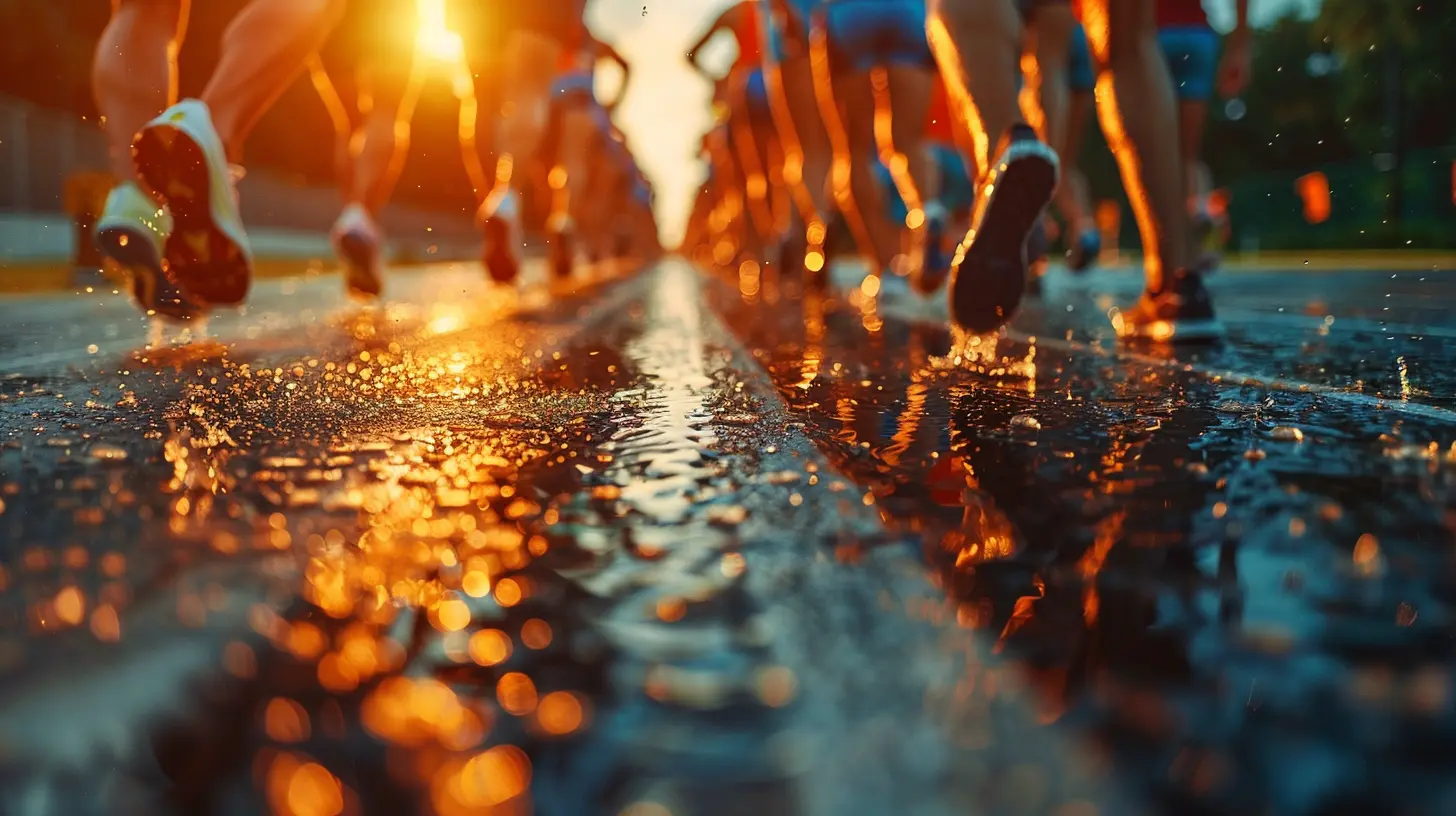
Sportsmanship is the heart and soul of athletics. It goes beyond talent, strategy, and victory—it's about respect, integrity, and fair play. We've all seen it firsthand: a soccer player apologizing for an unintentional foul, a tennis pro conceding a point they know wasn’t theirs, or a runner stopping to help a fallen competitor.These moments remind us that while winning is great, playing with honor is what truly defines an athlete.
The Influence of Sportsmanship on Fellow Athletes
Setting the Gold Standard
Athletes are always watching each other. Whether it’s a seasoned veteran or a young rookie, seeing acts of sportsmanship sets an example. It’s contagious—one act of class can inspire another, leading to a culture where respect and integrity become the norm.Think about Roger Federer in tennis or Lionel Messi in soccer. These legends are not just known for their skills but also for their grace on and off the field. Their actions send a strong message that talent is nothing without respect.
Building a Brotherhood (or Sisterhood) in Sports
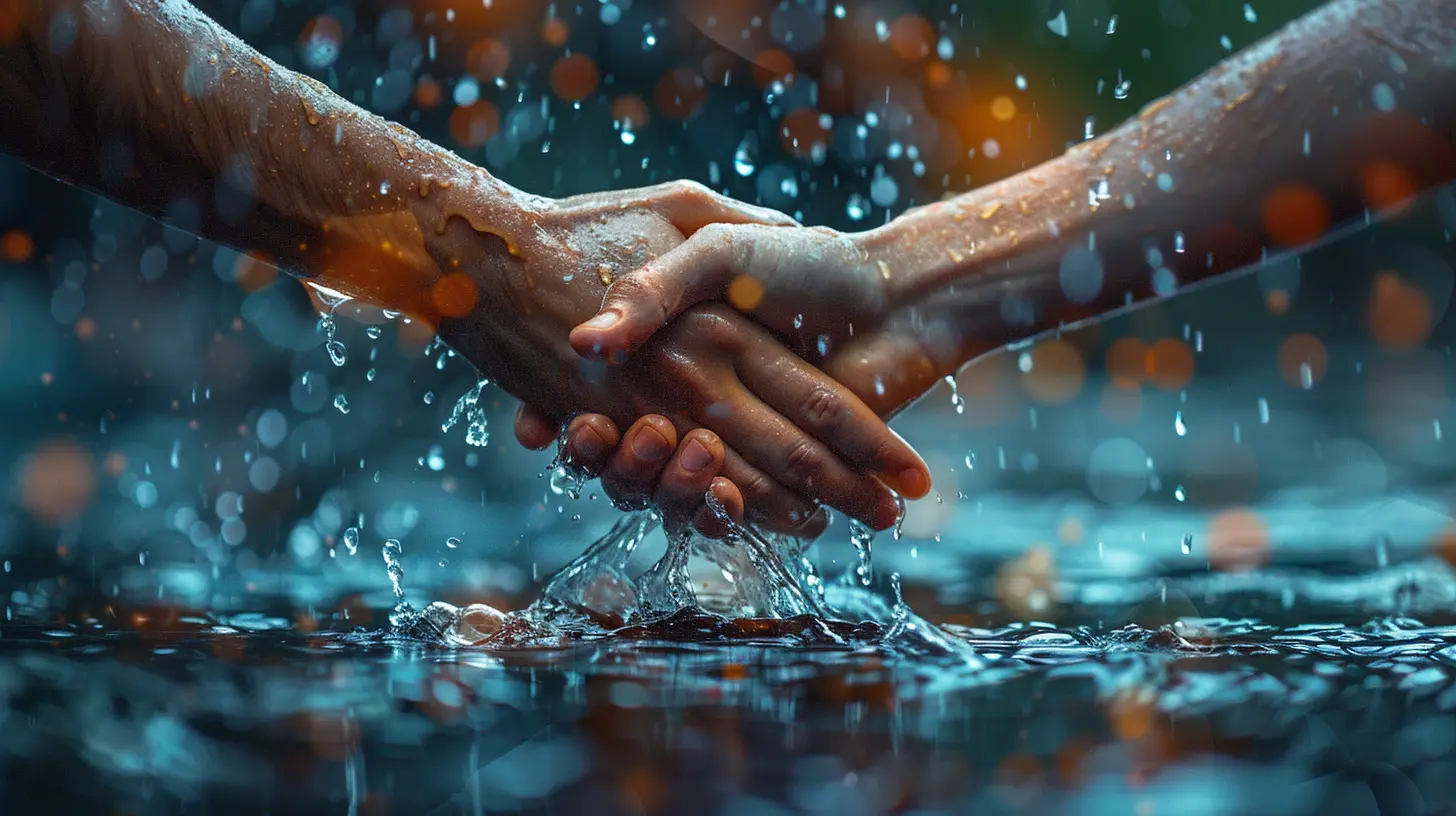
Sports create lifelong rivalries, but they also build deep connections. A competitor today might be a teammate tomorrow. The respect shown in competition fosters friendships beyond the game.Take the Olympics, for example. Remember when Abbey D’Agostino and Nikki Hamblin tripped during the 5,000-meter race in Rio 2016? Instead of leaving the other behind, they helped each other finish. That moment wasn’t about medals—it was about mutual support. Acts like these prove that sportsmanship can turn rivals into brothers and sisters in sport.
Encouraging Mental Toughness and Growth
Sports aren’t just about the physical battle—they're a mental game too. When athletes embrace sportsmanship, it shifts their mindset from “win at all costs” to “grow through every challenge.” This kind of mentality builds resilience, making losses easier to handle and victories even more meaningful.A perfect example? Naomi Osaka withdrawing from tournaments to focus on her mental well-being showed class and honesty, setting an example for fellow athletes to prioritize health over pressure.
How Sportsmanship Inspires Fans
Teaching Life Lessons Beyond the Game
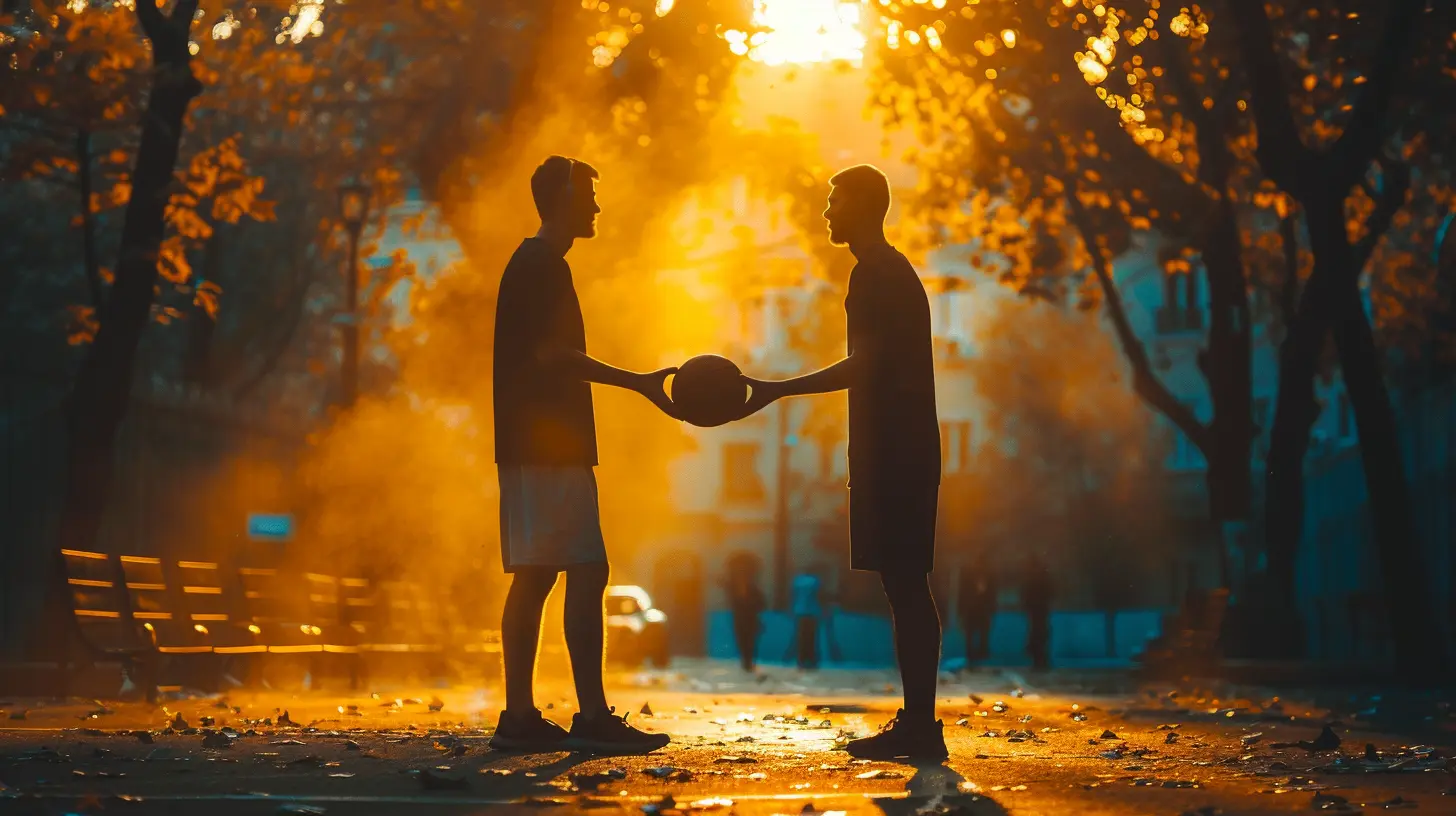
Fans don’t just watch sports for entertainment. Whether we realize it or not, we pick up values from the athletes we admire. When fans witness great sportsmanship, it teaches them respect, humility, and kindness—values that extend into their daily lives.A kid watching their favorite soccer player show respect to opponents will carry that lesson into school, friendships, and eventually their own career. Sportsmanship shapes not just athletes, but entire generations of fans.
Turning Rivalries into Respect
There’s nothing wrong with a little fan rivalry—it’s what makes sports exciting. But sportsmanship has the power to defuse tensions and remind us that, at the end of the day, it’s just a game.When two competing teams exchange jerseys after a heated match or when fans clap for an opposing player’s outstanding performance, it strengthens the spirit of sports rather than dividing people. It’s about passion, not hatred.
Creating Moments That Last Forever
Let’s be honest—some of the most unforgettable moments in sports history have nothing to do with the scoreboard. They’re about human connection.Who can forget when Derek Redmond’s father ran onto the track at the 1992 Olympics to help his injured son finish the race? Or when Andrés Iniesta dedicated his goal in the 2010 World Cup final to his late friend Dani Jarque? These instances remind fans why they love sports in the first place: not just for the action, but for the raw emotion and humanity behind it.
The Ripple Effect: Why It Matters
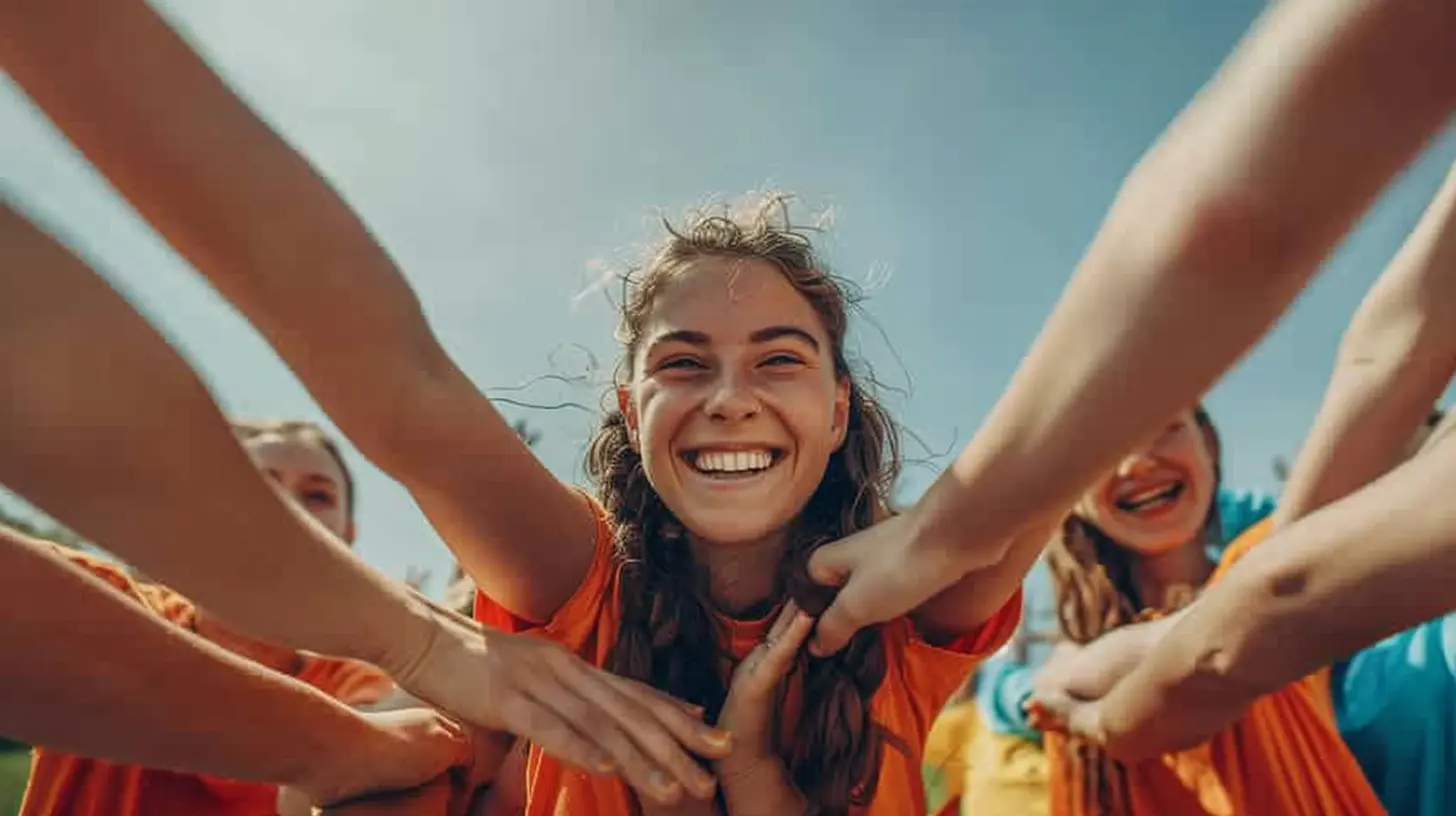
Sportsmanship doesn't stop with one player or one game. It’s a chain reaction. When one athlete leads by example, it influences teammates, opponents, and fans alike. That inspiration trickles down to young athletes who will one day shape the future of sports.Think of it like tossing a stone into a calm lake—the ripples spread far beyond the initial splash. Likewise, one act of sportsmanship can inspire respect and integrity in sports communities worldwide.
How to Promote Sportsmanship in Sports Culture
- Athletes: Lead by example. Whether you're a professional or an amateur, how you play matters just as much as your skill level.- Coaches: Teach respect along with technique. Training great players is important, but shaping great people is even more valuable.
- Parents: Encourage fair play over just winning. Praise effort and attitude, not just results.
- Fans: Support your team, but always respect the opponent. Sports should unite, not divide.
Final Thoughts
Sportsmanship is the ultimate game-changer. It elevates competitions, builds respect among athletes, and inspires fans to carry those values into their own lives. While records will be broken and championships won, the impact of good sportsmanship lasts forever.So next time you watch a game, look beyond the scoreboard. Pay attention to the little moments of kindness, respect, and integrity—because those are the moments that truly define sports.
all images in this post were generated using AI tools
Category:
Sportsmanship AwardsAuthor:
Preston Wilkins

