The Latest Officiating Changes in Hockey: What You Need to Know
22 August 2026
Hockey is known for its speed, intensity, and, let's be honest, a bit of chaos. That’s part of the charm. But as the game evolves, so does the need for officials to keep up. Recently, governing bodies like the NHL and IIHF have rolled out new rules and tweaks to how the game is officiated. Why? It's all about improving fairness, safety, flow, and—believe it or not—entertainment.
Whether you're a diehard fan, a weekend warrior, or just love shouting at referees from your couch, it's important to stay in the loop. This article breaks down the latest officiating changes in hockey. No fluff—just the facts, why they matter, and how they’ll impact the game you love.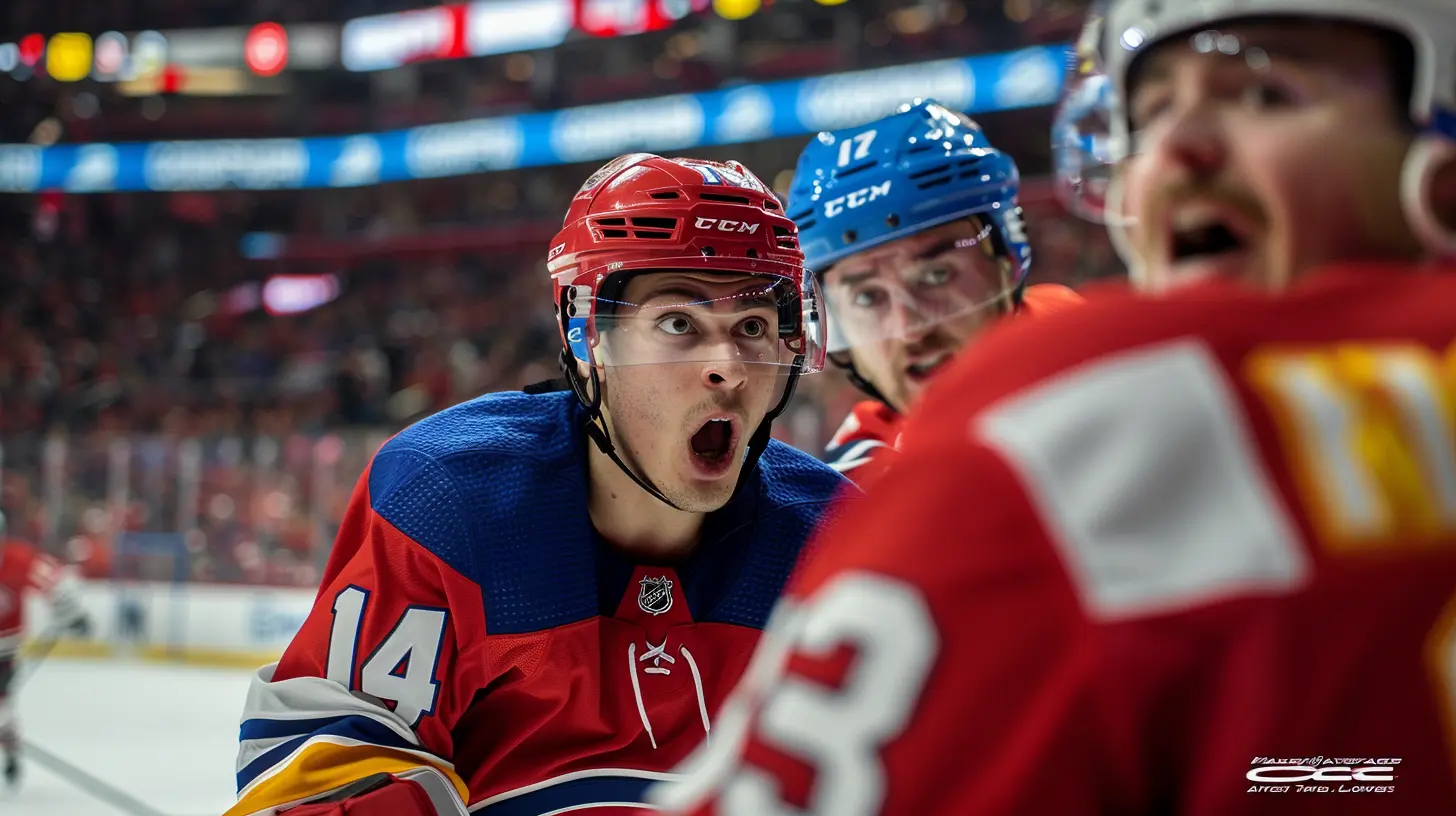
Why Officiating in Hockey Needed a Shake-Up
Let’s face it: officiating in hockey has always been a hot topic. One missed call can swing the momentum of a game. And with instant replays, slow-motion angles, and fans analyzing every second on Twitter (or should we say “X”?), officials are under a serious microscope.These changes aren’t just arbitrary. They’re a response to:
- Outcry from players and coaches
- Pressure from fans
- Technological advancements
- A desire for consistency across all levels of play
Bottom line? The game is faster than ever, and the rules need to catch up.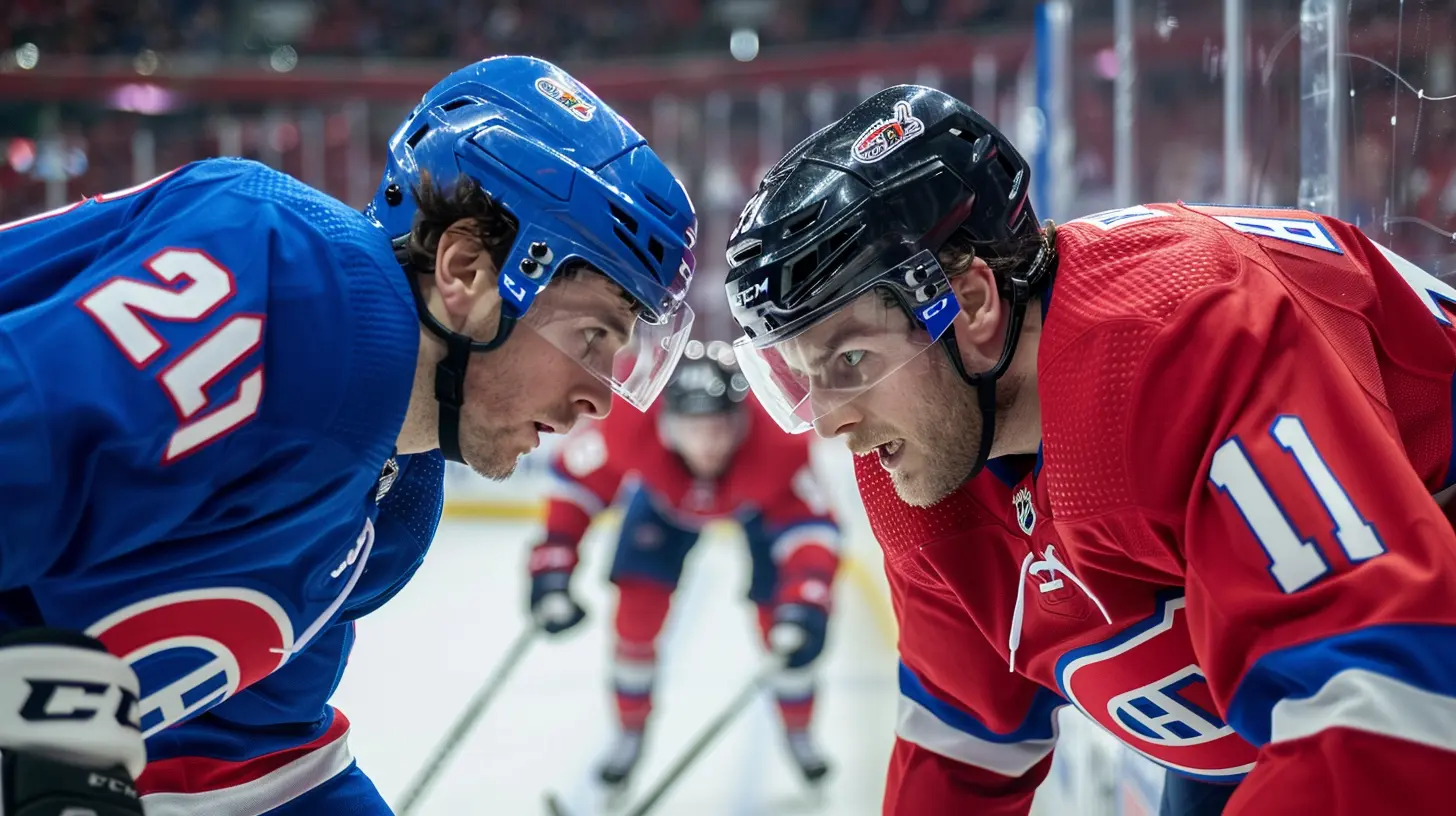
1. Stricter Enforcement of Cross-Checking
What Changed?
It’s about time, right? Cross-checking has long been a grey area—somewhere between “let them play” and “that guy just got launched into the boards.” Now, the league is cracking down. Officials are being told to call even subtle cross-checks that affect scoring opportunities or player safety.Why It Matters
This change is a big win for player safety. Less unnecessary contact means fewer injuries, especially near the boards. It also encourages more skilled play—because you can’t just muscle your way through anymore.Who It Affects Most?
Defensemen. They’ll have to adjust their muscle-memory habits. But forwards can’t relax too much either. Driving the net might actually get a little easier—finally.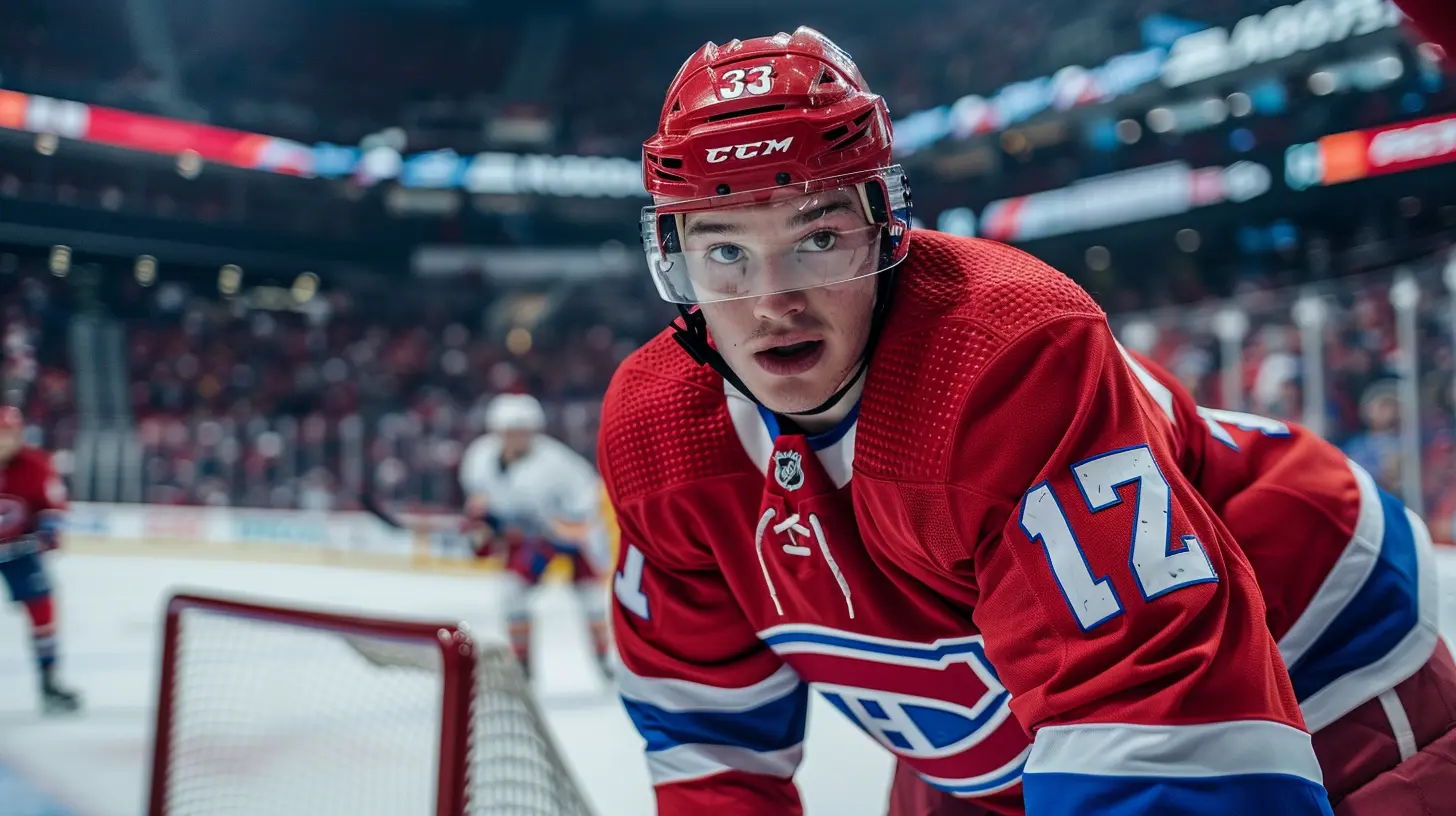
2. Updates to Video Review and Coach’s Challenges
What’s New?
Video review has leveled up. Now, officials can review:- High-sticking penalties (to confirm who actually committed the infraction)
- Puck-over-glass calls (yep, even those dreaded delay-of-game moments)
- Major penalties (to ensure fairness)
Also, coaches can now challenge plays with expanded criteria, not just goals involving offside or goalie interference.
Why It’s a Game-Changer
Games won’t be decided by blatant misses. Transparency gets a boost, and razor-close calls are easier to get right. Plus, let’s admit it—there's something thrilling about watching refs huddle up with tablets.The Catch?
More reviews can lead to longer breaks, which might irk fans and disrupt the game’s rhythm. But in the grand scheme? Accuracy wins.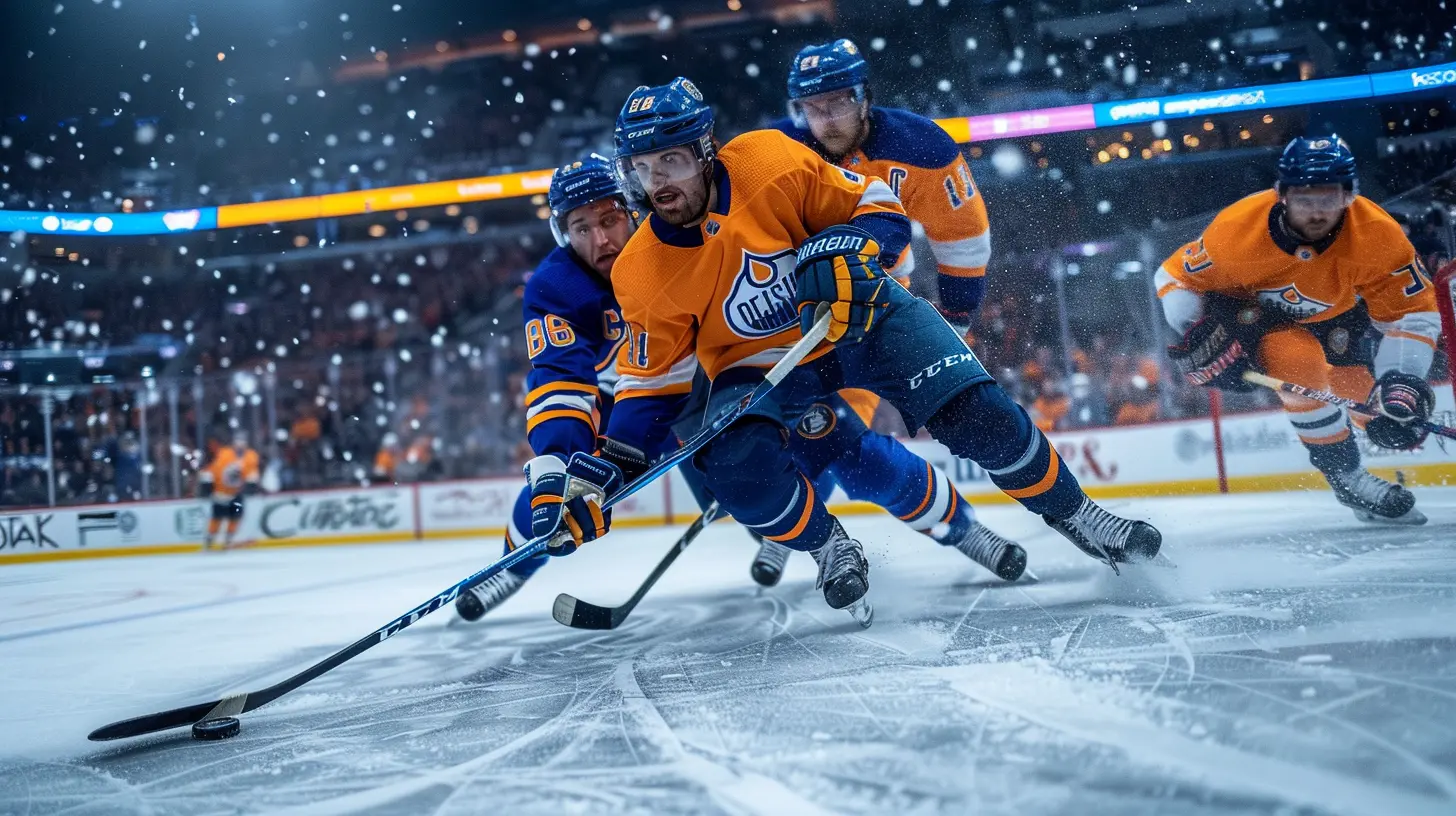
3. Enhanced Player Safety Rules
What’s Being Done?
New rules around boarding, hits from behind, and illegal checks to the head are being strictly enforced. And repeat offenders? They're feeling the heat with heavier suspensions and fines.Why It’s Important
Cognitive health is no joke. With the long-term effects of concussions under scrutiny, these rules reflect hockey’s commitment to protecting its players. Even the toughest enforcers are human.The Bigger Picture
This sets a tone from the NHL all the way down to youth leagues. If the best league in the world is serious about safety, other leagues follow suit.4. The "Broken Stick" Rule Adjustment
What's the Issue?
Previously, a player without a stick had to head to the bench or receive a replacement in a very narrow window. Now, officials are interpreting broken stick situations with a bit more leniency regarding interference—as long as there’s no deliberate play with the broken stick.Why It Makes Sense
Players can’t control when their stick snaps. This change adds some common sense. You can still play positionally, take up space, and defend—just don’t use the broken stick like a javelin.5. Introduction of the “Player Leave Zone” Rule
Say What?
It’s a small but significant tweak. On delayed offsides, offensive players now have to clearly exit the attacking zone and re-establish position—not just lift a skate off the blue line.What It Means
This removes the guesswork and tight calls at the blue line. Officials can make more consistent decisions. And for fans watching live? It's easier to follow.6. Automated Offside Detection (in Development)
Coming Soon: Robo Refs?
Not quite, but the NHL is working on integrating puck-tracking technology with blue line sensors. This will help automatically call offsides—reducing human error.Pros and Cons?
✅ More accurate offsides✅ Faster reviews
❌ Might remove some human judgment and drama
But hey, if it ends the debate over a player’s skate being just off the ice, it’s a win.
7. Retooling Penalty Standards for Goalie Interference
What's Changed?
There’s been a clearer definition of what counts as goalie interference. Refs now have a more structured guideline—especially on what happens in the crease versus outside the crease.Why It Matters
Fans have screamed for consistency in goalie interference calls. With these updates, we’re finally (fingers crossed) getting closer to fairness.Still Subjective?
Yeah, kind of. But clearer guidelines mean fewer head-scratching calls—and maybe fewer angry coaches throwing water bottles.8. Faceoff Consistency and Dropping the Puck
Aiming for Cleaner Draws
Ever notice how often faceoffs feel like a free-for-all? Officials are now being told to crack down on players who encroach early or delay setup. Also, linesmen are refining their puck drops to be, well, more predictable.Why It Helps?
A clean faceoff sets the tone for fair play. Plus, centers won’t have to guess when to engage.How These Changes Affect the Game You See
Want to know the bottom line? Here’s how all these changes could impact your typical game night:| Area of Impact | What You’ll Notice |
|----------------------|--------------------------------------------------|
| Game Flow | Slightly more stoppages (due to reviews), but better accuracy |
| Player Behavior | Cleaner hits, more respect for space |
| Scoring Chances | Increased, especially with cross-checks being monitored |
| Fan Understanding | Easier to follow with clearer rules |
| Coach Strategies | More cautious challenges, strategic timeouts |
What Players Are Saying
Initial feedback from players? Mixed but mostly positive. Many welcome the added protection. Some feel it might slow down the game. But overall, there's a sense that officiating is finally catching up to the modern style of play.A few stars have been vocal:
- “It’s good to know the league is watching out for us,” said one veteran defenseman.
- “As long as it's consistent, I’m happy,” chimed a young forward.
What About the Fans?
Let’s be real: fans love the chaos—but not when their team gets burned by a bad call. Most are on board with changes that promote fairness and safety. Video review may be controversial, but if it gets the call right, is it really a bad thing?Ask yourself: would you rather wait 90 seconds for a review or lose sleep over a missed goal?
Final Thoughts: The Game Is Still the Game
Rule changes can be intimidating at first. But hockey’s core—its soul—remains untouched. It’s still fast, gritty, and full of edge-of-your-seat moments. These officiating updates? They’re just tuning up the engine, not rewriting the playbook.If anything, they’re meant to protect the integrity of the sport. And that’s something every fan, player, and coach can appreciate.
So next time you’re yelling at the screen because of a questionable call, just remember: the refs are adapting, too. And with these latest updates, they’ve got more tools than ever to get it right.
What You Can Do as a Fan
- Stay informed—new rules might affect your fantasy team or your favorite player’s ice time.- Be patient—officials are adjusting just like the players.
- Appreciate the nuances—hockey is as much about brains as it is about brawls.
—
The Ice Ahead: What’s Next?
The NHL and other leagues are constantly testing new technologies and rules in junior leagues, preseason games, and even international tournaments. We might see:- Real-time puck and player tracking
- VR-assisted ref training
- More transparency on review decisions
So buckle up. Hockey’s future is coming in hot.
all images in this post were generated using AI tools
Category:
New RulesAuthor:

Preston Wilkins
Discussion
rate this article
2 comments
Sylas Thomas
Looks like the refs are getting a makeover, and not just a fresh pair of skates. With these officiating changes, we might finally see the end of that "let them play" nonsense. Buckle up, fans... it's about to get interesting!
August 26, 2026 at 12:48 AM
Preston Wilkins
Definitely an interesting shift. It could lead to a more balanced game. Excited to see how it unfolds!
Lark McGee
Finally, some rules to keep the refs from losing their minds... about time!
August 23, 2026 at 10:58 AM
Preston Wilkins
I hear you! Keeping it clear for refs is vital for the game.